
How Often Do Leopard and Crested Geckos Poop? A Healthy Guide
Published on: May 5, 2026 | Last Updated: May 5, 2026
Written By: Alexander 'Gecko Geek' Johnson
If you’re staring into your gecko’s terrarium wondering where the poop is, or if the amount you’re seeing is normal, you’ve come to the right place. I’ve been there with my own crew, from Griffey the Leopard Gecko to Jeter the Crested Gecko, and that little question can cause a lot of big worry.
I’m here to help you decode your gecko’s droppings. By the end of this, you’ll know exactly what to look for, so you can stop stressing and start confidently caring for your pet. We will cover:
- The normal poop schedules for Leopard and Crested Geckos.
- How to spot the difference between healthy waste and a red flag.
- Simple steps to take if you suspect a problem.
You will get clear, practical advice based on my own experience and established gecko care knowledge. We are covering: Leopard Gecko Frequency, Crested Gecko Frequency, Normal Poop Appearance, Problematic Signs, Common Causes for Change, and Simple Solutions.
Gecko Poop 101: Normal Frequency for Leopard and Crested Geckos
If you’re new to gecko parenting, their bathroom habits can be a mystery. The frequency of your gecko’s poop is one of the simplest and most reliable health check-ins you can do. Here’s a quick comparison to set your expectations. If your gecko isn’t pooping, use our complete troubleshooting action checklist to guide your next steps. It walks you through common causes and practical fixes.
Leopard Gecko Poop Frequency
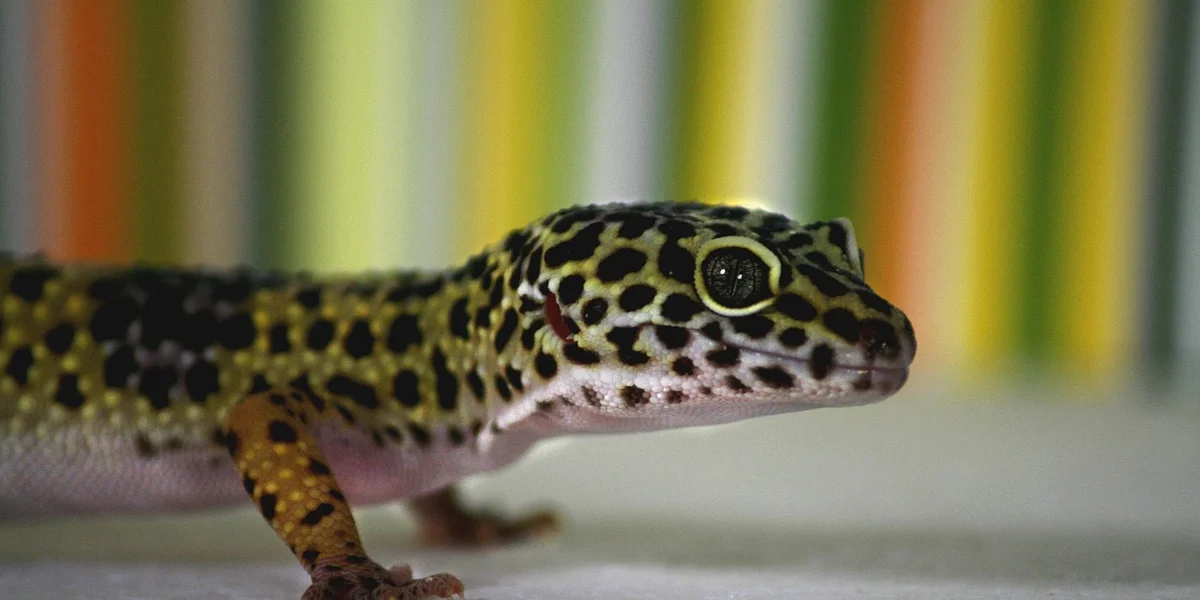
My leopard gecko, Griffey, is a pooping machine. He’s on a predictable schedule that makes cage cleaning easy. A healthy adult leopard gecko will typically poop every one to two days. Their terrestrial lifestyle and insect-based diet keep their digestive systems moving regularly.
Baby and juvenile leopard geckos eat more often to support their rapid growth, so they often poop daily. Diet and hydration are huge factors; a gecko that just ate a fatty waxworm treat might process it faster than a steady diet of crickets. If your leo is well-hydrated, you’ll see those perfect white urates. Dehydration can slow things down.
Crested Gecko Poop Frequency
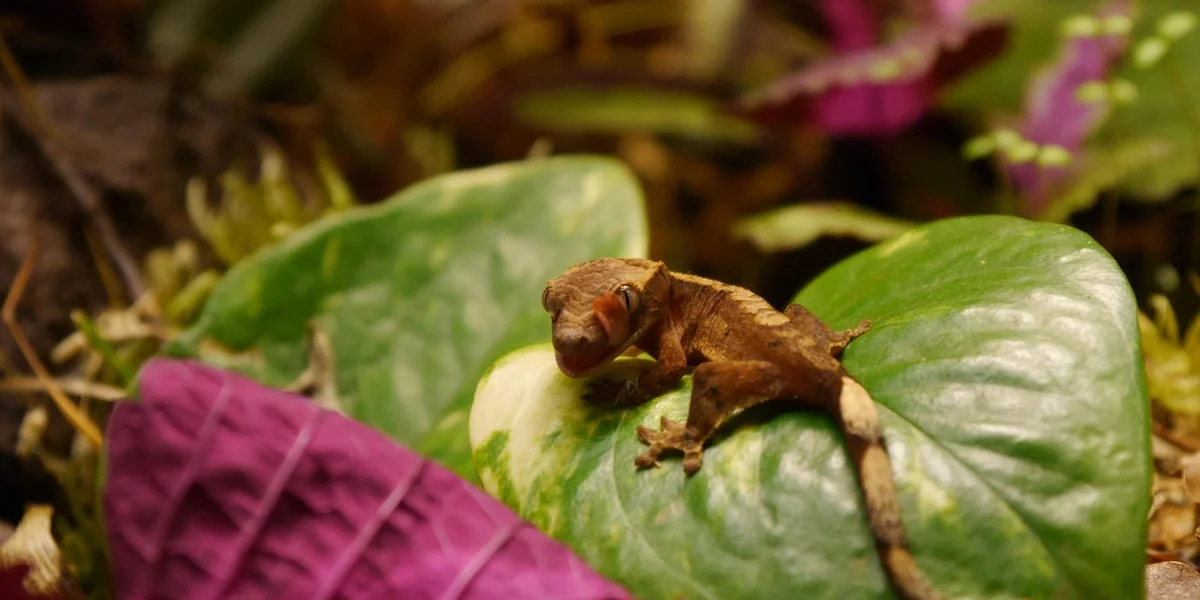
Now, my crested gecko Jeter operates on a completely different timeline. Crested geckos poop less frequently, usually every two to three days, and sometimes even less. This is perfectly normal. Their diet of Crested Gecko Diet (CGD) powder is less bulky than whole insects, resulting in less waste.
Being arboreal, they often choose elevated spots to do their business. I always find Jeter’s droppings stuck to the glass or on the leaves of his favorite plants. Don’t panic if you don’t see poop for a couple of days; it’s just their slower, fruit-mash-fueled metabolism at work.
What Healthy Gecko Poop Looks Like: A Visual Guide
Knowing what to look for is half the battle. Healthy gecko poop has a distinct, three-part appearance that tells you everything is running smoothly on the inside. After years of cleaning enclosures, I can spot a healthy deposit from across the room.
- The Stool: This is the dark brown or black part. It should be firm, well-formed, and log-shaped.
- The Urates: This is the solid urine. It should be a chalky, off-white color, like a piece of chalk.
- The Liquid: A small, clear puddle of liquid urine often accompanies the package.
When I clean Jeter’s tank, his poop is always firm and holds its shape. That firm consistency tells me his digestion is working perfectly and he’s processing his CGD well. It’s a small but satisfying sign of a happy gecko.
Components of Normal Gecko Stool
Let’s break down that poop package a bit more. The dark fecal matter is the digested food waste from their last meal. It shouldn’t be runny, smeared, or have a unusually foul odor.
The urates are the real hydration indicator. Pure, bright white means your gecko is well-hydrated. If you start to see yellow or even orange tinges, it’s a clear signal your pet needs more water. I mist my geckos’ enclosures more heavily whenever I see a yellowish urate.
Signs of Good Digestion and Hydration
A consistent poop schedule with the right look is the ultimate thumbs-up. You can perform a simple health check every time you spot fresh droppings. Just a quick visual scan for the right colors and consistency takes seconds.
Good hydration shows up in those pristine white urates and the presence of that small liquid urine puddle. A gecko with a plump tail and regular, well-formed poops is a gecko that’s thriving. It’s the best feedback a pet owner can get.
Red Flags: Identifying Abnormal Poop in Leopard and Crested Geckos
Knowing what’s normal is half the battle. The other half is spotting the weird stuff. If your gecko’s waste looks more like a science experiment than a simple dropping, it’s time to pay close attention. Knowing the difference between normal and abnormal gecko behavior helps when you’re concerned. If something seems off, check for other signs and consider a vet.
- Diarrhea: Runny, watery, or formless stool. If it looks like soup, sound the alarm!
- Constipation: Small, hard, dry pellets or a complete lack of poop for an extended time.
- Unusual Colors: Bright red (could be blood), pure white urates, or oddly colored green/yellow feces.
- Strange Textures: Mucus-covered, stringy, or containing undigested food bits.
| Trait | Normal | Abnormal (Red Flag) |
|---|---|---|
| Feces Color | Dark brown | Red, yellow, green, pure white |
| Urates Color | White, sometimes with a slight yellow tint | Bright yellow, chalky, or tinged with red |
| Consistency | Firm, well-formed | Watery, overly dry/hard, mucousy |
| Frequency | Regular (every 1-3 days) | No poop for over 5-7 days, or multiple times daily |
Diarrhea in Geckos
Diarrhea isn’t just messy-it’s a sign your gecko’s gut is in distress. This runny waste can quickly lead to dangerous dehydration and nutrient loss. Common culprits include parasites, bacterial infections, or a sudden bad reaction to a new food.
I once had a scare with my crested gecko, Jeter, after introducing a new brand of fruit paste. The result was a terrarium mess that had me on high alert for days. It taught me that even small dietary changes need a slow, careful introduction.
Constipation in Geckos
Spotting constipation means looking for tiny, rock-hard droppings or, more obviously, no droppings at all. A constipated gecko may also seem lethargic and lose its appetite, as there’s simply no room left for food.
Leopard geckos like my Griffey are especially prone to a severe form of constipation called impaction, often from accidentally swallowing loose substrate. Crested geckos can get backed up too, usually from dehydration or low enclosure humidity.
Common Causes of Abnormal Poop: Diet, Environment, and Health
When poop goes wrong, the reason usually falls into one of these three categories. Perfecting your husbandry is the single most powerful thing you can do to prevent these issues from ever starting.
- Diet: Low-quality food, overfeeding, or sudden diet changes disrupt digestion.
- Parasites: Internal parasites irritate the gut lining, causing diarrhea and weight loss.
- Temperature: An incorrect temperature gradient prevents proper digestion.
- Stress: Loud noises, excessive handling, or cohabitation can upset their system.
- Substrate: Loose, sandy bedding can be ingested and cause life-threatening impaction.
Dietary Influences on Poop
You are what you eat, and that goes double for your gecko’s droppings. Feeding schedules and food types directly control how often and how well your gecko poops. An all-mealworm diet for a leopard gecko can lead to constipation, while an overly watery fruit mix for a crested gecko might cause diarrhea.
My rule is to offer variety and observe. If a new food causes a bad reaction, I pull it from the menu immediately. Gut-loaded insects and high-quality, prepared gecko diets are your best bets for solid results. Consider using a diversifying diet guide with 10 safe feeder insects for geckos to plan a balanced rotation. This approach helps keep nutrition varied while you monitor any responses.
Environmental and Health Factors
The world inside the tank has a huge impact on what comes out of your gecko. Incorrect humidity is a prime suspect for both diarrhea and constipation in cresties, while improper heat is a classic cause of digestive halt in leos.
Parasites are another common villain. A fecal exam from a vet can identify these unwelcome guests. Always quarantine new reptiles and wash your hands between handling different pets to minimize health risks. A stable, clean, and stress-free environment keeps everything moving as it should.
Monitoring Your Gecko’s Poop: Practical Owner Tips
Keeping an eye on your gecko’s bathroom habits is one of the simplest and most effective ways to monitor their health. I treat my daily poop check like a quick morning news briefing on my geckos’ well-being. It takes less than a minute but gives me immense peace of mind. Regular check-ups with a reptile veterinarian complement these home observations. They help catch issues early that you might miss otherwise.
Daily Poop Check Routine
Consistency is everything. Here is the simple routine I follow every single morning with my geckos, Griffey and Jeter.
- Turn on the enclosure light. This gives you clear visibility without disturbing your gecko too much if they’re still sleeping.
- Scan the usual spots. Leopard geckos like Griffey often pick a corner. Cresties like Jeter might go on a leaf or the glass. Check the warm hide, cool hide, and any flat surfaces.
- Look for the three parts. A healthy dropping has a dark, solid portion (the feces), a white or off-white part (the urates), and sometimes a small bit of liquid.
- Do a quick smell test. A faint, musky smell is normal. A strong, foul, or rotten odor is a red flag.
- Clean it up promptly. I use a paper towel and a reptile-safe disinfectant. This keeps the enclosure clean and resets the clock for your next check.
When to Take Action Based on Poop Changes
Not every change is an emergency. Knowing the difference between a minor hiccup and a major problem will save you countless worries. Use this guide to decide your next move.
Wait and See (Monitor for 1-2 More Droppings)
- Slightly runny feces but normal urates.
- One single, smaller-than-usual dropping.
- A small, chalky urate with no liquid.
Act Now (Adjust Care or Call Vet)
- Consistently watery or liquid diarrhea.
- Undigested insect parts in the stool.
- Yellow or lime-green urates.
- No poop for more than 5-7 days, especially if your gecko is also not eating.
When to Call the Vet: Poop Issues That Need Expert Help
As a dedicated gecko owner, your vigilance is their first line of defense. Some symptoms are a clear signal to bypass home remedies and seek professional help immediately. Delaying care can turn a treatable issue into a life-threatening one. Early signs can be subtle, so paying attention is crucial. Being aware of the early warning signs of illness in geckos helps you act quickly and seek care when needed.
- Blood in the stool or urates. This is never normal and indicates internal injury or severe infection.
- Prolonged constipation. If your gecko hasn’t pooped for over 10 days and looks bloated or is straining, it could be a serious impaction.
- Parasites in the stool. If you see moving, worm-like creatures, your gecko needs deworming medication from a vet.
- Black, tarry stools. This can indicate internal bleeding higher up in the digestive tract.
- Lethargy combined with abnormal poop. If your gecko is also weak, refusing food, or keeping its eyes closed, it’s a major concern.
Preparing for a Vet Visit
Being prepared helps your vet make a fast and accurate diagnosis. A little prep work before your appointment makes you a powerful partner in your gecko’s healthcare.
- Collect a fresh stool sample. If you can, use a clean plastic bag or container to pick up a dropping less than 12 hours old. Keep it at room temperature and bring it with you.
- Take photos and notes. Snap pictures of the abnormal poop. Write down the last time your gecko ate, pooped, and shed.
- Know your enclosure details. Be ready to tell the vet the temperatures on the warm and cool side, the humidity levels, and what you feed your gecko.
- Bring your gecko in a secure carrier. A small, ventilated plastic container with a paper towel substrate is perfect. Keep the carrier warm during transport.
Cleaning Up Gecko Poop: Hygiene and Enclosure Care
Keeping your gecko’s home clean is non-negotiable for their health and your nose. A dirty habitat is a breeding ground for bacteria and parasites, turning a small cleanup into a big vet bill. That means cleaning your gecko tank properly on a regular schedule. I’ve learned through years with Griffey and Jeter that a consistent routine makes all the difference.
Cleaning Different Substrates
The method you use depends entirely on what’s lining the bottom of the tank. Spot-cleaning is your best friend, no matter what substrate you choose.
- Paper Towel: This is the easiest. I simply lift out the soiled section and replace it with a fresh piece. It’s why I used it for all my juvenile geckos-super simple monitoring.
- Reptile Carpet: You need two carpets. When one gets dirty, swap it with the clean spare. Wash the soiled one with hot water and a tiny bit of reptile-safe disinfectant-never harsh detergent-and let it air dry completely before reuse.
- Loose Substrate (e.g., Bioactive Mix): For my adult leopard gecko, I use a spoon or a small scooper to remove the waste and a bit of the surrounding substrate. In a bioactive setup, your clean-up crew (springtails and isopods) will handle the rest.
Maintaining a Sanitary Habitat
Consistency is what separates a good habitat from a great one. Your cleaning schedule is a direct reflection of your commitment to your pet’s welfare.
- Daily: Do a quick visual check. Remove any poop and uneaten food you see.
- Weekly: Take out and wash all food and water dishes, along with any easily removable decor.
- Monthly: Perform a full deep clean. Remove your gecko to a secure temporary tub, take out all items, and scrub the entire enclosure with a reptile-safe cleaner like F10SC or a diluted vinegar solution. Rinse everything thoroughly.
Always avoid bleach, pine-scented cleaners, or any product with phenols, as the fumes can be deadly to reptiles. I stick to veterinary-grade disinfectants or simple vinegar for peace of mind. A clean home is a healthy, happy gecko, and following these precautions helps keep your gecko safe from household chemicals.
## Common Questions
What factors can cause my gecko’s poop frequency to change?
Diet changes, hydration levels, temperature, and overall health can all temporarily affect how often your gecko poops.
Why is the correct temperature so important for my gecko’s digestion?
Inadequate heat, especially for Leopard Geckos, prevents them from properly digesting their food, which can lead to constipation or impaction. Ensuring proper heat helps relieve constipation in geckos by supporting digestion. If constipation persists, consult a reptile veterinarian.
Can a change in my gecko’s urate consistency be a problem?
Yes, while color indicates hydration, consistently gritty or extremely hard urates can be a sign of chronic dehydration.
How does stress influence my gecko’s bathroom habits?
Stress from a new environment, excessive handling, or cohabitation can cause a gecko to stop eating and pooping temporarily. These signs are often connected to environmental factors such as enclosure size, temperature, humidity, and hiding spots. For more information on how these factors can lead to issues, consider exploring the topic of Gecko stress and environment. Adjusting these conditions can help reduce stress and bring back normal eating and elimination patterns.
When should I become concerned if my gecko hasn’t pooped?
You should take action if an adult gecko hasn’t produced any droppings for over 5-7 days, especially if they are also refusing food.
Final Words
The simple rule of thumb is that a healthy leopard gecko will poop every day or two, while a healthy crested gecko will go every one to three days. If you notice a sudden change in this schedule, or see signs of constipation or diarrhea, that’s your cue to check your husbandry and potentially call your vet.
Being a great gecko owner means being a dedicated observer of your pet’s daily habits, from their diet right down to their droppings. Keep learning, stay curious about their needs, and your scaly friend will thrive under your care. For more in-depth guides, our community at Gecko Pet Care is always here to help you on your journey.
Further Reading & Sources
- Gecko Poop: Everything You’ve Ever Wanted to Know – A-Z Animals
- 7 Types of Leopard Gecko Poop and Their Meaning – More Reptiles
- The Scoop on Poop – Gecko Time
The Gecko Guide is your ultimate resource for gecko enthusiasts, providing expert advice and practical tips to ensure the health and happiness of your scaly companions. Alexander is a passionate gecko owner with over a decade of experience in reptile care. We are dedicated to offering accurate, up-to-date information to support your gecko journey.Our mission is to foster a community of responsible gecko owners who are passionate about the well-being of these fascinating creatures.
Common Health Issues