
How to Relieve Constipation in Geckos: A Keeper’s Guide
Published on: February 2, 2026 | Last Updated: February 2, 2026
Written By: Alexander 'Gecko Geek' Johnson
Seeing your gecko straining in its enclosure or noticing a lack of droppings can send a wave of panic through any reptile owner. I’ve been there myself, watching my leopard gecko, Griffey, with concern when his usual energetic routine slowed down.
You are not alone in this worry, and I’m here to help you navigate it. This guide will walk you through the clear, actionable steps I use to get my geckos comfortable and regular again. We will cover:
- How to spot the subtle signs of constipation early.
- Safe, at-home remedies you can try immediately.
- Knowing exactly when it’s time to call a veterinarian.
By the end of this article, you will have a clear plan of action. We will cover: identifying symptoms, safe home treatments like warm soaks and massage, proper habitat setup, diet adjustments, and critical vet signs.
How to Spot Constipation in Your Gecko
Common Signs Your Gecko Can’t Poop
Your gecko can’t tell you it’s blocked up, so you have to become a detective. Watch for these clear signals that something’s wrong. This is part of the ultimate gecko health troubleshooting checklist—a step-by-step diagnostic guide. Use it to identify issues quickly and accurately.
- A visibly swollen or bloated abdomen, especially near the vent.
- Lethargy and a sudden lack of interest in food. A hungry gecko that refuses a meal is a major red flag.
- Straining or spending an unusual amount of time in a corner, seemingly trying to pass waste.
- No droppings in the enclosure for over a week, even when you know they’ve been eating.
- Passing dry, chalky urates instead of the normal white part with a brown dropping.
I learned this the hard way with my leopard gecko, Griffey, who once went on a food strike; the culprit wasn’t pickiness, but a painfully full belly.
Constipation vs. Impaction: Knowing the Difference
This is a critical distinction for any gecko owner. Constipation is a simple backup of digested food and waste. Impaction is a dangerous physical blockage, often from indigestible material like loose substrate.
- Constipation is often resolved with simple home care like warm soaks and hydration.
- Impaction feels harder to the touch, causes severe lethargy, and often requires a vet’s intervention.
If you gently feel your gecko’s belly and notice a hard, lumpy mass that doesn’t move, you are likely dealing with an impaction, not simple constipation. This is a serious welfare issue that needs immediate professional attention.
What Causes Geckos to Become Constipated?
Diet and Hydration Mistakes
What goes in directly affects what comes out. Many cases of constipation are entirely preventable with better feeding habits.
- Dehydration: This is the number one cause. Without enough water, the body pulls moisture from the intestines, creating hard, dry feces.
- Feeding insects that are too large or have hard exoskeletons, like giant mealworms or superworms.
- An imbalanced diet lacking proper nutrients, particularly calcium, which aids muscle function, including the bowels.
- Overfeeding, which simply overloads their digestive system.
I always keep a shallow water dish full of fresh water and lightly mist my crested gecko Jeter’s enclosure nightly to ensure he stays hydrated.
Environmental Factors That Hinder Digestion
Your gecko’s home setup plays a huge role in its internal health. If the environment is wrong, digestion slows to a halt. Vomiting in leopard geckos is often a sign that something in the enclosure or diet isn’t right.
- Incorrect Temperature: Geckos are ectotherms. They need belly heat to digest their food. A basking spot that is too cool is a fast track to constipation.
- Lack of humidity can contribute to overall dehydration and make passing waste difficult.
- Chronic stress from an insecure environment-not enough hides, too much handling, or a noisy location-can shut down their digestive system.
- Insufficient exercise. A gecko that doesn’t move around enough can have sluggish gut motility.
Double-check your thermostat; a drop of just a few degrees in the warm hide can be enough to stop your gecko’s digestion completely. Common gecko heating mistakes to avoid include relying on a single heat source or letting temperatures swing with the lights. Instead, use a reliable thermostat and monitor temps regularly to keep basking and cool zones stable.
Step-by-Step Home Treatments for Constipation
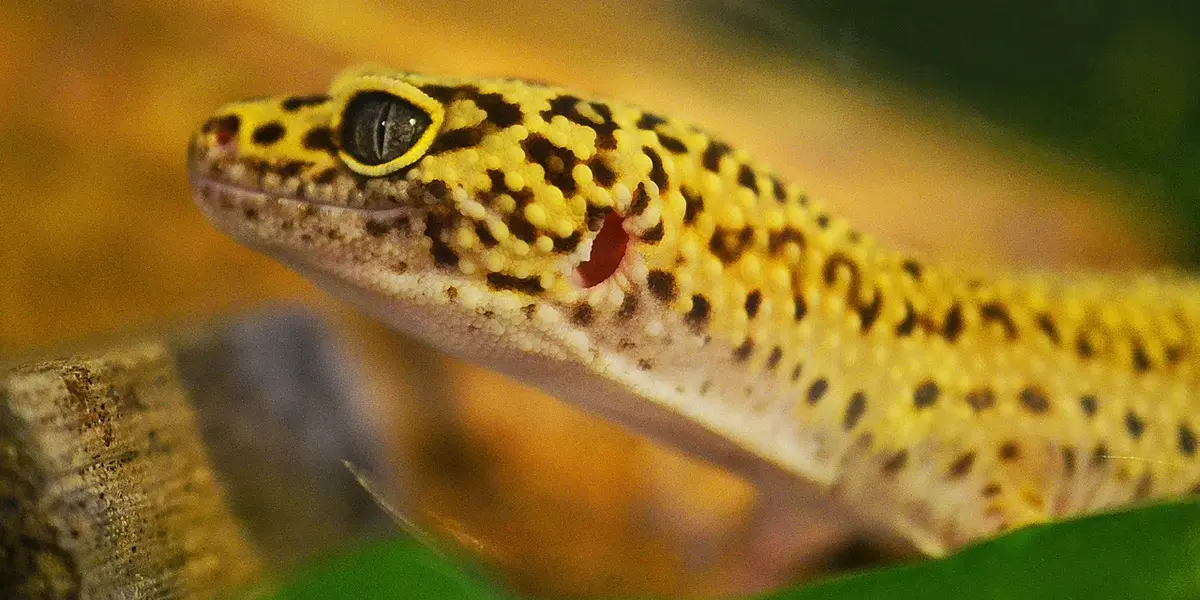
If your gecko is struggling to pass waste, you can try several safe, at-home methods to provide relief. I’ve used these techniques with my own geckos, like when Jeter seemed a bit backed up, and they often do the trick without a vet visit. These care steps help prevent common health problems in geckos, such as constipation and dehydration. Staying attentive to their waste, hydration, and environment supports long-term health. Always handle your pet gently and monitor their response closely.
How to Give Your Gecko a Warm Bath
A warm bath can relax your gecko’s muscles and help stimulate bowel movements. This method works wonders because the warmth encourages natural digestion processes. I remember giving Griffey a soak when he was constipated-he seemed to enjoy it and pooped shortly after.
- Fill a shallow container with lukewarm water-test it on your wrist to ensure it’s not hot.
- Make sure the water depth only reaches your gecko’s shoulders to prevent drowning risks.
- Gently place your gecko in the water and let them soak for 10-15 minutes.
- Supervise the entire time to keep them calm and safe.
- After the bath, pat them dry with a soft towel before returning them to their enclosure.
Using Oral Fluids and Electrolyte Solutions
Dehydration is a common cause of constipation, so offering fluids can help soften stools. Providing oral hydration is a simple way to support your gecko’s digestive health from the inside out. I keep reptile-safe electrolyte solutions on hand for emergencies, and they’ve helped Mookie when he needed a boost. Knowing how to tell if your gecko is dehydrated is essential for timely care.
- Use a small syringe or dropper to offer plain, dechlorinated water or a vet-recommended electrolyte solution.
- Drip fluids slowly onto your gecko’s snout, allowing them to lick it off-never force liquid into their mouth.
- Offer fluids once or twice daily until you see improvement in their bowel movements.
- Always use room-temperature liquids to avoid shocking their system.
Encouraging Exercise and Movement
Gentle activity can kickstart your gecko’s digestive system by promoting muscle contractions. A little movement goes a long way in helping your gecko feel more comfortable and regular. With Babe, I noticed that letting her climb on safe branches after meals kept her digestion on track.
- Allow supervised exploration outside the enclosure in a secure, warm area.
- Place new, clean hides or climbing structures in their tank to encourage natural behaviors.
- Engage in short, gentle handling sessions-just 5-10 minutes to avoid stress.
- Focus on low-impact activities that don’t overexert your gecko.
When Your Gecko Needs a Vet for Constipation
While home treatments can be effective, some situations require professional intervention. Knowing when to seek help is crucial for your gecko’s wellbeing and can prevent serious health issues. I learned this the hard way when A-Rod showed signs that needed urgent care. Handling sick or injured geckos improperly can worsen their condition.
Danger Signs That Require Immediate Attention
If you notice any of these symptoms, contact a reptile vet right away. Delaying treatment can lead to impaction or other life-threatening conditions.
- No bowel movement for over 7-10 days, especially if your gecko is still eating.
- Visible swelling or hardness in the abdomen that doesn’t resolve with home care.
- Lethargy, loss of appetite, or weight loss that persists for more than a couple of days.
- Straining excessively or showing signs of pain, like vocalizing or avoiding touch.
- Discolored or abnormal droppings, such as blood in the stool.
How to Prevent Constipation from Happening
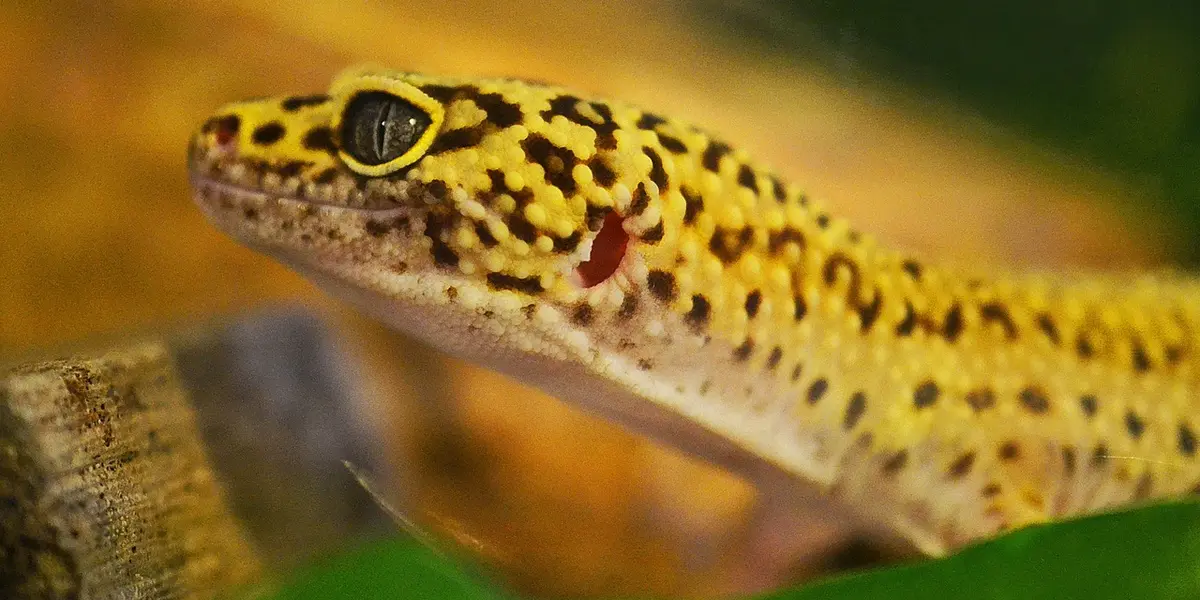
Optimizing Diet for Healthy Digestion
Think of your gecko’s diet like a high-performance fuel blend. Getting the mix right is your number one defense against a sluggish gut. I learned this the hard way with my leopard gecko, Griffey, who once went on a stubborn hunger strike after one too many waxworms.
- Vary the Insects: Don’t just rely on one feeder. Rotate between crickets, dubia roaches, black soldier fly larvae, and occasional treats like silkworms.
- Gut-Load Everything: This is non-negotiable. Feed your insects nutritious greens (like collard greens), squash, and commercial gut-load products for at least 24 hours before feeding.
- Supplement Smartly: A light dusting of calcium powder on most feedings and a multivitamin once or twice a week keeps their system running smoothly.
- Control Treats: High-fat insects like waxworms or butterworms are like junk food. Offer them sparingly, as a regular diet can slow digestion to a crawl.
A varied, well-fed insect diet provides the fiber and moisture needed to keep things moving along naturally.
Creating the Perfect Environment
Your gecko’s home setup is its digestive command center. If the environment is off, their whole body, including their gut, can go on strike. My crested gecko, Jeter, taught me that a proper misting schedule is just as important as his diet. A clean, stable habitat with the right humidity, temperature, and substrate helps prevents common gecko illnesses. In short, good habitat setup is key to gut health and overall well-being.
- Provide a Proper Heat Gradient: A warm side and a cool side are essential. The warm end needs a surface temperature (measured with a temp gun) of about 88-92°F for most species to properly digest food.
- Ensure Adequate Humidity: Many geckos, like cresteds and gargoyles, drink water droplets from leaves. A nightly misting helps them stay hydrated and supports gut health.
- Offer a Humid Hide: Even for arid species like leopard geckos, a hide filled with moist sphagnum moss provides a microclimate that aids with shedding and hydration.
- Check Your Water Dish: Always provide a shallow, clean dish of fresh water. Change it daily, even if you rarely see them drink from it.
A comfortable and correctly heated gecko is a gecko whose metabolism is primed for efficient digestion.
The Basics of Gecko Digestion and Stool Health
What Normal Gecko Poop Looks Like
Becoming a poop inspector is a weird but vital part of being a gecko owner. Knowing what’s normal helps you spot trouble early. My giant day gecko, Babe, produces some of the most predictable and healthy droppings I’ve ever seen.
- The Brown Part (Feces): This should be firm, well-formed, and brown or dark in color. It should not be runny, overly dry, or crumbly.
- The White Part (Urate): This is their version of urine. It should be a white, off-white, or slightly yellowish paste. Chalky and solid is good.
- Frequency: A healthy, well-fed adult gecko will typically poop every 1-3 days. Juveniles may go more frequently.
A healthy stool is a two-part package: a firm, brown fecal portion and a solid, white urate. If you see only urate for several days, it’s a sign that constipation may be starting.
Supporting Long-Term Gut Motility
Keeping your gecko’s digestive system healthy is a marathon, not a sprint. It’s about consistent, good habits. My fat-tailed gecko, A-Rod, is a creature of routine, and his digestion reflects that perfectly.
- Stick to a Feeding Schedule: Regular meals help regulate their internal clock. Overfeeding can be just as problematic as underfeeding.
- Encourage Exercise: A spacious enclosure with branches, vines, and climbing opportunities encourages movement, which stimulates the gut.
- Monitor Weight: Gently feel the base of your gecko’s tail and their belly weekly. A plump tail is good, but a hard or bloated belly is a red flag.
- Minimize Stress: Loud noises, excessive handling, or an insecure enclosure can cause digestive upset. Provide plenty of hides and a calm environment.
Consistent care and a low-stress lifestyle are the bedrock of a gecko’s lifelong digestive wellness. Knowing how stress differs from normal behavior helps you spot issues early. Common stress signs—prolonged hiding, refusal to eat, or unusual lethargy—stand in contrast to typical activity, and recognizing them lets you adjust care promptly.
FAQs
Is belly massage safe for constipated geckos?
Gentle belly massage can help stimulate bowel movements, but always use light pressure and stop if your gecko shows any signs of discomfort or stress.
How long should I try home remedies before seeing a vet?
If home treatments like warm soaks and hydration do not lead to improvement within 2-3 days, or if symptoms such as lethargy or bloating persist, seek veterinary care promptly.
Are some gecko species more prone to constipation?
While any gecko can experience constipation, species with specialized diets or humidity requirements, such as leopard geckos, may be more at risk if their habitat or feeding routine is not properly maintained. Specifically for leopard geckos (and crested geckos), poop patterns can reveal whether digestion is normal or problematic. Normal gecko stool typically includes a dark fecal portion with a white urate; changes in frequency, color, or consistency can signal constipation or other health issues.
Your Gecko’s Path to Comfort
To ease your gecko’s constipation, focus on warm soaks and gentle belly massages, which I use regularly for my gecko Griffey when he seems sluggish. Always check their habitat humidity and offer a balanced diet with proper hydration to prevent future issues. If simple steps don’t help, consult a reptile vet promptly to avoid complications.
Caring for a gecko means committing to their well-being through constant learning and observation. I’ve found that staying informed about species-specific needs, like those for my crested gecko Jeter, builds a stronger bond and healthier pet. Keep exploring reliable resources to give your gecko the vibrant life they deserve.
Further Reading & Sources
- Leopard Gecko Impaction | Leopard Gecko Care Packet
- Leopard Gecko Constipation: Expert Q&A on Causes, Symptoms, and Remedies
- Leopard Gecko Impaction: Causes And Treatment
The Gecko Guide is your ultimate resource for gecko enthusiasts, providing expert advice and practical tips to ensure the health and happiness of your scaly companions. Alexander is a passionate gecko owner with over a decade of experience in reptile care. We are dedicated to offering accurate, up-to-date information to support your gecko journey.Our mission is to foster a community of responsible gecko owners who are passionate about the well-being of these fascinating creatures.
Common Health Issues