
How Often Should You Change Your Gecko’s Substrate?
Published on: January 22, 2026 | Last Updated: January 22, 2026
Written By: Alexander 'Gecko Geek' Johnson
You’re staring into your gecko’s tank, wondering if that substrate has overstayed its welcome, and the conflicting advice online is just plain confusing. It’s a question I’ve wrestled with myself, and getting it wrong can lead to a smelly tank or, worse, an unhealthy pet.
After years of trial and error with my own crew-from my High Yellow Leopard Gecko Griffey to my Crested Gecko Jeter-I can help you cut through the noise. We’ll break this down into three simple, actionable takeaways.
- The exact frequency depends heavily on your gecko’s species and your tank’s setup.
- Spot-cleaning is your best friend for maintaining a fresh habitat between full changes.
- Using the wrong schedule can lead to respiratory issues and stress for your animal.
By the end of this, you’ll have a crystal-clear, easy-to-follow plan. We’ll cover: Gecko Species, Substrate Type, Spot-Cleaning Schedule, Full Change Frequency, and Signs It’s Time.
Why Regular Substrate Changes Are Crucial for Gecko Health
Letting substrate go unchanged invites ammonia buildup from waste, which can irritate your gecko’s eyes and skin. Bacteria and mold love damp, dirty bedding, turning your pet’s home into a health hazard. I learned this the hard way when my leopard gecko Griffey started acting sluggish; a quick substrate swap fixed it fast.
- Ammonia fumes from urine and feces can cause respiratory distress-imagine breathing in harsh chemicals all day.
- Mold spores thrive in humid setups, leading to skin infections or worse if ingested during feeding.
- Bacteria multiply quickly, raising the risk of illnesses like salmonella, which can affect both geckos and humans.
With my crested gecko Jeter, consistent changes have kept him free from the respiratory issues that plague many humid-loving species. Clean substrate means less stress, so your gecko can focus on exploring instead of hiding from discomfort. Also, it’s important to know which substrates to avoid for your gecko. Avoid loose sands, corncob, walnut shells, and cedar or pine mulches, as these can cause impaction or respiratory irritation. Benefits include fewer vet visits, brighter colors, and more active behavior-like Mookie leaping happily after a fresh change.
- Prevents respiratory infections by reducing airborne irritants.
- Lowers stress levels, encouraging natural behaviors like hunting and basking.
- Supports overall immunity, helping your gecko live a longer, healthier life.
Factors That Determine Your Gecko’s Substrate Change Frequency
Your gecko’s species, substrate type, and enclosure conditions all play a role in how often you need to refresh the bedding. High humidity and warm temperatures speed up waste breakdown, demanding more frequent changes. For example, my giant day gecko Babe’s tropical setup needs closer monitoring than A-Rod’s drier fat-tailed gecko home.
- Species: Desert geckos like leopards handle less frequent changes than rainforest types.
- Substrate: Absorbent materials like paper towels need weekly swaps, while soil mixes can last longer.
- Humidity: Levels above 60% may require changes every 1-2 weeks to prevent mold.
- Temperature: Warmer enclosures accelerate bacteria growth, shortening substrate life.
| Substrate Type | Recommended Change Interval | Notes |
|---|---|---|
| Paper Towels | Weekly | Easy to replace; ideal for quarantine or young geckos. |
| Coconut Fiber | Every 3-4 weeks | Holds moisture well; spot-clean weekly to extend life. |
| Reptile Carpet | Every 2 weeks | Washable but can trap bacteria if not cleaned thoroughly. |
| Bioactive Mix | Monthly or as needed | Uses live plants and cleaners to reduce full changes. |
Enclosure size matters too—larger tanks like my 20-gallon for Griffey allow waste to disperse, so I do full changes less often. Gecko housing requirements and setup vary by species, so tank size and setup should reflect their needs. A proper setup also includes species-appropriate substrate, hides, and humidity controls. Younger geckos tend to be messier eaters and poopers, so bump up frequency for juveniles. Older geckos like Babe might need gentler schedules to avoid stress from frequent disruptions.
Gecko Species and Their Unique Needs
Leopard geckos, like my energetic Griffey, thrive on dry substrates changed every 3-4 weeks. For leopard geckos, I stick to a 3-week schedule with paper towels to keep things simple and sanitary. Crested geckos such as Jeter prefer higher humidity, so I change their coconut fiber bedding every 2-3 weeks to avoid mold.
- Leopard Geckos: Low humidity lovers; use paper towels or slate for easy weekly spot-cleaning.
- Crested Geckos: Need damp substrates; change every 2 weeks to maintain 50-80% humidity without sogginess.
- African Fat-Tailed Geckos: Similar to leopards but more sensitive; I change A-Rod’s substrate every 3 weeks with extra dryness checks.
- Gargoyle Geckos: Like Mookie, they enjoy climbing and humid hides; I refresh their mix every 2-3 weeks to prevent bacteria.
- Giant Day Geckos: Babe’s vibrant green stands out best with monthly changes in a bioactive setup to mimic his natural habitat.
Waste habits vary-Griffey poops in one corner, making spot-cleaning a breeze, while Jeter spreads his around. Tailor your schedule to your gecko’s personality; observant owners catch issues early. Humidity preferences mean crested geckos need more vigilance than desert species to avoid respiratory scares.
How Substrate Type Impacts Cleaning Schedules
Paper towels are my go-to for low maintenance, requiring full changes weekly because they soak up waste quickly. Natural substrates like coconut fiber look great but need monthly replacements to avoid compacting and odor. I mix paper towels with a small soil area for Jeter to balance easy cleanup with a natural feel.
- Low-Maintenance Options: Paper towels or reptile carpet; change weekly for hygiene and simplicity.
- Natural Substrates: Coconut fiber or cypress mulch; replace every 3-4 weeks, with weekly spot-cleaning to remove waste.
- Why Weekly vs. Monthly: Porous materials harbor bacteria faster, while denser substrates break down slower.
For aesthetic appeal without the hassle, I layer paper towels under a thin topcoat of coconut fiber. This hybrid approach lets you enjoy a natural look while making waste removal a snap. Always monitor for damp spots or smells-if it stinks, it’s time for a change, no matter the schedule.
Spot Cleaning Versus Full Substrate Changes
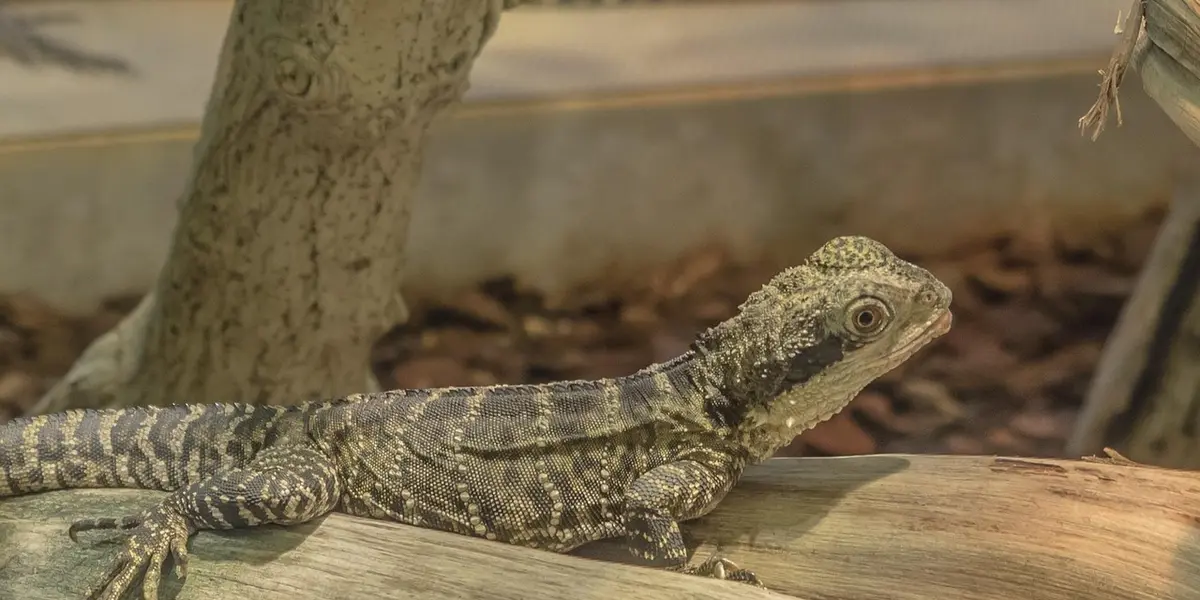
Spot cleaning is your daily defense against mess and odor in your gecko’s home. By removing waste promptly, you prevent bacteria buildup and keep the enclosure smelling fresh for your pet. I do this every day with my crew-like Griffey, who always seems to “pose” right where he poops, making it easy to find and remove. In a gecko hygiene guide, you’ll see how spot cleaning pairs with a periodic full tank clean-out for deeper sanitation and long-term enclosure health.
For daily routines, simply check for feces and urates. Use a small scoop or paper towel to lift them out. Weekly, I take five extra minutes to wipe down any soiled decor or glass with a damp cloth. This stops stubborn stains and keeps things tidy without a full overhaul.
Upgrade to a full substrate change if you spot mold, a persistent foul smell, or the bedding looks heavily soiled. With A-Rod, my fat-tailed gecko, I change everything if the substrate feels damp or clumpy, since he’s prone to stress in dirty spaces. Mold is a red flag-it can harm your gecko’s respiratory health, so don’t wait.
Here’s a quick checklist for effective spot cleaning during your routine checks:
- Inspect all corners and under hides for waste.
- Use a dedicated tool, like a mini shovel or tongs, to remove solids.
- Wipe affected areas with water or a reptile-safe disinfectant if needed.
- Check humidity levels to prevent future mold or odor issues.
Step-by-Step Guide to Changing Your Gecko’s Substrate Safely
Changing substrate doesn’t have to be stressful for you or your gecko. Following these steps ensures a clean, safe habitat without risking your pet’s health. If you’re aiming to create a naturalistic, bioactive substrate for your gecko, these steps still apply. A naturalistic setup can support beneficial microfauna and more natural behaviors for your pet. I’ve done this countless times with my geckos, and a calm approach makes all the difference.
- Gently move your gecko to a temporary habitat with a hide and familiar items to reduce anxiety.
- Remove and discard all old substrate-bag it up to avoid spills or contamination.
- Disinfect the empty enclosure using a safe product like diluted white vinegar or a reptile-specific cleaner.
- Rinse every surface thoroughly with water to eliminate any chemical residues that could irritate your gecko.
- Add a fresh layer of substrate, ensuring it’s the right depth and type for your gecko species.
- Return your gecko to its clean home, and observe for any signs of stress as it readjusts.
Stick to reptile-safe cleaning products to avoid toxins. I always rinse twice after disinfecting-Babe, my day gecko, once avoided his basking spot until I learned to rinse better! Vinegar works well for me, but commercial reptile cleaners are also reliable if used as directed.
To minimize stress, I use a small plastic container with air holes as a temporary home. Adding a branch or toy from the main tank helps-Mookie, my gargoyle gecko, stays calm when he has something to climb on during the process. Keep handling gentle and brief, and your gecko will settle back in quickly. When you notice signs of stress, it’s essential to know how to calm a stressed gecko using effective techniques and environmental fixes.
Recognizing When It’s Time for a Substrate Change
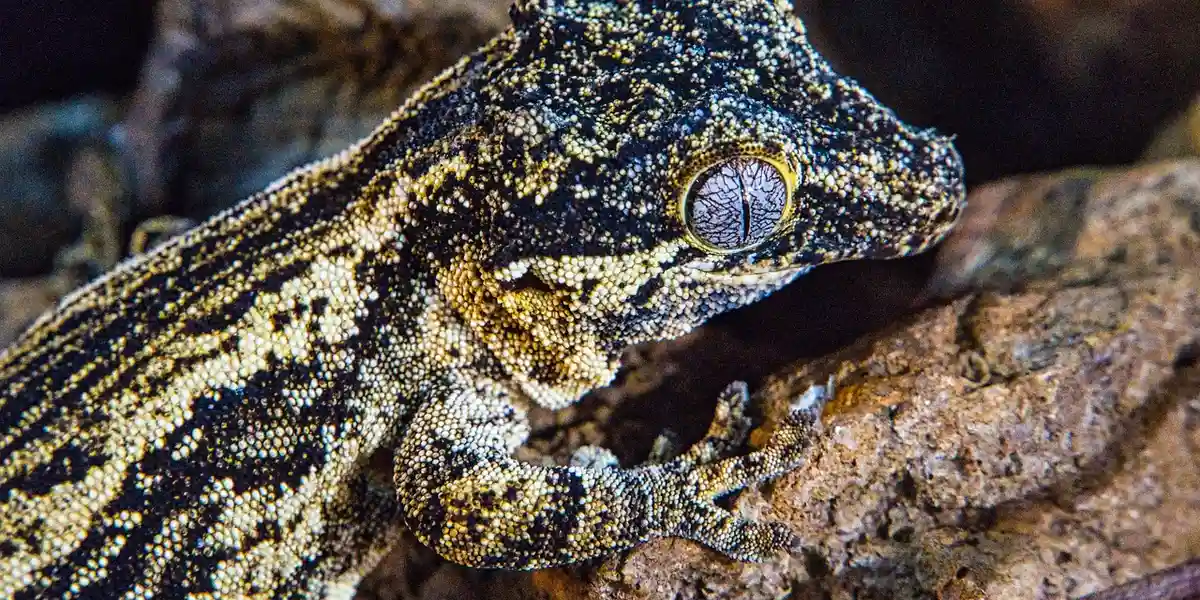
Your nose and eyes are your best tools for knowing when a full substrate change is due, even before the calendar tells you. A healthy gecko enclosure should not have a persistent, foul odor; a lingering sour or ammonia smell is a red flag that waste is breaking down and needs to be removed. Visually, look for patches of white or green fuzzy mold, which thrives in damp, soiled conditions. Damp spots that don’t dry out are a breeding ground for bacteria.
Your gecko’s behavior will also give you major clues. I noticed my leopard gecko, Griffey, became less active and more reclusive when his substrate was past its prime. A sudden lack of appetite or unusual lethargy can often be linked to poor air quality or stress from a dirty environment. These stress signals tied to the gecko’s environment—temperature, humidity, lighting, and substrate quality. By adjusting enclosure conditions, you can often relieve the stress and see more natural behavior. If your gecko is constantly trying to climb the glass walls instead of exploring the floor, it might be trying to escape an uncomfortable substrate.
I perform a quick five-minute hygiene check every other day when I feed my geckos. This simple routine involves scanning for feces, removing any soiled substrate with a spoon, and pressing a clean paper towel against the substrate to check for hidden moisture. Catching these small issues early prevents them from becoming big, smelly problems that require a full, emergency tank breakdown. That same diligence applies to cleaning your gecko tank properly. On deeper cleans, replace substrate, wipe all surfaces, and sanitize the enclosure with reptile-safe products.
Best Substrate Practices for Different Gecko Types
Geckos come from vastly different environments, and their substrate needs reflect that. Using the wrong substrate is one of the fastest ways to create health issues, from respiratory infections to deadly impaction. Arid species like leopard and fat-tailed geckos need dry, desert-like flooring, while tropical species like crested and day geckos require moisture-retaining substrates to maintain humidity, which is crucial for their health. Different substrates impact humidity levels and overall health.
Impaction, where a gecko’s digestive tract gets blocked by ingested material, is a serious risk with loose substrates. You can drastically reduce impaction risk by using larger substrate pieces that are difficult to swallow or by opting for solid substrates like tile or paper towel, especially for juveniles. Always feed your gecko in a dish to minimize the chance of them grabbing a mouthful of substrate along with their crickets.
When it’s time to dispose of the old substrate, be kind to the planet. I use biodegradable paper-based or coconut fiber substrates and compost them in my garden, avoiding any soiled with chemical cleaners. For non-compostable substrates, seal them in a bag before putting them in the trash to prevent any potential spread of pathogens. Never flush substrate down the toilet.
Leopard Gecko Substrate Maintenance
For my leopard gecko, Griffey, I stick to a simple and safe routine. I perform a full substrate change every single month, without fail, to ensure his dry environment stays pristine. In between, I do a thorough spot-cleaning every week, removing any waste and disturbed substrate. This answers the common question, “how often should I change my leopard gecko’s substrate?”-think monthly for a full swap, weekly for touch-ups.
If you’re worried about impaction, there are excellent alternatives to loose substrates. Using slate or ceramic tile provides a solid, easy-to-clean surface that also helps file down your gecko’s nails naturally. Paper towel is another fantastic, ultra-safe option, especially for quarantine enclosures or for owners who want the absolute simplest maintenance routine.
Crested Gecko and Tropical Species Care
My crested gecko, Jeter, lives in a humid world, and his substrate is key to maintaining it. Because moisture-retaining substrates like coconut fiber or sphagnum moss can harbor bacteria, I change his substrate more frequently-every three to four weeks. This directly answers “how often to change crested gecko substrate” and helps prevent mold and mildew from taking hold in the damp environment.
I’ve found the most efficient method is to combine substrate changes with overall enclosure maintenance. When I remove Jeter’s old substrate, I also take the time to thoroughly wipe down the glass, clean his decor, and trim his live plants. This holistic approach ensures his entire habitat gets a fresh start, making the extra effort feel more productive and beneficial for his health.
FAQs
Can I extend the time between substrate changes by spot cleaning more often?
Yes, diligent spot cleaning can reduce the need for full changes by promptly removing waste and preventing buildup.
What should I do if my gecko shows signs of stress after a substrate change?
Minimize handling and ensure the enclosure has familiar items to help your gecko acclimate comfortably to the new substrate. Choosing the right substrate for your gecko’s enclosure helps with safety and comfort. When selecting, consider your gecko’s species, humidity requirements, and shedding needs.
How does enclosure size influence substrate change frequency?
Larger tanks may require less frequent full changes due to better waste dispersion, but always monitor for localized soiling.
The Clean Bottom Line
Ultimately, your substrate change schedule boils down to the type of bedding you use, your specific gecko species, and the unique conditions inside their home. Spot clean daily, do a full change for loose substrates every 4-6 weeks, and replace non-loose options like tile or shelf liner as needed during deep cleans.
Your gecko relies entirely on you for a healthy habitat, so staying observant and proactive is the very best care you can provide. Never stop learning and adapting your routine as your scaly friend grows and thrives under your watchful eye. Consider adding target training as a fun bonding activity that also simplifies health checks. When your gecko learns to follow a target, routine health checks become a quick, low-stress part of daily care.
Further Reading & Sources
- Crested Gecko Help | Geckos Unlimited
- r/leopardgeckos on Reddit: How often do you change your topsoil/sand substrate?
- Leopard gecko loose substrate. | Our Reptile Forum
The Gecko Guide is your ultimate resource for gecko enthusiasts, providing expert advice and practical tips to ensure the health and happiness of your scaly companions. Alexander is a passionate gecko owner with over a decade of experience in reptile care. We are dedicated to offering accurate, up-to-date information to support your gecko journey.Our mission is to foster a community of responsible gecko owners who are passionate about the well-being of these fascinating creatures.
Substrate & Flooring Options