
How Often to Feed Your Crested Gecko: A Simple Feeding Schedule
Published on: October 9, 2026 | Last Updated: October 12, 2026
Written By: Alexander 'Gecko Geek' Johnson
Figuring out how often to feed your crested gecko can feel like a puzzle, leaving you worried about underfeeding or the dangers of overfeeding. I’ve been there, staring at my gecko Jeter, wondering if his round belly was a sign of health or a problem.
I’m going to clear up the confusion for you. We’ll walk through the simple factors that determine your gecko’s feeding schedule, so you can provide the perfect meals with confidence.
Here are the three key takeaways we’ll cover:
- The primary factor that changes how often you feed: your gecko’s age.
- How to choose between commercial diets and live insects for a balanced meal plan.
- Simple visual cues to know if your feeding schedule is working perfectly.
You will walk away with clear, actionable advice you can start using today. This article covers: age-specific schedules, staple food options, mixing diets, portion sizes, and troubleshooting common feeding problems.
Crested Gecko Feeding Frequency by Age
Just like a growing teenager versus a settled adult, your crested gecko’s dietary needs change dramatically with age. Getting this schedule right is the single biggest factor in promoting healthy growth in youngsters and preventing obesity in mature geckos. From juvenile to adult, crested geckos need a clear transition plan. This is the kind of practical guidance you’ll find in a juvenile-to-adult transition guide for crested gecko care. I learned this firsthand watching my own gecko, Jeter, transition from a ravenous juvenile to his current calm, measured eating habits as an adult.
Here’s a quick comparison to show the core differences at a glance:
| Age Group | Feeding Frequency | Primary Goal |
|---|---|---|
| Juvenile (0-12 months) | Daily | Fuel rapid growth and development |
| Adult (12+ months) | Every 2-3 days | Maintain weight and overall health |
Juvenile Crested Geckos: The Daily Diners
Baby and juvenile crested geckos are little eating machines, and for good reason. Their bodies are working overtime to build bone, muscle, and tissue, requiring a constant supply of nutrients. I remember Jeter as a youngster; he would practically vibrate with excitement when I brought his food dish, a stark contrast to his current dignified approach. Do crested gecko hatchlings eat the same foods as adults? If you’re wondering, here’s a complete feeding guide for hatchlings.
Follow these steps for successful daily feeding:
- Offer a fresh diet every single evening. Crested geckos are nocturnal, so they expect food after lights-out.
- Provide a portion about the size of their head. This is a great visual guide to prevent overfilling the dish.
- Remove any uneaten food the next morning. This keeps the enclosure clean and prevents bacterial growth.
- Weigh them once a week. You should see a steady, gradual increase. A digital gram scale is perfect for this.
Adult Crested Geckos: The Every-Few-Days Eaters
Once your gecko reaches adulthood, their metabolism slows down. Continuing a daily feeding schedule is a fast track to an overweight, unhealthy pet. A chubby gecko might look cute, but it puts immense strain on their joints and organs.
You have a couple of good options for feeding adults:
- Option 1: The Every-Other-Day Plan. Offer a fresh prepared diet on Monday, Wednesday, and Friday. This is Jeter’s preferred schedule; he knows the routine and is always waiting.
- Option 2: The Three-Times-Weekly Plan. Offer food on Monday, Thursday, and Sunday. This works well for less active geckos.
Portion control remains critical-a lump of diet the size of their head is still the perfect amount. If the food is always completely gone, you can offer a slightly larger portion. If there’s consistently leftover, scale it back a bit.
Creating a Balanced Feeding Schedule
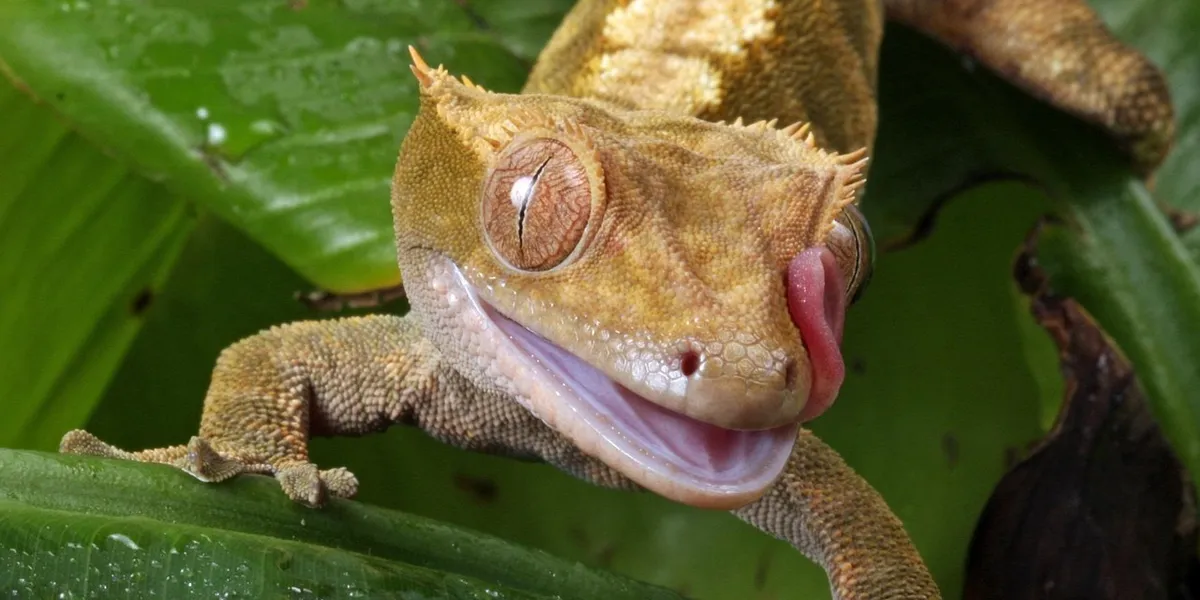
Consistency is comforting for crested geckos. Setting a predictable weekly schedule reduces their stress and makes your life easier. A balanced diet for an adult gecko isn’t just about the powdered food; it includes live insects for enrichment and extra protein. A diversifying diet guide can help you select 10 safe feeder insects for geckos. It also supports rotating prey to keep meals interesting and nutritious.
Here is a sample weekly schedule I use for my adult geckos. You can adjust the days to fit your life, but try to keep the pattern the same.
- Monday Evening: Offer a fresh dish of commercial crested gecko diet (like Pangea or Repashy).
- Tuesday Evening: No food. This is a digestion day.
- Wednesday Evening: “Bug Night!” Offer 4-6 appropriately sized, gut-loaded crickets or dubia roaches.
- Thursday Evening: Offer the commercial diet again.
- Friday Evening: No food.
- Saturday Evening: Commercial diet.
- Sunday Evening: No food.
This rotation provides variety and ensures they get all the necessary nutrients from different sources. Always dust your insects with a calcium supplement before feeding. For juveniles, you would follow this same pattern but offer a small amount of the commercial diet on the “no food” evenings to support their daily growth needs.
Best Foods and Essential Supplements
Feeding your crested gecko isn’t just about what you offer, but how you prepare it. A well-rounded diet is your number one tool for preventing health issues and ensuring a long, vibrant life. From my own crew, I’ve seen firsthand how the right nutrition can turn a shy gecko into an active, confident explorer. It’s important to understand the nuances between freshly prepared diets and live insects to make the best choice for your pet.
Commercial Diets vs. Live Insects
You have two main paths for feeding: prepared diets and live prey. I use a mix of both to keep my geckos engaged and nutritionally covered. Curious if your pet geckos’ diets are truly complete? A complete feeding guide by species can help tailor diets to ensure all nutritional needs are met.
- Commercial Gecko Diets (Like Pangea or Repashy): These are complete, powdered meals you mix with water. They are incredibly convenient and formulated with vitamins and minerals. My crested gecko, Jeter, goes absolutely wild for the “Crested Gecko Diet” with insects flavor.
- Live Insects (Like Crickets and Dubia Roaches): These provide essential enrichment and protein. Crickets are a classic, but Dubia roaches are a fantastic, quieter alternative that are less likely to bite your gecko.
The best approach is variety. I offer a commercial diet as their staple food three times a week and provide a few gut-loaded insects as a weekly treat. This mimics their natural foraging behavior and keeps mealtime exciting.
Supplement Use for Health
Supplements are non-negotiable for preventing metabolic bone disease and other deficiencies. Here is my simple, effective routine.
- Calcium with D3: Lightly dust all live insects with a calcium powder that includes D3 right before feeding. D3 helps them absorb the calcium, which is vital for strong bones.
- Multivitamin: Once a week, I use a multivitamin powder instead of the calcium. This covers all the other essential nutrients they need.
- Rotation is Key: I keep a small calendar note to alternate between calcium and multivitamin weeks. This simple rotation prevents the risk of over-supplementing any single nutrient.
Portion Sizes and Recognizing Feeding Cues
Figuring out how much to feed is less about strict measurements and more about observing your gecko. Their body condition and behavior will tell you everything you need to know. This awareness also helps you spot common gecko feeding problems and solve them, such as overfeeding or underfeeding. With simple adjustments to portions and schedules, you can keep your gecko thriving.
For commercial diets, I offer a bottle cap-sized amount of the mixed paste. For insects, a good rule is to offer 3-5 appropriately sized bugs per feeding session. The insect should be no larger than the space between your gecko’s eyes. How much to feed a leopard gecko can vary with age and size, but these leopard gecko feeding guidelines are a solid starting point. Always adjust based on appetite and body condition to prevent over- or underfeeding.
- Signs of Hunger: Your gecko will become more active and alert at dusk, its normal feeding time. You might see it licking the air or glass, a behavior I call “scanning for snacks.” Jeter will often perch at the front of his terrarium, watching me intently.
- Signs of Overfeeding: A gecko that is consistently leaving food uneaten is likely being offered too much. Watch for a visibly round, bulging belly or a gecko that becomes lethargic. A healthy crested gecko should have a plump tail but a sleek body.
I learned this the gentle way with Jeter. After a few weeks of him consistently ignoring a few crickets, I scaled back the number. His energy levels improved, and he now eagerly hunts the one or two roaches I offer.
Feeding Equipment and Setup Tips
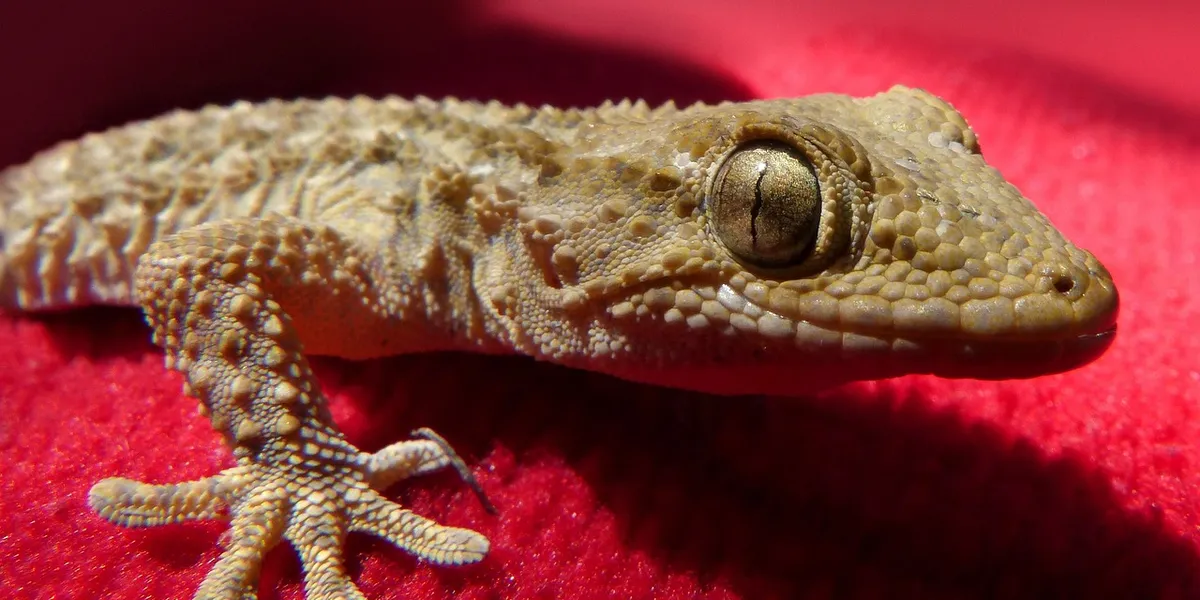
Getting the right setup makes mealtime smoother for you and your gecko. I learned this the hard way after Jeter, my Crested Gecko, kept tipping over his first dish during his nightly acrobatics.
Choosing the Right Food Dish
Not all feeding cups are created equal. Here are the types I’ve tested:
- Magnetic Ledges: These are my top choice. They attach securely to the glass, staying put even during the most enthusiastic feeding frenzies.
- Standard Reptile Food Cups: These are affordable and work fine if placed on a stable, flat surface on the tank floor.
- Suction Cup Dishes: A good middle-ground option, but the suction can fail over time, leading to a messy “dish drop.”
Placement and Hygiene are Everything
Where you put the food is just as important as what you put in it.
- Elevate It: Place the dish on a magnetic ledge high up in the enclosure. Cresties are arboreal and feel more comfortable eating at their preferred height.
- Keep it Clean: Wash the food dish with hot water and a reptile-safe disinfectant every single time you replace the food. This prevents dangerous bacterial growth.
- Easy Access: Ensure the dish is in a clear, accessible spot, not hidden behind dense foliage. Jeter, for instance, has his ledge positioned right on his favorite climbing branch for a convenient pit stop.
Special Feeding Situations
Sometimes, your gecko’s dietary needs will change. Recognizing these moments is a key part of responsible ownership. When this happens, transition your gecko to a new diet safely and gradually. Monitor their response and adjust as needed. Here’s what to adjust in common special cases.
- Breeding Females: A female producing eggs needs a major nutritional boost. I offer food daily and always ensure her CGD is heavily dusted with a calcium supplement to support eggshell development and prevent life-threatening calcium deficiency.
- Underweight Geckos: If your gecko is too skinny, offer their primary CGD diet every night. You can occasionally mix in a little bit of banana or mango baby food for extra calories, but use this sparingly.
- Illness or Recovery: A sick gecko often loses its appetite. Offer smaller, more frequent portions of a slightly watered-down CGD mix to make it easier to lick up and stay hydrated. Critical care formulas from a vet can be a lifesaver.
- Juveniles (Under 1 Year): These little ones are growing machines! They should have access to a fresh dish of CGD every single night to support their rapid development.
FAQs
What is a crested gecko feeding chart?
A crested gecko feeding chart is a simple visual guide that summarizes recommended feeding frequencies and portion sizes based on your gecko’s age and life stage.
Are magnetic feeding ledges safe for crested geckos?
Yes, magnetic feeding ledges are safe and ideal as they securely attach to glass enclosures, preventing spills and allowing your arboreal gecko to eat at a comfortable height.
What type of feeding dish is best for crested geckos?
The best feeding dishes are small, shallow, and easy-to-clean containers that can be placed on a magnetic ledge or stable surface to accommodate their climbing habits.
Can I use feeding cups for my crested gecko’s diet?
Yes, feeding cups are perfectly suitable for holding prepared crested gecko diet mixes, especially when secured with magnets or placed on a flat surface to avoid tipping.
What should be included in a crested gecko feeding kit?
A complete feeding kit typically contains a food dish, commercial powdered diet, calcium and multivitamin supplements, and tools for mixing and serving food.
Final Feeding Schedule for Your Crested Gecko
To keep your crestie thriving, stick to feeding juveniles daily and adults every other day with a complete powdered diet like CGD. Always remove uneaten fresh food within 24 hours and provide a shallow water dish, adjusting portions based on your gecko’s body condition and activity level.
Your gecko’s health is a direct reflection of your care. Commit to being an observant owner, watch for subtle changes in weight and behavior, and never stop learning about their fascinating needs. Target training your gecko is a fun way to bond with them while simplifying health checks, since trained cues make it easier to spot changes. With gentle rewards and patience, you’ll build trust and keep wellness routines enjoyable. A well-cared-for gecko is a joyful and rewarding companion for years to come.
Further Reading & Sources
- r/CrestedGecko on Reddit: Food schedule advice?
- Crested Gecko Complete Food Guide – Zen Habitats
- How Much Should I Feed My Crested Gecko? – Pangea Reptile LLC
The Gecko Guide is your ultimate resource for gecko enthusiasts, providing expert advice and practical tips to ensure the health and happiness of your scaly companions. Alexander is a passionate gecko owner with over a decade of experience in reptile care. We are dedicated to offering accurate, up-to-date information to support your gecko journey.Our mission is to foster a community of responsible gecko owners who are passionate about the well-being of these fascinating creatures.
Feeding Schedules & Portions