
Leopard Gecko Mites: How to Spot & Treat an Infestation
Published on: December 31, 2025 | Last Updated: December 31, 2025
Written By: Alexander 'Gecko Geek' Johnson
Seeing tiny black or red specks crawling on your leopard gecko or around its eyes can send any owner into a panic. I’ve been there with my own gecko, Griffey, and I know how alarming it is to see your pet in distress. Mites are more than a nuisance; they are a genuine health risk that needs immediate attention.
You are not alone in this, and I’m here to help you navigate it. This guide will walk you through everything, from confirming you have mites to getting your pet and its home completely clean and safe again.
- How to accurately identify the signs of a mite problem on your gecko and in its enclosure.
- A safe, step-by-step process to treat your gecko and eradicate mites from its terrarium for good.
- Proactive, easy habits to prevent a mite infestation from ever happening again.
By the end of this guide, you’ll have a clear, actionable plan. We will cover: signs of mites, step-by-step treatment, cleaning the enclosure, and long-term prevention. Let’s get your scaly friend back to full health.
Spotting the Signs: How to Recognize a Mite Infestation
Mites are tiny, but the problems they cause are huge. Early detection is your best weapon for a quick and successful recovery.
- Visual symptoms: Look for tiny moving dots, often red or black, scurrying across your gecko’s skin. You might also see skin irritation, tiny red bite marks, or a dusty appearance. Eye issues, like persistent squinting or swelling, are also major red flags.
- Behavior changes: An infested gecko will often itch and rub against objects constantly. They become lethargic, lose interest in food, and frequently have trouble shedding their skin completely.
- Personal anecdote: My African Fat-Tail, A-Rod, is naturally a bit territorial, but I noticed it became much worse. He was constantly agitated, flicking his tail and refusing to eat. Once I looked closer, I saw the mites gathered in the skin folds near his legs.
| Normal Behavior | Infested Behavior |
|---|---|
| Alert and active, especially at dusk/dawn | Lethargic, hides constantly, lacks energy |
| Eats regularly and with enthusiasm | Refuses food or has a greatly reduced appetite |
| Sheds skin in one clean piece | Has patches of stuck shed, especially on toes and tail |
| Occasionally scratches or rubs | Frequent, frantic scratching and rubbing on décor |
Visual Clues You Can’t Miss
You need to become a detective. Mites love warm, dark, and tight spaces on your gecko’s body.
- Gently check the skin folds under the arms, around the neck, and at the base of the tail.
- Look very carefully around the eyes and under the jawline.
- Using a magnifying glass can help you spot the tiniest mites, which might just look like specks of pepper that move.
Behavioral Red Flags
Your gecko will tell you something is wrong through its actions. A sudden shift in personality is often the first sign of a health issue.
- Frequent scratching is a big one. If your gecko is constantly rubbing against rocks or hides, pay attention.
- Hiding more than usual and a general loss of tail condition or body weight are serious concerns.
- I saw this with my Gargoyle gecko, Mookie. His playful leaping bursts completely stopped. He became sluggish and just sat on one branch all day, which was totally unlike him.
Step-by-Step Treatment: Eradicating Mites Safely
Once you confirm mites, you need a solid plan. A methodical approach ensures you kill the mites without harming your pet.
- Isolation procedures: Immediately move the infected gecko to a separate, simple quarantine enclosure. This stops the mites from spreading to other pets.
- Enclosure sanitation: The main terrarium must be completely emptied. Remove all substrate and décor. Scrub every surface with a reptile-safe disinfectant.
- Reptile-safe treatments: Treatments like gentle mite dips and specific topical applications can be effective. I always consult my vet for the best product for my gecko’s species.
- Place your gecko in the quarantine tank.
- Soak a paper towel in a shallow, lukewarm water bath for 15 minutes to help hydrate their skin.
- Apply the vet-recommended treatment exactly as directed.
- Offer fresh water and a small, easy-to-eat meal.
- Repeat the cleaning of the main enclosure to ensure no mites survive.
Isolation and Quarantine Setup
This temporary home is for safety and simplicity. A bare-bones setup makes monitoring your gecko and spotting mites much easier. Also consider household hazards to make the enclosure safer. Keep cords secured and objects out of reach.
- Use a simple plastic tub or spare tank with a secure lid.
- Line the bottom with plain paper towels, which are cheap and easy to change daily.
- Include only a simple hide and a shallow water dish. Dispose of any contaminated items from the original cage to prevent reinfestation.
Applying Effective Treatments
Using treatments correctly is non-negotiable. Your gecko’s safety depends on you following instructions to the letter. This guide highlights the 10 most common preventable gecko health mistakes. By understanding them, you can keep your pet healthier and avoid costly errors.
- I use reptile-specific mite sprays or create a mild mite dip following my vet’s precise recipe. The gecko is briefly immersed in the solution, ensuring the head stays above water.
- I strongly caution against home remedies like oils or soaps without vet approval. They can clog pores, cause respiratory distress, or even be toxic. When in doubt, call a professional.
When to Call the Vet: Severe Cases and Professional Help
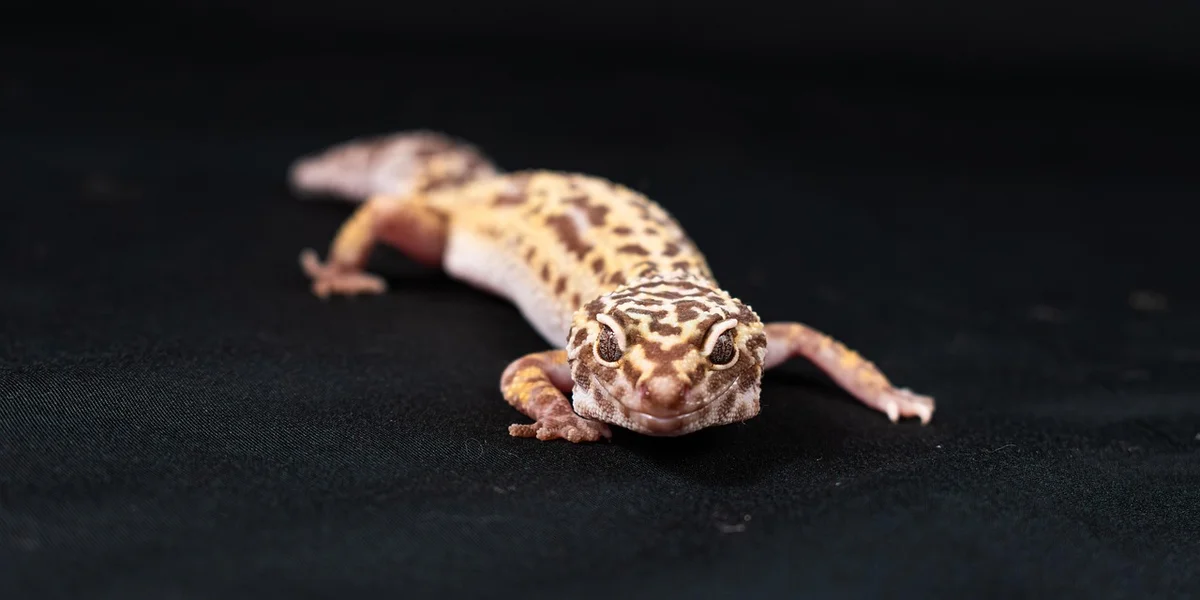
You can handle many mite problems at home, but sometimes you need to call in the professionals. Knowing when to seek help is a critical part of responsible gecko ownership. For additional guidance, consult the ultimate gecko health troubleshooting checklist, a step-by-step diagnostic guide. It helps you diagnose issues quickly and decide when to seek professional help.
- Identify when home treatment fails: If you’ve done multiple deep cleans and your gecko still has mites, it’s time. Watch for severe skin damage like raw patches, intense eye irritation causing squinting, or a gecko that remains persistently lethargic and refuses food.
- Discuss prescription medications and vet procedures: Vets have access to stronger, prescription-strength miticides that are safe for reptiles. They might administer a direct treatment and can perform procedures like flushing impacted eyes or providing fluid therapy for a dehydrated gecko.
- Share a time when one of your geckos needed vet care for mites: My gecko, Griffey, once had a stubborn case where mites got into the tiny skin folds around his eyes. My home treatments weren’t enough, and he started keeping his eyes closed. The vet safely applied a reptile-safe miticide and showed me how to properly clean the sensitive area. That visit made all the difference.
Signs You Need Immediate Assistance
Some symptoms are major red flags. Do not delay veterinary care if you see any of the following signs in your leopard gecko. Recognizing these warning signs helps you know when your gecko needs to see a vet immediately. If you’re ever unsure, contact a reptile-savvy veterinarian promptly.
- Open sores or raw, bleeding skin from constant scratching.
- Significant, rapid weight loss as the infestation saps their energy.
- Tail loss, which is a sign of extreme stress and a compromised immune system.
Understanding the Cause: How Do Leopard Geckos Get Mites?
Mites don’t just appear out of thin air. They are almost always introduced from an outside source, hitching a ride into your gecko’s home.
- Explain common sources: The most common way is by bringing home a new pet without a proper quarantine period. Contaminated substrate, like bagged bedding from an infected facility, is another culprit. Even used hides, tools, or your own hands can transfer mites after handling an infested animal.
- Describe the mite life cycle in simple terms: Adult mites latch onto your gecko to feed and lay eggs in the environment. These eggs hatch into larvae, which grow into nymphs, and then become egg-laying adults. This cycle can repeat every couple of weeks, causing a population explosion.
- Use an analogy, like “mites hitchhike on new decorations.” Think of mites as tiny, unwanted hitchhikers. They grab onto new decorations, plants, or even the packaging of supplies and wait for a free ride into your terrarium.
Common Infestation Pathways
Understanding how mites travel helps you build a better defense. A single lapse in protocol can lead to a full-blown infestation.
- Detail how mites spread in multi-pet households or through poor hygiene: If you have multiple reptile enclosures, mites can spread via shared tools, on your hands and clothes, or through airborne transfer if tanks are close. Poor hygiene, like not washing hands between handling different pets, is a fast track for trouble.
- Mention personal experience with introducing new geckos without quarantine: I learned this lesson the hard way early on. I was so excited to introduce a new gecko that I skipped the recommended quarantine. Within a week, both my established gecko and the new one were scratching. That one mistake taught me that a strict quarantine is non-negotiable.
Prevention and Long-Term Care: Keeping Mites Away
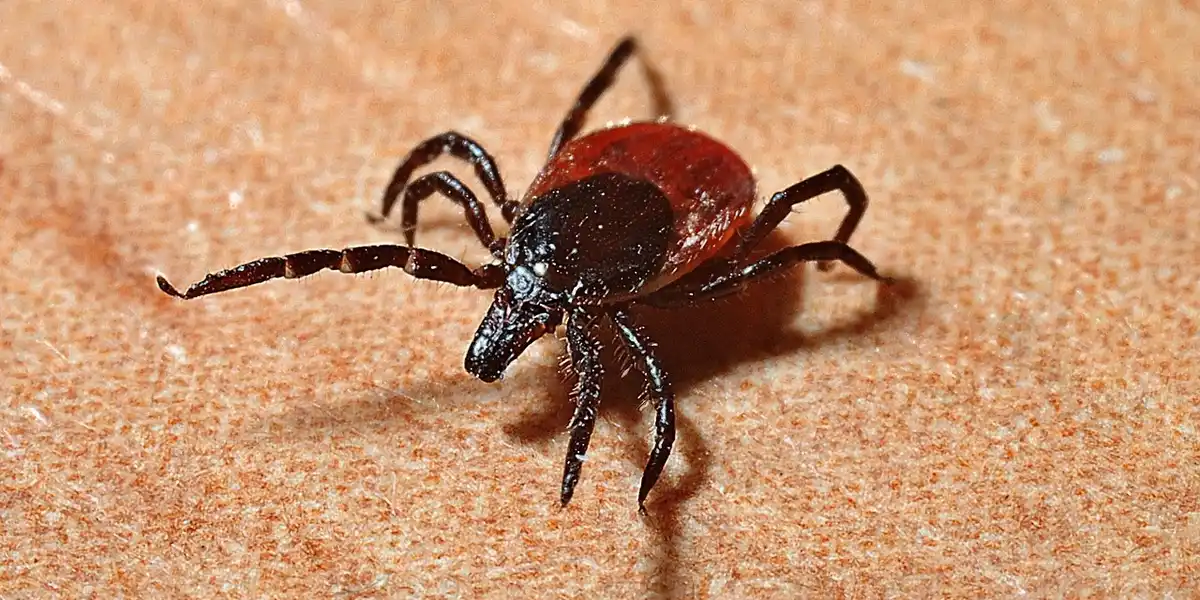
Stopping mites before they start is the absolute best medicine for your gecko. Consistent, simple habits are your strongest defense against these persistent pests. I learned this the hard way early on, and now my routine is non-negotiable for the health of my entire crew—right alongside things like regular training sessions to make health checks easier.
Routine Monitoring and Enclosure Maintenance
I treat weekly habitat checks like a mini-physical for my geckos. Every Sunday, I take a few extra minutes during feeding time to really look them over. Regular check-ups help me monitor their health and catch issues early. It’s all part of keeping a close eye on their wellbeing over time.
- Gently check the skin folds around their neck, legs, and vent area with a magnifying glass.
- Look for any unusual black or red specks that move, or any persistent, gritty-looking debris.
- Examine their eyes for any swelling or irritation, a common sign of discomfort.
For enclosure cleaning, I stick to a strict schedule. A clean tank is a happy, mite-resistant tank, and it doesn’t have to be a huge chore. Here is the simple system I use for my leopard gecko, Griffey:
- Daily: Spot clean waste and uneaten food.
- Weekly: Remove and disinfect all hides and décor with a reptile-safe cleaner or a vinegar solution. Replace the water dish with a clean one.
- Monthly: Do a full substrate change and give the entire empty enclosure a thorough scrub-down.
Building a Mite-Resistant Environment
Think of your gecko’s home as a fortress. Good husbandry builds strong walls, and smart habits guard the gate. Proper humidity management is a critical part of making your enclosure uninviting to mites. Mites thrive in damp, dirty conditions. For a leopard gecko, I keep the humidity between 30-40%, which is perfect for their skin and bad for mites.
The single most important rule I follow is a strict quarantine for any new animal. My gecko A-Rod came to me with a hidden mite problem, and it taught me a vital lesson.
- Quarantine new arrivals for a minimum of 30 days in a separate room, using completely separate feeding and cleaning tools.
- Never share hides, décor, or handling equipment between enclosures without disinfecting them first.
- Always wash your hands thoroughly before and after handling different geckos.
Ultimately, a stressed or unhealthy gecko is more susceptible to parasites. Consistent temperatures, a proper diet, and minimal stress are the bedrock of your gecko’s immune system. Chronic stress can chronically elevate cortisol, dampening immune responses and increasing parasite risk. A strong gecko in a clean home is your best long-term strategy for a mite-free life.
FAQs
How long does it typically take to fully eradicate a mite infestation?
It usually takes several weeks of consistent treatment and thorough enclosure cleaning to completely eliminate mites and prevent reinfestation.
Can leopard gecko mites spread to humans or other household pets?
Leopard gecko mites are species-specific and rarely affect humans or other pets, but they can cause minor skin irritation if they come into contact with people.
What should I do if my gecko stops eating during a mite infestation?
Consult a veterinarian immediately, as loss of appetite can indicate severe stress or secondary health issues that require professional care.
Final Words
Successfully tackling a mite problem comes down to three actions: identifying the tiny black or red pests, isolating your gecko in a simple hospital tank, and meticulously cleaning every item in the primary enclosure. Consistent treatment with reptile-safe products and patience will clear the infestation, allowing your pet to return to a pristine and healthy home.
The best treatment, however, is always prevention through vigilant observation and maintaining a clean habitat. Regularly cleaning and refreshing substrate, providing proper humidity and temperature, ample hiding spots, and clean water helps prevent common gecko illnesses through proper habitat setup. A well-planned enclosure is your first line of defense against infections, parasites, and other health issues. Your commitment to learning and providing excellent care is what truly makes you a fantastic gecko owner, ensuring a long, happy, and mite-free life for your scaly friend.
Further Reading & Sources
- Mite Infestations in Leopard Geckos – Prevention and Control – Leopard Gecko
- r/leopardgeckos on Reddit: Umm please help there’s a bunch of little bugs crawling around all over my geckos enclosure. They look like they came from my meal worm farm!! What do I do??
- r/reptiles on Reddit: Leopard gecko mites :((
The Gecko Guide is your ultimate resource for gecko enthusiasts, providing expert advice and practical tips to ensure the health and happiness of your scaly companions. Alexander is a passionate gecko owner with over a decade of experience in reptile care. We are dedicated to offering accurate, up-to-date information to support your gecko journey.Our mission is to foster a community of responsible gecko owners who are passionate about the well-being of these fascinating creatures.
Gecko Health