
Where Do Geckos Live in the Wild?
Published on: January 19, 2026 | Last Updated: January 19, 2026
Written By: Alexander 'Gecko Geek' Johnson
If you’ve only ever seen a gecko in a terrarium, you might be picturing a single, simple habitat-but the reality is a spectacular global tour of adaptation and survival. From steamy rainforest canopies to harsh, arid deserts, these resilient lizards have carved out niches in some of the planet’s most extreme environments.
I’ve learned so much about their natural behaviors by observing my own crew, and it’s given me a deep appreciation for their wild cousins. I’ll help you understand it all by breaking down the key takeaways.
- Geckos are found on every continent except Antarctica, thriving in an incredible range of climates.
- Their specific habitat-be it desert, rainforest, or rocky outcrop-directly shapes their body, color, and behavior.
- Understanding their wild origins is the first step to providing exceptional care in your own home.
You will get a clear, easy-to-follow guide to the amazing world of wild geckos.
We will cover: Gecko Distribution, Desert Dwellers, Tropical & Rainforest Species, Temperate & Rock-Dwelling Geckos, Nocturnal vs. Diurnal Lifestyles, Key Survival Adaptations
Geckos in Tropical Rainforests: Life in the Canopy and Understory
Stepping into a tropical rainforest is like entering a different world, and for many geckos, it’s home. The air is thick and humid, and life thrives in layers. My Crested Gecko, Jeter, embodies this world perfectly. He spends his nights navigating the vertical landscape of his terrarium, a tiny replica of his ancestors’ home.
Life in the high canopy is for the agile and the sticky-fingered. Geckos like Crested Geckos and Giant Day Geckos are masters of this realm. Their specialized toe pads, covered in microscopic hairs called setae, allow them to scale sheer leaves and slick branches with ease. My Giant Day Gecko, Babe, fearlessly sprints across the glass of his enclosure-a direct display of that incredible wild adaptation.
- Canopy Dwellers: Crested Geckos, Gargoyle Geckos, and Giant Day Geckos live high up, rarely touching the ground.
- Key Adaptations: Padded toes for gripping, prehensile tails for extra balance, and bodies built for climbing and leaping.
- Their Day: They hide in tree hollows or dense foliage during the day, emerging at dusk to hunt for insects, nectar, and soft fruit.
Just below the sun-drenched canopy lies the understory, a dimmer, more cluttered world. This is where you’ll find species like the Leopard Gecko and the African Fat-Tailed Gecko. They are the ground crew, the forest floor foragers. My A-Rod, an African Fat-Tailed Gecko, is a perfect example; he’s a master of hiding under leaf litter and within rock crevices.
- Understory Experts: Leopard Geckos and African Fat-Tailed Geckos prefer the shelter of the forest floor.
- Key Adaptations: They lack sticky toe pads, having claws instead for digging and navigating rough terrain. They are primarily nocturnal.
- Their Night: They emerge from hides at night to hunt, using their exceptional smell and hearing to track down prey in the dark.
Desert and Arid Region Dwellers: Surviving in Dry Climates
Now, let’s travel to the opposite extreme. Desert habitats are harsh, defined by scorching days, cold nights, and a profound lack of water. Surviving here requires a completely different set of rules. My Leopard Gecko, Griffey, shows these desert-born traits every day, from his love of a warm basking spot to his efficient, water-conserving physiology.
Geckos in arid regions are masters of conservation and evasion. The blistering sun is their greatest enemy. To avoid being cooked, they are crepuscular or nocturnal, only becoming active during the cooler dawn, dusk, or full night. They spend their days tucked away in burrows, under rocks, or in any crevice that offers respite from the heat. Researchers are also examining whether lighting, temperature, and exposure influence gecko activity, which could shift when they emerge. Understanding these cues helps explain how artificial lighting near habitats might alter their behavior.
- Desert Specialists: Many Leopard Geckos, as well as species like the Banded Gecko, call these dry landscapes home.
- Water Wisdom: They get nearly all their moisture from the food they eat. They have efficient kidneys that produce a dry, uric acid paste instead of watery urine, conserving every drop.
- Fat is Life: Their thick tails act as fat storage reservoirs. A plump tail is a healthy tail, providing energy during times of scarcity.
Observing my geckos, I see their wild instincts surface. Griffey will often lick moisture from the glass after a light misting, mimicking how his wild cousins would lap dew from rocks before the desert sun evaporates it. Their behaviors are a direct window into the challenging environments they evolved to conquer. Providing a proper temperature gradient and a humid hide in captivity isn’t just a suggestion; it’s recreating the essential microclimates that ensure their survival in the wild.
Rocky Habitats: Cliffs, Caves, and Lava Tubes
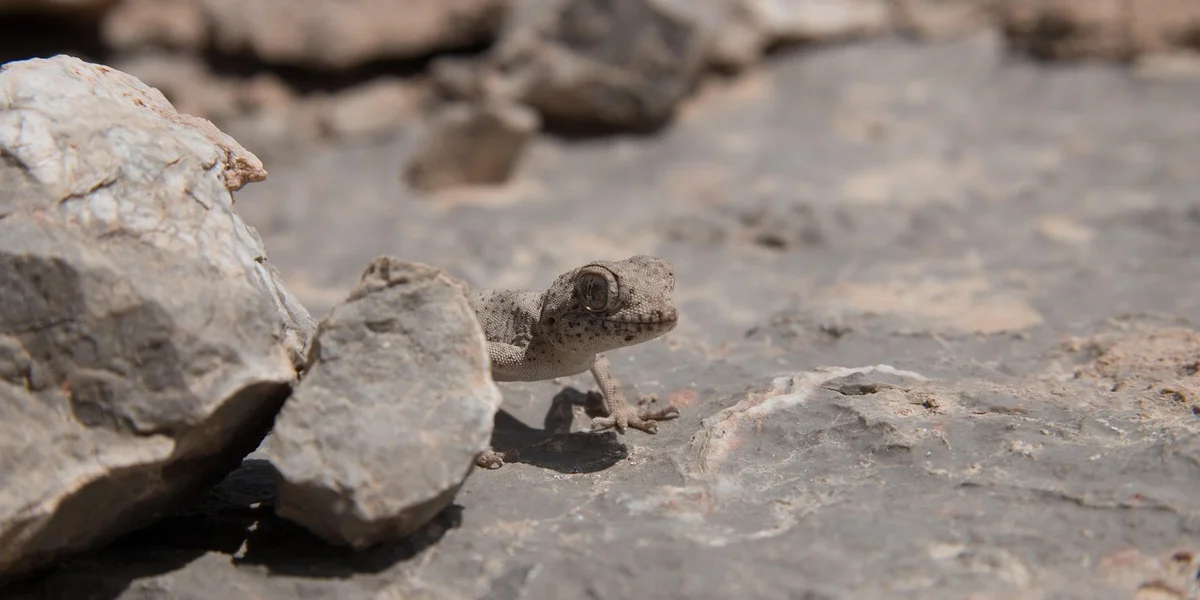
Many of our beloved pet geckos are rock-dwellers by nature. Their wild cousins thrive in environments that offer endless crevices, cool retreats, and sun-warmed basking surfaces.
My leopard gecko, Griffey, often mimics this behavior, wedging himself perfectly into a tight hide. This instinct comes from a wild need for security and temperature control found in rocky outcrops and fissures. That instinct also sheds light on why my leopard gecko hides. If Griffey hides more than usual, it can indicate he’s seeking security or adjustments to temperature, humidity, or lighting in his enclosure.
Adaptations for a Rocky Life
Geckos in these areas have evolved some incredible features:
- Incredible Grip: Specialized toe pads allow them to scale near-vertical rock faces with ease.
- Camouflage Masters: Their colors and patterns often blend seamlessly with granite, sandstone, or volcanic rock.
- Slender, Flexible Bodies: Perfect for squeezing into the narrowest of cracks to escape predators or the midday heat.
Think of a lava tube-a natural tunnel formed by flowing lava. These structures create a stable, humid microclimate that is a paradise for certain gecko species, offering protection from the harsh desert sun.
Geographic Distribution: Where Are Geckos Native?
Geckos are true global citizens, but they have a strong preference for warmth. You will not find them naturally in the frigid Arctic or Antarctic circles. Do geckos need heat at night? Yes—like all ectotherms, they rely on external warmth to regulate their body temperature, and a warm night can help them stay active and healthy.
Their distribution is primarily across the world’s tropical and subtropical belts, where temperatures rarely, if ever, dip to freezing.
A World Tour of Gecko Habitats
Here’s a quick breakdown of where you can find different geckos in the wild:
- Asia & The Middle East: This is the original home of the Leopard Gecko. They inhabit the arid, rocky grasslands of countries like Afghanistan, Pakistan, Iran, and India.
- New Caledonia: This island group in the Pacific is the sole native home of the Crested Gecko and the Gargoyle Gecko. They live in a lush, humid rainforest environment.
- Madagascar: The vibrant Giant Day Gecko, like my Babe, hails from this island. They are arboreal, living in trees and human dwellings in the warm, humid climate.
- West Africa: This is the native range for the African Fat-Tailed Gecko. They prefer savannas and river edges, which are slightly more humid than the leopard gecko’s home.
- Australia & Islands: Many unique species, like the knob-tailed geckos, call Australia’s arid interior home.
I always check where a species originates before setting up its enclosure. Replicating the temperature and humidity of their native homeland is the single most important thing you can do for their long-term health and happiness. It’s what allows my Jeter to act like the confident, treetop-dwelling crestie he was born to be.
Replicating Wild Habitats in Captivity: Enclosure Essentials
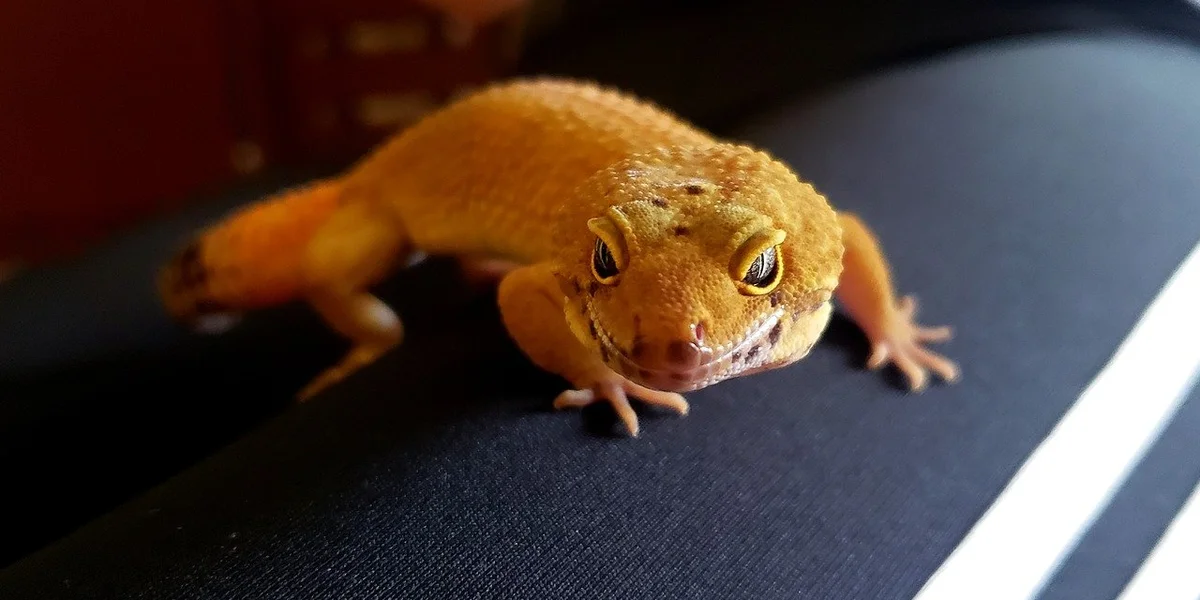
Getting your gecko’s home right is the single most important thing you can do for their health and happiness. Think of their enclosure not as a cage, but as a tiny, manageable slice of their native wilderness. I learned this the hard way when my first leopard gecko, Griffey, seemed listless until I finally got his temperature gradient perfect. Proper habitat setup helps prevent common gecko illnesses by maintaining correct humidity and temperature and keeping the enclosure clean. When these basics are met, dehydration and respiratory issues become far less likely.
The Non-Negotiable Foundation: Heat & Humidity
This is where most new owners stumble. Geckos cannot regulate their own body temperature internally.
- Heat Gradient: One side of the tank must be warm (the “basking zone”), and the other side must be cool. This allows your gecko to thermoregulate by moving around.
- Under-Tank Heater (UTH): Essential for most terrestrial species like Leopard and Fat-Tailed geckos. It provides belly heat for proper digestion. Never use heat rocks!
- Humidity Hides: A must for shedding. I use a simple plastic container filled with damp sphagnum moss. My geckos know to go in there when it’s time to shed their skin.
Substrate: The Ground Beneath Their Feet
Choosing the floor of the enclosure is a big decision for safety.
- Paper Towel/Reptile Carpet: The safest, easiest-to-clean option for beginners. I started all my geckos on this.
- Bioactive Soil Mixes: A more advanced option that mimics the forest floor for species like Crested and Gargoyle geckos. It looks fantastic and helps with waste.
- Avoid Loose Sand: For most species, especially juveniles, loose sand can cause deadly impaction if ingested. It’s a risk I never take.
Furnishings: Clutter is Your Friend
A bare tank is a stressed gecko. In the wild, they are almost never out in the open.
- Multiple hides (at least one on the warm side, one on the cool side)
- Cork bark rounds and branches for climbing and exploration
- Live or artificial plants to provide cover and increase humidity
A well-furnished tank reduces stress dramatically, which means a more active, visible, and healthy pet. My Crested Gecko, Jeter, spends his days nestled in his plants, perfectly content.
Choosing the Right Gecko: Matching Species to Your Home Habitat
Not every gecko fits every home. Your lifestyle, your home’s ambient conditions, and your experience level all matter. Choosing a species that naturally thrives in an environment you can easily provide is the secret to long-term success. To support that, plan a proper gecko habitat setup—enclosure size, heat, humidity, substrate, and enrichment. Good habitat husbandry is essential for long-term health and well-being.
For the Busy or First-Time Owner
If you want a low-maintenance, handleable friend, look for species from arid environments.
- Leopard Gecko: The quintessential beginner gecko. They are terrestrial, don’t need intense humidity, and are often content to sit with you. Griffey’s simple setup is a testament to their easy-going nature.
- African Fat-Tailed Gecko: Similar to Leopard Geckos but often a bit more shy. They require slightly higher humidity but are otherwise very manageable. My A-Rod prefers to be left alone, making him perfect for a quieter home.
For the Plant Lover & Aesthetically Minded
If you enjoy creating a living, breathing ecosystem, arboreal geckos are for you.
- Crested Gecko: They thrive at room temperature in a tall, planted tank. They eat a prepared powdered diet, which is incredibly convenient. Jeter lives in a beautiful bioactive terrarium that is a centerpiece in my living room.
- Gargoyle Gecko: Very similar to Crested Geckos in care but with a unique, prehistoric appearance. My Mookie is a blast to watch during his evening “zoomies” as he leaps across his enclosure.
For the “Look, Don’t Touch” Enthusiast
Some geckos are living art, best admired from outside the glass.
- Giant Day Gecko: Stunningly beautiful but fast and fragile. They are not for handling. My Babe is a dazzling display animal whose bright green color cheers me up every single day.
The best pet is one whose natural needs align with the life you can provide. It’s a commitment to their welfare, not just your desire for a certain look.
FAQs
How long do geckos typically live in the wild?
Wild geckos often live for 5 to 15 years, depending on the species and environmental factors like predation and food availability. This variation invites a quick comparison of gecko lifespans across species.
What are the main predators of geckos in their natural habitats?
Geckos face threats from birds, snakes, larger lizards, and mammals that hunt them in their native environments.
How do geckos communicate with each other in the wild?
Geckos use vocalizations like chirps and clicks, along with visual signals such as tail movements and color changes, to interact and establish territory. These vocal sounds often accompany Gecko vocalizations as body language cues, making them a key part of gecko communication. In many species, the vocalizations themselves function as body language signals that reflect aggression, submission, or mating readiness.
Do geckos play a role in their ecosystem beyond being prey?
Yes, geckos help control insect populations and serve as pollinators for some plants by feeding on nectar and transferring pollen. In crested geckos, the diet is primarily insects and fruit, with nectar providing additional nutrients, and bee pollen is not a necessary part of their diet.
How do geckos find water in arid environments?
In dry regions, geckos obtain moisture by licking dew from surfaces or consuming prey that contains water, relying on efficient kidneys to conserve it. Geckos drink water when it is available, such as from dew drops or standing pools, to stay hydrated. Hydration is essential for their health, especially in arid environments.
Final Words
Ultimately, a gecko’s wild home directly dictates the home you must build for it in captivity. From the humid rainforests for crested geckos to the arid, rocky outcrops for leopard geckos, replicating their native climate, temperature gradient, and hiding spots is the absolute foundation of their health and happiness. For crested geckos, essential supplies for habitat setup include a tall enclosure, humidity control, soft substrate, and secure climbing branches. Getting these basics right helps recreate their rainforest home in captivity.
Responsible pet ownership means committing to a lifetime of learning about the specific species you welcome into your home. Their wild instincts are still alive and well, so by continuously observing and researching, you can provide a life that truly honors their incredible natural history.
Further Reading & Sources
The Gecko Guide is your ultimate resource for gecko enthusiasts, providing expert advice and practical tips to ensure the health and happiness of your scaly companions. Alexander is a passionate gecko owner with over a decade of experience in reptile care. We are dedicated to offering accurate, up-to-date information to support your gecko journey.Our mission is to foster a community of responsible gecko owners who are passionate about the well-being of these fascinating creatures.
Gecko Housing & Habitat