
How to Tell if Your Leopard Gecko is Happy and Content
Published on: January 9, 2026 | Last Updated: January 9, 2026
Written By: Alexander 'Gecko Geek' Johnson
Staring into your leopard gecko’s enclosure, you might wonder if those calm moments mean true happiness or if you’re overlooking subtle signs of stress. I’ve asked myself the same question many times while watching my own leopard gecko, Griffey, bask under his heat lamp.
Drawing from my hands-on experience, I’ll help you decode your gecko’s behavior with three core insights. Here are the key areas we’ll explore:
- Reading their body language and posture for comfort cues
- Tracking their feeding rhythm and appetite enthusiasm
- Noticing their daily activity and habitat interactions
You’ll walk away with clear, practical steps to assess your gecko’s well-being. We will cover: body language, feeding behavior, activity patterns, handling responses, and health signals.
Physical Signs of a Happy Leopard Gecko
Your gecko’s body is a direct billboard for its well-being. A content leopard gecko shows its happiness through clear, observable physical traits. Learning to read these signs is your first step to becoming an expert in your pet’s care.
- Plump, Fat Tail: The tail is their energy storage unit. A tail that’s thick and plump, like a juicy worm, means your gecko is well-fed and not stressed. My leopard gecko, Griffey, has a tail that’s wonderfully sausage-like, a sure sign he’s living his best life.
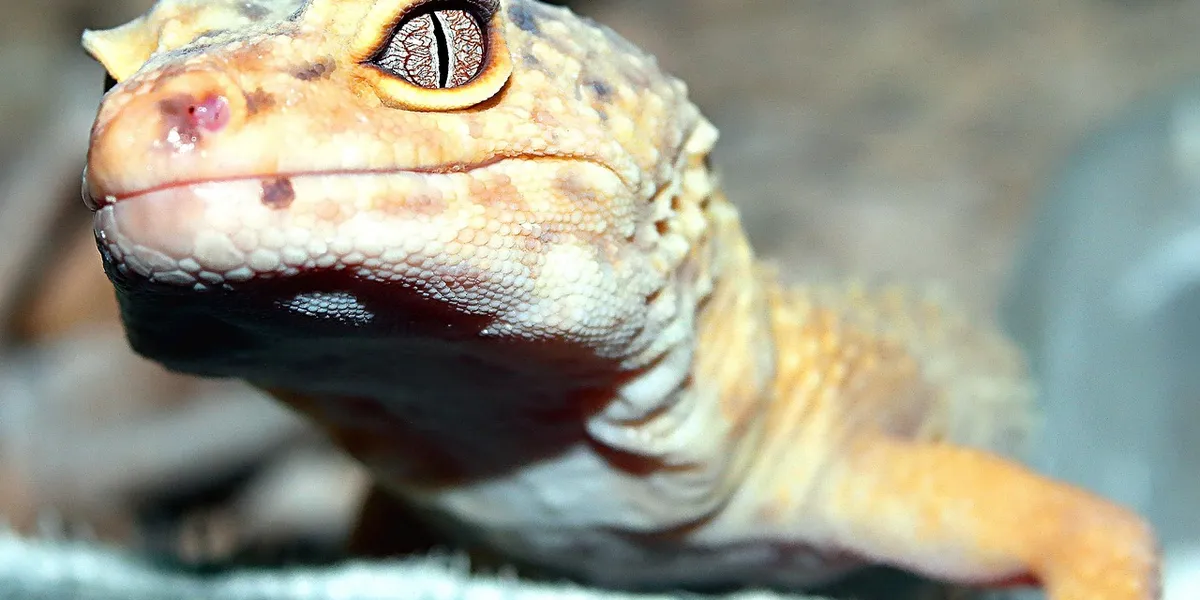
- Bright and Clear Eyes: Their eyes should be shiny, alert, and free of any gunk or swelling. Clear, luminous eyes show good health and a curious spirit. Crusty or sunken eyes are a red flag that something is wrong.
- Smooth, Vibrant Skin: A happy gecko has smooth, supple skin without any retained patches from old sheds. The colors should look rich. When Griffey is content, his golden yellow truly pops against his black spots.
- Regular, Full Sheds: A gecko that sheds its skin in one complete piece is a hydrated and thriving gecko. I always find Griffey’s perfect, ghostly shed skin in his moist hide-it’s a small victory every time.
- Stable, Healthy Weight: Your gecko should feel solid and substantial in your hands, not bony or overly skinny. A stable weight over time indicates a consistent and stress-free appetite. Sudden weight loss is one of the biggest cries for help from your pet.
Behavioral Clues That Your Gecko Is Content
Beyond their physique, their actions speak volumes. A content leopard gecko engages with its world in specific, predictable ways. Observing their daily routines provides the most heartwarming proof of their happiness. In this complete guide to gecko behavior and temperament, you’ll learn to read those cues. This knowledge helps you care for your gecko more effectively.
- Alert and Curious Exploration: In the evening, a happy gecko will emerge and actively investigate its terrarium. You’ll see it climbing over décor and poking its head into hides. This is normal, inquisitive behavior.
- Regular Eating with Gusto: A content gecko is a hungry gecko. It should readily accept food and hunt with enthusiasm. If your gecko consistently ignores food, it’s time to troubleshoot its environment or health.
- Primarily Active at Dusk: Leopard geckos are crepuscular. They are most lively during dawn and dusk. Seeing your gecko awake and moving during these times is a perfect sign of a natural, unstressed rhythm.
- Relaxed and Open Stance: When at rest, a happy gecko lies flat with its belly on the ground, legs comfortably splayed. Its breathing will be slow and steady. This is very different from a stressed gecko that is tense, arched, or ready to bolt.
Let’s compare normal, content behaviors with potential warning signs.
- Handling: A content gecko will be calm and may even walk leisurely from hand to hand. An unhappy gecko will be skittish, try to jump, or vocalize with little squeaks.
- Sociability: While not “social” in a traditional sense, a content gecko will tolerate your presence and may even seem to watch you. Hiding constantly and fleeing when the tank opens indicates fear. Building this trust takes patience and always putting your gecko’s comfort first.
Understanding Leopard Gecko Body Language
Learning to read your gecko is like learning a new, subtle language. Their entire body tells a story about how they’re feeling, from the tip of their nose to the end of their tail.
Common Postures and Movements
A happy leopard gecko, like my boy Griffey, carries itself with a certain relaxed confidence.
- Normal, Relaxed Posture: Their belly rests flat on the ground or their basking spot. Their body is not tense, and their tail is held out straight and still, often with a nice, plump look.
- Stressed or Defensive Stance: They will arch their back, raising their body high off the ground. You might see them tiptoeing slowly. Their tail may be raised and vibrating or wagging slowly from side to side-this is a clear warning sign.
- Facial Expressions: While they can’t smile, their eyes and mouth tell you everything. A calm gecko has soft, half-lidded eyes. Wide, bulging eyes often signal fear or stress. A gecko that is constantly licking its lips or the air is actively exploring its surroundings and gathering information.
| Signal | Happy & Content | Unhappy & Stressed |
|---|---|---|
| Body Posture | Belly flat, body relaxed and low to the ground. | Body arched high, standing tall on toes. |
| Tail Position | Tail is held straight, fat, and perfectly still. | Tail is raised, vibrating, or wagging slowly. |
| Eating Habits | Eagerly hunts and eats when food is offered. | Refuses food or shows no interest. |
| Daily Activity | Explores the enclosure calmly during evening hours. | Hides constantly, even at night, and is jumpy. |
| Handling Response | Walks calmly onto your hand or sits quietly. | Attempts to flee, squirms, or vocalizes with a squeak. |
Environmental Factors for a Content Reptile
A happy gecko is a direct result of a comfortable home. Getting their environment right is the single most impactful thing you can do for their long-term well-being. That’s the heart of gecko habitat husbandry: building and maintaining enclosures that meet each species’ needs and support stable heat, humidity, and lighting. I’ve fine-tuned my setups over years, and the difference in my geckos’ behavior is night and day.
Essential Elements for Happiness
- A Clean Enclosure: Waste and old food cause stress and illness. Spot clean daily and do a full substrate change monthly.
- Appropriate Temperatures: A proper heat gradient is non-negotiable. They need a warm side and a cool side to regulate their body temperature.
- Proper Basking Spots: A flat, smooth surface under the heat source allows them to properly digest their food.
- Minimal Stress Triggers: Place the tank in a low-traffic area away from loud noises and other pets.
Steps to Set Up a Comfortable Environment
Follow these steps to create a gecko paradise.
- Choose the Right Size Tank: A 20-gallon long tank is the perfect starter home for one adult leopard gecko.
- Create the Heat Gradient: Use an under-tank heater on one side of the tank. The warm side should be 88-92°F, and the cool side should be 70-75°F. I use a digital thermometer on both ends to be sure.
- Provide Ample Hides: You need at least three: one moist hide in the middle for shedding, one warm hide over the heat mat, and one cool hide on the opposite side. This gives them choices and security.
- Use Safe Substrate: Skip the loose sand. I use slate tile-it’s easy to clean, files their nails down, and holds heat beautifully.
- Keep it Clutter-Free but Enriched: Add some fake plants and a low branch for climbing. This mimics their natural environment without making the tank feel cramped or hard to clean.
Common Stress Signs vs. Happiness Indicators
Spotting the difference between a stressed leopard gecko and a happy one can feel tricky, but I’ve learned a lot from watching my own gecko, Griffey. Pay close attention to their daily habits-small changes often tell the biggest stories.
- A stressed gecko hides all the time, like it’s playing an endless game of hide-and-seek, while a happy one confidently explores its tank and might even “pose” in open view like Griffey does.
- Loss of appetite screams stress-your gecko isn’t just being picky-but a content gecko eagerly chows down on meals and stays well-hydrated with a plump tail.
- Rapid tail waving or dark skin coloration signals agitation, but a relaxed gecko sports bright colors and moves with calm, deliberate curiosity.
- If your gecko acts jumpy or tries to escape when you approach, it’s likely stressed; a happy gecko may even crawl toward your hand for gentle interaction.
Tips for Bonding and Promoting Happiness
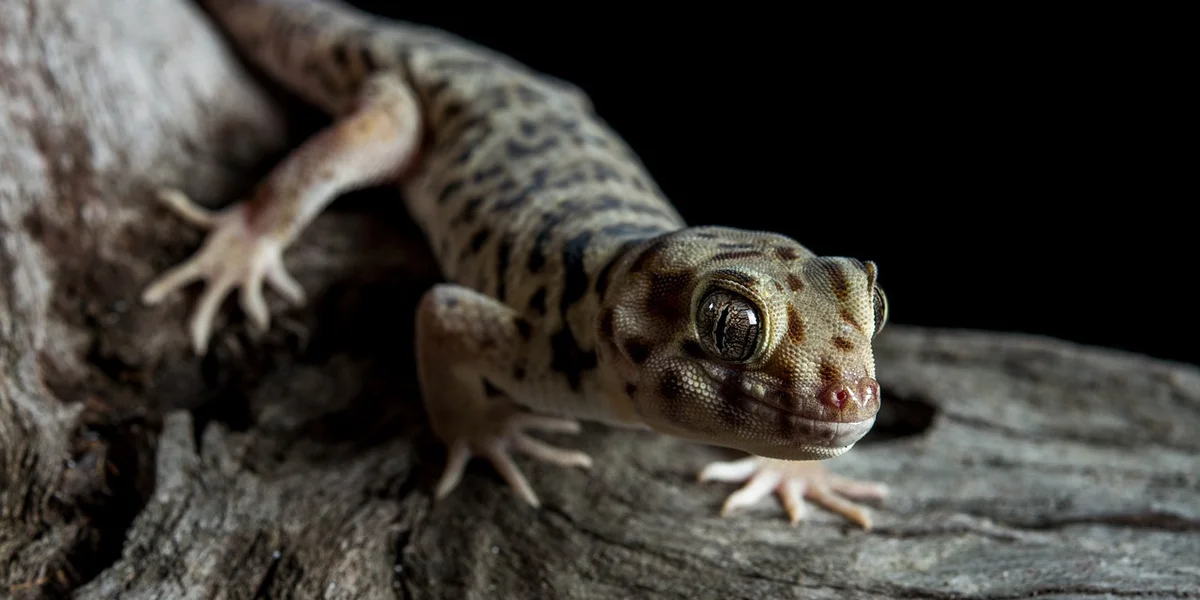
Building trust with your leopard gecko is a rewarding journey that requires consistency and care. From my experience with Griffey and others, small, regular efforts make a huge impact on their well-being.
- Handle your gecko gently for 5-10 minutes daily, letting them walk onto your hand instead of grabbing them. Griffey now eagerly climbs onto my palm after weeks of this routine.
- Add enrichment weekly-rotate hides, introduce safe climbing branches, or offer a shallow dig box. This keeps their environment exciting and mimics natural behaviors.
- Monitor diet and weight by tracking feeding responses and using a small scale. A steady weight and enthusiastic eating are clear signs of contentment.
- Talk softly near their enclosure daily to get them used to your voice; over time, this reduces skittishness and builds familiarity.
- Ensure their habitat has proper temperature gradients and hiding spots. A stressed gecko can’t relax in an uncomfortable home.
Addressing Concerns About Gecko Depression
Many owners see their gecko acting differently and worry, “Is my gecko depressed?” While leopard geckos don’t experience human-like emotions, they absolutely can exhibit signs of chronic stress and unhappiness that we often interpret as depression. The key is linking their behavior directly to their environment. Are signs of stress in geckos related to their environment? In many cases, yes—enclosure factors like temperature, humidity, lighting, hiding places, and enrichment can influence these signals.
I’ve seen this firsthand with my own gecko, Griffey. A period of constant hiding and lack of appetite wasn’t a mood; it was a direct result of a temperature gradient that was slightly off. Fixing his setup fixed his “mood” instantly.
Your Gecko Happiness Q&A
My gecko just lies around all day. Is it depressed?
Leopard geckos are crepuscular, meaning they are most active at dawn and dusk. Lethargy during the day is completely normal, but a complete lack of movement or exploration during their active hours is a red flag. First, check your tank temperatures. An incorrect thermal gradient is the most common cause of true lethargy.
My gecko hides all the time and never comes out. What should I do?
Hiding is a natural instinct, but constant hiding suggests fear. Ask yourself these questions:
- Are there enough hides? You need at least three: one on the warm side, one on the cool side, and a humid hide.
- Is the enclosure in a high-traffic, noisy area? Move it to a calmer spot.
- Is the hide too exposed? Try a hide with only one entrance that feels more secure.
Different hides support different needs—some geckos prefer fully enclosed hides, while others use semi-enclosed or humid hides. For more information on how to choose the right types of hides for your gecko, refer to this resource: Different hides support different needs. By offering a variety, you allow your gecko to choose the most secure and comfortable retreat.
Adding more clutter like fake plants and cork rounds can make your gecko feel safe enough to explore.
What does it mean if my gecko stops eating?
A sudden loss of appetite is a major signal that something is wrong. If you’re asking ‘why my gecko not eating’ (what should I do?), start with these checks to determine the cause. Addressing a loss of appetite promptly can prevent more serious problems. Your action plan should be:
- Verify your temperatures. The warm hide should be between 88-92°F. Too cold and they can’t digest.
- Check your feeder insects. Are they gut-loaded and nutritious?
- Consider a vet visit. A parasite load can cause a gecko to refuse food and is a common welfare issue.
Never assume a hunger strike is just a phase; it is one of the clearest signs your gecko is not content.
Can a gecko get lonely or bored?
Leopard geckos are solitary by nature and do not get lonely. However, they can absolutely experience what we would call boredom from a barren environment. A lack of mental stimulation leads to a sedentary, unenthusiastic gecko. Simple fixes make a huge difference.
- Rearrange the tank décor once a month to create a “new” territory to explore.
- Switch up feeder insects to engage their hunting instinct.
- Provide different textures like a flat stone for basking and a dig box for enrichment.
FAQs
How often should I feed my adult leopard gecko?
Feed your adult leopard gecko every 2-3 days with a variety of gut-loaded insects to support a consistent appetite and healthy weight. Regularly monitor your gecko’s weight and body condition to detect weight changes early, and adjust prey size or feeding frequency to support healthy weight gain or prevent weight loss.
What are the signs that my leopard gecko is ready to be handled?
Your leopard gecko is ready for handling when it approaches you calmly, shows no signs of stress like tail waving, and willingly walks onto your hand. Understanding your leopard gecko’s behavior is crucial to interpreting when it feels comfortable and safe.
How can I tell if my leopard gecko is too cold?
Your leopard gecko may be too cold if it constantly stays in the warm hide, appears lethargic during active times, or has a poor feeding response due to inability to digest properly. To tell if it’s too cold, check the enclosure temperatures with a thermometer and ensure there’s a proper heat gradient. If you’re unsure, ask yourself Is your leopard gecko cold? If temperatures are too low, adjust the heat source or basking spot to restore a suitable gradient.
Final Thoughts
Ultimately, a happy leopard gecko is an active, curious explorer with a hearty appetite and a beautifully plump tail. By watching for bright eyes, confident movement, and a willingness to eat from your hand, you can be sure your scaly friend is thriving in your care.
The journey of pet ownership is one of constant learning and attentive observation. Your commitment to understanding their subtle language is what transforms a simple habitat into a true home where your gecko can live a long, healthy, and visibly content life.
Further Reading & Sources
- r/leopardgeckos on Reddit: What are some signs that your gecko is genuinely happy (or unhappy)?
- How To Tell If Your Leopard Gecko Is Happy?
- How to Tell If Your Leopard Gecko Is Happy: 5 Signs to Look For | PangoVet
The Gecko Guide is your ultimate resource for gecko enthusiasts, providing expert advice and practical tips to ensure the health and happiness of your scaly companions. Alexander is a passionate gecko owner with over a decade of experience in reptile care. We are dedicated to offering accurate, up-to-date information to support your gecko journey.Our mission is to foster a community of responsible gecko owners who are passionate about the well-being of these fascinating creatures.
Handling & Behavior Signs