
Metabolic Bone Disease: Can It Be Reversed?
Published on: February 19, 2026 | Last Updated: February 19, 2026
Written By: Alexander 'Gecko Geek' Johnson
If you’ve noticed your gecko’s legs looking wobbly, their jaw seeming soft, or a strange bend in their spine, you’re likely facing the terrifying reality of Metabolic Bone Disease (MBD). I’ve been there, staring into a tank with a sinking heart, and I know the first question that screams in your mind is: “Is this fixable?”
Take a deep breath. You’ve found the right guide. I will walk you through exactly what MBD is, the realistic chances of recovery, and the clear steps you must take. We will cover:
- The critical early signs of MBD you should never ignore.
- The immediate, non-negotiable changes to your pet’s habitat and diet.
- The honest prognosis for recovery at different stages of the disease.
You will finish this article with a clear, actionable plan. We will cover: MBD causes, early symptoms, advanced symptoms, emergency vet care, home treatment steps, calcium and UVB setup, long-term management, and prevention.
What Is Metabolic Bone Disease in Geckos?
Metabolic Bone Disease, or MBD, is a devastating illness that softens a gecko’s skeleton. I’ve seen its effects firsthand, and it’s a heartbreaking condition to treat. At its core, MBD is a calcium deficiency. Your gecko’s body needs calcium to keep its bones strong. When it doesn’t get enough from its diet, its body starts to steal calcium directly from its bones. This process literally deconstructs the skeleton to support vital functions like muscle and nerve activity. Understanding Metabolic Bone Disease in Geckos is crucial for prevention and treatment. With proper care and veterinary guidance, many geckos can recover from MBD.
This isn’t just about weak bones. The imbalance between calcium and phosphorus is the real culprit. Insects we feed our geckos, like crickets and mealworms, have high phosphorus levels. Calcium and phosphorus need to be in a specific ratio. Without enough calcium to balance it out, the phosphorus actively blocks what little calcium is available from being used. It’s a perfect, terrible storm inside your pet’s body.
Many new owners don’t realize that even with a good diet, a gecko can still develop MBD. They require UVB light or specialized vitamin D3 supplements to actually process and use the calcium they eat. That answer is tied to the question: do leopard geckos need calcium and D3 for geckos? In many cases, yes—either via UVB exposure or a calcium/D3 supplement as part of their routine. Without one of these, the calcium just passes through them uselessly. My first gecko, Griffey, taught me this lesson early on. I was dusting his food, but without proper lighting, his body couldn’t access the nutrients. We caught it just in time.
Spotting the Signs: Symptoms of MBD in Geckos
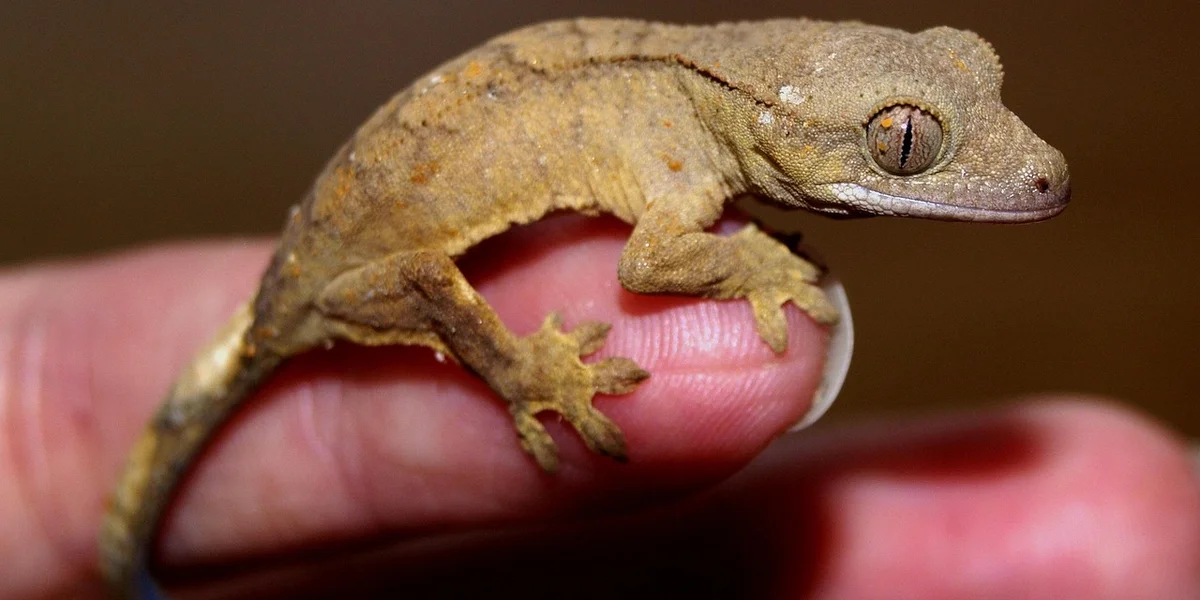
Catching MBD early is the single most important factor for recovery. The symptoms can be subtle at first, then become severe very quickly. You must become a dedicated observer of your gecko’s behavior and physique.
Early Warning Signs
These are the signs that should make you stop and investigate immediately. Don’t wait.
- A slight tremble or shakiness in the legs, especially when walking.
- Reluctance to climb or jump like they used to.
- A lower jaw that feels a bit soft or rubbery when you gently feel it (wash your hands first!).
- Subtle swelling along the jawline or leg bones.
Advanced Symptoms
If you see these signs, your gecko is in serious trouble and needs a veterinarian immediately. This is considered a life-threatening emergency. These are the signs that indicate your gecko needs to see a vet immediately. Act quickly and contact your veterinarian right away.
- Rubber Jaw: The jaw becomes so soft it can’t close properly, looking misshapen. Feeding becomes impossible.
- Visible bumps or kinks in the spine, tail, or long leg bones.
- Limping or dragging limbs because the bones are too weak to support their weight.
- Twitching legs or even seizures due to critically low calcium levels affecting the nervous system.
- Complete loss of appetite and lethargy.
I remember noticing my crested gecko, Jeter, was no longer making his nightly leaps. He was just sitting at the bottom of his enclosure. When I picked him up, his legs trembled. That tremor was the red flag that sent me straight to the reptile vet. These early warning signs—such as tremors, lethargy, or changes in activity—often hint at illness in geckos. Recognizing them early can prompt timely veterinary care. Trust your gut. If something seems “off,” it probably is. Your gecko’s life may depend on your vigilance.
How MBD Develops: Common Causes and Risk Factors
Seeing a gecko’s limbs go soft and bend is a heart-wrenching experience. I’ve been there, and it’s a powerful reminder of how fragile their health can be. Metabolic Bone Disease isn’t an infection you catch; it’s a nutritional disorder that slowly cripples your pet from the inside out. It almost always boils down to a severe imbalance in three key areas.
The Critical Trio: Diet, Lighting, and Supplementation
Think of your gecko’s skeletal health as a three-legged stool. If one leg is weak, the whole structure collapses.
- Inadequate Calcium: This is the number one culprit. Feeder insects like crickets and mealworms are naturally low in calcium. If you’re not “gut-loading” them with nutritious food and then dusting them with a calcium powder, your gecko is eating a deficient diet. Without enough calcium, their body pulls it directly from their bones, making them soft and rubbery.
- Lack of UVB Lighting: Many owners believe crepuscular geckos like Leopard Geckos don’t need UVB. This is a dangerous myth. While they don’t bask like bearded dragons, they do benefit tremendously from low-level UVB. UVB light allows their skin to synthesize Vitamin D3, which is essential for absorbing calcium from their gut. Without it, all that dusted calcium you’re offering might just pass right through them.
- Improper Supplementation: This is where many well-meaning owners get tripped up. You need to provide pure calcium (without D3) in a dish inside the enclosure at all times. Then, you dust feeders with a calcium powder that *contains* D3 a few times a week. An imbalance of phosphorus can also be a problem, as it binds with calcium and prevents its use. Always aim for a calcium-to-phosphorus ratio of 2:1.
Other Contributing Factors
- Underlying Kidney Issues: In some cases, kidney disease can prevent the proper processing of Vitamin D3, leading to secondary MBD.
- Poor General Diet: Feeding only one type of insect or using low-quality gut-load foods provides a poor nutritional foundation.
- Rapid Growth in Juveniles: Young geckos growing quickly have a high demand for calcium, making them particularly susceptible if their needs aren’t met.
Diagnosing MBD: Steps to Confirm the Condition
If you suspect MBD, you must act quickly. I learned this the hard way with my first rescue gecko, whose jaw was so soft he couldn’t hunt. Your first and most critical step is to schedule a visit with a qualified reptile veterinarian. Do not try to diagnose and treat this serious condition on your own.
Physical Examination Clues
Before any tests, a vet will perform a hands-on exam. You might notice some of these signs at home, too.
- Rubbery or Bent Limbs: The legs may look crooked, or the gecko may have difficulty supporting its own weight.
- A Soft or Flexible Jaw: This is often called “rubber jaw.” Gently feeling the lower jaw may reveal it’s not firm and bony.
- Tremors or Twitching: Muscle spasms in the legs or body are a sign of critically low blood calcium levels.
- Difficulty Walking or Climbing: Your gecko may seem lethargic, drag itself, or be unable to stick to glass surfaces (in the case of Crested or Day Geckos).
- Kinks or Bumps in the Tail or Spine: These are signs of previous fractures that have healed poorly due to weak bones.
Imaging and Tests for MBD
To see the full picture and rule out other issues, your vet will likely recommend diagnostic imaging.
- Radiographs (X-rays): This is the gold standard for confirming MBD. On an X-ray, healthy bones appear white and dense. Bones affected by MBD will look faint, less dense, and may even show old, healing fractures you never knew happened. The vet can also check for a condition called fibrous osteodystrophy, where the jawbone becomes enlarged and spongy.
- Blood Tests: While less common for a straightforward MBD diagnosis, a blood test can measure the ionized calcium levels in the bloodstream. This confirms the metabolic imbalance and helps gauge the severity of the deficiency.
MBD Treatment: Can It Be Reversed?
This is the question that keeps many gecko owners up at night. From my experience with my leopard gecko, Griffey, who had a mild scare early on, I can tell you that the extent of reversal depends entirely on how early you catch the condition and how aggressively you treat it. While severe, permanent skeletal deformities may not be fully correctable, the disease’s progression can be halted, and your gecko can regain a tremendous amount of health and vitality.
Immediate Emergency Actions
If you suspect MBD, you must act fast. Think of this as critical first aid to stabilize your pet.
- Schedule an Immediate Vet Visit: A reptile veterinarian is non-negotiable. They can provide calcium injections and a definitive diagnosis.
- Provide a Liquid Calcium Supplement: While waiting for the vet, you can offer an over-the-counter liquid calcium supplement. I gently dab a tiny drop on my gecko’s nose for them to lick off.
- Simplify the Habitat: Remove all tall climbing structures to prevent falls and fractures. Paper towel substrate is best for cleanliness and monitoring.
- Ensure Easy Access to Food and Water: Place shallow dishes right near their favorite hide. A weak gecko shouldn’t have to travel far.
Correcting Diet and Supplements
This is the cornerstone of long-term recovery. You are fundamentally rebuilding your gecko’s health from the inside out. By addressing common crested gecko health problems and their practical solutions, you support a steady, complete recovery.
- Gut-load Your Feeder Insects: Do not feed your crickets or dubias empty cardboard. Feed them highly nutritious greens like collard greens, dandelion greens, and commercial bug food for at least 24 hours before offering them to your gecko.
- Use Phosphorus-Free Calcium Powder: Dust every single insect feeding with a pure calcium supplement that contains no phosphorus. I keep a small dish of this powder in my geckos’ enclosures, too.
- Stick to a Strict Supplement Schedule: For a gecko with MBD, I follow this routine:
- Calcium (without D3) on most feedings.
- A high-quality reptile multivitamin with D3 once or twice a week, as directed by your vet.
UVB Lighting and Habitat Adjustments
Lighting is not optional for a recovering gecko; it’s a powerful medicine. Proper UVB allows them to synthesize their own vitamin D3, which is essential for calcium absorption. Without enough UVB, geckos can develop metabolic bone disease as calcium can’t be absorbed properly. The UVB lighting connection is the key to preventing or addressing MBD and supporting healthy bones.
- Install a Linear UVB Bulb: Avoid the weak, compact coil bulbs. You need a linear fluorescent tube, like a Zoo Med Reptisun 5.0 or Arcadia ShadeDweller, placed over the screen lid.
- Provide a Safe Basking Zone: The basking area should be 6-8 inches below the UVB light and maintained at the species-specific perfect temperature. This creates a zone where they can effectively metabolize calcium.
- Maintain a Proper Light Cycle: Use a timer to provide 10-12 hours of light followed by 10-12 hours of complete darkness to mimic a natural day/night cycle.
Recovery Timeline and Rehabilitation

Patience is your greatest tool here. You will not see changes overnight. A gecko’s recovery from MBD is measured in months, not days or weeks. My gecko Griffey took a solid three months to show significant improvement in his strength and coordination.
Signs of Successful Recovery
You’ll know your hard work is paying off when you start to see these positive changes. They are incredibly rewarding to witness.
- Increased Appetite and Energy: Your gecko will start hunting more eagerly and moving around its enclosure with more purpose.
- Stronger Grip and Movement: You’ll see them climbing more steadily and gripping surfaces with authority, not that weak, shaky hold.
- Firm, Straight Jawline: That soft, rubbery feeling along the jaw will be replaced by a firm, defined bone structure.
- Normal Shedding: A well-hydrated, healthy gecko will shed its skin in one clean piece, a sure sign of improving overall health.
Preventing MBD: Long-Term Gecko Care
Keeping your gecko healthy for years means building strong habits now. I’ve seen firsthand how consistent care prevents the heartache of MBD in my own pets, like Griffey and Jeter. These daily habits help prevent common health problems geckos face, like metabolic bone disease, dehydration, and respiratory infections. Let’s break down the two pillars of prevention: what goes into their bodies and where they live.
Essential Supplements and Diet Tips
Your gecko’s diet is the frontline defense against MBD. Proper supplementation isn’t just a suggestion-it’s a non-negotiable part of responsible ownership. I learned this early on with my energetic leopard gecko, Griffey; his vibrant health comes from a strict supplement routine.
Start with a high-quality calcium powder. You have two main options:
- Calcium with D3 for geckos without UVB lighting
- Calcium without D3 if you use a UVB lamp
Dust your feeder insects lightly at every feeding for young geckos. For adults, I alternate between calcium and a multivitamin to cover all nutritional bases. My crested gecko Jeter gets his bugs dusted three times a week, and his calm demeanor tells me he’s thriving.
Gut-load your insects 24 hours before feeding. I use:
- Fresh carrots or sweet potato for moisture
- High-calcium greens like collard greens
- Commercial gut-load formulas for extra nutrients
Variety in feeder insects prevents nutritional gaps that can sneak up on you. Rotate between crickets, dubia roaches, and occasional treats like waxworms for my food-motivated day gecko, Babe. His chubby tail shows he’s getting the right balance without overdoing it.
Habitat Setup for Bone Health
The right environment supports your supplement strategy. UVB lighting is a game-changer for geckos that bask, like my giant day gecko Babe. He spends hours under his lamp, and I see the difference in his strong bones and bright color. Different gecko species have different UVB needs, so exposure, bulb type, and distance matter. A quick species-by-species breakdown can help you tailor lighting for popular pet geckos.
Choose a linear UVB bulb, not a coil type. Position it over a basking spot:
- Replace bulbs every 6-12 months-they lose strength even if they still light up
- Provide shaded areas so your gecko can escape the light when needed
- Use a timer for consistent 10-12 hour daily cycles
Temperature gradients let your gecko regulate their body heat. My African fat-tailed gecko A-Rod is territorial, so I give him a warm hide at 88°F and a cool end at 75°F. This mimics the natural warmth they’d seek in the wild for digestion and calcium metabolism. For crested geckos, the ideal temperature range is typically around 72–78°F by day and 65–75°F at night. Keeping to this range helps support digestion, shedding, and overall health.
Climbing structures do more than entertain. My gargoyle gecko Mookie leaps between branches, which naturally strengthens her bones and muscles. Include sturdy vines, cork bark, and ledges to encourage movement. Avoid slippery surfaces that could cause falls and injuries.
Monitor humidity with a digital gauge. Proper hydration supports overall health, and I mist Jeter’s enclosure nightly to keep his skin supple and aid shedding. Too dry, and they struggle; too wet, and respiratory issues can arise. Aim for the sweet spot your species needs.
Common Questions
Is Metabolic Bone Disease contagious between geckos?
No, MBD is not contagious as it stems from nutritional and environmental deficiencies, not infectious agents.
How can I tell if my gecko’s UVB bulb is still effective?
UVB bulbs lose strength over time and should be replaced every 6 to 12 months, regardless of visible light output.
What should I do if my gecko refuses to eat during MBD treatment?
Contact your reptile veterinarian immediately for guidance on assisted feeding methods or potential appetite stimulants.
Final Words
Reversing MBD is a marathon, not a sprint, built on a foundation of proper UVB lighting, calcium-rich supplementation, and consistent veterinary guidance. I’ve seen geckos like my own Babe make incredible comebounds when their care is corrected with patience and precision. While severe bone deformities may remain, stopping the disease’s progression and restoring your gecko’s quality of life is an absolute win.
Your gecko’s health is a direct reflection of their environment, making continuous learning the most powerful tool in your care kit. This includes preventing common gecko illnesses through proper habitat setup. A well-designed enclosure with appropriate temperature, humidity, substrate, and hiding spots is your first line of defense. Commit to staying curious, question old practices, and always advocate for your pet’s welfare. For more guides and personal stories, remember that the community and resources at `{website_name}` (`{home_link}`) are here to support you every step of the way.
Further Reading & Sources
- Brief Review on Metabolic Bone Disease – PMC
- Metabolic Bone Disease – an overview | ScienceDirect Topics
- Metabolic Bone Diseases and New Drug Developments – PMC
The Gecko Guide is your ultimate resource for gecko enthusiasts, providing expert advice and practical tips to ensure the health and happiness of your scaly companions. Alexander is a passionate gecko owner with over a decade of experience in reptile care. We are dedicated to offering accurate, up-to-date information to support your gecko journey.Our mission is to foster a community of responsible gecko owners who are passionate about the well-being of these fascinating creatures.
Gecko Health