
Gout in Geckos: A Keeper’s Guide to Causes & Care
Published on: February 18, 2026 | Last Updated: February 18, 2026
Written By: Alexander 'Gecko Geek' Johnson
Noticing hard, white lumps around your gecko’s joints and feeling a knot of worry tighten in your stomach is a completely normal reaction. I’ve been there, staring into a terrarium with that same sinking feeling, and I know how scary it can be.
You are not alone, and I’m here to help you understand exactly what’s happening. We will walk through this together, breaking down the complex science of gout into simple, actionable steps you can take for your scaly friend.
In this guide, you will learn:
- The two main types of gout and what causes them.
- How to spot the early and late signs of this painful condition.
- Practical management strategies you can start today.
By the end of this article, you will have a clear path forward. We will cover: causes, symptoms, diagnosis, treatment, diet, hydration, and long-term care.
What is Gout in Geckos?
Gout is a painful form of arthritis caused by a buildup of uric acid crystals in your gecko’s joints and organs. Think of it like tiny, sharp pieces of glass accumulating in their tiny toes and knees, making every movement agonizing. In my own colony, I once noticed my gecko, Griffey, was unusually hesitant to climb. That was my first, heartbreaking introduction to this condition.
This happens because of a condition called hyperuricemia-a fancy word for too much uric acid in the blood. Reptiles like geckos produce uric acid as their primary waste product instead of the urea that mammals make. When their bodies can’t get rid of it, it settles out of the blood and forms those debilitating crystals.
What Causes Gout and Hyperuricemia in Geckos?
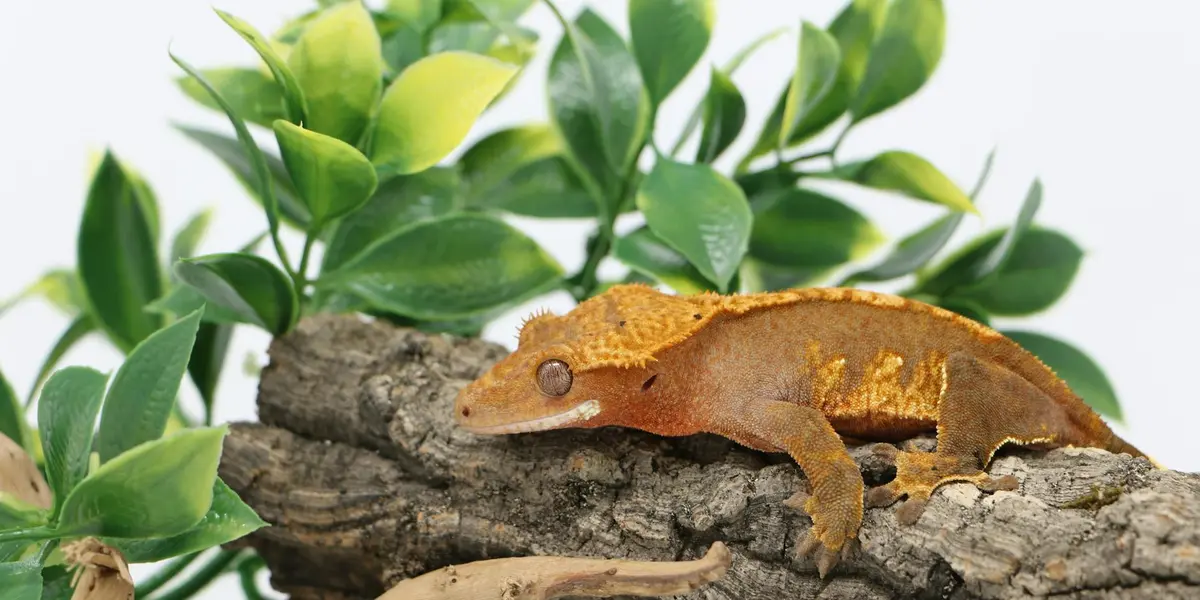
The root of the problem almost always traces back to the kidneys. When a gecko’s kidneys are stressed or damaged, they fail to filter uric acid effectively, leading to a toxic buildup in the body. From my experience, this kidney stress usually stems from two main areas: what goes into their mouth and what doesn’t. Being aware of the 10 most common preventable gecko health mistakes can help you prevent this kidney stress before it starts. Often, those mistakes center on diet and husbandry practices.
Dietary Factors and Purines
This is often the biggest culprit. Many feeder insects are high in purines, which are natural compounds that break down into uric acid inside your gecko’s body. Excess uric acid can contribute to gout and kidney problems, which are common health issues in geckos. Choosing a varied, appropriate diet can help prevent these problems.
- High-Purine Feeders to Use Sparingly: I’ve learned to be very careful with these. Krill, shrimp, and some types of fish used in prepared diets are major offenders. Even organ meats like beef heart are packed with purines.
- Common Insect Purine Levels: Crickets and mealworms have moderate purine levels. Feeding a varied diet is key to preventing overload from any single source.
- The Protein Overload Problem: Many commercial gecko diets are excessively high in protein. Young geckos need more protein for growth, but adults on a high-protein diet are practically on a fast track to kidney failure. I always check the protein content on any food I buy now.
Dehydration and Kidney Stress
If diet is one side of the coin, hydration is the other. Your gecko’s kidneys need a constant, plentiful supply of fresh water to dissolve and flush out uric acid. Without it, the uric acid becomes concentrated and crystallizes, which is why ensuring your gecko stays hydrated is crucial.
- Inadequate Humidity: Many gecko species, like Cresteds and Gargoyles, absorb a significant amount of water through their skin. If their tank humidity is too low for too long, they become chronically dehydrated.
- Lack of a Water Bowl: It seems obvious, but a clean, shallow water dish must always be available. I’ve seen setups where it was forgotten or placed in a spot the gecko never visits.
- Poor Misting Habits: Some geckos will only drink water droplets from leaves and glass. If you’re not misting the enclosure regularly, you are indirectly depriving your pet of water. I set phone reminders to mist my geckos’ tanks twice a day.
- Underlying Kidney Damage: Sometimes, the damage is already done from a past infection, an injury, or prolonged use of certain medications. This makes a gecko’s kidneys permanently less efficient, putting them at a much higher risk for gout later in life.
How to Spot Gout Symptoms in Your Gecko
Spotting gout early is your best defense. I learned this the hard way with one of my first leopard geckos, whose subtle limp I initially dismissed as a minor sprain. Pay close attention to these changes in your pet’s body and behavior.
Articular Gout Signs
Articular gout affects the joints and is what you can physically see. Look for hard, swollen lumps around the wrists, ankles, knees, and even the jaw. These are the uric acid crystals forming.
- Noticeable, firm swelling in the joints that feels warm to the touch.
- A distinct, stiff-legged walk or an outright limp.
- Reluctance to move, climb, or hunt for food.
- Visible white or yellowish lumps under the skin, like tiny pearls.
- Obvious pain when you gently touch the affected area.
Visceral Gout Signs
Visceral gout is the silent, internal version and is often fatal because it’s harder to detect. My crested gecko, Jeter, once went off his food for a week, which was my only clue that something was deeply wrong internally.
- A sudden and complete loss of appetite.
- Lethargy and unusual weakness; they stop being their active selves.
- Dehydration, which you can check for by looking for sunken eyes or loose skin.
- Swelling in the belly area due to organ involvement.
- A rapid, unexplained weight loss.
How Vets Diagnose Gout in Reptiles
You cannot diagnose gout at home with certainty. A qualified reptile vet is your gecko’s only chance for a proper diagnosis and a potential treatment plan. They use a combination of high-tech tools and lab work.
Imaging Techniques
Vets need to see what’s happening inside your gecko’s body. This is part of the ultimate gecko health troubleshooting checklist—a step-by-step diagnostic guide. Following it helps ensure a thorough evaluation. An X-ray is often the first and most telling step, as it can reveal the chalky white deposits of urate crystals in and around the joints and organs.
- Radiographs (X-rays): These clearly show the dense, stone-like uric acid deposits that regular bone and tissue don’t have.
- Ultrasound: This helps a vet visualize the softer organs, like the kidneys and liver, to check for damage and crystal formation.
Laboratory Tests
Imaging shows the “where,” but lab tests confirm the “why.” A blood test is the gold standard for confirming high uric acid levels and assessing overall kidney function.
- Blood Plasma Biochemistry: This test measures the amount of uric acid and other compounds in the blood. A high level is a giant red flag.
- Joint Aspirate: In some cases, a vet may use a fine needle to take a tiny sample of fluid from a swollen joint to look directly for the needle-shaped urate crystals under a microscope.
Gout Treatment and Management Plans
Seeing one of my own geckos, Babe, struggle with a swollen joint was a frightening wake-up call. Treating gout is a multi-faceted battle that requires immediate veterinary intervention paired with dedicated home care. You cannot fix this with home remedies alone.
Medical Management
Your reptile veterinarian is your most important partner. They will diagnose the type of gout and create a targeted plan.
- Allopurinol: This is the primary medication used to lower uric acid levels in the bloodstream. It helps prevent new crystals from forming.
- Fluid Therapy: Your vet may administer fluids under the skin to help flush the kidneys. I’ve had to do this at home, and while it feels intimidating, it’s a lifesaving skill.
- Pain Management: Gout is intensely painful. Your vet will prescribe safe pain relief and anti-inflammatory medication to keep your gecko comfortable.
- Surgical Intervention: In severe cases where tophi (the chalky deposits) are causing tissue damage or restricting movement, surgery to remove them may be necessary.
Dietary and Husbandry Adjustments
Medicine alone isn’t enough. You must become a detective and fix the root causes in your gecko’s environment.
- Protein Source Overhaul: Immediately stop feeding high-purine insects like crickets and mealworms. Switch to lower-purine options like black soldier fly larvae or dubia roaches as a staple.
- Gut-Loading is Non-Negotiable: Never feed your insects a poor diet. I gut-load all feeder insects with fresh, low-purine vegetables like squash, zucchini, and leafy greens for at least 24 hours before feeding. This directly improves what your gecko eats.
- Hydration Station: Dehydration is a huge trigger. Provide a shallow water bowl with fresh water daily. I also mist my gecko’s enclosure to encourage drinking and raise humidity, which aids kidney function.
- Supplement Review: Re-evaluate your calcium and vitamin dusting schedule. Too much Vitamin D3 can contribute to problems. Discuss a new supplement plan with your vet.
Preventing Gout Through Proper Gecko Care
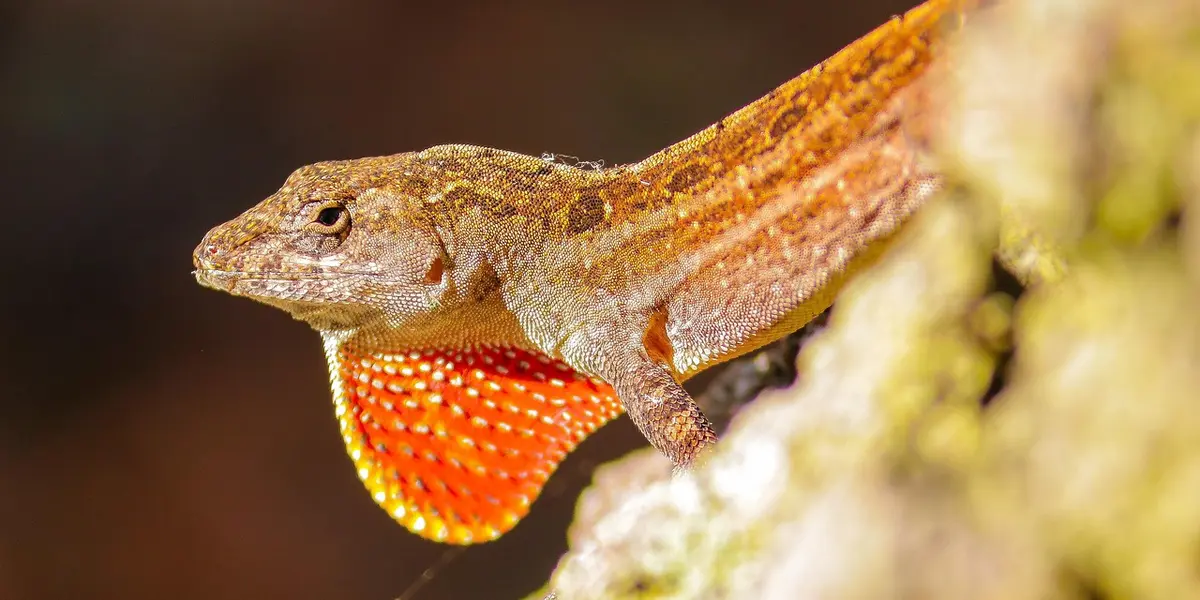
An ounce of prevention is worth a pound of cure, especially with a painful condition like gout. Building healthy habits from the start is the single best way to protect your gecko. Proper habitat setup prevents common gecko illnesses by maintaining stable temperature and humidity and keeping the enclosure clean. A well-maintained enclosure with appropriate substrate and ventilation supports your gecko’s health in the long run.
- Master the Diet Balance: Feed an age-appropriate, varied diet. Juvenile geckos need more frequent feedings, but adults can easily become overweight. A fat gecko is an unhealthy gecko.
- Become a Water Warrior: I check water bowls twice a day. Ensure your gecko has constant access to clean water. For species that prefer licking droplets, mist the enclosure regularly.
- Create a Proper Environment: Maintain correct temperature gradients and humidity levels specific to your gecko species. Incorrect temps can suppress appetite and lead to dehydration.
- Schedule Regular Vet Check-ups: Don’t wait for an emergency. An annual wellness exam can catch early signs of kidney stress before they escalate into full-blown gout.
When to Seek Emergency Vet Care for Gout
Watching one of my own geckos, Babe, struggle with a swollen joint was a terrifying wake-up call. Gout is not a “wait and see” condition; it is a painful, progressive disease that requires immediate veterinary intervention. The moment you suspect gout, your gecko’s clock starts ticking.
Critical Signs of a Gout Emergency
If you notice any of the following symptoms, do not hesitate. Your gecko needs a reptile veterinarian now.
- Sudden, Severe Swelling: A joint or limb that becomes puffy, firm, and hot to the touch almost overnight.
- Complete Loss of Appetite: Your gecko refuses all food, even their favorite live insects.
- Obvious, Persistent Pain: They flinch, vocalize, or aggressively avoid touch when you near the affected area.
- Inability to Move Normally: Limping, dragging a limb, or being unable to climb onto their usual basking spot.
- Lumps Under the Skin: You can see or feel white, chalky nodules (tophi) through their skin, especially around joints.
Why This Is an Emergency
Many owners hope the swelling will go down on its own, but I can tell you from experience it will not. The uric acid crystals are like microscopic shards of glass accumulating in their joints and organs. Every hour you wait causes more irreversible damage and immense suffering.
The most dangerous form is visceral gout, where crystals form on internal organs like the kidneys and heart. Once gout reaches this stage, the chances of survival drop dramatically, making early detection and treatment absolutely critical.
What to Do While Getting to the Vet
- Keep Them Hydrated: Gently offer water via a dropper on their snout if they are alert.
- Minimize Stress: Place them in a quiet, dimly lit carrier with a soft paper towel substrate.
- Do Not Force Feed: This can cause aspiration and more stress.
- Gather Information: Note when symptoms started and bring pictures of their enclosure setup for the vet.
Seeing your pet in distress is frightening, but swift action is your most powerful tool. Your quick decision to seek professional help is the first and most crucial step toward managing your gecko’s pain and giving them a fighting chance. When handling a sick or injured gecko, keep handling to a minimum and use clean hands or gloves. If you must move them, cradle the body with both hands from underneath and avoid grabbing the tail.
FAQs
What are the early warning signs of gout in geckos?
Early signs include subtle limping, reduced activity, and slight swelling in joints like the wrists or ankles.
Are leopard geckos more prone to gout than other species?
Leopard geckos are not inherently more prone, but their common diet of high-purine insects like crickets can increase their risk if not managed properly. Understanding their Leopard gecko feeding behavior—prey size, feeding frequency, and how much they eat—helps prevent common issues such as regurgitation and gut impaction that arise from improper feeding.
What does gout in a gecko’s neck look like?
Gout in the neck appears as hard, swollen lumps around the jaw or base of the skull, causing stiffness and pain when moving the head.
Can diet alone cause gout in geckos?
Yes, a diet high in purines from insects like mealworms or krill can lead to uric acid buildup, especially if combined with poor hydration.
How long can a gecko live with gout?
With proper veterinary care and management, a gecko can live for months to years, though the focus is on quality of life and pain control. As geckos progress from hatchling to juvenile to adult, milestones in growth and behavior guide care. Tracking early molts, growth benchmarks, and the onset of reproductive maturity helps tailor lifelong management.
Your Gecko’s Health Is in Your Hands
Managing gout in your gecko boils down to a few critical actions: provide a balanced, low-purine diet, ensure constant access to fresh water, and maintain a clean, stress-free habitat. The single most important step you can take is to partner with a reptile-savvy veterinarian at the first sign of trouble. Early diagnosis and treatment are your best weapons against this painful condition. If needed, your vet may advise setting up a hospital tank to closely monitor hydration and temperature during recovery. When you do set up this sick-gecko tank at home, keep it quiet, clean, and separate from healthy geckos, with stable temperatures and easy access to water.
Owning a gecko is a long-term commitment to their wellbeing. Stay curious, keep learning about their specific species needs, and always observe their behavior closely. Explore our complete guide on gecko behavior and temperament for practical tips on signs, routines, and enrichment. It helps you tailor care to each gecko’s unique temperament. Your dedication to understanding their unique biology is the greatest gift you can give your scaly friend for a long, healthy, and comfortable life.
Further Reading & Sources
- Reptiles: Gout | VCA Animal Hospitals
- Expert Advice on Leopard Gecko Gout and Care | JustAnswer
- Leopard Gecko Gout: Expert Answers to Your Questions
The Gecko Guide is your ultimate resource for gecko enthusiasts, providing expert advice and practical tips to ensure the health and happiness of your scaly companions. Alexander is a passionate gecko owner with over a decade of experience in reptile care. We are dedicated to offering accurate, up-to-date information to support your gecko journey.Our mission is to foster a community of responsible gecko owners who are passionate about the well-being of these fascinating creatures.
Gecko Health