
Why Is My Bioactive Vivarium Failing? A Complete Troubleshooting Checklist
Published on: March 10, 2026 | Last Updated: March 10, 2026
Written By: Alexander 'Gecko Geek' Johnson
You put your heart into creating a tiny, self-cleaning ecosystem for your gecko, only to find mold, dying plants, or a lingering foul smell. It’s frustrating, and I’ve been there myself with my first attempt for my leopard gecko, Griffey.
I will help you diagnose the problem and get your mini-jungle back on track. We will cover the three biggest reasons bioactive setups fail:
- An unbalanced clean-up crew that can’t handle the waste load.
- Improper moisture and ventilation creating a mold factory.
- Incorrect lighting or soil depth that slowly kills your plants.
By the end of this guide, you will have a clear, step-by-step checklist to identify and fix what’s going wrong. We will cover: the clean-up crew, drainage layers, substrate, lighting, plants, and common maintenance mistakes.
Spot the Early Warning Signs of Vivarium Failure
Your vivarium will talk to you long before it completely crashes. You just need to learn its language. I learned this the hard way with my first setup for Griffey, my leopard gecko.
The first whispers of trouble often come from your plants. Look for leaves that are yellowing, wilting, or developing soft, mushy stems. This isn’t just an aesthetic issue; it’s a sign the roots are suffocating or starving.
In Jeter’s crested gecko tank, I once saw a beautiful fern slowly turn to mush. I initially thought it was a humidity problem, but the real culprit was compacted, waterlogged substrate that choked the roots. That experience got me wondering: does substrate choice affect humidity in a gecko tank? Different substrates hold moisture and air differently, which can shift humidity levels and affect plant and gecko comfort.
A sudden explosion of white, fuzzy mold is a major red flag, but not all mold is a crisis. A little bit during the initial setup is normal. A lot, coupled with a sour smell, means your cleanup crew is overwhelmed or the environment is too stagnant.
Pay close attention to your cleanup crew—your springtails and isopods. If you lift a piece of cork bark and see no microfauna scurrying away, your ecosystem is in trouble. A healthy population should be visibly active, especially at night. That’s why a cleanup crew health guide is important—the health of isopods and springtails drives the efficiency of detritus breakdown. Regular checks on their activity help you gauge tank health and prevent issues.
I once panicked when I couldn’t find any isopods in A-Rod’s enclosure. It turned out my substrate had become too dry and acidic from not being spot-cleaned properly. They had all died off. That experience underscored how crucial substrate choice is in a gecko setup. Choosing the right substrate for your gecko’s enclosure helps maintain humidity and pH, supporting isopods and overall health.
Trust your nose. A healthy bioactive setup has a pleasant, earthy smell, like a forest after rain. If you smell anything sour, rotten, or like ammonia, you have a serious imbalance that needs immediate attention.
Your Step-by-Step Troubleshooting Checklist
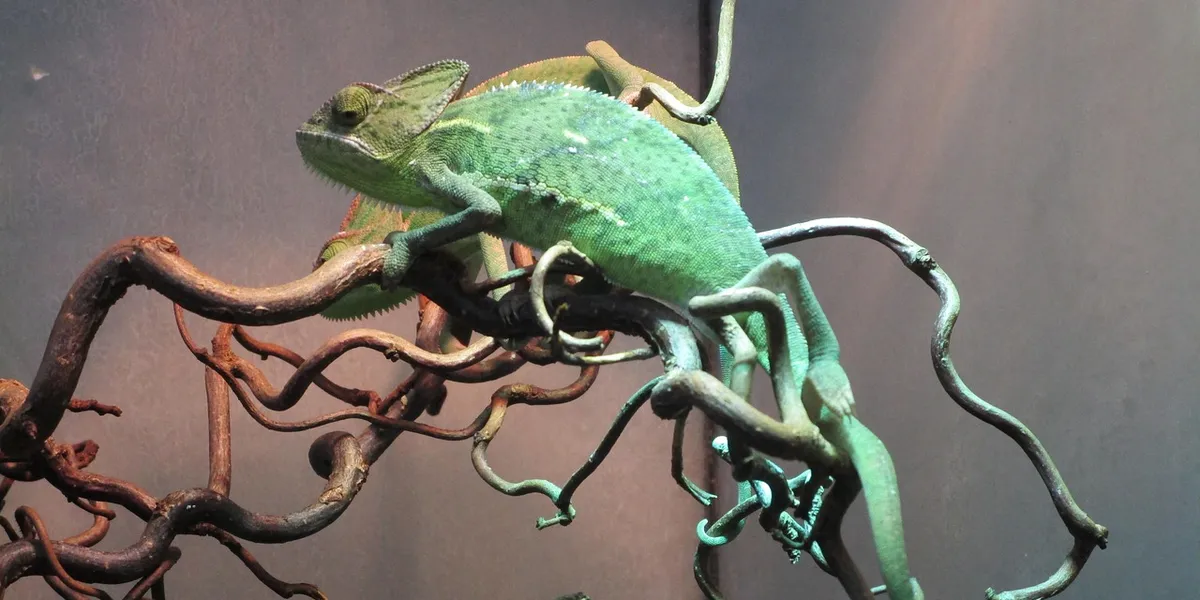
When something feels off, don’t guess. Work through this list methodically. I keep a digital version on my phone to check whenever I notice a problem.
-
Assess Your Plant Health
Gently tug on a struggling plant. If it comes out easily with black, slimy roots, you have root rot. This points to chronic overwatering or poor drainage. Healthy roots are firm and white or light brown.
-
Check Your Cleanup Crew Population
Place a small piece of vegetable, like a carrot slice, on the substrate. Check it in 24 hours. A healthy population of springtails and isopods will cover it. If it’s untouched, your microfauna has crashed and needs to be replenished.
-
Test Your Substrate Moisture
Grab a handful of substrate from the bottom layer and squeeze. It should hold together slightly but not drip water. If water streams out, it’s too wet. If it crumbles to dust, it’s too dry. The top should be drier than the bottom.
-
Verify Your Humidity and Ventilation
Check your hygrometer readings against the needs of your specific gecko. For cresties, you want spikes; for leopards, you want it fairly dry. Crested gecko humidity foggers can help with those humidity spikes. Use them with proper ventilation to prevent mold. Then, feel the air. Is it stagnant? Foggy glass often means not enough cross-ventilation, which leads to mold.
-
Look for Gecko Waste Buildup
Scan the enclosure for any uneaten food or gecko droppings the cleanup crew hasn’t processed. A few are okay, but a buildup means the crew can’t keep up. You might need to manually remove waste to give them a chance to recover. This is part of cleaning your gecko tank properly. Regular spot-cleaning helps maintain a sanitary home for your gecko.
-
Re-evaluate Your Lighting
Is your plant light strong enough and on for the right duration? Most vivarium plants need 10-12 hours of light. Stretched, leggy plants are desperately reaching for more light.
Running through this checklist takes me less than ten minutes and has saved my enclosures from total failure more than once. It turns a moment of panic into a simple, solvable puzzle.
Common Bioactive Vivarium Problems and Immediate Fixes
Plant Health Issues
Watching your carefully chosen plants wilt or get covered in mold is disheartening. I’ve lost my fair share of pothos to over-enthusiastic misting.
- Causes: The main culprits are usually improper lighting (too much or too little) and incorrect watering. A soggy substrate suffocates roots, while a bone-dry one causes crispy leaves. Geckos like my crestie, Jeter, sometimes trample delicate plants, too.
- Immediate Fixes: For wilting, check your soil moisture with a finger. Adjust your watering schedule. For mold, increase ventilation and scrape off the surface layer. For pests, manually remove them and use a gentle, reptile-safe spray.
- Plant Selection Tips: Choose tough, non-toxic plants that can handle a gecko’s curiosity. I swear by snake plants and pothos. They tolerate low light, occasional climbing, and are nearly impossible to kill. Avoid anything delicate or sharp.
Microfauna and Cleanup Crew Imbalances
Your springtails and isopods are the unseen heroes. When their population crashes or explodes, the whole system feels it. This is the ultimate guide to isopods, springtails, and bioactive tanks.
- Signs of Imbalance: An overpopulation looks like isopods swarming the surface during the day. A die-off is signaled by a foul smell and a noticeable lack of the little guys when you lift a piece of bark.
- Restoring Balance: To boost numbers, add a fresh culture and a piece of carrot for food. To control an explosion, reduce their food source and manually remove some. I had to do this in A-Rod’s tank when his picky eating left too much leftover food.
- Gecko Waste Impact: Your gecko’s poop is the primary fertilizer for your clean-up crew. Too much waste from a large gecko or overfeeding can overwhelm them, leading to ammonia spikes. A single gecko usually provides the perfect amount.
Substrate and Drainage Troubles
Everything starts from the ground up. A poor substrate mix is the root of most vivarium failures.
- Identifying Issues: Water pooling on the surface means waterlogging. Substrate pulling away from the sides means it’s too dry. A sour, rotten egg smell signals dangerous anaerobic bacteria and ammonia buildup.
- Quick Fixes: For waterlogging, gently aerate the soil and add more drainage layer. For dryness, a thorough, deep watering can help. For severe ammonia, you may need to replace a portion of the substrate.
- Substrate Mix Recommendations: A good substrate holds moisture without compacting. For my leopard geckos, I use a mostly sandy, low-moisture mix. For my tropical geckos like Mookie, I use a richer, peat-based mix that holds humidity well. A basic, safe recipe is 40% coconut coir, 40% orchid bark, and 20% sphagnum moss.
Humidity and Temperature Instability
Geckos are reptiles, and they rely on their environment to function. Instability here causes direct stress.
- Problems from Instability: High humidity leads to rampant mold and respiratory infections. Low humidity causes shedding problems and dehydration. Temperature swings make geckos refuse food and become lethargic.
- Making Adjustments: For high humidity, increase ventilation by drilling more holes or using a small computer fan. For low humidity, mist more frequently or cover part of the mesh top. Always use a digital hygrometer and thermometer-the analog stick-on ones are notoriously inaccurate. I learned this the hard way with Babe’s first enclosure.
- Connection to Gecko Stress: Watch your gecko’s behavior. If they are constantly glass-surfing or hiding deep in a moist hide, it’s a sign their humidity or temperature gradient is wrong. A stable environment means a calm, healthy gecko.
Preventative Maintenance for Long-Term Vivarium Health
- Routine Checks: I do a quick 2-minute spot-check every morning during feeding. I look for mold, check plant health, and ensure the water bowl is clean. Once a month, I do a deeper check, lifting decor to see the cleanup crew activity and testing the substrate pH.
- Supportive Feeding Practices: Feed your gecko in a designated dish to concentrate waste and leftover food. This makes it easier for your clean-up crew to find and process it, preventing mold and overpopulation in one area. It also keeps your gecko from accidentally ingesting substrate.
- Seasonal Adjustments: Your home’s ambient humidity changes with the seasons. In dry winters, you might need to mist more. In humid summers, you might need to run a small fan. Pay attention to your vivarium’s response and adjust your care routine accordingly. It’s a living system, not a static box.
When to Seek Professional Help
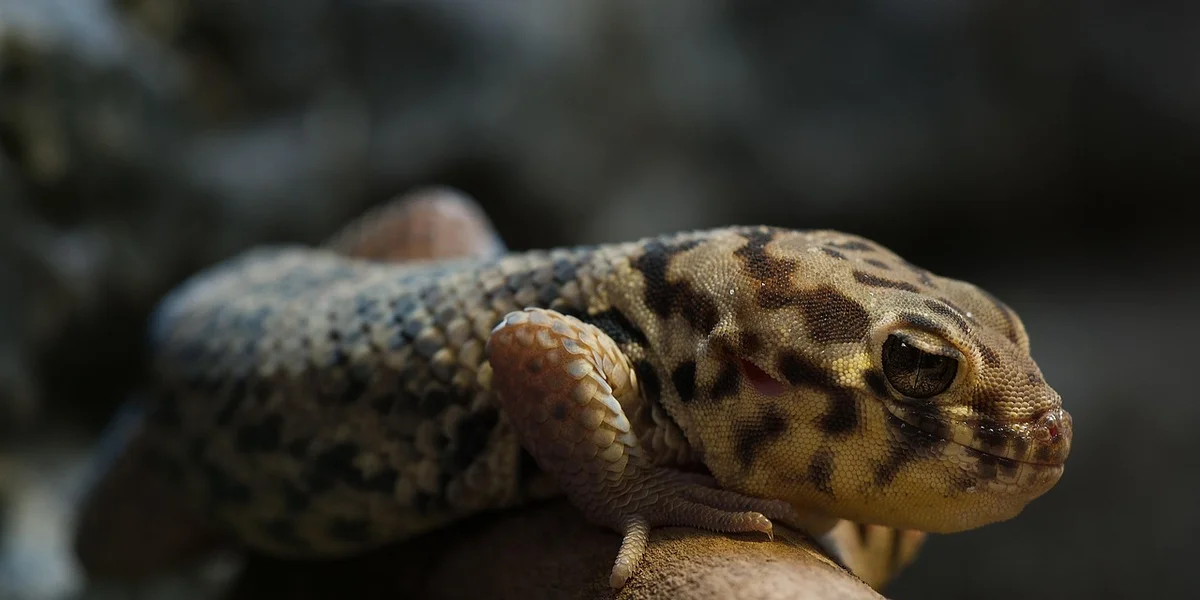
Even with the best setup, sometimes a bioactive vivarium needs an expert’s touch. I learned this the hard way when my gecko, A-Rod, developed a persistent skin issue that my spot-cleaning and substrate changes just couldn’t fix. Knowing when to call in the cavalry can save your gecko’s health and your entire ecosystem. Calming a stressed gecko often comes down to simple, effective techniques and a few environmental fixes that reduce stress and support healing. When you tune the habitat to their needs, a calm gecko is more likely to recover and stay healthy.
Scenarios That Demand a Professional
- Persistent Mold Outbreaks: A small patch of white fuzz is normal during the “break-in” period. But if you see large, colorful (black, pink, orange), or slimy mold colonies that return within days of you removing them, your cleanup crew is overwhelmed. This often signals a deeper imbalance in moisture, ventilation, or waste breakdown that needs diagnosis.
- Unexplained Gecko Illness: If your gecko shows symptoms like prolonged lethargy, sudden weight loss, labored breathing, or persistent runny stools, don’t experiment with home remedies. An exotic veterinarian is your first and most important line of defense for any animal health concern. I always get my new geckos a baseline checkup to catch issues early.
- Constant Pest Infestations: A few fungus gnats are a nuisance. An explosion of mites, flies, or other pests indicates a problem with decaying organic matter that your ecosystem cannot process. A terrarium specialist can identify the pest and the root cause.
Who to Consult and What to Ask
Not all help is created equal. You need the right expert for the specific problem.
- For Your Gecko’s Health: An Exotic Veterinarian. Look for a vet certified in reptile care. Before your visit, take clear photos of the vivarium, note the temperatures and humidity levels, and list the brands of supplements and food you use. This data is pure gold for a diagnosis.
- For Your Vivarium’s Health: A Terrarium Specialist or Experienced Breededer. These experts live and breathe bioactive setups. They can often spot an issue from a single picture. Ask them to assess your plant choices, drainage layer, and cleanup crew composition, as these are common failure points. I’ve gotten my best advice from fellow gecko keepers in specialized online forums.
Red Flags Requiring Immediate Action
Some situations can’t wait for a scheduled appointment. If you notice any of the following, it’s time for urgent care.
- Your gecko is completely unresponsive or has obvious physical trauma.
- You observe seizures, severe tremors, or a head tilt.
- There is a foul, rotten smell coming from the enclosure, which could indicate a dead cleanup crew or anaerobic (oxygen-starved) substrate, a serious concern.
- Your gecko has not eaten or passed waste for over two weeks and is visibly losing weight.
Trust your gut—you know your gecko better than anyone. If something feels seriously wrong, it’s always better to be safe and seek professional help immediately. Understanding what counts as normal versus abnormal gecko behavior can help you spot concerns early. When you’re concerned, look for changes in appetite, activity, or shedding, and call a reptile-savvy vet. A proactive call can make all the difference for your scaly friend’s wellbeing.
FAQs
How often should I replace the substrate in a bioactive vivarium?
Substrate replacement is rarely needed if maintained properly, but if it becomes compacted, waterlogged, or develops a persistent foul odor, consider replacing portions every 1-2 years. For geckos, many keepers change substrate more frequently—about every 3-6 months or when you notice moisture or odor buildup. Regular checks help keep your gecko healthy and comfortable.
What are the signs that my gecko is stressed by the vivarium environment?
Signs of stress include constant glass-surfing, excessive hiding, refusal to eat, or irregular shedding due to improper humidity, temperature, or lack of hiding spots.
Is it normal to see insects like springtails on the glass of the vivarium?
Yes, occasional springtails on the glass are normal, especially in high humidity, but a large, persistent presence may indicate an overpopulation or environmental imbalance.
Keep Observing, Keep Learning
A thriving bioactive setup is a balanced ecosystem, and that balance hinges on getting the fundamentals right. Your troubleshooting mission always starts with the core trio: ensuring your cleanup crew is alive and multiplying, confirming your plants are receiving the correct type and amount of light, and meticulously managing moisture levels to prevent mold or complete dryness.
Remember, being a great gecko guardian means committing to a journey of continuous learning and adaptation. Your vivarium is a living, breathing world, and your attentive care is what allows your scaly friend to truly flourish within it. In our complete guide to understanding gecko behavior and temperament, you’ll learn to read signals and tailor care. This knowledge helps you nurture a confident, thriving gecko.
Further Reading & Sources
- How to Set up a Bioactive Vivarium: The Ultimate Guide – Reptile Advisor
- r/bioactive on Reddit: Tips for first bioactive vivarium?
- How do I create a BioActive vivarium? – The Bio Dude
The Gecko Guide is your ultimate resource for gecko enthusiasts, providing expert advice and practical tips to ensure the health and happiness of your scaly companions. Alexander is a passionate gecko owner with over a decade of experience in reptile care. We are dedicated to offering accurate, up-to-date information to support your gecko journey.Our mission is to foster a community of responsible gecko owners who are passionate about the well-being of these fascinating creatures.
Gecko Housing & Habitat