
15 Common Leopard Gecko Myths Debunked
Published on: March 16, 2026 | Last Updated: March 16, 2026
Written By: Alexander 'Gecko Geek' Johnson
Have you heard conflicting advice about leopard gecko care and now you’re worried you might be accidentally harming your pet? You are not alone. I’ve been there, and I’ve seen how easily misinformation spreads, even from well-meaning pet store employees.
In this article, I’ll help you separate fact from dangerous fiction. We will tackle the most persistent myths so you can feel confident you’re providing the best care.
By the end, you will know:
- The truth about critical topics like shedding, feeding, and housing.
- How to spot bad advice before it impacts your gecko’s health.
- Simple, science-backed practices to ensure your pet thrives for years.
You will get clear, actionable advice to keep your scaly friend happy and healthy. We’re covering: tank size, substrate, lighting, handling, cohabitation, tail loss, brumation, feeding, shedding, hydration, vitamins, heat sources, lifespan, behavior, and general care.
Debunking Leopard Gecko Lighting and Heat Myths
One of the most persistent myths is that leopard geckos don’t need special lighting because they’re nocturnal. This oversimplification can seriously impact their health and happiness. Proper heating and lighting are non-negotiable for replicating the natural environmental cues they would experience in the wild, especially when it’s essential to understand day and night cycles for geckos.
The UVB Lighting Debate
Many owners are told UVB is dangerous and unnecessary. This is outdated advice. While leopard geckos can survive without UVB, providing low-level UVB lighting, like a shadedweller or a low-output T5 tube, can be hugely beneficial. I witnessed a remarkable change in my gecko, Griffey, after introducing a proper UVB setup; his colors became more vibrant and his overall activity levels increased. It helps them synthesize vitamin D3 more naturally, leading to stronger bones and better overall health. Just ensure you provide plenty of shaded hides so they can escape the light if they wish, especially since UVB is often misunderstood by many owners.
Basking Needs of a “Nocturnal” Gecko
Labeling them as strictly nocturnal is a bit misleading. They are actually crepuscular, meaning most active at dawn and dusk. They absolutely require a heat gradient to thermoregulate. Your gecko needs a warm side to digest food and a cool side to lower its body temperature, mimicking the natural warmth it would absorb from the sun-warmed ground.
Creating this gradient is simple but vital.
- Warm Side: 88-92°F (31-33°C)
- Cool Side: 70-75°F (21-24°C)
- Never let the overall enclosure drop below 70°F (21°C) at night.
Common Heating Mistakes to Avoid
Getting the heat source wrong is a fast track to health problems. I’ve seen too many enclosures with unsafe setups.
- Heat Source: Avoid heat rocks at all costs-they cause severe thermal burns. An under-tank heater (UTH) regulated by a thermostat is the safest and most effective primary heat source.
- Thermometer Use: Do not rely on the tiny, sticky dial thermometers. They are notoriously inaccurate. You must use a digital thermometer with a probe or a temperature gun to measure the surface temperature on the warm hide floor.
- Creating the Gradient: Place the UTH under one side of the tank, not the middle. This automatically creates a warm zone and a cool zone. The thermostat probe should be secured directly to the floor over the UTH to prevent overheating.
The Truth About Leopard Gecko Diet and Nutrition
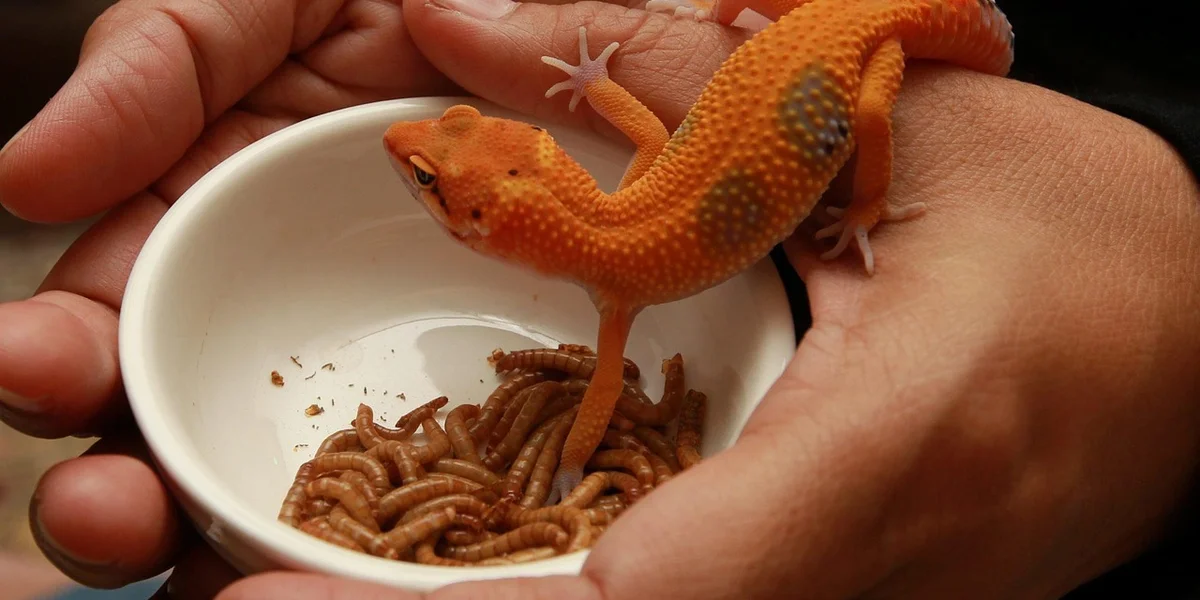
Feeding your leopard gecko is about more than just tossing in a few insects. A poor diet is a slow-acting poison that leads to metabolic bone disease, obesity, and a shortened lifespan. Variety isn’t just the spice of life for your gecko; it’s the foundation of its health.
Moving Beyond a Monotone Diet
The belief that crickets or mealworms alone are sufficient is one of the most harmful myths. Each feeder insect has a different nutritional profile.
- Crickets: Good for stimulation, but can be low in fat.
- Mealworms: Higher in fat and chitin, so feed in moderation.
- Dubia Roaches: An excellent staple-high in protein and easy to digest.
- Black Soldier Fly Larvae (Calciworms): Packed with calcium, a fantastic regular feeder.
- Hornworms: A great hydrating treat.
Rotating through at least three different feeders ensures your gecko gets a broad spectrum of nutrients and prevents them from becoming fixated on a single, less-nutritious food.
The Critical Role of Gut Loading and Supplementation
You are not just feeding the insect to your gecko; you are feeding what the insect ate. This is called gut loading.
- Gut Loading: Feed your feeder insects a nutritious diet (like sweet potato, leafy greens, and commercial gut load) for at least 24 hours before offering them to your gecko. A well-fed insect is a vitamin-packed meal.
- Calcium Supplementation: The myth that calcium powder alone is enough is dangerous. They need two types of dusting powder.
- Calcium with D3: Use this if you do not provide UVB lighting. Dust insects at every other feeding.
- Calcium without D3: Use this if you do provide UVB lighting. It can be offered in a small dish in the enclosure for them to lick as needed.
- A Multivitamin: This is non-negotiable. Dust insects with a reptile-specific multivitamin once a week.
Prey Size, Frequency, and Avoiding Deficiencies
Overfeeding is just as problematic as underfeeding. A fat gecko is not a healthy gecko.
- Prey Size: Never feed anything larger than the space between your gecko’s eyes.
- Feeding Frequency:
- Juveniles (Under 1 year): Daily.
- Adults (Over 1 year): Every other day, or 2-3 times a week. Watch their tail-it should be plump but not obese.
- Avoiding Deficiencies: The most common sign of a nutritional problem, especially metabolic bone disease (MBD), is a wobbly gait, softened jaw (rubber jaw), or difficulty climbing. This is directly caused by incorrect calcium-to-phosphorus ratios and a lack of D3. A varied, supplemented diet is your best defense.
Handling and Social Behavior Myths Uncovered
Many owners believe leopard geckos crave cuddles like a puppy, but this myth can lead to serious stress. Leopard geckos are solitary creatures by nature and do not “enjoy” being held in the way mammals might. I’ve seen new keepers mistake curiosity for affection, only to notice their gecko hiding more or losing appetite from handling overload. Handling should always prioritize the gecko’s comfort, not our desire for interaction.
Socialization myths often suggest you can “bond” with your gecko through frequent handling, but this isn’t how their brains work. While they can learn to tolerate handling, they don’t form emotional attachments like dogs or cats. Proper techniques involve supporting their entire body, keeping sessions under 10-15 minutes, and always washing hands to avoid transferring scents. I start by letting my geckos crawl onto my hand voluntarily-never grabbing them-which reduces panic and builds trust over weeks.
- Always approach from the side, not above, to avoid triggering predator responses.
- Handle in a secure, quiet area to minimize escape risks and noise stress.
- Watch for stress signs: tail waving, rapid breathing, or trying to flee mean it’s time to stop.
My crested gecko Jeter, for instance, sits calmly on my shoulder during brief sessions, but I limit this to a few times a week. Even “calm” geckos like Jeter experience stress, so I never force interaction if he’s shedding or seems skittish. Remember, a content gecko is one that feels safe in its enclosure, not one that’s constantly handled.
Enclosure Setup Myths That Compromise Comfort
One of the most dangerous myths is that sand substrate mimics a leopard gecko’s natural habitat. Sand is a leading cause of impaction, where ingested particles block their intestines, often fatally. I learned this the hard way years ago when a gecko required vet care after I used calcium sand-marketed as “safe.” Now, I only use paper towel for juveniles and tile or reptile carpet for adults, which are easy to clean and pose no ingestion risk.
- Safe substrate options: paper towel, slate tile, non-adhesive shelf liner, or bioactive soil mixes without loose sand.
- Avoid: calcium sand, crushed walnut, or any fine, loose materials that can be swallowed.
Enclosure size myths suggest a 10-gallon tank is enough for life, but that’s like living in a closet. Adult leopard geckos thrive in a 20-gallon long tank minimum, with plenty of floor space for exploring and exercising. Hiding spots are non-negotiable-I use three hides (warm, cool, and moist) to let them regulate temperature and feel secure. My gecko A-Rod, an African fat-tailed, rearranges his hides often, showing how important enrichment is for their mental health.
Humidity levels are another overlooked area; too dry, and shedding fails, too damp, and respiratory infections brew. I maintain 30-40% humidity with a moist hide filled with damp sphagnum moss, checked daily with a hygrometer. In my setup for Griffey, I use a under-tank heater on one side to create a temperature gradient, ensuring he can bask or cool off as needed. This mimics their natural environment and prevents thermal stress.
Common Health Misconceptions and Vet Care
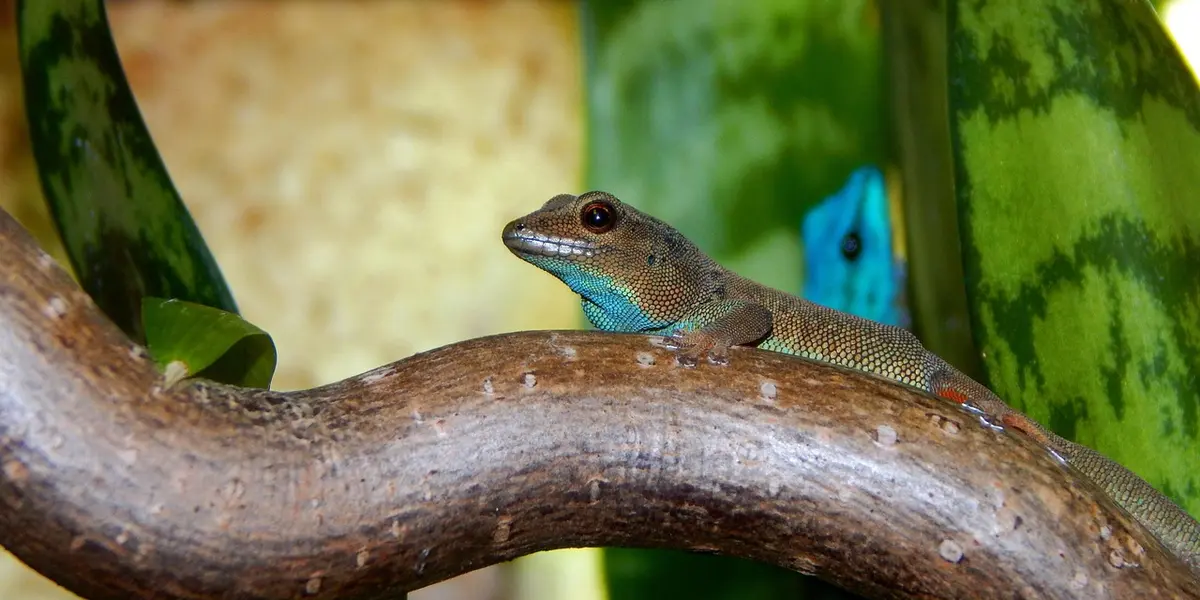
One persistent myth is that leopard geckos cannot develop metabolic bone disease (MBD) because they are hardy desert animals. In reality, MBD is a painful, preventable condition caused by insufficient calcium or UVB exposure, leading to soft bones and deformities. I watched my gecko Griffey struggle with early MBD signs until I fixed his UVB lighting and dusted his insects with calcium powder—now he poses proudly without a wobble. Early detection and proper treatment can reverse MBD in geckos. With ongoing calcium supplementation and adequate UVB exposure, many geckos recover fully.
Many owners believe geckos hydrate solely from their food, but this is dangerously false. Leopard geckos need a shallow water dish changed daily, and some benefit from a light misting to aid drinking and shedding. Geckos do drink water, often in small sips from a shallow dish. Keeping a clean water dish available and offering occasional misting helps ensure they stay hydrated. Dehydration can cause kidney issues and stuck shed, which I’ve seen block toes and tails if ignored.
Shedding problems are often dismissed as normal, but stuck skin can cut off circulation. Always provide a humid hide filled with damp sphagnum moss to help your gecko shed smoothly. My gecko Jeter once had a stubborn shed on his tail; a quick soak and gentle rub saved him from injury. If you encounter a stuck shed, a simple step-by-step guide can help you safely assist your gecko.
Knowing when to seek veterinary care can save your gecko’s life. Watch for signs like lethargy, loss of appetite, weight loss, labored breathing, or unusual stools. Preventive measures include a balanced diet, clean habitat, and stress reduction.
- Lethargy or hiding more than usual
- Refusing food for over three days
- Swelling, discharge, or skin discoloration
- Difficulty moving or visible bone deformities
Regular reptile vet visits are non-negotiable for long-term health. Schedule annual check-ups to catch issues early, much like a wellness physical for humans. Quarantine new geckos for at least 30 days in a separate enclosure to prevent spreading parasites or illnesses to your existing pets-I learned this after introducing a gecko that passed mites to others.
Odd Myths and General Care Blunders
Some quirky myths, like hosting birthday parties for geckos, sound fun but stress them out. Geckos don’t understand celebrations, and loud noises or handling can cause anxiety. I once saw a friend try to put a tiny hat on their gecko; the poor thing hid for a week!
Incorrect thermometer use is a common blunder-analog types are often inaccurate. Always use digital thermometers and hygrometers to monitor temperature and humidity precisely. A-Rod’s tank was once too cold because of a faulty analog gauge, making him sluggish until I upgraded.
Lighting schedules are frequently mismanaged, with owners leaving lights on 24/7. Leopard geckos need a consistent day-night cycle to regulate their nocturnal behavior; use timers for 12 hours of light and 12 of darkness. Mimicking natural day-night cycles is key to optimal gecko health, supporting sleep, feeding, and immune function. Disrupting this can lead to sleep deprivation and weakened immune systems.
Assuming geckos are diurnal is a mistake—they are most active at night. Respect their natural rhythms by avoiding daytime handling and providing hiding spots for daytime rest. Mookie’s playful leaps only happen after dusk, so I schedule feedings and interactions then. Lighting temperature can influence gecko behavior, helping cue their nocturnal activity. Calibrating heat and light to mimic sunset reinforces their natural rhythms.
Enclosure maintenance blunders, like infrequent cleaning, invite bacteria and mold. Spot-clean daily and do a full substrate change monthly to prevent infections. I neglected this once, and Babe developed a mild skin irritation that required vet treatment.
General care mistakes often stem from treating geckos like mammals. Remember, they are reptiles with specific needs-research and observe to avoid assumptions. Anecdotes from my herd show that small errors, like using sand substrate, can lead to impaction, but switching to tile solved it quickly.
FAQs
Is it safe to house multiple leopard geckos together?
No, leopard geckos are solitary by nature and cohabitation can cause stress, fighting, and serious injuries due to territorial behavior.
What should I do if my leopard gecko loses its tail?
Tail loss is a natural defensive response geckos use when stressed or threatened. Reducing stress and minimizing handling helps prevent this response from being triggered. If your gecko drops its tail, ensure the wound stays clean to prevent infection and provide a calm environment, as the tail will slowly regrow but may not look the same.
Do leopard geckos need to brumate or hibernate?
Leopard geckos may enter brumation in cooler months, but it is not required, and you should reduce feeding and monitor their health while maintaining access to water.
Final Thoughts
The most important lesson is to trust science and expert advice over persistent myths and well-meaning but outdated pet store guidance. Providing the right heating, a nutritious diet, proper habitat, and respectful handling based on your gecko’s actual needs is what truly keeps them healthy and thriving for years. This careful care helps prevent common health problems geckos face, including dehydration, metabolic bone disease, and respiratory infections.
Being a fantastic gecko guardian is a journey of continuous learning, and your commitment to getting the facts right makes all the difference. Always stay curious, question old assumptions, and let your love for your pet drive you to provide the absolute best care possible.
Further Reading & Sources
- Common Leopard Gecko Misconceptions and Myths | Debunking – YouTube
- Do Leopard Geckos Like Water and How to Provide the Right Hydration for Their Health
- r/leopardgeckos on Reddit: Common Myths About Leopard Gecko Care
The Gecko Guide is your ultimate resource for gecko enthusiasts, providing expert advice and practical tips to ensure the health and happiness of your scaly companions. Alexander is a passionate gecko owner with over a decade of experience in reptile care. We are dedicated to offering accurate, up-to-date information to support your gecko journey.Our mission is to foster a community of responsible gecko owners who are passionate about the well-being of these fascinating creatures.
Gecko Myths and Facts