
Identifying Gecko Appearance and Signs
Published on: April 21, 2026 | Last Updated: April 21, 2026
Written By: Alexander 'Gecko Geek' Johnson
Ever find yourself staring at your gecko, wondering if that odd spot or quirky behavior means something serious?
I’ve been there too with my own crew-Griffey the Leopard Gecko striking poses, Jeter the Crested Gecko ruling his branch-and I’m here to help you decode what you’re seeing.
By the end of this, you’ll confidently recognize key aspects of your gecko’s health and identity. We’ll focus on:
- Spotting physical traits that reveal species and morph
- Reading behavior as a window into their well-being
- Identifying early signs of common health issues
You’ll get clear, actionable advice based on my hands-on experience. We’ll explore: species identification, color and morph patterns, behavioral cues, age indicators, and health red flags.
Identifying Common Gecko Species and Their Unique Looks
Spotting Differences Between Popular Pet Geckos
Telling your geckos apart gets much easier once you know what to look for. I learned this firsthand when I first brought my crew home-they all looked like little lizards to me, but their distinct features quickly became obvious. Here’s a breakdown of the most common pet gecko species.
- Leopard Gecko: These are the classic beginner geckos. They have a stout body, a thick tail for fat storage, and movable eyelids. Their colors range from yellow to orange with black spots, like my gecko Griffey, who sports a golden coat with perfect spots. A key feature? They lack sticky toe pads and have small claws instead.
- Crested Gecko: Instantly recognizable by the fringed crests that run from their eyes down their back. They have large, sticky toe pads that let them climb glass, and their skin feels soft and velvety. My crested gecko, Jeter, is a beautiful orange with a cream stripe down his back.
- Gargoyle Gecko: They look like a crested gecko’s sturdier cousin, with a bumpier texture and a horn-like structure on either side of their head. They also have prehensile tails and sticky toe pads. My Gargoyle, Mookie, is a mottled gray and red and is an incredible jumper.
Understanding Gecko Morphs and Color Variations
A “morph” is simply a genetic variation that affects a gecko’s color, pattern, or physical structure. Breeding for specific morphs has created an incredible diversity of looks, far beyond what you see in the wild. It’s one of the most exciting parts of gecko keeping. Here are some common examples.
| Morph Name | Species | Appearance | Common Traits |
|---|---|---|---|
| High Yellow | Leopard Gecko | Intense yellow background with reduced black spotting. | Often energetic and bold; a very classic look. |
| Flame | Crested Gecko | Lighter, creamy-colored pattern that “flames” up from the sides onto the back. | Calm disposition; the pattern can change slightly with each shed. |
| Bold Stripe | African Fat-Tailed Gecko | A solid, unbroken white or cream stripe runs from the head down the back. | Tends to be more territorial and prefers a calm environment. |
| Red Blotch | Gargoyle Gecko | A base color of gray or brown with distinct, uneven red patches. | Playful and active, especially at dawn and dusk. |
Sexing and Estimating Your Gecko’s Age
How to Tell If Your Gecko Is Male or Female
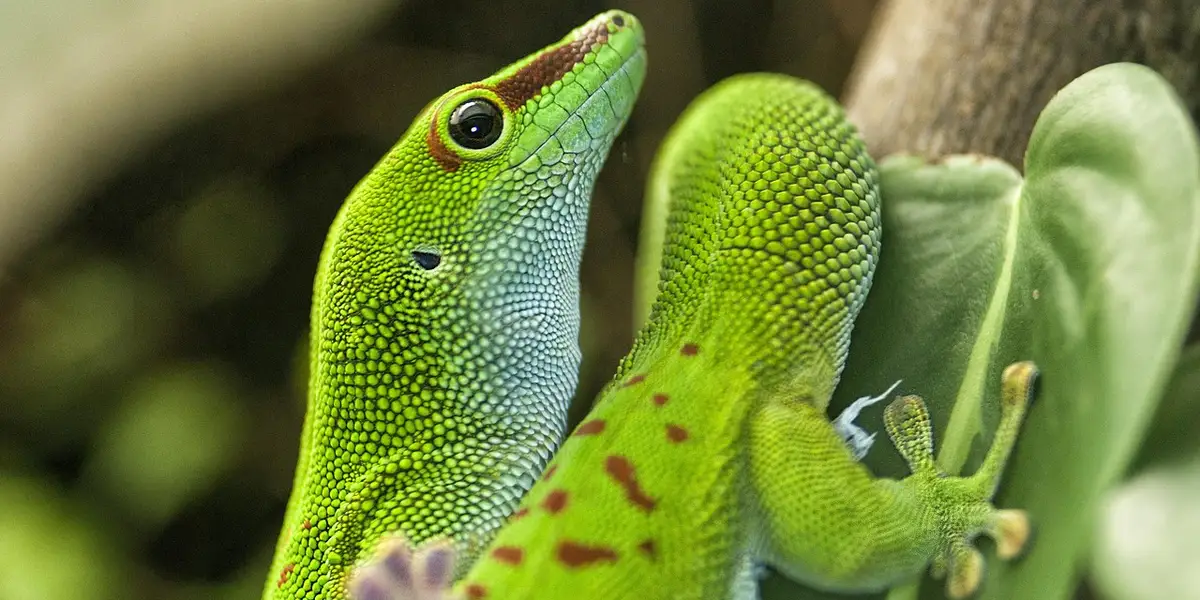
Determining your gecko’s sex, or “sexing,” is important for understanding behavior and preventing unexpected breeding. The most reliable method involves looking for pre-anal pores and hemipenal bulges, which become visible around 6-12 months of age. Always handle your gecko gently and confidently during this check.
- Ensure Your Gecko is Old Enough: Juveniles are nearly impossible to sex. Wait until they are at least 15-20 grams in weight.
- Get a Clear View: Gently pick up your gecko and support its whole body. Lift the tail to look at the underside, right where the tail meets the body.
- Look for Pores and Bulges: Males have a distinct V-shaped row of pre-anal pores (tiny dark dots) and two noticeable bulges at the base of the tail, which are the hemipenes. Females lack these bulges and have very faint or no visible pores.
I remember checking my A-Rod; his bulges and prominent pores made it clear he was a male. If you are ever unsure, the safest option is to have an experienced vet or breeder show you how.
Clues to Your Gecko’s Age and Lifespan
Unless you got your gecko as a hatchling, pinpointing an exact age is tricky. Instead, we look at a combination of size, weight, and overall condition to make an educated guess. Growth rate and current size are often the best clues to a gecko’s age range. In many species, younger geckos grow quickly, while growth slows as they reach adulthood. A gecko’s lifespan varies by species, but proper care is the biggest factor for a long, healthy life.
- Hatchling (0-6 months): Tiny, often under 5 inches long. Their patterns can be brighter but may change. They grow rapidly during this stage.
- Juvenile (6-12 months): Reaching about half their adult size. They are more coordinated and their adult coloration starts to solidify.
- Young Adult (1-3 years): This is when they reach full size and sexual maturity. Their skin is tight, bright, and they are at their most active.
- Mature Adult (4-7 years): Growth has stopped. They are established in their behavior and patterns.
- Senior (8+ years): You might notice less activity, and their skin may become a bit looser or less vibrant. With great care, many geckos live well into their teens or even twenties.
My oldest, Babe, is five and still acts like a hungry juvenile, but his impressive size and confident demeanor show his maturity. Consistent weight and a healthy, fat-storing tail are better indicators of health than any specific age number.
Recognizing Healthy Gecko Signs: Skin, Eyes, and More
Normal Skin, Scales, and Shedding Indicators
Watching a gecko shed is like watching them get a brand new outfit. A healthy shed is a full, single-piece event. You’ll first notice their color becoming dull and grayish. This is a clear signal they are entering the shedding cycle and need higher humidity.
To assist a healthy shed, ensure your terrarium has a proper humid hide. I keep a small plastic container with a hole cut in the lid, filled with moist sphagnum moss. My leopard gecko, Griffey, uses his almost every single time.
Steps to Assist with Stuck Shed
- Prepare a shallow tub with lukewarm water-just deep enough to cover their feet.
- Let your gecko soak for 10-15 minutes. Supervise them closely.
- Gently use a moistened cotton swab to roll the stuck skin off. Never pull.
- Focus on delicate areas like toes, the tip of the tail, and around the eyes.
Stuck shed can cut off circulation, leading to lost toes. It’s a problem I’ve thankfully avoided by maintaining that humid hide.
Now, about gecko pee. It’s not what you might expect. Geckos excrete a solid, white portion called urates alongside a darker, solid fecal matter. The urates should be white or off-white. If they are yellow or chalky, it often signals dehydration. The poop itself is firm and brown. Runny or greenish waste is a red flag.
Assessing Eyes, Pupils, and Toe Pads for Wellness
Your gecko’s eyes are beautiful health indicators. They should be clear, bright, and fully open when active. The pupils should be a clean, vertical slit that responds quickly to light changes. Gecko vision explained: their night vision and color perception come from specialized eye anatomy, including a retina tuned for low light and fast motion detection. This eye structure helps explain why your gecko can see in near darkness and perceive colors differently than humans.
For crested and gargoyle geckos, those sticky toe pads are engineering marvels. Each toe pad is covered in tiny hair-like structures called lamellae that allow them to climb glass. Check that these pads are clean, intact, and free of any stuck shed. That’s a quick peek at how gecko feet work. Scientists study the microstructures behind their sticky properties—the lamellae and setae generate reversible adhesion through van der Waals forces.
Red Flags for Eyes and Toes
- Cloudy eyes (outside of shedding).
- Swollen or sunken eyelids.
- Pupils that are uneven or unresponsive.
- Missing toes or toes that look constricted.
- Lamellae that appear dirty or damaged.
- Persistent squinting or keeping one eye closed.
My crested gecko, Jeter, once had a tiny piece of substrate stuck on his toe pad. I noticed him flicking his foot repeatedly. A quick, gentle wipe with a damp cloth solved it. Paying attention to these small behaviors is key.
What Do Leopard Geckos Teeth Look Like?
Leopard geckos have around 100 tiny, pointed teeth that are replaced every few months. You won’t see a big, toothy grin. Their teeth are arranged in rows along the jawbone, designed for gripping and crushing prey, not chewing.
Imagine a lineup of very small, sharp pins. That’s essentially what their teeth look like up close. You might catch a glimpse of them when your gecko yawns—a behavior that helps realign their jaw after a big meal. In gecko anatomy 101, these tiny, conical teeth sit next to their remarkable toe pads and other distinctive physical features. Their toes are built for climbing and gripping surfaces.
From feeding my crew, I know a gecko with good dental health strikes at its food with confident, accurate lunges. If your gecko is consistently missing its prey or dropping food, it could signal mouth pain or a dental issue. Healthy gums should be pink, not red or swollen. I’ve never had a major dental problem, largely because I provide a balanced diet that doesn’t require excessive, hard-to-crush prey. Gecko dental health is crucial for their overall well-being.
Spotting Abnormal Signs and Common Health Issues
Warning Signals in Coloration and Behavior
A gecko’s color and behavior are their primary ways of communicating. Dull, dark, or ashy skin when they are not shedding can mean stress or illness. A crested gecko that’s “firing down” (turning pale) for extended periods is often unhappy with its environment. In our crested gecko behavior and body language ultimate guide, these signals are explained so you can interpret what your gecko is telling you. By reading the cues, you can tailor care to improve its wellbeing.
Lethargy is a major warning sign. A healthy gecko is alert and reactive. If they are consistently hiding, not exploring at night, or seem limp when handled, something is wrong. Loss of appetite for more than a few days, especially in a young gecko, demands attention. These are early warning signs that your gecko may be ill. If you notice any of these signs, consult a reptile veterinarian promptly.
| Symptom | Possible Cause |
|---|---|
| Lethargy & Weight Loss | Parasites, Impaction, Metabolic Bone Disease (MBD) |
| Swollen Joints or Limping | MBD, Injury, Gout |
| Runny, Smelly, or Discolored Stool | Internal Parasites, Bacterial Infection |
| Gaping Mouth or Wheezing | Respiratory Infection |
| Persistent Dark Spots on Skin | Burns, Fungal Infection |
This table is a starting point, not a diagnosis. Always consult a reptile vet for persistent issues.
Dealing with Tail Autotomy and Regrowth
Tail dropping is a brilliant, if startling, defense mechanism. It can happen from stress, improper handling, or even being startled by a loud noise. My gecko A-Rod once dropped his tail when a decoration shifted unexpectedly. It was a heart-stopping moment.
The dropped tail will wriggle for a minute, distracting a predator. The gecko is left with a raw-looking stump. Your immediate job is to keep the habitat impeccably clean to prevent infection while the wound heals. Paper towel substrate is best during this time.
The regrowth process is fascinating but imperfect. The new tail will be made of cartilage, not bone, and often looks smoother, shorter, and a different color than the original. It won’t have the same segmented appearance. Provide extra nutrition and ensure they are eating well during regrowth, as the tail is a fat store.
Identifying Injuries, Parasites, and Infections
Regular handling lets you spot physical problems early. Run your eyes over their body looking for cuts, scrapes, or damaged scales. Look between their toes for tangled fibers or stuck shed.
Parasites can be internal or external. Mites look like tiny moving black or red dots, often around the eyes, ears, or skin folds. A gecko soaking in its water dish constantly can be a sign of mite irritation.
Signs of a respiratory infection include mucus around the nostrils, audible breathing clicks or wheezes, and keeping the head tilted up.
When to Seek Vet Care
- Any open wound that is bleeding or looks infected (red, swollen, pus).
- Limping or inability to use limbs.
- Prolapsed tissue (pink tissue coming from the vent).
- Seizures or uncontrollable shaking.
- No improvement after 48 hours of supportive care for minor issues.
For minor scale scrapes, I clean the area with a diluted betadine solution. But for anything more serious, I don’t play hero. Having a reptile vet’s number saved in your phone is one of the most responsible things a gecko owner can do.
Monitoring Growth, Development, and Reproductive Health
Signs of Healthy Growth and Size Changes
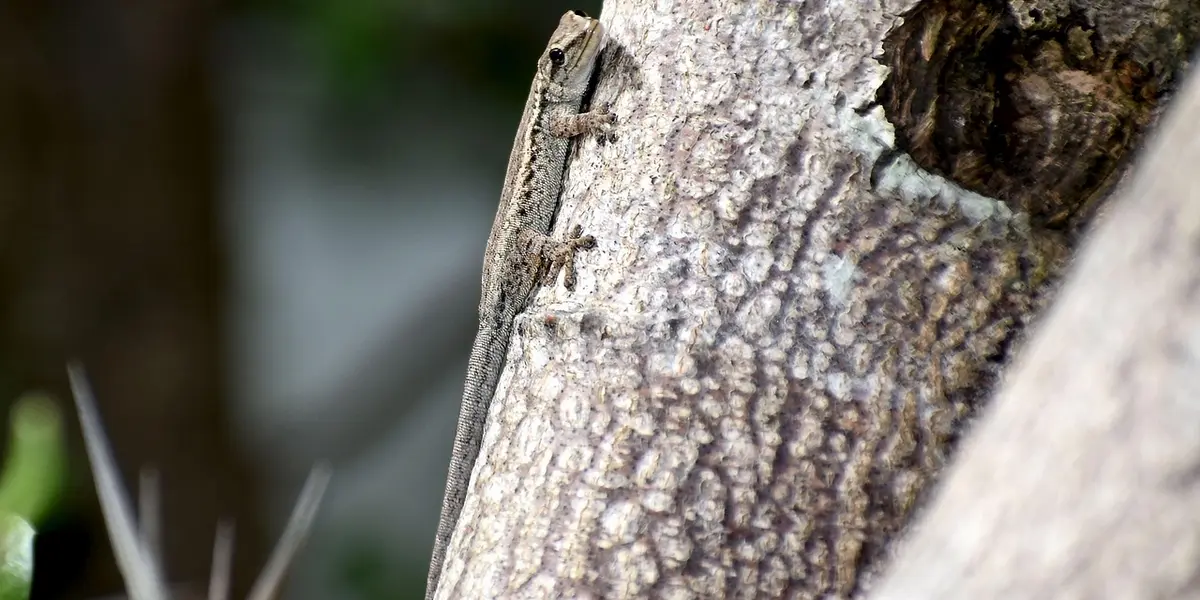
Watching your gecko grow from a tiny hatchling is one of the most rewarding parts of being an owner. A steady, consistent increase in both length and weight is the single best indicator your care is spot-on. I’ve raised all my geckos from babies, and tracking their progress in a simple notebook gave me immense peace of mind.
You can measure length with a clear plastic ruler placed against the terrarium glass while your gecko is calm. For weight, a small digital kitchen scale (in grams) and a lightweight container work perfectly. Weigh them once a week, around the same time of day.
Leopard Gecko Size & Weight Benchmarks
- Hatchling (0-1 month): 3-4 inches, 2-3 grams. They are incredibly delicate and slender.
- Juvenile (2-6 months): 5-7 inches, 15-25 grams. You’ll see a visible plumping of the tail and body weekly.
- Sub-Adult (7-12 months): 7-9 inches, 30-50 grams. Growth slows, but they fill out significantly.
- Adult (12+ months): 8-11 inches, 45-80 grams. A healthy adult has a thick tail and a well-proportioned body without visible hip bones.
What Does a Pregnant Gecko Look Like?
The proper term is “gravid,” which means she’s carrying eggs, whether they’re fertile or not. A gravid female will develop two prominent, pearly white ovals visible through the skin on her lower belly. My gecko Jeter once became gravid, and her sides looked like she’d swallowed two small, shiny marbles.
Her belly will swell, and she may become restless, digging in her moist hide and refusing food. You might even see her basking more to keep the eggs warm. This is all completely normal behavior.
Leopard gecko eggs are small, soft-shelled, and look like plump, off-white Tic Tacs. They are slightly sticky when first laid. If you intend to incubate them, you must not rotate them. Gently mark the top with a pencil and place them in an incubator with the same orientation you found them. Incubation temperature determines the hatchling’s sex for many species-around 80-82°F for females, 88-90°F for males. For detailed information on sexing and temperature requirements, visit incubate leopard gecko eggs for males or females.
Reproductive Cues and Egg-Laying Behaviors
When your gecko is ready to lay, her behavior will become very focused. She will spend almost all her time in her moist hide, digging and rearranging the substrate to create the perfect nest. This is when a proper lay box-a hide filled with damp sphagnum moss or vermiculite-is absolutely non-negotiable. Without it, she may become “egg-bound,” a serious medical condition.
Support her by ensuring the substrate in the lay box is damp enough to hold a tunnel shape without collapsing. Give her complete privacy and avoid handling her during this time.
Steps for Identifying and Handling Eggs
- Wait until she has left the lay box and is resting elsewhere in the enclosure.
- Carefully open the hide and look for the eggs. They are often buried.
- If you do not want to incubate them, you can dispose of them. If you do, proceed with extreme care.
- Use a soft spoon to gently unearth the egg without turning it.
- Look for the tiny air bubble inside to identify the top, and mark it with a pencil.
- Transfer the egg directly into your pre-set incubation medium, placing it in the same upright position.
Always wash your hands before and after handling eggs to prevent transferring oils or bacteria. The mother gecko does not care for the eggs after laying them, so your role is to provide a safe environment for them to develop if you choose that path.
FAQs
How often do geckos shed their skin, and what is the process?
Geckos typically shed every 4-8 weeks, with the process starting when their skin turns dull and gray before peeling off in one piece with proper humidity. Many geckos also eat their shed to reclaim nutrients and keep their enclosure clean. This complete guide explains why geckos shed their skin and when eating the shed is normal or something to monitor.
What are the signs of dehydration in geckos?
Signs of dehydration include sunken eyes, loss of skin elasticity, and yellow or chalky urates, alongside reduced activity levels.
How can I tell if my gecko is underweight or overweight?
An underweight gecko may have visible hip bones and a thin tail, while an overweight one shows excessive fat deposits and may struggle with mobility.
Your Gecko’s Health, At a Glance
Your most powerful tool is your own daily observation. Make a habit of looking for clear, bright eyes, smooth skin, a plump tail, and alert, curious behavior. Any major shift from this baseline-like dull skin, a thin tail, or lethargy-is your cue to take a closer look and act.
Committing to a pet means committing to being a lifelong student of their needs. The well-being of your scaly friend rests in your hands, so I encourage you to keep learning from trusted care guides, fellow owners, and your own wonderful, watchful eyes.
Further Reading & Sources
The Gecko Guide is your ultimate resource for gecko enthusiasts, providing expert advice and practical tips to ensure the health and happiness of your scaly companions. Alexander is a passionate gecko owner with over a decade of experience in reptile care. We are dedicated to offering accurate, up-to-date information to support your gecko journey.Our mission is to foster a community of responsible gecko owners who are passionate about the well-being of these fascinating creatures.
Gecko Health