
Gecko Physiology: Skin Absorption & Respiration Explained
Published on: April 24, 2026 | Last Updated: April 24, 2026
Written By: Alexander 'Gecko Geek' Johnson
Have you ever worried that handling your gecko with lotion on your hands could hurt them, or wondered how they can sometimes seem to breathe through their skin? You’re not alone, and your intuition is spot-on. A gecko’s body works in ways that are fascinatingly different from our own.
I’ve spent years caring for my own crew-Griffey, Jeter, and the rest-and understanding their unique physiology is what keeps them thriving. I’m here to help you grasp the essentials so you can be a more confident gecko owner. We will cover three key takeaways:
- How their skin acts as a vital, two-way street for moisture and substances.
- Why they don’t technically “breathe” through their skin but have a unique respiratory system.
- The direct link between this science and your daily care routine for a healthier pet.
You will get clear, actionable advice based on both science and my own lived experience. The article covers: Gecko Skin Structure, The Truth About Cutaneous Respiration, Lung Function and Breathing, Practical Safety for Handling and Habitat, Common Health Issues to Watch For.
What Is Cutaneous Respiration in Geckos?
Cutaneous respiration is a biological process where a gecko can directly exchange gases-taking in oxygen and releasing carbon dioxide-through its skin. This is a primary reason why handling your gecko with dirty or chemically-lotioned hands can be so dangerous; their skin is an active breathing organ.
Think of it this way: our human skin is a tough, protective barrier designed to keep things out. A gecko’s skin is more like a specialized, intelligent membrane that selectively allows things to pass through. It’s the difference between a brick wall and a high-tech filter.
From my own crew, I’ve observed this most in my crested geckos. Here are some species known for utilizing cutaneous respiration:
- Crested Geckos (like my calm Jeter)
- Gargoyle Geckos (like my playful Mookie)
- Day Geckos (like my bold Babe)
Leopard geckos and African Fat-tailed geckos, like my energetic Griffey and territorial A-Rod, rely on it less but are still capable of some skin-based gas exchange. This trait evolved because many geckos are small, nocturnal, and live in incredibly humid environments where lungs alone aren’t the most efficient option. For a gecko hiding in a dense, moist rainforest, breathing through their skin is an energy-saving superpower.
How Gecko Skin Absorption Works
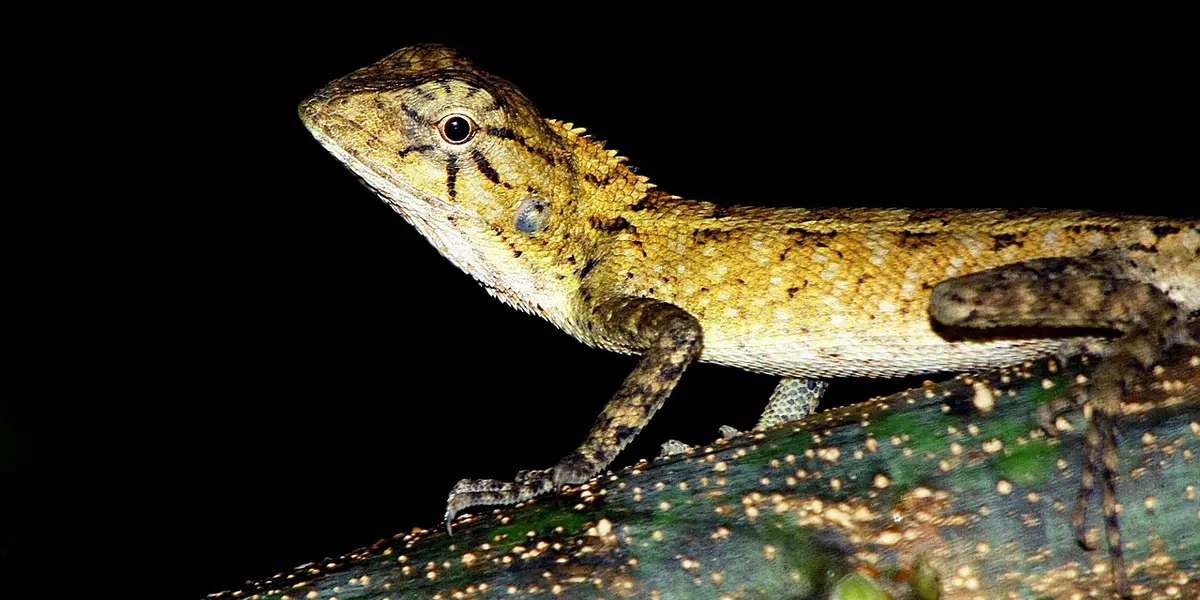
A gecko’s skin is a marvel of biological engineering. The outer layer, the epidermis, is covered in tiny scales and is rich in keratin, but it’s also surprisingly permeable. This permeability is the secret to their ability to absorb water and, unfortunately, harmful chemicals.
The process of absorption isn’t magical; it follows clear physical steps. Here is how a gecko hydrates through its skin, often seen as “water drinking”:
- A gecko encounters a water droplet on a leaf or the terrarium glass.
- It presses its belly or flank against the moisture.
- Capillary action pulls the water across the skin’s surface.
- The permeable skin layers then allow the water to pass into the gecko’s body for hydration.
This leads to some very common questions from new owners.
- Do geckos absorb water through their skin? Yes, absolutely. Many species, especially crested and day geckos, will drink this way more often than from a bowl.
- Can they absorb other liquids? Yes, and this is the danger. They can just as easily absorb oils, soaps, and residues from your hands.
I learned this the hard way early on. I noticed my first crested gecko, before Jeter, became lethargic after I handled him post-gardening. Now, I make it a strict rule to wash and thoroughly rinse my hands with plain water before any interaction. Watch your gecko after misting their tank; you’ll often see them licking droplets from surfaces and pressing their bodies against wet leaves, actively participating in their hydration.
Skin vs. Lung Respiration in Geckos
Geckos are fascinating because they use both skin and lungs to breathe. Cutaneous respiration lets them absorb oxygen directly through their skin, while lung-based breathing involves inhaling air through the trachea into lungs with tiny structures called faveoli that handle gas exchange. I’ve watched my leopard gecko Griffey stay perfectly still for hours, and I bet his skin is doing some of the work while he conserves energy. It’s important to know the signs of respiratory issues in geckos to ensure they stay healthy.
Lung respiration is faster and supports higher activity levels. When my crested gecko Jeter leaps between branches, his lungs kick into high gear to fuel those bursts of movement. Cutaneous respiration is slower but steady, ideal for resting or low-energy moments.
| Aspect | Cutaneous Respiration | Lung Respiration |
|---|---|---|
| Gas Exchange Efficiency | Low; suited for slow, constant uptake | High; rapid during activity |
| Metabolic Rate Support | Best for low metabolic states | Essential for high metabolic demands |
| Primary Organs | Skin surface | Trachea, lungs with faveoli |
Both systems team up seamlessly. During cooler periods, geckos like my African fat-tailed A-Rod might rely more on skin breathing to save energy, but when basking under a heat lamp, lung respiration takes over to handle the metabolic boost. Thermoregulation plays a big role here-warmer temps mean faster metabolism, so lungs work harder.
I’ve seen this in action with Babe, my giant day gecko. He’ll bask openly to warm up, and you can almost see his breathing rate increase as he switches to lung-dominated respiration for that extra oomph. It’s a clever adaptation that keeps them thriving in varying conditions.
Environmental Factors Affecting Skin Function
Your gecko’s skin health depends heavily on three key conditions. Humidity, temperature, and moisture levels directly impact how well their skin can absorb oxygen and retain water. Get these wrong, and you risk dehydration or poor respiration. For leopard geckos, ideal ambient humidity is relatively low—about 30-40%. A humid hide or damp area can raise humidity locally to aid shedding.
Based on my years of care, here are optimal ranges for common species:
- Leopard Geckos (like Griffey): Humidity 30-40%, temperature 75-85°F
- Crested Geckos (like Jeter): Humidity 60-80%, temperature 72-78°F
- African Fat-Tailed Geckos (like A-Rod): Humidity 50-60%, temperature 75-85°F
- Gargoyle Geckos (like Mookie): Humidity 60-70%, temperature 72-80°F
- Giant Day Geckos (like Babe): Humidity 50-70%, temperature 75-82°F
Dry conditions are a double whammy. Low humidity reduces oxygen uptake through the skin and speeds up water loss, leading to desiccation. I learned this the hard way when Mookie’s tank humidity dropped; he became less active and his skin looked dull, a clear sign of strain.
To prevent this, focus on practical steps. Use a hygrometer to monitor humidity, add a moist hide filled with damp sphagnum moss, and mist the enclosure daily for species that need it. For geckos like Jeter, I keep a routine of evening misting to mimic natural dew, and it keeps his skin supple and respiration efficient.
Always provide a thermal gradient with warm and cool areas. This lets your gecko choose spots that balance their respiration needs, whether they’re relying on skin or lungs at the moment. Lighting temperature can also influence gecko activity and behavior, shaping daily rhythms. Keeping day and night cycles consistent helps reinforce natural patterns. Your vigilance here makes all the difference in their well-being.
Caring for Your Gecko’s Skin and Respiratory Health
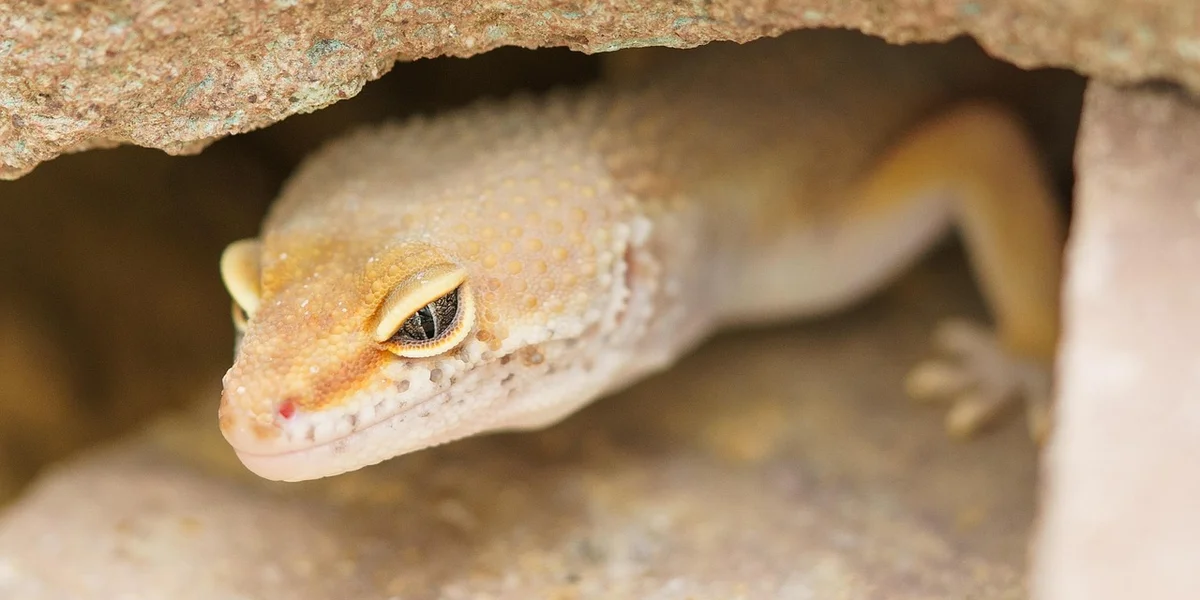
Your gecko’s skin is their superpower and their vulnerability. Proper husbandry is your primary tool for keeping that delicate system functioning perfectly. Here’s how to build a healthy environment from the ground up. This also includes making the enclosure safe from common household hazards. Keep cords secured and out of reach, and store cleaners and small objects away from the enclosure.
Step-by-Step Husbandry for Healthy Skin & Lungs
Misting and Humidity Schedules
Getting humidity right is a dance. Too little, and they can’t shed; too much, and you risk respiratory infections.
- For Crested, Gargoyle, and other New Caledonian species: Mist the enclosure heavily in the evening, right when their lights go off. You want the enclosure to dry out almost completely by morning. My crested gecko, Jeter, gets a heavy nightly spray that beads up on the glass and leaves.
- For Leopard and African Fat-Tailed Geckos: These arid species need lower humidity. Provide a humid hide instead of misting the entire tank. I keep a small plastic container with damp sphagnum moss in Griffey’s tank, and he uses it perfectly every shed cycle.
Substrate Choices Matter
The floor of your tank is in constant contact with their skin. Choose wisely.
- Safe & Recommended: Paper towel, slate or ceramic tile, and reptile carpets are my top picks for beginners. They are safe, easy to clean, and pose no risk of impaction or irritation.
- Use with Caution: Bioactive setups with a soil/sand/clay mix can work for experts, but you must be certain of the ingredients. Loose substrates like pure sand or coconut fiber can be ingested or irritate the skin and should be avoided for most species.
- Never Use: Cedar or pine shavings. The aromatic oils are toxic and can be absorbed through the skin or inhaled, causing severe respiratory distress.
Hydration Methods Beyond a Bowl
Many geckos won’t drink from a standing water dish. You need to get creative.
- Lick water droplets from leaves and glass after misting. This is how my Gargoyle gecko, Mookie, gets most of his water.
- Provide a very shallow water dish for soaking. My Giant Day Gecko, Babe, sometimes dunks her snout in her dish, which always makes me smile.
Safe Handling Practices
Your hands can damage their skin if you’re not careful.
- Always wash and rinse your hands thoroughly before handling to remove lotions, soaps, or food residues.
- Let the gecko walk onto your open hand. Never grab or restrain them, especially by the tail.
- Avoid handling during a shed. Their skin is extra sensitive and prone to tearing.
Avoid These Harmful Chemicals
Because their skin absorbs so much, you must be a watchdog for toxins.
- Never use commercial cleaning sprays inside the enclosure. Even residue can cause harm.
- Avoid any topical ointments, antibiotic creams, or mite sprays not specifically prescribed by a reptile vet.
- Don’t use scented candles, air fresheners, or plug-in diffusers in the same room. Their lungs are too delicate for those aerosols.
My Personal Daily Routine
Consistency is everything. My evening ritual takes 10 minutes.
- Check on each gecko, looking for bright eyes and alert behavior.
- Spot clean any waste with a paper towel.
- Heavily mist Jeter and Mookie’s enclosures.
- Check that Griffey and A-Rod’s humid hides are damp.
- Refill all water dishes with fresh water.
Recognizing Skin and Respiratory Problems
Catching an issue early can make all the difference. You are your gecko’s first line of defense, so knowing what to look for is critical.
Common Signs of Trouble
Skin Problems
- Stuck shed, especially on toes, the tip of the tail, and around the eyes.
- Discoloration, dullness, or blackish spots that aren’t part of their normal pattern.
- Skin that looks wrinkled or too loose, indicating dehydration.
Respiratory Problems
- Audible wheezing, clicking, or popping sounds when they breathe.
- Mucus or bubbles around the nostrils or mouth.
- Lethargy and loss of appetite, often paired with breathing with an open mouth.
First Aid and When to Stop
For minor stuck shed, you can try a warm, shallow sauna. Place your gecko in a small container with a warm, damp paper towel for 10-15 minutes. The humidity can help loosen the skin.
Do not pull the skin off. You can cause serious damage. If it doesn’t come off easily after a sauna, stop. Do not use cotton swabs or tweezers around their eyes. This is the point where you call a vet.
Advocating for Veterinary Care
I learned this lesson with Babe, my Day Gecko. I noticed she was less interested in her food and seemed to be breathing a bit heavily. I waited a day, thinking it was just an off day. That was a mistake. By the next morning, she was clearly struggling. The vet diagnosed a respiratory infection that required a course of antibiotics. She recovered, but I’ll never ignore those subtle signs again. If you see any of the respiratory symptoms listed above, seek professional help immediately. These infections can turn serious very quickly.
Symptom Quick-Reference Table
| Symptom | Possible Cause | Recommended Action |
|---|---|---|
| Stuck shed on toes | Low humidity | Provide a humid hide; attempt a warm sauna. Vet if it persists. |
| Lethargy, no appetite | Various (stress, illness) | Check enclosure temps/humidity. Vet if it lasts more than 2 days. |
| Wheezing or bubbling at nose | Respiratory Infection | SEEK A VETERINARIAN IMMEDIATELY. This is an emergency. |
| Skin discoloration or sores | Infection, Burn, Parasites | Veterinarian appointment for diagnosis and treatment. |
FAQs
How thick is gecko skin and how does this affect gas exchange?
Gecko skin is very thin, which reduces the diffusion distance for gases and allows for more efficient oxygen and carbon dioxide exchange. This makes airflow and proper tank ventilation critical in gecko care. Adequate ventilation ensures a steady supply of fresh air and helps maintain appropriate humidity, reducing the risk of respiratory problems.
Are there specialized skin structures involved in gecko skin respiration?
Yes, gecko skin contains a dense network of capillaries and a highly permeable epidermis that are specialized for cutaneous gas exchange.
What evidence supports the existence of skin respiration in geckos?
Physiological experiments, such as measuring gas exchange through isolated skin or in live geckos with restricted lung function, provide evidence for skin respiration.
Can geckos absorb oxygen through skin in dry conditions?
Geckos have a reduced ability to absorb oxygen through their skin in dry conditions due to decreased skin permeability and higher water loss. This makes proper hydration and humidity control essential for their health. To avoid common pitfalls, study the 8 biggest mistakes in gecko hydration and humidity control.
Why do geckos use skin respiration?
Geckos use skin respiration as an energy-efficient adaptation to supplement lung breathing, particularly in humid environments where it supports survival during rest or low activity. Humidity plays a key role in facilitating cutaneous gas exchange, and in conjunction with environmental heating, warm, moist conditions can enhance skin respiration during inactivity.
Final Thoughts
Ultimately, your gecko’s delicate skin and unique respiratory system mean you must be their first line of defense. Always handle with clean, dry hands, provide a safe, non-toxic environment, and maintain proper humidity levels to support their natural physiological processes. Practice hand-washing hygiene before handling geckos to protect your gecko from oils and contaminants.
Being a great gecko keeper is a journey of continuous learning, and your pet’s health is the direct reward for your dedication. I encourage you to keep asking questions, stay curious, and always prioritize the well-being of the incredible little life in your care.
Further Reading & Sources
- Cutaneous respiration – Wikipedia
- Passive water collection with the integument: mechanisms and their biomimetic potential | Journal of Experimental Biology | The Company of Biologists
- Cutaneous Respiration – an overview | ScienceDirect Topics
The Gecko Guide is your ultimate resource for gecko enthusiasts, providing expert advice and practical tips to ensure the health and happiness of your scaly companions. Alexander is a passionate gecko owner with over a decade of experience in reptile care. We are dedicated to offering accurate, up-to-date information to support your gecko journey.Our mission is to foster a community of responsible gecko owners who are passionate about the well-being of these fascinating creatures.
Shedding & Skin Health