
What Do Geckos Eat and What Eats Them? A Survival Guide
Published on: April 26, 2026 | Last Updated: April 26, 2026
Written By: Alexander 'Gecko Geek' Johnson
Figuring out what to feed your gecko-and what might try to make a meal of them-is one of the biggest worries for a new owner. I’ve been there myself, staring at a tub of wiggling insects and wondering if I’m getting it right for my crew.
I’m going to help you cut through the confusion. We’ll cover everything from setting up a perfect feeding routine to creating a safe habitat. Here are the key takeaways you’ll get from this guide:
- The specific live insects that should form the core of your gecko’s diet.
- How to safely prepare those insects to supercharge their nutritional value.
- The common household and wild predators you need to protect your pet from.
You’ll finish reading with clear, actionable advice you can use right away. We’re covering: gecko diet by species, feeder insect guide, supplementation, feeding schedule, and common predators.
Gecko Diet Basics: Insectivores and Omnivores
When I first got Griffey, my Leopard Gecko, I assumed all geckos ate the same thing. I was wrong. The biggest dietary split is between the insectivores and the frugivorous omnivores. Knowing which category your gecko falls into is the first step to a healthy pet.
The Insectivores: The Bug-Only Brigade
This group thrives on a live insect diet. Their bodies are built for the hunt. You can see it in their behavior.
- Common Species: Leopard Geckos, African Fat-Tailed Geckos, and many others.
- Staple Diet: A variety of live insects like crickets, dubia roaches, and black soldier fly larvae.
- My Experience: My A-Rod, an African Fat-Tailed Gecko, is a pure insectivore. He will meticulously stalk a dubia roach with intense focus, completely ignoring any fruit mixture I offer. It’s all about the movement for him.
The Frugivorous Omnivores: The Fruit-and-Bug Fans
These geckos enjoy a more varied menu. They eat a commercial powdered diet mixed with water and will also happily snack on insects for protein. A complete gargoyle gecko diet feeding guide will walk you through balanced portions, feeding frequency, and when to introduce live prey. It helps ensure every meal supports their health and growth.
- Common Species: Crested Geckos, Gargoyle Geckos, and Day Geckos.
- Staple Diet: A complete Crested Gecko Diet (CGD) powder is their main food. Insects are a supplement.
- My Experience: My Crested Gecko, Jeter, gets a fresh bowl of CGD every other night. Watching him lick the fruity paste from the sides of his cup is one of the cutest feeding behaviors I’ve seen. I offer him small crickets once a week for extra enrichment.
Feeding Your Pet Gecko: Best Practices
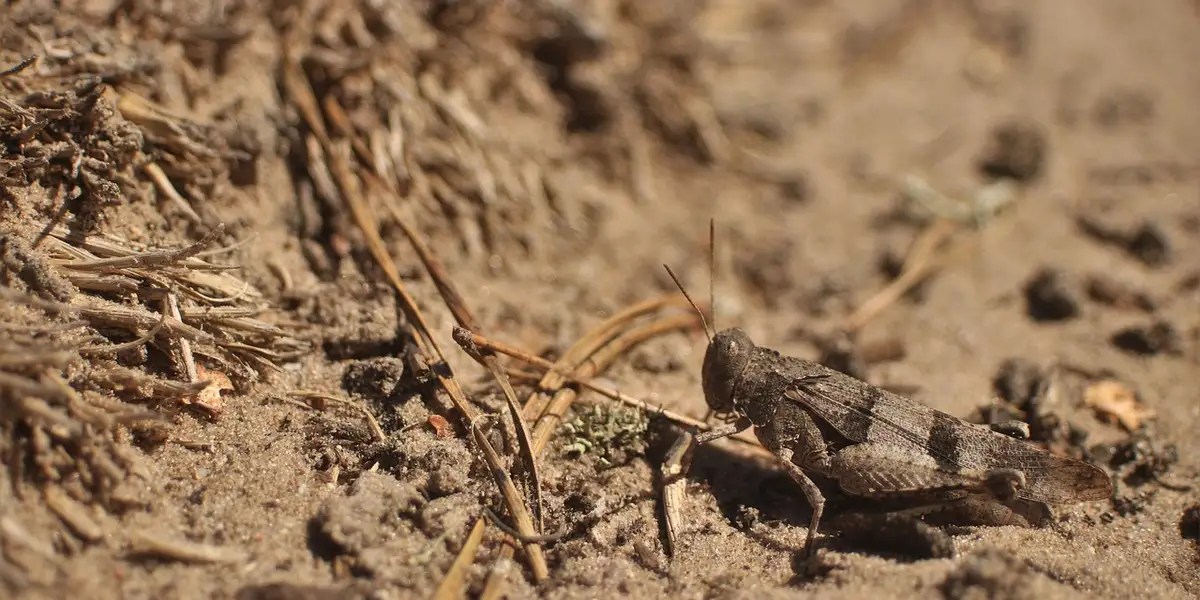
Getting the right food is only half the battle. How you prepare and offer it makes all the difference for their health.
1. The Power of Gut Loading
Never feed your gecko a starved insect. You are what your food eats, and this applies directly to your gecko. I feed my feeder insects a nutritious “gut load” of fresh vegetables and high-calcium chow 24-48 hours before they become gecko food. This passes vital nutrients to your pet. Properly caring for mealworms means gut-loading them and selecting appropriately sized insects for your gecko. Remove uneaten mealworms after feeding to keep the enclosure clean and prevent spoilage.
2. Dusting is Non-Negotiable
Even gut-loaded insects often lack enough calcium and vitamins. This is where dusting comes in.
- Place insects in a plastic bag or deli cup with a pinch of supplement powder.
- Gently shake until the insects are lightly coated like little powdered donuts.
- Feed them to your gecko immediately.
I keep two shaker bottles on my shelf: one with pure calcium for most feedings, and one with a calcium + D3 + multivitamin mix for a few feedings a week. That “pop” of powder is the sound of proactive health care.
3. Portion Control and Schedules
Overfeeding is a common mistake. Here’s a simple guide based on my crew:
- Juvenile Geckos (Under 1 year): Offer as many appropriately-sized insects as they can eat in 10-15 minutes, daily.
- Adult Insectivores: Feed every other day. A good portion is 5-8 suitably sized insects per feeding.
- Adult Omnivores: Offer a fresh dish of Crested Gecko Diet every other night. Remove and replace any uneaten food.
My Babe, the Giant Day Gecko, is a food-motivated chunk. I have to be strict with his insect portions, or his tail would be wider than he is!
Common Prey Items and Foods for Geckos
Feeding my geckos is one of my favorite parts of the day. Watching my leopard gecko, Griffey, stalk a cricket is like watching a tiny, golden dinosaur. The key to a healthy gecko is a varied, nutrient-rich diet that mimics what they’d find in the wild. Not all bugs are created equal, and knowing which ones to offer is your first step to being a great gecko owner.
Staple Feeder Insects
These are the reliable, everyday foods that should form the backbone of your gecko’s diet.
- Crickets: A classic for a reason. They’re active, which stimulates your gecko’s hunting instinct. I find my crested gecko, Jeter, is less interested unless they’re moving. Just be sure to buy them in small quantities, as they die quickly and can smell… quite potent.
- Dubia Roaches: My personal favorite. Dubia roaches are nutritional powerhouses, containing more protein and less chitin (the hard shell) than crickets. They also can’t climb smooth surfaces or fly, making them much easier to contain than other feeders.
- Black Soldier Fly Larvae (Calci-Worms®/Phoenix Worms®): These are a fantastic choice, especially for growing geckos. They have an almost perfect calcium-to-phosphorus ratio, so they’re a great way to get calcium into your pet with less dusting.
Treat and Variety Insects
Think of these like dessert or a special weekend meal. They are great for enrichment but often too fatty or lacking in key nutrients to be fed daily.
- Mealworms and Superworms: Geckos go crazy for them! My fat-tailed gecko, A-Rod, will completely ignore his usual roaches if he sees a superworm. Use these sparingly as they are high in fat and their tough exoskeleton can be hard to digest in large amounts.
- Waxworms: These are the ultimate gecko junk food. They are incredibly fatty and addictive. I made the mistake of feeding too many to Babe, my day gecko, and he refused his regular food for a week! Now, I only use them occasionally to help a gecko gain weight.
- Hornworms: These bright blue caterpillars are mostly water and are a fantastic way to hydrate a gecko. They are soft, easy to digest, and my geckos find them irresistible.
Commercial Diets for Some Species
This is a game-changer for species like Crested and Gargoyle geckos. I feed Jeter and Mookie a prepared powdered diet that you mix with water. It’s a complete, balanced meal that takes the guesswork out of nutrition. It smells like fruit paste, and they lick it up eagerly every night.
The Non-Negotiables: Gut Loading and Supplementation
You are not just feeding your gecko a bug. You are feeding them whatever that bug last ate.
- Gut Loading: 24-48 hours before feeding, place your feeder insects in a container with highly nutritious fruits and vegetables. I use sweet potato, carrots, and leafy greens. A well-fed bug is a nutritious meal for your gecko.
- Dusting with Supplements: Every insect meal needs a light coating of powder.
- Calcium with Vitamin D3: Used for most feedings. D3 helps them absorb the calcium, which is critical for preventing Metabolic Bone Disease, a devastating and common illness.
- Multivitamin: Used once or twice a week to cover all other nutritional bases.
What Eats Geckos: Natural and Household Predators
In the wild, geckos are squarely in the middle of the food chain. This reality doesn’t disappear just because they live in a terrarium in your home. Geckos rely on camouflage to hide from predators, blending with rocks, bark, and substrate. In a terrarium, matching substrate and decor to their natural palette helps maintain that camouflage. Understanding their natural predators helps you create a safer, less stressful environment for your pet. I’ve had a few scares over the years that taught me to always be vigilant.
Natural Predators in the Wild
In their native habitats, a gecko’s life is filled with danger from all sides.
- Snakes: A primary predator. Many snake species are expert at locating and consuming geckos, both in trees and on the ground.
- Birds of Prey: Hawks, owls, and other raptors have incredibly sharp eyesight and will snatch geckos right off a branch or rock.
- Larger Reptiles: Monitor lizards and even larger gecko species won’t hesitate to make a meal of a smaller one.
- Mammals: Foxes, raccoons, and mongooses will all hunt geckos when given the opportunity.
- Spiders and Large Insects: In the micro-world, large centipedes, scorpions, and tarantulas are a very real threat, especially to young geckos.
Household and Pet Predators
This is where your attention is needed most. The biggest threats to a pet gecko often live under the same roof.
- Cats: This is the number one threat in most homes. A cat’s instinct to pounce and bat at small, moving things can seriously injure or kill a gecko, even through the glass of a tank. I never, ever allow my cats unsupervised access to the room where my geckos live. The stress alone can harm your reptile.
- Dogs: While less of a stalker than a cat, a curious or high-prey-drive dog can easily break a terrarium by knocking it over or injure a gecko during handling.
- Other Pet Reptiles: It should go without saying, but never house different reptile species together. A snake will see your gecko as food, not a friend.
- Escaped Feeder Insects: This one surprises people. An uneaten cricket or superworm left in the enclosure can actually bite and injure your gecko, especially while it is sleeping. I always remove any uneaten live food after about 15 minutes.
Creating a Safe Sanctuary
Your job is to make their enclosure a fortress. Ensure the lid is secure and lockable if you have other pets. Provide plenty of hides so your gecko always has a place to feel completely hidden and safe. A stressed gecko is an unhealthy gecko, and much of that stress comes from the primal fear of being eaten. To support a calm stressed gecko, employ proven techniques and environmental fixes. Simple adjustments to temperature, humidity, and lighting can help reduce anxiety and promote healthy behavior.
How to Predator-Proof Your Gecko’s Enclosure
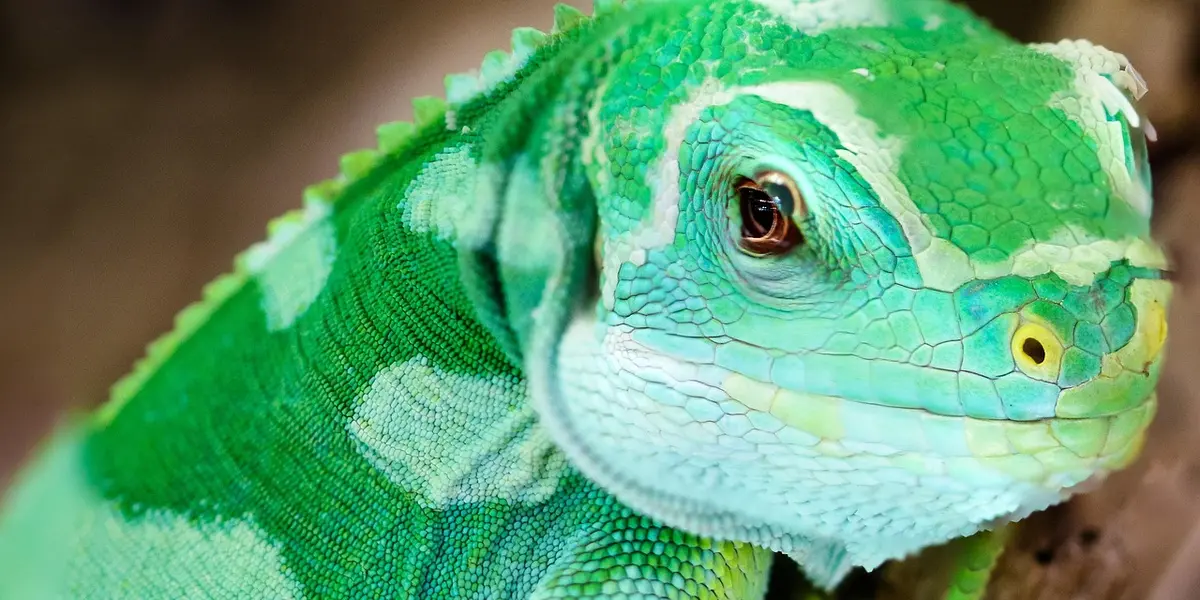
After watching my gecko, Griffey, stare intently at a housefly outside his tank, I realized his home needed to be a fortress. Your gecko’s enclosure is their entire world, and making it secure is your number one job as an owner. A few simple steps can turn a vulnerable tank into a safe haven. To keep Griffey safe beyond the tank, I started a gecko-proofing home room safety checklist. It helps me seal gaps, secure cords, and block escape routes.
The Ultimate Security Checklist
Go through this list for every single enclosure you own. I do this monthly, just to be safe.
- Lid Locks are Non-Negotiable: The mesh screen lid is not enough. Curious cats, clever dogs, and even small children can pry it open. I use simple, inexpensive sliding lid locks on all my tanks. They click into place with a satisfying sound that means “safe.”
- Inspect the Ventilation Mesh: Run your fingers over the mesh. Is it sturdy and taut, or does it have any slight give? Over time, it can weaken. If you can push it down easily, it’s time for a replacement lid. A determined rodent could chew or claw through a weak spot.
- Check for Escape Gaps: Look for any small openings around cord ports, thermometer wires, or where pieces of the tank join. I once found a gap near a cord that my curious Mookie could have squeezed through. I sealed it with a bit of aquarium-safe silicone.
- Elevate the Enclosure: Place the tank on a sturdy, waist-high stand or furniture. This simple act puts it out of the direct line of sight for many household pets and reduces stress for your gecko.
- Manage the Room Environment: Keep the door to the gecko room closed when you aren’t there. Be mindful of open windows directly next to the tank; a bird of prey could see movement from outside.
Signs of Diet Issues or Predator Encounters
Geckos are masters of hiding weakness, a trait from their wild ancestors. You have to become a detective to spot the subtle clues. Noticing a small change early can be the difference between a quick recovery and a major health crisis. Are those early warning signs of illness in geckos? Spotting them early can prevent a small problem from becoming a crisis. I learned this the hard way with my first gecko.
Red Flags in Their Eating Habits
These signs often point to stress, illness, or improper food.
- Sudden Refusal to Eat: A gecko skipping a meal or two isn’t always a crisis. But if Jeter, who normally pounces on his food, ignores it for three days in a row, I know something is wrong.
- Weight Loss: The base of the tail is your best indicator. A healthy tail is plump. If it starts to look thin or stringy, your gecko is burning crucial fat reserves.
- Difficulty Catching Prey: If your gecko is consistently missing their strikes, it could be a vision issue or a sign of Metabolic Bone Disease (MBD) affecting their coordination.
- Regurgitation: Finding a slimy, undigested insect in the tank is a major red flag. This can be caused by temperatures being too cold for digestion, an internal parasite, or eating something too large.
Telltale Signs of a Predator Scare or Attack
Even if the predator didn’t make physical contact, the stress can be devastating.
- Unexplained Physical Injuries: Look for scratches, bite marks, or a dropped tail (autotomy). A dropped tail is a huge stress response. My gecko A-Rod did this once after a loud noise spooked him.
- Pasty Vent or Prolapse: Extreme fear can cause a gecko to forcefully defecate, sometimes leading to a clogged vent or even a gut prolapse. This is a severe veterinary emergency.
- Hiding Constantly and Nervously: It’s normal for geckos to hide, but if they are jammed into a corner, flinch at any movement, and refuse to come out even for food, they are terrified.
- Glass Surfing: Frantically scrambling up the sides of the glass is a classic sign of intense stress, often triggered by seeing a potential predator (like your cat) outside the tank.
FAQs
Can geckos eat fruits or vegetables?
Insectivorous geckos should not be fed fruits or vegetables as they lack the ability to digest them, while frugivorous omnivores can safely consume certain fruits as part of a balanced diet. This is a complete Gecko fruit feeding guide, covering safe options and how much to offer. Learn which fruits suit your species and how often to provide them.
How do I prevent my other pets from stressing my gecko?
Place the gecko’s enclosure in a separate, quiet room with a secure, lockable lid and minimize visual access to other pets to reduce stress and potential predator interactions. Ensure that the enclosure is also safe from household hazards that could harm your gecko.
What are the first steps if I suspect my gecko has been attacked?
Immediately move the gecko to a calm, isolated setup, check for injuries, and carefully handle sick or injured geckos before contacting a reptile veterinarian for prompt evaluation and care.
Happy, Healthy Geckos Start With You
Providing the right food-like gut-loaded insects and proper supplements-is the foundation of your gecko’s health. Just as vital is creating a safe, stress-free home where they never have to worry about becoming prey themselves. Additionally, choose safe, non-toxic insects and avoid any that could harm your gecko. Never feed your gecko insects that are toxic, pesticide-treated, or not raised for reptile diets. A balanced diet and a secure tank are non-negotiable for a thriving pet.
Your journey as a gecko owner is one of constant learning and observation. Stay curious, keep researching on sites like ours, and always advocate for the well-being of your unique, scaly friend. Their long, healthy life is the ultimate reward for your dedication.
Further Reading & Sources
- What Do Geckos Eat?
- What Do Geckos Eat? 12 Foods in Their Diet – A-Z Animals
- What Animals Eat Geckos? A Detailed Look At Gecko Predators – Berry Patch Farms
The Gecko Guide is your ultimate resource for gecko enthusiasts, providing expert advice and practical tips to ensure the health and happiness of your scaly companions. Alexander is a passionate gecko owner with over a decade of experience in reptile care. We are dedicated to offering accurate, up-to-date information to support your gecko journey.Our mission is to foster a community of responsible gecko owners who are passionate about the well-being of these fascinating creatures.
Uncategorized