
Understanding Your Gecko: Sounds & Body Language Explained
Published on: May 8, 2026 | Last Updated: May 8, 2026
Written By: Alexander 'Gecko Geek' Johnson
Is your gecko trying to tell you something, but you just can’t figure out the code? I’ve been there, staring into a terrarium, wondering if a chirp was a happy sound or a sign of stress. Learning their unique language is the single best way to strengthen your bond and ensure their well-being.
I’m here to help you decode the mystery. Based on years of living with my own chatty crew, this guide will break down the most common gecko vocalizations and physical cues. You will learn to confidently understand what your pet is communicating.
- How to identify the meaning behind common gecko sounds like chirps, barks, and clicks.
- How to read crucial body language signals, from tail wags to eye bulges.
- Practical steps to respond appropriately to what your gecko is telling you.
You will get clear, actionable advice you can use immediately. We will cover: vocalizations, body language cues, behavioral context, and species-specific differences.
Common Gecko Vocalizations and Their Meanings
Chirps, Clicks, and Trills
Geckos use a variety of soft sounds to express their daily moods and curiosity. Learning these noises helps you understand when your pet feels content or just mildly annoyed.
- Chirp: A brief, high-pitched sound often linked to curiosity or mild excitement. It is common in crested geckos when they explore new items in their tank.
- Squeak: A short, sharp noise that can indicate surprise or a request for attention. I hear this from my leopard gecko Griffey when he spots a moving insect.
- Click: Gentle, repetitive taps that usually mean your gecko is investigating its surroundings. My crested gecko Jeter makes soft clicks when climbing his branches, signaling he is in a calm, exploratory mood.
- Trill: A rapid series of notes that often shows contentment, especially during handling or when basking. It is a sign your gecko feels safe and relaxed.
These sounds are typically harmless and part of normal behavior. If clicks turn frequent during handling, it might mean your gecko is asking for a break.
Hisses, Barks, and Growls
Defensive vocalizations are louder and signal stress or fear. Recognizing these cues prevents unnecessary stress and supports your gecko’s well-being, especially when it comes to hissing, barking, and biting.
- Hiss: A sharp, exhaled sound used to warn off threats. My African fat-tailed gecko A-Rod hisses if I rearrange his décor too suddenly, showing his territorial nature.
- Bark: A loud, abrupt call common in species like Tokay geckos during territorial disputes or when feeling cornered. It means “back off” and requires immediate space.
- Growl: A low, rumbling noise that escalates from hissing, indicating high agitation. Heard during handling if the gecko feels unsafe.
- Chitter: Rapid, teeth-chattering sounds that often precede biting. It is a clear sign of extreme irritation or fear.
Always respect these warnings by giving your gecko quiet time. Forcing interaction after a bark or hiss can damage trust and increase anxiety. By interpreting your gecko’s mood, you can plan safer handling sessions. Observe cues like posture and breathing to know when it’s safe to handle.
Key Gecko Body Language Cues Decoded

Tail Movements: Flicking, Whipping, and Curling
A gecko’s tail is a dynamic mood barometer. Watching tail actions helps you gauge curiosity, defense, or hunting mode in real time.
- Tail Flicking: Slow, gentle flicks show mild alertness or curiosity. My leopard gecko Griffey flicks his tail when tracking a cricket, looking like a tiny predator on the prowl.
- Tail Whipping: Fast, forceful swings signal defense or annoyance. If your gecko whips its tail, step back-it feels threatened.
- Tail Curling: A tightly coiled tail can mean stress or focused hunting. In some cases, it helps with balance during climbs.
Tail lashing is a red flag for discomfort. When you see rapid whipping, it is best to leave your gecko alone to calm down.
Head and Body Postures
From head bobs to color shifts, geckos communicate volumes through posture. These visual hints reveal dominance, fear, or even mating interest.
- Head Bobbing: Rapid up-and-down motions often show dominance or courtship. Males do this to assert territory.
- Body Flattening: Pressing low to the surface can mean fear or aid in thermoregulation by maximizing heat absorption.
- Puffed-Up Displays: Inflating the body makes the gecko look larger to scare off threats.
- Eye Behaviors: Slow blinking suggests relaxation, while narrowed eyes or dilated pupils indicate stress or excitement. My giant day gecko Babe’s eyes widen when he sees food.
- Color Changes: Crested geckos like Jeter may darken when stressed or brighten when content, offering a clear emotional read.
Observing these postures daily builds a deeper bond. Noticing subtle shifts helps you respond before stress escalates.
Startle Responses and Defensive Actions
When scared, geckos rely on instinctive reactions to stay safe. Understanding these behaviors ensures you never mistake fear for aggression.
- Freeze: Sudden stillness helps them blend in and avoid predators. My gargoyle gecko Mookie freezes mid-climb if I startle him, looking like a tiny statue.
- Flee: Quick retreats to hides or cover signal that the environment feels unsafe.
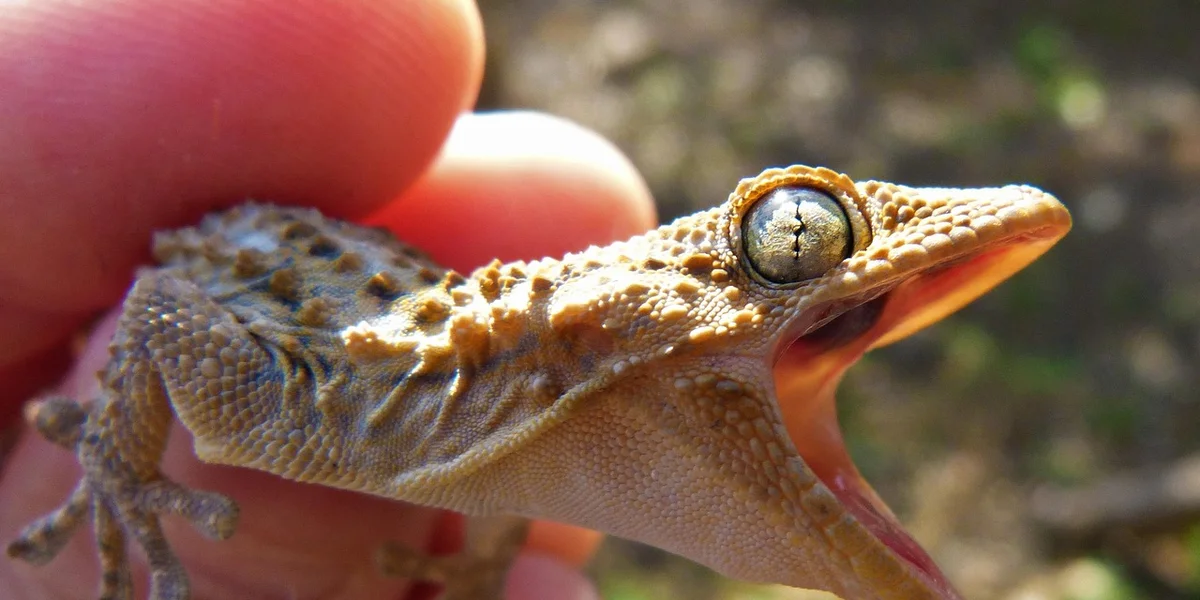
- Gaping Mouth: Opening the mouth wide is a defensive threat display, often paired with hissing.
These actions mean your gecko feels threatened. Providing ample hides and minimizing sudden movements reduces startle responses over time. Understanding leopard gecko behavior helps you interpret what each action means. This knowledge guides how you respond to keep your pet calm.
Species-Specific Communication Patterns
Leopard and African Fat-Tailed Geckos
Leopard geckos like my Griffey often use soft chirps to show curiosity or mild excitement, especially during feeding time. Tail vibrating is a common body language cue that can mean anything from anticipation to a mild warning, so always check the context. African fat-tailed geckos, such as my A-Rod, tend to be more reserved and territorial. A-Rod hisses loudly if I accidentally disturb his favorite hide, which is his way of saying “back off!” Comparing the two, leopard geckos are generally more vocal and exploratory, while fat-tailed geckos prefer solitude and give clear signals when they want space.
- Soft chirps: Often indicate contentment or interest.
- Tail vibrating: Watch for speed-fast vibrations can signal stress.
- Hissing: A definite sign of discomfort, common in fat-tailed geckos.
Crested and Gargoyle Geckos
Crested geckos like Jeter emit gentle chirps or occasional barks, usually at night when they’re most active. Leg waving during climbing isn’t just for balance—it can be a playful gesture or a way to test surfaces. Jeter’s calm perching on high branches contrasts with Mookie’s energetic leaps; Mookie, my gargoyle gecko, uses bursts of movement to communicate playfulness. Crested geckos also shift colors, fading when stressed or brightening when content, which I’ve seen Jeter do during handling. Gargoyle geckos might bark if startled, but they’re generally quiet and use body language more than sounds. These observations are exactly the kind of content you’ll find in the crested gecko behavior body language ultimate guide. By noting color shifts, vocalizations, and limb gestures, you can better interpret stress, comfort, and play in crested geckos.
- Chirps and barks: Listen for these at dusk or dawn.
- Color shifts: Pale colors often mean stress; vibrant hues suggest relaxation.
- Climbing cues: Leg waves show curiosity or caution.
Giant Day Geckos and Other Species
Giant day geckos like Babe are bold communicators, using gaping mouths and intense basking postures to express food motivation or dominance. Babe lets out trills or clicks when he spots insects, which is his version of a dinner bell. These geckos thrive on routine, and Babe’s chubby tail wiggles excitedly during feeding time. Observing individual quirks is key-for instance, Babe basks in open areas to show confidence, while other species might hide. Always note that day geckos’ vocalizations are subtle but meaningful, so pay close attention to their unique habits.
- Gaping: Can signal hunger or a warning to back away.
- Trills and clicks: Unique to day geckos, often linked to feeding.
- Basking postures: Indicate comfort and well-being.
How to Respond to Your Gecko’s Communication
Positive and Neutral Signals
When your gecko shows gentle chirps, relaxed tail curls, or calm climbing, it’s a green light for interaction. Rewarding these behaviors reinforces trust-I give Griffey a mealworm when he chirps softly during handling. If they’re exploring without stress, you can continue light interaction or offer a treat. Neutral cues like slow blinking or steady basking mean they’re content; just ensure their habitat stays consistent. For crested geckos like Jeter, a steady color and perched posture mean all is well, so I might add a new climbing branch to enrich his environment.
- Gentle chirps: Respond with calm handling or a small snack.
- Relaxed tail curls: Indicate comfort; you can proceed with routine care.
- Calm perching: A sign to maintain their current setup without changes.
Signs of Stress or Discomfort
Hissing, tail whipping, or body flattening are clear warnings that your gecko feels threatened. If A-Rod hisses, I immediately back off and check if his hide is disturbed—respecting his space prevents escalation. Understanding why your gecko is aggressive towards you helps in developing trust and preventing bites. Steps to de-escalate include reducing noise, dimming lights, or adjusting habitat elements like temperature. For persistent stress, give them a few days of minimal interaction. I advocate for patience; forcing handling can harm your bond. Always observe from a distance first, and if behaviors like rapid color shifts or hiding continue, consult a vet to rule out health issues.
- Hissing: Stop interaction and assess the environment for triggers.
- Tail whipping: Step away and avoid sudden movements.
- Body flattening: Check for proper hiding spots and reduce stressors.
When to Seek Veterinary Advice
Abnormal Vocalizations or Behaviors
Learning your gecko’s normal sounds is fun, but recognizing the abnormal ones is a critical part of being a good owner. Your gecko is trying to tell you something is wrong. When you’re concerned, compare what’s happening to your gecko’s normal behaviors. Abnormal signs—such as prolonged lethargy, a sudden loss of appetite, or unusual hiding—warrant careful observation or a vet visit.
Content Guidance
I always tell new owners to trust their gut. If a behavior seems “off,” it probably is. Your first and most important job is to notice when the usual script changes.
- Persistent Growling or Hissing: A single defensive chirp is normal. Continuous, unprompted vocalizations, especially from a usually quiet species like a Leopard Gecko, signal high stress or pain.
- Lethargy and Weakness: A gecko that no longer perks up for food, sleeps constantly in the open, or seems too weak to hold its head up needs immediate attention.
- Unusual Silence in a Vocal Gecko: My Crested Gecko, Jeter, always makes little chirps at dusk. When he fell silent for two days, I knew something was wrong. It turned out to be the start of a respiratory infection.
- Clicking or Wheezing Sounds: Any sound paired with labored breathing, like a clicking noise on each exhale or open-mouth breathing, is a major red flag for a respiratory infection.
- Repetitive Head Tilting or Circling: This can indicate a neurological issue and is a definite cause for a vet visit.
That experience with Jeter taught me a hard lesson. I waited a day too long, hoping he was just tired. Respiratory infections can escalate quickly in reptiles, and early intervention is everything. Don’t hesitate.
Monitoring and Record-Keeping
Content Guidance
Our memories are fuzzy, but a logbook doesn’t lie. I keep a simple notebook for each of my geckos. It takes two minutes a day and has helped my vet diagnose issues faster.
A brief daily log turns you from a casual observer into an expert on your own pet’s health. You start to see patterns you would otherwise miss.
| Date | Sound Heard | Body Language | Context (Feeding, Handling, etc.) |
|---|---|---|---|
| e.g., 10/26 | Single chirp | Tail up, slight arch | During tank cleaning |
| e.g., 10/27 | Soft clicking | Lethargic, not eating | Resting on cool side all day |
This isn’t about being paranoid. It’s about proactive care. When you can show your vet a timeline, you give them a huge head start. Your detailed observations are the most valuable data a reptile vet can get.
Notice if your gecko is always quiet on handling days, or if a certain noise only happens after eating. This is the kind of insight that keeps them thriving. Gentle sound vibrations in the enclosure can help create a low-stress audible environment for geckos. Keep the soundscape soft and natural to avoid startling them.
FAQs
How can I tell if my gecko is happy?
Look for signs like a relaxed body posture, steady eating habits, and active exploration without stress cues such as hissing or tail whipping.
What should I do if my gecko bites me?
Remain calm, gently disengage without jerking away, clean the bite area with soap and water, and allow your gecko time to settle in a quiet environment. This calm, patient handling is an effective technique for a stressed gecko, as outlined in the Calm stressed gecko techniques. Environmental fixes—such as maintaining stable temperatures, providing secure hiding spots, and minimizing loud or sudden noises—can help reduce stress and promote calm behavior.
Do all gecko species vocalize?
No, vocalizations vary by species; for example, crested and Tokay geckos are more vocal, while many others communicate primarily through body language.
How can I help my gecko feel more comfortable during handling?
Begin with brief, gentle handling sessions, move slowly to avoid startling them, and reward calm behavior with small treats to build trust.
Can geckos recognize their owners?
Yes, geckos can learn to associate their owner with positive experiences like feeding and handling, often showing reduced stress over time. This helps distinguish gecko stress from normal behavior—look for changes such as reduced activity or increased hiding when stressed, compared with the usual curiosity and movement seen in a relaxed gecko.
Final Words
The clicks, chirps, and tail wiggles of your gecko are a direct line to their comfort and mood. Paying close attention to these cues, from happy chirps during feeding to the stressed tail vibrations when handled too much, is the key to understanding your pet. Learning this language builds a stronger bond and helps you create a habitat where they feel truly secure.
Caring for a gecko is a continuous journey of learning and observation, and your commitment to it directly impacts their welfare. My own geckos, from Griffey’s proud poses to Jeter’s calm confidence, have taught me more than any book. I encourage you to keep researching, stay curious, and always advocate for the well-being of your fascinating pet.
Further Reading & Sources
- Lizards: Different Body Language- What it means – EMS Sound
- Mourning Gecko Handling & Body Language Tips | ReptiFiles
- Crested Geckos | Behaviors | Pixie Pets
The Gecko Guide is your ultimate resource for gecko enthusiasts, providing expert advice and practical tips to ensure the health and happiness of your scaly companions. Alexander is a passionate gecko owner with over a decade of experience in reptile care. We are dedicated to offering accurate, up-to-date information to support your gecko journey.Our mission is to foster a community of responsible gecko owners who are passionate about the well-being of these fascinating creatures.
Handling & Behavior Signs