
What is the Best Thermostat for Gecko Heating Equipment?
Published on: July 26, 2026 | Last Updated: July 26, 2026
Written By: Alexander 'Gecko Geek' Johnson
Finding the right thermostat for your gecko’s heating equipment isn’t just a matter of convenience-it’s a critical decision for your pet’s health and safety. The wrong choice can lead to a tank that’s too cold for digestion or, far worse, a heat source that becomes a burn risk. I’ve learned this through years of trial and error with my own crew, from my high-energy leopard gecko Griffey to my calm crested gecko Jeter.
I’m here to help you cut through the confusion. We’ll break down the key functions a thermostat must perform to keep your gecko thriving. A proper thermostat for your gecko setup should:
- Prevent dangerous overheating and potential burns from heat mats or lamps.
- Maintain a consistent temperature gradient for proper digestion and well-being.
- Offer the right control style (on/off, pulse, or dimming) for your specific heating element.
By the end of this guide, you’ll have a crystal-clear understanding of which thermostat is the perfect match for your setup. We will cover thermostat types, top brand recommendations, setup steps, common mistakes to avoid, and essential safety features. Let’s get your gecko’s home to the perfect, safe temperature.
Why Your Gecko Absolutely Needs a Thermostat
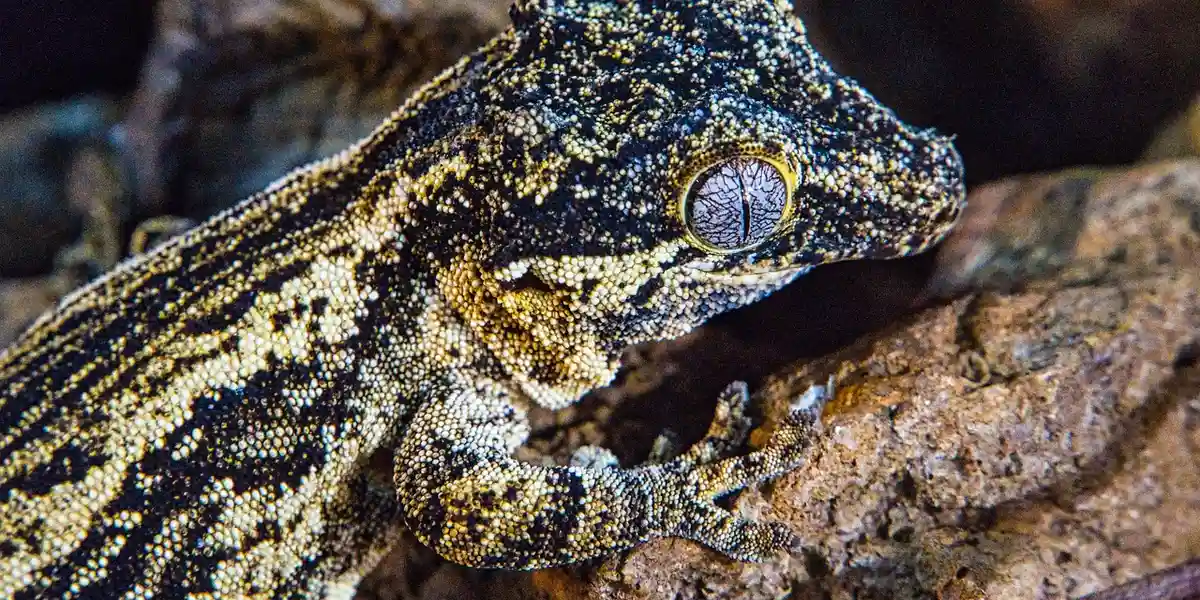
Geckos are ectotherms, which is a scientific way of saying they rely on their environment to control their body temperature. Without a proper thermal gradient—a warm side and a cool side—they cannot properly digest their food. A thermostat is the single most important piece of equipment you can buy to ensure your gecko can metabolize its meals and absorb vital nutrients. For gargoyle geckos, maintain a warm basking area in the mid-80s °F with a cooler retreat on the opposite side to establish the gradient. A steady thermostat helps keep these temperatures consistent and safe.
I learned this lesson the hard way with my leopard gecko, Griffey. He became lethargic and stopped eating. A vet visit revealed he was impacted because his heating pad was running far too hot, creating a localized burn risk while failing to provide the correct ambient warmth for digestion. That health scare cost me more in vet bills than a high-end thermostat would have, and it taught me never to skip this critical safety device.
Running heat equipment without a regulator is a direct threat to your pet’s wellbeing. The dangers are real and immediate.
- Burns: Unregulated heat mats and lamps can reach scorching temperatures, causing severe thermal burns on your gecko’s belly and feet.
- Stress: Constant, incorrect temperatures prevent thermoregulation, leading to chronic stress that weakens the immune system.
- Potential Fatality: From digestive shutdown and impaction to severe dehydration and organ failure, the risks of improper heating are ultimately fatal.
Types of Thermostats for Gecko Terrariums
Not all thermostats work the same way. Choosing the right one depends on your heat source, your budget, and the specific needs of your gecko species. Matching the thermostat type to your heating equipment is just as important as having one in the first place, especially when deciding between different heat sources like ceramic heat emitters and heat lamps.
| Type | How It Works | Pros | Cons | Best For |
|---|---|---|---|---|
| On/Off Thermostat | Completely turns the heat source on or off to maintain temperature. | Very affordable; simple to use. | Can cause temperature swings; not suitable for light-emitting heat sources. | Heat mats and heat cables for leopard geckos or African fat-tailed geckos. |
| Pulse Proportional Thermostat | Sends short bursts of power to the heat source to fine-tune the temperature. | Excellent for maintaining stable heat; great for ceramic heat emitters. | Can cause a faint flicker in room lighting; not for lamps. | Ceramic heat emitters in crested or gargoyle gecko enclosures. |
| Dimming Thermostat | Gradually increases or decreases the power level, like a dimmer switch. | Provides the most natural and stable heat; perfect for light-emitting bulbs. | Most expensive option; can be overkill for simple setups. | Basking spot lights for day geckos or other diurnal species. |
Digital Thermostats: Precision for Your Pet
Digital thermostats are my go-to recommendation for most reptile owners. They use a microchip to provide precise temperature control, often within a single degree. The clear digital display lets you see the current and target temperature at a glance, which is perfect for quick daily checks. Many models come with crucial safety features like an audible alarm and an automatic shut-off if the temperature soars dangerously high. This overheat protection gives me immense peace of mind, especially during heatwaves.
Analog Thermostats: Simple and Affordable
An analog thermostat, with its simple dial, can be a good entry point for a beginner on a tight budget. If you are just starting out and using a low-wattage heat mat, an analog model is better than no thermostat at all. You must be aware of their limitations. They are notoriously less accurate than digital models, with a variance of several degrees. They also lack any digital safety nets, meaning you are solely responsible for catching any malfunctions.
Programmable and Smart Thermostats
For the tech-savvy owner or someone with a complex multi-species vivarium, programmable thermostats are a game-changer. You can set a precise day and night cycle to mimic natural temperature drops, which is fantastic for promoting natural behavior. The ability to monitor and adjust temperatures from your phone via an app is incredibly convenient. I use one for my Giant Day Gecko, Babe, to ensure his basking spot is perfect even when I’m not home. This level of control is ideal for sensitive species or intricate bioactive setups.
How a Thermostat Works with Gecko Heating Gear
Think of your gecko’s thermostat as the brain for its heating equipment. It constantly monitors the temperature and makes tiny adjustments to keep your pet’s environment perfectly stable. It’s the difference between a comfortable, consistent home and a dangerously unpredictable one. Geckos need heat at night? For many species, a gentle warm night helps them stay healthy, and your thermostat ensures the temperature doesn’t dip too low.
The system is simple but brilliant. A temperature probe, placed inside the habitat, reads the current temperature. This information is sent back to the thermostat unit in a continuous feedback loop.
If the temperature drops below your set point, the thermostat sends power to the heater. When it gets too warm, it cuts the power off. This on-and-off cycle happens seamlessly, maintaining that narrow, safe temperature range your gecko needs to thrive.
This is exactly how your home’s central heating and air conditioning works. You set a desired temperature, and the system clicks on and off to maintain it. Your gecko deserves the same level of climate control. Similarly, your gecko’s habitat benefits from seasonal temperature adjustments. By tweaking basking, cool-side temperatures, and nighttime temps as the seasons change, you keep their environment stable and healthy.
I use thermostats with all my heating elements. They work perfectly with:
- Heat Mats: These are the most common. The probe sits on the floor right above the mat to control the basking surface temperature.
- Ceramic Heat Emitters (CHEs): My go-to for 24/7 heat without light. The thermostat prevents them from overheating the entire enclosure.
- Heat Lamps/Bulbs: Essential for creating a proper basking zone. The thermostat ensures the lamp doesn’t turn the tank into an oven.
Key Features to Look for in a Gecko Thermostat
Not all thermostats are created equal. Choosing the right one is a direct investment in your gecko’s safety and your own peace of mind.
My non-negotiable safety features include:
- Built-in Fail-Safes: Look for a thermostat that defaults to “off” if it malfunctions. This prevents a catastrophic heater runaway.
- Accurate, Chew-Resistant Probes: The probe is the most critical sensor. It must be precise, and the wire should be tough enough to withstand a curious gecko nibble.
- Durable, Heat-Resistant Construction: The unit itself shouldn’t overheat. A sturdy plastic or metal casing is a good sign.
Wattage capacity is a simple but often overlooked detail that can cause a fire hazard. You must match your thermostat’s maximum wattage to the total wattage of the heater you plug into it. If your ceramic heat emitter is 100 watts, your thermostat must be rated for at least 100 watts.
From my own experience, a feature I now consider a must-have is a clear error alert system. I strongly prefer models that flash a specific code or sound an alarm when there’s a problem, like a disconnected probe. This immediate warning has saved me from potential disasters, giving me a chance to fix the issue before my geckos’ health was at risk.
Step-by-Step Guide to Installing Your Thermostat
- Unbox your thermostat and lay out all components on a clean, dry surface. Check for any damage or missing parts before starting.
- Read the manufacturer’s manual carefully to understand your specific model’s functions and safety warnings.
- Mount the thermostat unit on the outside of the enclosure, away from direct heat or water splashes. A secure spot on the stand or wall works best.
- Position the temperature probe inside the terrarium, aiming for the area where your gecko typically basks or rests. Avoid letting it touch the heat mat or lamp directly.
- Connect your heating device-like a mat, ceramic heat emitter, or lamp-to the thermostat’s output socket. Ensure all wires are snug and not pinched.
- Plug the thermostat into a dedicated wall outlet, free from other appliances, to reduce electrical load risks.
- Power on the unit and set your target temperature based on your gecko species’ needs. Let it run for an hour while monitoring with a separate thermometer.
I always double-check each connection because a loose wire once caused erratic readings for my leopard gecko, Griffey, until I resecured it.
Placing the Temperature Probe Correctly
Anchor the probe where your gecko spends most of its time—for cresteds like Jeter, that’s often the highest branch, while leopard geckos prefer floor-level hides. For a crested gecko hatchling habitat, start with a compact vertical setup featuring secure branches and the right humidity. This is the core of an ideal habitat for crested gecko hatchlings.
Use suction cups or silicone glue to fasten the probe firmly, but never let it contact the heat source directly, or it will read inaccurately and risk overheating.
From my routine checks, I’ve found that placing it 1-2 inches from the basking spot gives the most reliable data for geckos like A-Rod, who rearranges his décor and could dislodge a poorly secured probe.
Connecting Your Heat Mat or Lamp
Match the thermostat’s wattage rating to your heating equipment to prevent overload-most mats draw low power, but lamps need higher capacity.
Always use insulated wires and keep them away from moisture or sharp edges to avoid short circuits and potential fires.
I dedicate one outlet solely to reptile gear after a power strip overload dimmed Mookie’s lamp temporarily; now, each of my geckos has a safe, independent power source.
Safety and Overheat Protection for Your Gecko
Modern thermostats often include safety shut-offs that cut power if temperatures spike beyond set limits, which is vital for preventing burns or stress.
Look for models with audible alarms or auto-off functions-these features once saved Babe, my day gecko, when a heat emitter stuck on and the thermostat intervened before his enclosure turned into an oven.
His bold personality meant he stayed put instead of moving away, so that fail-safe was a true lifesaver.
- Install a secondary digital thermometer on the cool side to cross-verify temperatures daily.
- Set up a battery-powered temperature alarm as a backup; it alerts you if primary systems fail.
- Conduct weekly “touch tests” on enclosure surfaces to feel for unexpected heat buildup.
Regularly test your thermostat’s response by gently warming the probe with your hands and watching for shut-off triggers.
Troubleshooting Common Thermostat Problems
Even the most reliable thermostat can have an off day. Spotting these issues early is your best defense against a dangerous temperature swing in your gecko’s home. For leopard geckos, signs they’re too cold include lethargy and avoiding the basking area. I’ve learned this the hard way after my crestie, Jeter, spent an afternoon looking a bit too lethargic thanks to a faulty probe.
Frequent Issues and Simple Fixes
- Unit Not Powering On: This can send a jolt of panic, but check the simple things first. Ensure the power cord is firmly plugged into both the wall and the thermostat. Try a different electrical outlet to rule out a circuit problem. If it’s still dead, the internal fuse may have blown, a common safety feature.
- Inaccurate Temperature Readings: Your thermostat says 88°F, but your thermometer reads 75°F. The most common culprit is an improperly placed probe. It should never be directly under the heat lamp or on the hot spot. I always secure mine with a dab of hot glue a few inches away from the heat source, at the level where my gecko actually basks.
- Probe Faults or Failure: If the displayed temperature is fluctuating wildly or seems stuck, your probe might be faulty. Check the wire for any kinks, cracks, or chew marks from feeder insects. Gently clean the probe’s tip with a dry cloth, as dust and moisture can interfere with its function.
When to Reset or Replace
If the simple fixes don’t work, a reset is your next step. You should consider a full replacement if your thermostat cycles the heat mat on and off too rapidly, fails to maintain a stable temperature after a reset, or shows any signs of physical damage like melted plastic or a burning smell. Avoid common gecko heating mistakes by ensuring proper heat-mat placement and regular temperature monitoring. These checks help prevent rapid cycling and temperature swings. Don’t risk it; your gecko’s safety is worth the cost of a new unit.
Basic Reset Procedure
- Unplug the thermostat from the wall outlet.
- Disconnect the heat mat or lamp from the thermostat.
- Wait for a full 60 seconds. This allows the internal capacitors to fully discharge.
- Plug the thermostat back into the wall.
- Reconnect your heating equipment.
- Finally, reprogram your desired temperature settings from scratch.
Performing this reset clears the thermostat’s short-term memory and often resolves quirky software glitches. I make it a habit to do this seasonally, just to keep everything running smoothly for my crew.
FAQs
How do I wire a Gecko heating thermostat?
Wiring a Gecko heating thermostat involves connecting the heat source to the thermostat’s output socket and plugging the unit into a dedicated wall outlet, following the manufacturer’s instructions to ensure safe and secure electrical connections.
How do I program a Gecko heating thermostat?
To program a Gecko heating thermostat, use the digital interface to set your desired temperature and, for advanced models, configure specific day and night schedules to mimic natural temperature cycles. For a hands-off setup, pair the thermostat with timers and a misting system. Our gecko enclosure guide walks you through timers, thermostats, and misters for reliable automation.
Can I control a Gecko heating thermostat remotely or via an app?
Yes, many smart Gecko heating thermostats allow remote control through a companion mobile app, enabling you to adjust settings and monitor temperatures from anywhere with an internet connection.
Does a Gecko heating thermostat support smart home platforms like Alexa, Google Assistant, or HomeKit?
Some Gecko heating thermostat models are compatible with popular smart home platforms, offering voice control and integration with other smart devices for enhanced convenience.
What are the energy savings with a Gecko heating thermostat?
Using a Gecko heating thermostat can lead to energy savings by preventing overheating and ensuring the heat source operates only when needed, which reduces unnecessary electricity usage. In a gecko enclosure, this helps maintain a precise temperature gradient from a warm basking spot to cooler areas, supporting natural behaviors and thermoregulation. This approach is key to creating the perfect temperature gradient gecko enclosure.
Final Words
Your best thermostat is the one you can trust to automatically and consistently maintain the perfect temperature. Prioritize a reliable on/off or dimming thermostat with safety features over a cheap, unregulated heat source every single time.
Your gecko’s welfare is your ultimate responsibility, and that means committing to learn and adapt your care over time. Stay curious, keep observing your pet, and never stop refining their habitat for a long, healthy, and happy life. This is all part of understanding gecko behavior and temperament—a core focus of our complete guide. Refer to the guide for deeper insights into their moods, routines, and needs.
Further Reading & Sources
- Leopard gecko heating temperature requirement. Under tank heating pad. How to install UTH. Digital thermostat. – OnlineGeckos.com Gecko Breeder
- Best Leopard Gecko Thermostat And Setup Guide
- Best Thermostats For Leopard Gecko Tanks [Premium & Budget] – Reptile Hero
The Gecko Guide is your ultimate resource for gecko enthusiasts, providing expert advice and practical tips to ensure the health and happiness of your scaly companions. Alexander is a passionate gecko owner with over a decade of experience in reptile care. We are dedicated to offering accurate, up-to-date information to support your gecko journey.Our mission is to foster a community of responsible gecko owners who are passionate about the well-being of these fascinating creatures.
Heating & Temperature Control