
How to Create the Perfect Gecko Enclosure Temperature Gradient
Published on: July 29, 2026 | Last Updated: July 29, 2026
Written By: Alexander 'Gecko Geek' Johnson
Getting the temperature gradient right in your gecko’s tank is one of the most common worries for new reptile owners, and honestly, it kept me up at night when I first started. I remember constantly fussing over the heat lamp for my leopard gecko, Griffey, terrified I’d accidentally cook him or let him get too cold to digest his dinner.
Don’t worry, I’ve been there. I’m going to help you understand exactly how to set up a comfortable, safe environment for your pet. We’ll cover the three key elements that make this work:
- Why a temperature gradient is non-negotiable for your gecko’s health and digestion.
- The exact tools you need to measure and maintain perfect temperatures.
- A simple, step-by-step method for setting up the warm and cool sides correctly.
You’ll get clear, actionable advice you can use right away. This guide covers: temperature fundamentals, essential heating equipment, placement strategies, monitoring tools, and troubleshooting common problems.
Why a Proper Temperature Gradient is Essential for Gecko Health
Think of your gecko as a tiny, scaly CEO of its own body. It doesn’t have a built-in furnace like we do. Geckos are ectotherms, relying entirely on their environment to regulate their body temperature and perform basic life functions. Without the right temperatures in the right places, their entire system grinds to a halt.
I learned this the hard way with my first leopard gecko, Griffey. He became lethargic and stopped eating. The problem? His entire tank was one lukewarm temperature. He had no warm spot to digest his food and no cool area to retreat to. A proper gradient isn’t a luxury; it’s the foundation of gecko digestion, immune function, and overall activity levels.
- Digestion: A warm basking spot is like their personal kitchen. It provides the heat needed to metabolize food. Without it, food sits in their gut, leading to impaction and serious illness.
- Metabolism: Everything from hunting to shedding requires energy. The right heat keeps their metabolic engine running smoothly.
- Immune Function: A consistently cold gecko is a stressed gecko, and stress is a fast track to a weakened immune system and infection.
- Natural Behavior: In the wild, they thermoregulate by moving between sun and shade. A gradient lets them exhibit this natural, healthy behavior, reducing stress.
Step-by-Step Guide to Setting Up Your Gecko’s Temperature Gradient
Creating the perfect temperature setup is simpler than it sounds. Seasonal temperature adjustments for your gecko’s habitat help mimic natural conditions. As the seasons change, adjust the basking area and nighttime temperatures accordingly. Follow these steps, and you’ll have a happy, healthy gecko in no time.
Selecting the Right Heat Source for Your Gecko Species
This is the most critical decision you’ll make. The wrong heat source can be ineffective or downright dangerous. My general rule is to mimic the sun: overhead heating is almost always superior to heating from below.
- For Leopard Geckos & African Fat-Tails: A Deep Heat Projector or Ceramic Heat Emitter is my top choice. They produce gentle, penetrating heat without light, perfect for these crepuscular species. Under-tank heaters can be used as a secondary source but should never be the primary heat.
- For Crested, Gargoyle, & Day Geckos: These arboreal climbers need heat from above. A low-wattage Halogen Heat Lamp is ideal as it provides a broad spectrum of infrared heat, much like the sun.
- What to Avoid: Steer clear of red or blue “night” bulbs. Geckos can see this light, and it disrupts their day/night cycle. Hot rocks are a notorious burn risk and should be avoided completely.
Positioning Heat Sources to Create Basking and Cool Zones
Placement is everything. You’re essentially designing a tiny, climate-controlled studio apartment for your pet.
- Anchor Your Heat Source: Install your chosen lamp or heater on one side of the enclosure only. This instantly creates a “hot side.”
- Establish the Basking Zone: Directly under the heat source, place a flat rock, slate tile, or branch. This surface will absorb heat, giving your gecko a perfect spot to warm its belly.
- Create the Cool Zone: The opposite side of the tank should have no heat source. This is where you’ll place hides and foliage, offering a complete escape from the warmth.
- Utilize the Middle: The center of the tank will naturally become a transitional area with a medium temperature, allowing your gecko to fine-tune its comfort.
Using Thermostats and Thermometers for Accurate Control
Guessing is not an option here. Your own sense of touch is useless for judging a gecko’s needs. A thermostat is non-negotiable for safety, and digital thermometers are essential for accuracy.
- The Thermostat: This is your main control unit. You plug your heat source into it and set your desired temperature. The thermostat turns the heat on and off to maintain that exact temp, preventing it from ever getting too hot and cooking your pet. I use one on every single enclosure.
- Digital Thermometers with Probes: You need at least two. Place one probe directly on the basking surface to measure that crucial “belly heat” temperature. Place a second probe in the cool side hide to ensure it stays sufficiently cool. The built-in hygrometer/thermometer combos that stick to the glass are notoriously inaccurate for measuring surface temperatures where your gecko actually lives.
Seeing my crested gecko, Jeter, actively move from his warm basking branch down to his cool, leafy hide tells me the gradient is working. That simple behavior is the ultimate sign of a successful and healthy setup.
Optimal Temperature Ranges for Popular Pet Geckos
Leopard Gecko Temperature Settings
Leopard geckos, like my energetic Griffey, need a warm belly to digest their food properly. I set up his enclosure with a heat mat under one side, creating a cozy spot around 88-92°F. The cool side stays at 70-75°F so he can escape the heat when he wants. Using a thermostat is non-negotiable to prevent burns and ensure consistency. Without it, I once saw Griffey avoid his warm hide for days-a clear sign something was off. At night, I let temps drop to the low 70s, which mimics their natural desert cycles and keeps him healthy (do Leopard geckos need heat at night?).
Crested and Gargoyle Gecko Preferences
Crested and gargoyle geckos, such as my calm Jeter and playful Mookie, thrive in milder temperatures. I keep their warm zones between 72-80°F and cool areas around 65-75°F. Unlike leopard geckos, they don’t need belly heat from below; ambient room heating or a low-wattage bulb works best. Overheating can stress them out, so I always double-check with a digital thermometer. Mookie’s leaping antics slow down if it gets too warm, reminding me to adjust quickly. These species enjoy slight nighttime drops, but never below 65°F, to support their active climbing behavior. For crested geckos, the ideal temperature range is daytime in the low-to-mid 70s °F with a nighttime drop to around 65-70 °F. Staying within this range helps keep them active and healthy.
Day Gecko and Fat-Tailed Gecko Requirements
For day geckos like Babe and fat-tailed geckos like A-Rod, temperature control is key to their well-being. Babe’s setup includes a basking area of 80-85°F and a cooler side at 70-75°F, with high humidity to match his tropical origins. Fat-tailed geckos prefer similar ranges but can handle slightly lower temps, around 75-85°F on the warm end. I use a combination of heat lamps and hides to let them self-regulate, which prevents lethargy and poor appetite. A-Rod’s territorial nature means he appreciates a stable gradient-if it fluctuates, he rearranges his décor in protest! Both species benefit from a 5-10°F drop at night to encourage natural resting patterns.
Common Mistakes That Ruin Your Gecko’s Temperature Gradient
Creating the perfect gradient isn’t just about adding heat-it’s about avoiding pitfalls that can harm your gecko. From my years of care, I’ve seen how simple errors lead to big problems. Relying on guesswork instead of tools like thermostats and thermometers is the top mistake I’ve made myself. Here’s a list of blunders to steer clear of:
- Using only one heat source without a gradient, forcing your gecko to endure uncomfortable temps.
- Placing heat lamps or mats incorrectly, creating hot spots that cause stress or burns.
- Ignoring nighttime drops, which disrupt natural behaviors and sleep cycles.
- Forgetting to account for room drafts or sunlight, which can skew your enclosure’s climate.
- Overheating the cool side, leaving no escape route for your gecko to regulate its body temperature.
I learned the hard way with Griffey when a misplaced lamp made his whole tank too warm—he stopped eating until I fixed it. That experience showed why household-hazard safety tips matter for gecko enclosures. Simple checks—secure cords and safe heat sources—can prevent accidents. Always monitor both ends of the enclosure daily to keep your gecko safe and happy. Animal welfare comes first, so test your setup before introducing your pet, and adjust based on their behavior cues.
Daily Monitoring and Maintenance for a Stable Environment
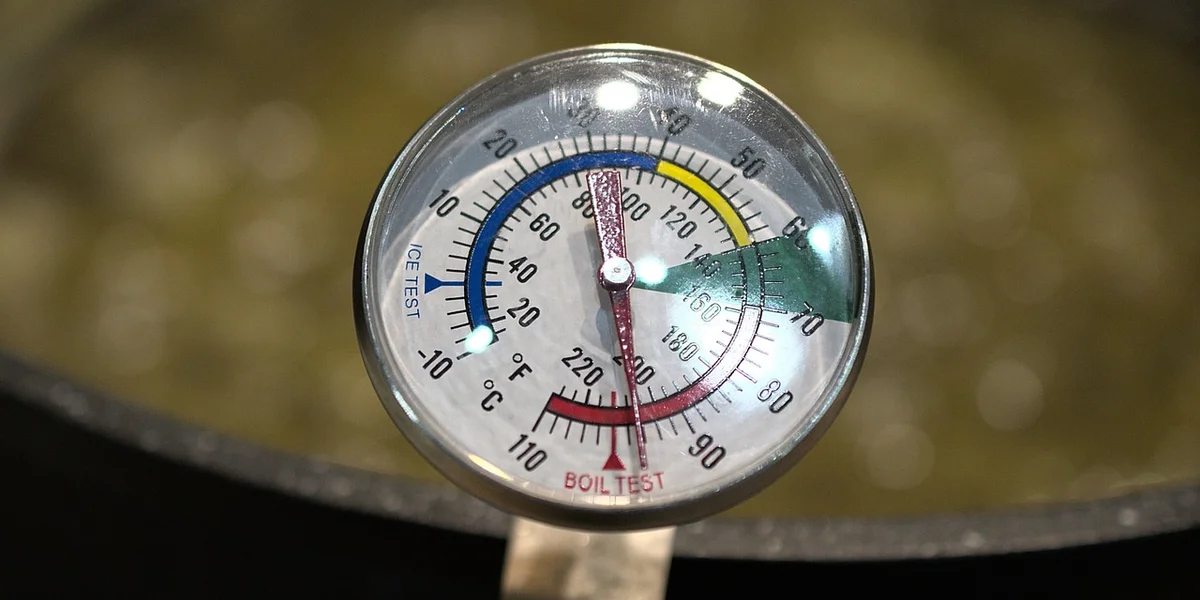
Think of your gecko’s temperature gradient like a perfectly balanced breakfast-it needs to be checked and refreshed every single day. Consistency is the absolute bedrock of good gecko husbandry, and a stable temperature directly impacts their digestion, immune system, and overall stress levels. Humidity also plays a crucial role, working in conjunction with heating to support hydration and shedding. Uneven heat or dry air can stress a gecko and dampen its appetite. My gecko, Jeter, will literally turn his nose up at food if his warm hide is even a few degrees off. It’s a non-negotiable part of my daily routine.
The Essential Tools for Your Daily Check
You can’t manage what you don’t measure. Guessing the temperature by placing your hand on the glass is a recipe for disaster. Here is the simple toolkit I use every day without fail:
- Digital Thermometer with Probes: One probe on the warm end, one on the cool end. The digital display gives you an instant, accurate readout.
- Infrared Temperature Gun: This is my secret weapon. I use it to spot-check the basking surface itself, ensuring it’s the perfect temperature for belly heat.
- A Simple Notebook or App: Track your readings. This helps you spot trends and catch problems before they become emergencies.
The 5-Minute Daily Routine
This takes me less time than brewing my morning coffee. Follow these steps to ensure everything is running smoothly.
- Check the Numbers: Look at your digital thermometer display. Note the warm side and cool side temperatures.
- Scan the Hot Spot: Point your temperature gun at the exact spot under the heat lamp or on the heat mat. This is the most critical reading.
- Listen and Look: Is the heat lamp humming oddly? Is the thermostat light on? A quick visual and auditory check can flag failing equipment.
- Feel the Vibe: Place your hand above the substrate on both ends. You should feel a distinct, but not extreme, difference. The warm end should be pleasantly warm, not hot.
- Log It: Jot down the temperatures. I just use a checkmark system on a whiteboard once I know the ranges are stable.
Responding to Fluctuations
Your home’s ambient temperature changes with the weather, and so will your enclosure’s. Don’t panic. Your thermostat is your first line of defense, automatically adjusting the power to your heat source to maintain the set temperature. If you see a consistent drift, here’s what to do:
- Temperature Too Low Everywhere: The room is likely too cold. Raise the thermostat setting by a single degree and re-check in an hour.
- Warm Side Too Hot, Cool Side Good: Your heating element might be too powerful for the space. Dial down the thermostat or raise the lamp higher above the mesh top.
- Gradient is Too Shallow: The warm and cool sides are too similar. This often means the enclosure is too small, or there’s not enough insulation on the cool end. Try adding more clutter or hides to the cool side to block radiant heat.
I learned this the hard way when my gecko A-Rod went off his food; the problem was a slow drop in the room’s nighttime temperature that my old thermostat couldn’t compensate for. A stable gradient isn’t a “set it and forget it” deal; it’s an active, daily partnership with your equipment and your pet’s behavior.
FAQs
What is the recommended leopard gecko temperature gradient in Celsius?
For leopard geckos, aim for a warm side of 31-33°C, a cool side of 21-24°C, and a nighttime drop to around 21-23°C. These are the leopard gecko tank temperature requirements you should follow. Maintaining these gradients supports digestion, shedding, and overall health.
How should I adjust the leopard gecko temperature gradient during summer?
In summer, monitor room temperatures and may need to lower heat source settings or improve ventilation to keep the warm side from exceeding 33°C while maintaining the cool side below 24°C.
What are the ideal Fahrenheit ranges for a leopard gecko gradient in summer?
During summer, the warm side should stay within 88-92°F, the cool side at 70-75°F, with careful attention to avoid overall enclosure overheating.
What common leopard gecko temperature gradient issues are discussed on Reddit?
Reddit users often ask about managing summer heat spikes, choosing between heat mats and lamps, and identifying behavioral signs of temperature stress like lethargy or loss of appetite.
How do I convert temperature settings between Celsius and Fahrenheit for gecko enclosures?
Use the formula °F = (°C × 9/5) + 32 for accurate conversions, such as turning 31°C to approximately 88°F for leopard gecko warm side settings. Even with the correct temperatures, you still need a good thermostat to maintain them consistently.
Final Words
Creating the perfect temperature gradient boils down to providing a warm basking zone and a distinct, cooler retreat. Avoid common gecko heating mistakes that can throw off this balance. Your gecko’s ability to self-regulate its body temperature is the single most important factor for its digestion, activity, and overall health. Consistently monitor both ends of the enclosure with reliable digital thermometers to ensure your setup remains stable and secure.
Getting the temperatures right is a fundamental act of responsible pet ownership. Caring for these fascinating creatures is a continuous journey of learning and observation, so always stay curious and committed to improving their welfare. To tell if your leopard gecko is too cold, look for signs like sluggish movement or huddling away from heat. Check the enclosure with a reliable thermometer to confirm proper temperatures. Your attentive efforts will be rewarded with a thriving, active gecko for years to come.
Further Reading & Sources
- Crested Gecko Temperature Guide – Ideal Range & Equipment
- r/leopardgeckosadvanced on Reddit: Visual Guide: Temperature Gradient
- Crested Gecko Temperature & Humidity: The Ideal Level Guide
The Gecko Guide is your ultimate resource for gecko enthusiasts, providing expert advice and practical tips to ensure the health and happiness of your scaly companions. Alexander is a passionate gecko owner with over a decade of experience in reptile care. We are dedicated to offering accurate, up-to-date information to support your gecko journey.Our mission is to foster a community of responsible gecko owners who are passionate about the well-being of these fascinating creatures.
Heating & Temperature Control