
Signs of Dehydration in Pet Geckos
Published on: August 16, 2026 | Last Updated: August 16, 2026
Written By: Alexander 'Gecko Geek' Johnson
Is your gecko looking a little less plump or acting strangely? Dehydration is a silent threat that can sneak up on our scaly friends, and spotting the early signs is the key to keeping them healthy and happy.
I’ve seen it in my own geckos, from my energetic leopard gecko Griffey to my calm crested gecko Jeter. I will help you spot the subtle and obvious symptoms so you can act fast. We will cover:
- The most common physical and behavioral red flags.
- Simple, at-home tests you can do right now.
- Immediate steps to rehydrate your pet safely.
You will get clear, step-by-step advice based on proven care and my own experience. This guide covers the key topics: signs of dehydration, how to check for it, prevention tips, and safe treatment methods.
How to Check Your Gecko’s Hydration Status
You don’t need fancy equipment to figure out if your scaly friend needs more water. A few simple, hands-on checks can give you a crystal-clear picture of their hydration level in minutes. I do these quick assessments during my weekly cleaning routine with all my geckos, as part of my regular health check-ups.
The Pinch Test: Checking Skin Elasticity
This is a classic test used by reptile vets and breeders. It checks how well-hydrated the skin tissues are.
- Gently hold your gecko so it feels secure.
- Using your thumb and forefinger, softly pinch a small fold of skin on its side or back.
- Release the skin and watch what happens.
A well-hydrated gecko’s skin will snap back into place instantly, like a fresh rubber band. If the skin is slow to return or, in severe cases, stays tented up, that’s a major red flag for dehydration. My leopard gecko, Griffey, has skin that bounces back perfectly, a sign I always look for. Do geckos drink water? Yes—most will lick droplets from a shallow dish or after misting, so keep a fresh water dish available. They also get moisture from their prey, so regular access to water helps them stay hydrated.
Examining the Eyes and Mouth
The eyes and mouth are windows to a gecko’s health. You need to look for subtle clues.
- Eyes: They should be bright, clear, and slightly rounded. Sunken or dull-looking eyes are a common symptom of dehydration. My crested gecko, Jeter, has perky, alert eyes when he’s well-hydrated.
- Mouth: Gently, and I mean *gently*, look inside. A hydrated mouth will look moist and pink. A dry, sticky mouth with stringy saliva is a big problem. Never force this if your gecko is stressed.
Consistently dry, flaky skin around the nostrils and eye sockets can also point toward chronic low-level dehydration. It’s one of the first things I notice if I’ve been slack with misting.
The Top Behavioral and Physical Symptoms of Dehydration
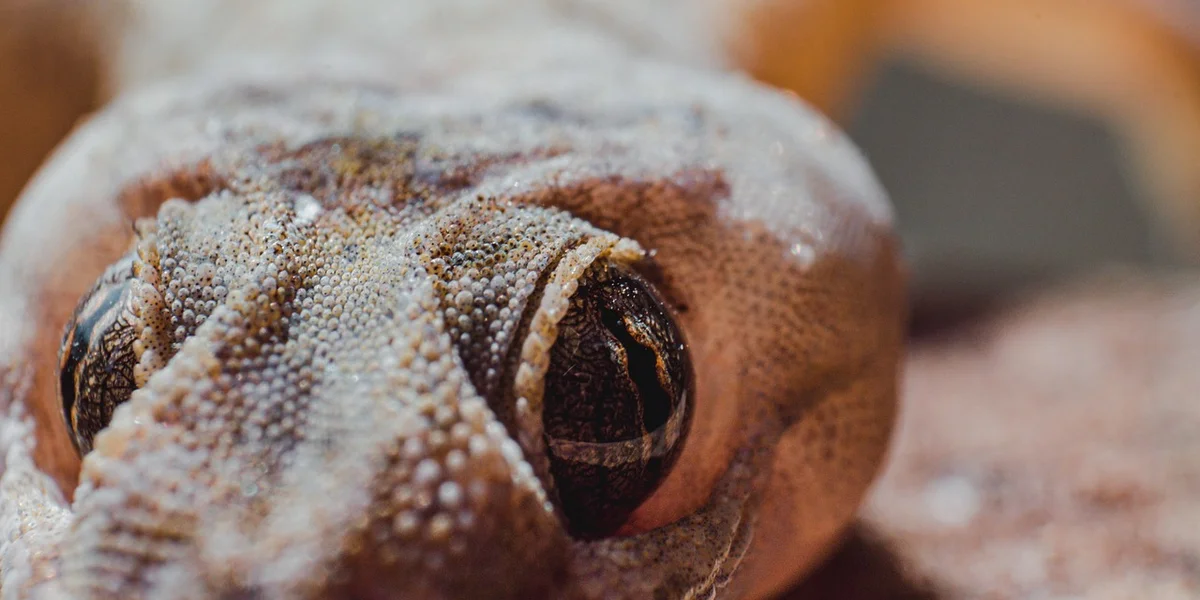
Beyond your direct checks, your gecko will show you it’s thirsty through its behavior and body. You can also read appearance signs—sunken eyes, dry-looking or wrinkled skin, or a dull overall appearance. You just have to know what to look for.
Lethargy and Loss of Appetite
This is often the most obvious behavioral shift. A dehydrated gecko simply doesn’t have the energy to be itself.
- It might stop exploring its tank at night.
- It may show zero interest in its favorite live insects.
- You’ll see it hiding constantly and moving very little.
When my usually energetic Mookie stops his acrobatic leaps between branches, I know it’s time for a full health check, starting with hydration. Dehydration messes with their entire system, making them feel too unwell to eat or move.
Visible Changes in Skin and Weight
Their skin and body shape tell a very direct story.
- Wrinkled Skin: The skin may look loose, wrinkled, or puckered, especially along the sides and back. It loses its smooth, plump appearance.
- Weight Loss: While some weight fluctuation is normal, a sudden sharp drop is a concern. Dehydration causes rapid weight loss.
- Stuck Shed: This is a classic sign. Incomplete sheds, especially around the toes and tail tip, are a direct result of inadequate humidity and hydration.
A healthy gecko tail should be plump and fat-storing; a thin, shriveled tail is a serious warning sign that fat stores and fluids are depleted. I monitor my gecko Babe’s famously chubby tail as a quick visual gauge of her well-being. If you notice sudden weight loss in a gecko, start with a quick diagnostic checklist and consult a reptile vet. Worried owners should track appetite, hydration, and weight changes to catch the issue early.
Species-Specific Dehydration Red Flags
Not all geckos show thirst the same way. Learning your specific gecko’s normal look and behavior is your most powerful tool for spotting trouble early. What’s normal for one species can be a major warning sign in another. If something seems off, compare it to your gecko’s usual behavior. Watch for clear deviations as a signal to seek guidance.
Crested Gecko Dehydration Signs
My crested gecko, Jeter, is usually plump and velvety. When a crestie gets dehydrated, that changes fast.
- Wrinkled or Loose Skin: Look for fine wrinkles on their sides and back, especially just behind the front legs. Their skin loses its trademark smoothness.
- Sunken Eyes: Their normally bright, bulging eyes can appear shrunken or dull.
- Loss of Skin Elasticity: Gently pinch a small fold of skin on their back. In a hydrated gecko, it will snap back instantly. Dehydrated skin retracts slowly or stays tented.
- Lethargy and Loss of Appetite: They stop their nightly climbing adventures and show little interest in their food.
Leopard and Fat-Tailed Gecko Dehydration Signs
My leopard gecko, Griffey, and my fat-tailed, A-Rod, are desert species, but they still need water! Their signs are often more subtle. Do leopard geckos swim, and do they like water? In general, they don’t seek out water and aren’t natural swimmers—any soaking should be shallow and brief, mainly to help with shedding or hydration.
- Sunken Eyes: This is a huge red flag. Their eyes should be plump and clear, not recessed into the skull.
- Thin, Whip-like Tail: A healthy Leo or Fat-Tail stores fat and moisture in their tail. A dehydrated tail becomes skinny and bony.
- Stuck Shed: Incomplete sheds, especially on the toes and tail tip, are a classic sign of low humidity and dehydration.
- Loose Skin: Like cresties, their skin may look a bit baggy or lose its plumpness.
- Sticky or Thick Saliva: You might notice this if they gape or try to eat. It’s a sign their body is conserving every drop of fluid.
Your Action Plan for a Dehydrated Gecko
Staying calm is your first step. Panic helps no one, but a clear, immediate plan can make all the difference for your pet. I’ve had to use this protocol a few times over the years, and it works.
Safe Rehydration Methods at Home
- Provide a Shallow Soak: Use a small, escape-proof container with a lid (poke air holes!). Fill it with lukewarm water-just enough to cover their vent (the opening under the base of the tail). A drop of unflavored Pedialyte can help, but plain water is fine. Supervise them for 10-15 minutes.
- Create a Humid Hide: If they won’t soak, a moist hide box filled with damp sphagnum moss or paper towels can work wonders. They can self-regulate and absorb moisture through their skin.
- Offer Water Directly: Use a small dropper or syringe (without the needle!) to place a single drop of water on the tip of their snout. They will often lick it off.
Encouraging Your Gecko to Drink Again
Rehydration is more than one soak. You need to get them back to their water bowl for the long term.
- Mist the Enclosure: Increase your misting schedule, especially in the evening when they are most active. They will lick droplets from leaves and glass.
- Change the Water Dish: Always provide fresh, clean water daily. Sometimes a different bowl shape or location can pique their interest.
- Drip System: For stubborn cases, set up a slow-dripping system over their water dish. The sound and movement of the water can trigger their drinking instinct.
- Hydrate Their Food: For cresties and other geckos that eat a fruit-based diet (CGD), you can mix their food a little bit runnier than usual to increase their fluid intake.
Building a Hydration-Friendly Habitat
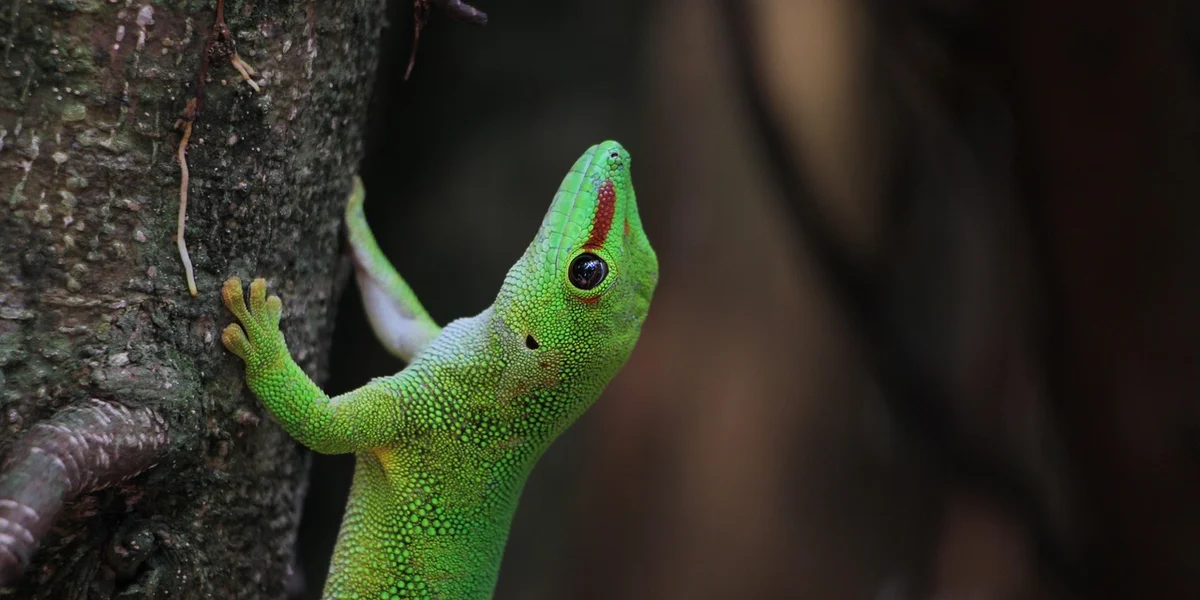
Getting the environment right inside your gecko’s terrarium is your single most powerful tool for preventing dehydration. I’ve seen more health issues resolved by fixing the habitat than by any other single change. A proper setup works silently in the background, keeping your pet hydrated 24/7. By tuning humidity, temperature, and cleanliness, you also help prevent common gecko illnesses like respiratory infections and metabolic bone disease. A thoughtful habitat setup thus serves as a continuous preventive health measure.
Mastering Humidity and Water Access
Think of humidity and water placement as two sides of the same hydration coin. Your gecko needs both to thrive.
Here is how I set up my own tanks to ensure perfect hydration support:
- Create a Humidity Gradient: Just like with heat, your gecko needs choices. One end of the tank should be drier, while the other has higher humidity. I aim for 50-60% on the low end and 70-80% in the humid hide.
- Provide a Wide, Shallow Water Dish: I always use dishes with very low sides. My gecko Griffey once had a taller dish, and I never saw him drink from it. Switching to a dish he could easily step into was a game-changer.
- Place Water Away from Heat: Position the water dish on the cooler side of the enclosure. This keeps the water from evaporating too quickly and makes it a more appealing, cool drink.
- Mist Strategically, Not Randomly: I mist the terrarium glass and plants in the evening when my crested geckos are most active. This mimics dew and encourages them to lick droplets, which is how they often prefer to drink.
Preventing Common Dehydration Triggers
Often, dehydration isn’t just about a lack of water-it’s about something in the environment actively pulling moisture out of your gecko. Stopping these triggers is easier than treating the dehydration they cause.
Watch out for these common culprits I’ve learned to avoid:
- Overhead Heat Lamps: These can be terribly drying. For my leopard geckos, I now use under-tank heaters as a primary heat source. If you must use a lamp, ensure it’s on a thermostat and pair it with a deep humid hide.
- Incorrect Substrate: Avoid dry, dusty substrates like sand or crushed walnut. They can stick to food and cause impaction, which leads to dehydration. I use paper towel, slate tile, or a reputable topsoil mix.
- Poor Shedding Conditions: Incomplete sheds can cut off blood flow to toes and the tail tip. A tight, retained shed is a medical emergency that can quickly lead to deeper health issues. That humid hide is non-negotiable.
- Stress from Improper Handling: Handling your gecko right after it has eaten or for too long can cause stress, which may make it avoid its water dish. Keep handling sessions short and calm.
FAQs
What are the earliest behavioral signs of dehydration in pet geckos?
You may notice increased lethargy, reduced activity during their normal active hours, and a sudden disinterest in food as early indicators.
How can I identify dehydration in my gecko based on physical appearance?
Look for loose, wrinkled skin, sunken eyes, and a thin or shriveled tail, which are clear physical markers of fluid loss.
What are the most reliable signs of dehydration specific to crested geckos?
Crested geckos often show fine wrinkles on their sides, sunken eyes, and a loss of skin elasticity that fails to snap back quickly when gently pinched. These are common crested gecko health problems, often linked to dehydration or nutritional issues. Solutions typically involve proper hydration, humidity control, calcium and vitamin supplementation, and timely veterinary care.
Are there any subtle dehydration signs in crested geckos that are easy to miss?
Yes, consistently dry or flaky skin around the nostrils and eye sockets can indicate chronic low-level dehydration without obvious symptoms.
How does dehydration typically manifest in a crested gecko’s daily behavior?
They may stop their nightly climbing, hide more frequently, and show little interest in their diet, reflecting a drop in energy and well-being.
Final Thoughts
To keep your gecko happily hydrated, your daily mission is simple: watch for sunken eyes, wrinkled skin, and unusual lethargy. To tell if your gecko is dehydrated, also look for a dry mouth and skin that loses elasticity when you gently pinch it. When you spot these red flags, your immediate response should be to offer fresh water and consider a warm, shallow soak to help them rehydrate through their skin. For more information on recognizing gecko dehydration signs, visit this helpful guide.
Providing consistent, clean water is a fundamental part of ethical pet ownership and shows your commitment to their welfare. I encourage you to keep learning and observing, as the small, attentive acts of care you perform every day are what truly build a long and healthy life for your scaly friend.
Further Reading & Sources
- How to Tell If A Reptile Is Dehydrated | Dakota Hills Vets
- Crested Gecko Dehydration | Crested Gecko Health
- Dehydration – @followthebluebell on Tumblr
The Gecko Guide is your ultimate resource for gecko enthusiasts, providing expert advice and practical tips to ensure the health and happiness of your scaly companions. Alexander is a passionate gecko owner with over a decade of experience in reptile care. We are dedicated to offering accurate, up-to-date information to support your gecko journey.Our mission is to foster a community of responsible gecko owners who are passionate about the well-being of these fascinating creatures.
Hydration & Water Needs