
Can Leopard Geckos Swim? The Surprising Answer
Published on: August 25, 2026 | Last Updated: August 25, 2026
Written By: Alexander 'Gecko Geek' Johnson
You’ve probably seen your leopard gecko awkwardly navigate their water dish and wondered, with a spike of panic, “Can these guys actually swim?” It’s a common and totally valid worry for any owner who wants to keep their pet safe.
I’ve cared for leopard geckos for years, and I’m here to give you the straight facts. We’ll clear up the confusion so you can provide the best care for your scaly friend. Here are the key takeaways we’ll cover:
- Why a leopard gecko’s body is fundamentally not built for swimming.
- The critical difference between needing water and enjoying water.
- How to provide water safely to prevent drowning and stress.
You will get clear, actionable advice based on biology and my own lived experience with my geckos. This article covers: the risks of deep water, their natural desert habitat, safe hydration methods, signs of distress, and a simple guide for bath time (if it’s ever needed).
Can Leopard Geckos Actually Swim?
Technically, a leopard gecko can make paddling motions if placed in deep water. But this frantic movement is a panic response, not a graceful swim. They are not aquatic animals and are not built for it. Their bodies are dense, their legs are short and not webbed, and they lack the streamlined shape of a creature meant for water.
I learned this the hard way with my gecko, Griffey. A small, shallow water dish was accidentally tipped over, creating a puddle just a bit too deep. Seeing him flail and struggle to get out was terrifying. He was not swimming; he was desperately trying to escape a situation he was not equipped to handle.
Here is why putting your leopard gecko in water is a bad idea:
- They Exhaust Easily: The frantic paddling uses immense energy and can lead to rapid exhaustion.
- High Drowning Risk: An exhausted gecko cannot keep its head above water and will inhale water into its lungs.
- Temperature Shock: Water cools them down dangerously fast, leading to stress and potential illness.
- No Natural Buoyancy: Unlike some reptiles, their body composition makes them sink rather than float.
Do Leopard Geckos Like or Dislike Water?
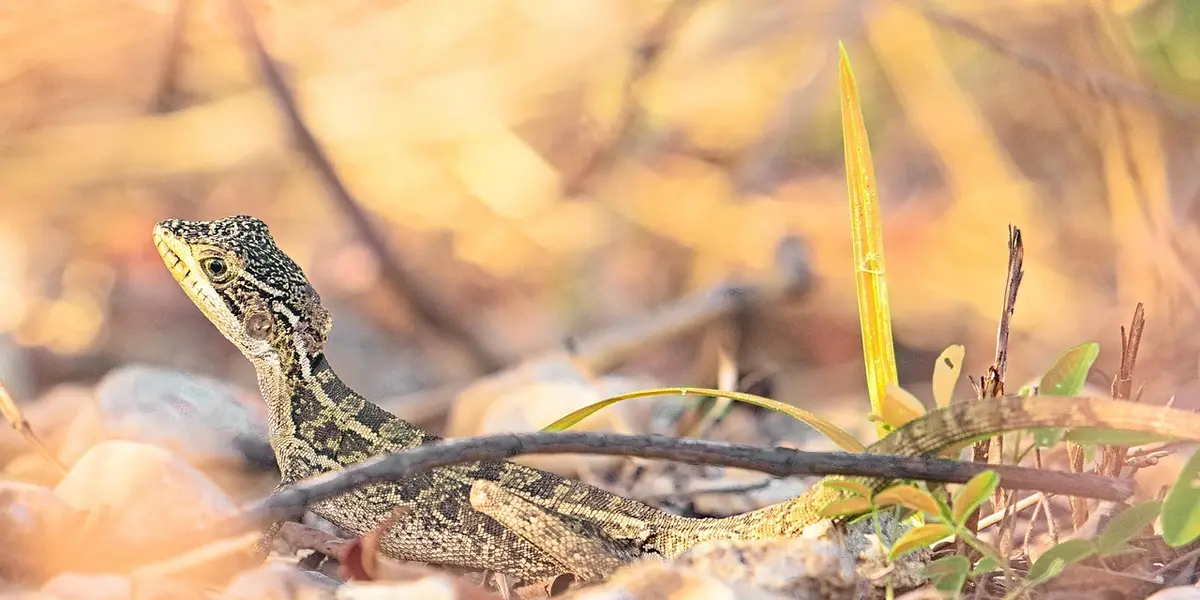
Leopard geckos strongly dislike being *in* water. For a leopard gecko, being submerged feels like a predator attack or a life-threatening situation. It triggers their fight-or-flight instinct, which is pure stress. They do not find it fun, refreshing, or entertaining in any way.
However, they do have a necessary and positive relationship with water in two key ways:
1. They Need to Drink Fresh Water
A shallow, sturdy water dish with fresh water must always be available. I see all my geckos, from energetic Griffey to territorial A-Rod, take quiet, delicate laps of water from their dishes daily. They do not submerge themselves; they lean down and drink like a tiny cat. This is a calm, necessary behavior they engage in willingly. Tap water can contain chlorine or minerals that irritate some geckos. Many keepers choose dechlorinated or filtered water, or collect rainwater, as safer alternatives.
2. They Require Humidity, Not Wetness
Their native environment is arid, but they still need localized humidity, especially for shedding. Providing a humid hide filled with moist sphagnum moss is the correct way to offer them “water therapy.” They will choose to go inside this hide when their skin feels tight, allowing the moisture to loosen the old skin for a perfect shed. This is them using humidity on their own terms, which they appreciate.
So, while your gecko will happily drink from a dish and utilize a humid hide, forcing them into a bath or pool of water is a violation of their natural instincts and a real welfare concern. Always provide water in the ways they have evolved to use it.
Water Safety: Drowning Risks and Health Concerns
Let’s be direct: leopard geckos are not swimmers. Their bodies are built for arid, rocky terrain, not for paddling, and they can drown in shockingly little water. I’ve seen a gecko panic in a water dish that only came up to its elbows. Their lungs are small, and they tire and inhale water incredibly fast.
My gecko, Griffey, once slipped into a water bowl that was a bit too deep. The frantic scrambling and the look of sheer panic on his face is something I’ll never forget. He was fine, but it was a powerful lesson. Drowning is a silent, swift event for a gecko, and it is always a medical emergency.
Signs of Water-Related Stress in Leopard Geckos
If your gecko has had an unwanted swim, you need to act quickly. Watch for these immediate signs of distress.
- Gasping or labored breathing
- Lethargy and inability to move normally
- Keeping its head low to the ground
- Bubbles coming from its nose or mouth
- A persistent, wheezing sound
If you see any of these symptoms, your gecko may have aspirated water and needs a reptile veterinarian immediately. Respiratory infections from water inhalation are serious and won’t clear up on their own.
Hydration Needs: Do Leopard Geckos Require Bathing?
The short answer is no, a healthy leopard gecko does not need routine baths. In the wild, they get all their moisture from licking dew and raindrops from their own faces and the environment around them. We replicate this in captivity by providing a shallow water dish and proper humidity.
I have never given my leopard geckos a “bath” for fun or hydration. It’s an unnecessary risk. Forcing a gecko into water is a stressful event that can do more harm than good. They hydrate perfectly fine on their own by drinking from their dish. Many new gecko owners worry about hydration and often make common mistakes. They might reach for baths or excessive misting instead of keeping a steady supply of clean water in a dish.
Humidity vs. Soaking: Balancing Enclosure Conditions
This is a critical distinction many new owners miss. Humidity and soaking are two completely different things.
- Humidity: This is the ambient moisture in the air. Your leopard gecko’s enclosure should have a humidity level of 30-40%. This is achieved with a moist hide-a small hide box filled with damp sphagnum moss or paper towel. They will go in there when they need to shed their skin.
- Soaking: This is the act of physically placing your gecko in water. This should only be a last-resort medical intervention advised by a vet, typically for severe impaction or stuck shed that hasn’t been resolved by the moist hide.
Your goal is to maintain correct humidity, not to substitute it with stressful soaking sessions. A proper moist hide, such as a humid hide for leopard geckos, provides all the “bath” your gecko will ever need, safely and on its own terms.
How to Safely Bathe Your Leopard Gecko (If Needed)
I’ve only needed to bathe my leopard gecko, Griffey, a handful of times in his life. Bathing is a medical or hygiene procedure, not a recreational activity for them. You should only consider it for specific reasons like stuck shed, constipation, or a soiled vent.
Your Step-by-Step Guide to a Stress-Free Bath
- Prepare a shallow container. I use a clean plastic tub with a towel on the bottom for grip. Never use a sink or bathtub.
- Use lukewarm water. Test it with your wrist; it should feel barely warm. The water depth should only reach your gecko’s elbows or armpits.
- Gently place your gecko in the water. Support its whole body. Expect some initial scrambling-this is normal.
- Limit the bath to 5-10 minutes. Supervise constantly. If they seem overly stressed, end the session early.
- Never use soaps or shampoos. Plain, dechlorinated water is all you need. Their skin is very sensitive.
Post-Bath Care and Monitoring
After the bath, the real work begins. Immediately dry your gecko thoroughly with a soft, clean paper towel. Pay special attention to the toes and the area around the vent. I always make sure Griffey is completely dry before returning him to his warm terrarium.
Watch their behavior closely for the next hour. A little post-bath lethargy is common, but they should return to their normal self quickly. If you see prolonged hiding, labored breathing, or a lack of appetite, consult your reptile vet. This could indicate they got too cold or the experience was overly traumatic.
Setting Up a Water-Safe Leopard Gecko Enclosure
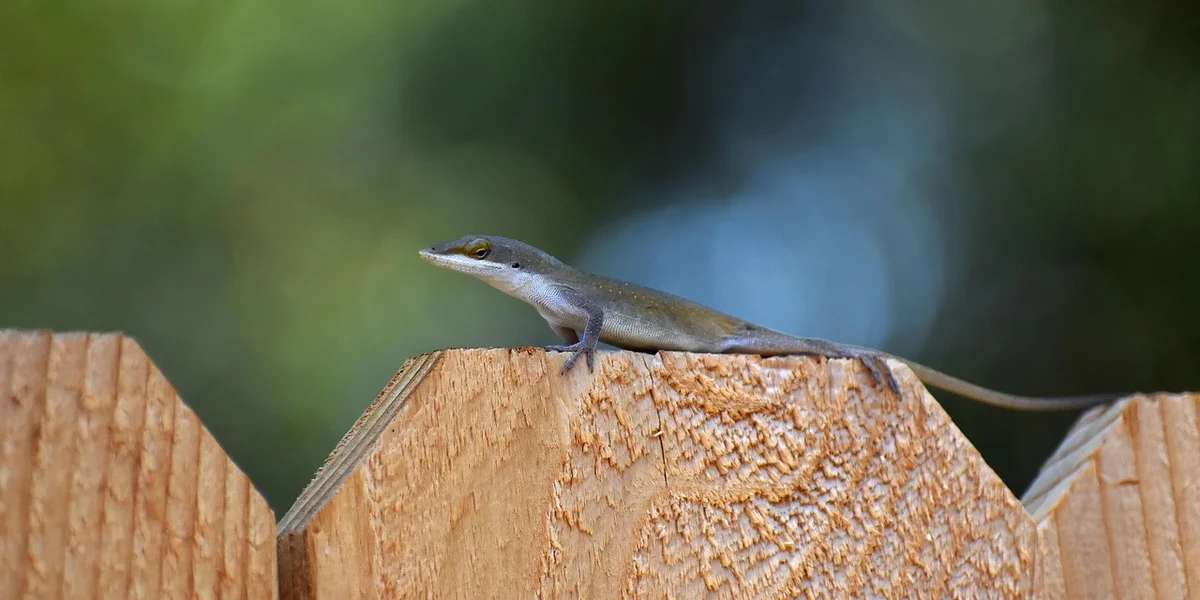
The water in their home should be for drinking, not swimming. Choosing the right water dish is your first line of defense against accidental drowning. I use a very shallow, sturdy ceramic dish that is impossible for my geckos to tip over.
- Shallow is safe. The water level should be so low that the gecko could stand in the dish with its head completely out of the water.
- Choose a stable material. Heavy ceramic or stone dishes prevent tipping and spilling, which keeps the humidity from spiking.
- Place it in a cool corner. Position the dish away from the heat lamp to keep the water fresh and cool for longer.
- Clean it daily. Stagnant water grows bacteria fast. Providing fresh water every single day is non-negotiable for their health.
Avoid deep bowls, ramekins, or jar lids that are too deep. If your gecko can’t easily climb out, it’s a drowning hazard. My gecko A-Rod once got his chest wet in a slightly deeper dish and gave me a look of pure betrayal—I changed it immediately. These are tips to make your gecko enclosure safe from common household hazards, like spills or unsecured lids. By staying vigilant, you keep your gecko safe from everyday dangers.
Enrichment Ideas Without Water Risks
You can create a fantastic, engaging habitat without a single drop of unnecessary water. Focus on textures, climbs, and hides to satisfy their natural curiosity. My geckos spend hours exploring their terrain.
- A varied landscape: Use a mix of slate tiles, reptile-safe sand mats, and cork bark to create different walking surfaces.
- Multiple hides: Offer a humid hide (with damp moss), a warm hide, and a cool hide. This lets them regulate their body and humidity needs safely.
- Safe climbing structures: Low, stable branches and cork rounds encourage gentle climbing and exploration, mimicking their rocky natural habitat.
- Foraging fun: Instead of placing mealworms in a bowl, let your gecko “hunt” them by placing a few in a clean, dry feeding dish they have to find.
Watching my gecko Mookie leap between his branches is far more entertaining than any water feature could be. Their enrichment comes from the security and variety of their land-based environment.
Leopard Geckos vs. Other Species: Who Enjoys Water?
Watching my Giant Day Gecko, Babe, splash in his water dish is a world away from how my leopard geckos react to moisture. Leopard geckos are terrestrial, desert-dwelling creatures, and their relationship with water is purely functional, not recreational. They are built for a dry life, not an aquatic one.
The Desert Dweller’s Reality
In my experience, a leopard gecko’s idea of “water fun” is a nice, humid hide for shedding. My leopard gecko, Griffey, will actively move away from a large water droplet. His instinct is to avoid getting his skin wet, which makes perfect sense for an animal evolved to conserve moisture in arid environments.
- Leopard Geckos: Avoid bodies of water. They drink from shallow dishes and use humidity, not immersion, for skin health.
- Crested Geckos & Gargoyle Geckos: These are arboreal and hail from more humid climates. My crested gecko, Jeter, and my gargoyle, Mookie, will often lick water droplets from leaves and the terrarium walls, showing a much higher tolerance for misting.
- Giant Day Geckos: This is the swimmer of the group! Babe has no qualms about getting wet and will sometimes sit in his shallow water bowl. His tropical origins mean he’s accustomed to rain and higher humidity levels.
- African Fat-Tailed Geckos: Similar to leopard geckos, my A-Rod prefers a dry substrate. They need a humid hide, but you won’t catch them voluntarily near a pool of water.
A Quick Comparison Table
| Species | Natural Habitat | Attitude Towards Water |
|---|---|---|
| Leopard Gecko | Arid, Rocky Desert | Functional drinker, avoids contact |
| Crested Gecko | Humid Rainforest | Enjoys licking mist and droplets |
| Giant Day Gecko | Tropical Forest | Tolerant, may even wade briefly |
| African Fat-Tailed Gecko | West African Savanna | Functional drinker, prefers dry land |
The key takeaway is that you must tailor your gecko’s hydration to its specific evolutionary background. Crested geckos, for example, have hydration needs that differ from many other species. They rely more on ambient humidity and droplets than on frequent soaking. What works for my tropical Babe would be stressful and dangerous for my desert-adapted Griffey. Always prioritize your pet’s natural history over any assumption that all reptiles interact with water the same way.
What People Ask
How deep should a leopard gecko’s water dish be?
The water should be shallow enough that your gecko can stand in the dish with its head completely out of the water, typically only reaching its elbows.
What are the immediate signs my gecko is in distress from water?
Watch for frantic paddling, gasping for air, or trying desperately to climb out of the water.
Are there any safe alternatives to giving my gecko a bath?
Providing a properly moist humid hide allows your gecko to self-regulate humidity for shedding without the stress of being submerged. You can create a DIY humid hide for your gecko at home. A simple, budget-friendly build gives your gecko a safe, moisture-rich spot for shedding.
How does a leopard gecko’s attitude towards water compare to other pet geckos?
Unlike tropical species like crested or giant day geckos, leopard geckos are desert reptiles and have a purely functional, avoidance-based relationship with water. Are leopard geckos tropical desert reptiles? Not quite—the leopard gecko is a true desert reptile, while crested geckos live in tropical rainforests.
Why does my gecko need water if it dislikes it so much?
Leopard geckos need fresh water to drink daily and ambient humidity for shedding, but they have evolved to get these needs met without swimming or soaking. So, what are the ideal humidity levels for leopard geckos? In general, aim for about 30-40% ambient humidity, with slightly higher humidity during shedding.
The Bottom Line on Geckos and Water
Leopard geckos are desert animals, not swimmers, so you should always provide a shallow water dish for drinking and skip the deep soaks. From my own experience, a sturdy ceramic dish that’s easy to clean and impossible to tip over is the safest and most practical choice for your pet’s hydration needs.
Being a great gecko owner means observing your pet’s unique behaviors and always seeking to improve their habitat. I encourage you to keep learning and asking questions, because that commitment to understanding is what truly defines excellent and compassionate reptile care.
Further Reading & Sources
- Can Leopard Geckos Swim? Everything You Need to Know – Dragon’s Diet
- Can Leopard Geckos Swim? – A-Z Animals
- Leopard Gecko Swimming | TikTok
The Gecko Guide is your ultimate resource for gecko enthusiasts, providing expert advice and practical tips to ensure the health and happiness of your scaly companions. Alexander is a passionate gecko owner with over a decade of experience in reptile care. We are dedicated to offering accurate, up-to-date information to support your gecko journey.Our mission is to foster a community of responsible gecko owners who are passionate about the well-being of these fascinating creatures.
Hydration & Water Needs