
Best Feeding Dishes and Setup for Every Gecko
Published on: September 15, 2026 | Last Updated: September 15, 2026
Written By: Alexander 'Gecko Geek' Johnson
Choosing the wrong feeding dish can lead to wasted food, stressed geckos, and even accidental ingestion of substrate, which is a vet bill you definitely don’t want. I’ve seen it happen, and it’s a completely preventable headache.
I’ve fed everything from my voracious Giant Day Gecko, Babe, to my meticulous African Fat-Tailed, A-Rod. I will help you get it right by covering the three most critical factors for a perfect gecko dining experience.
- Selecting the perfect dish material and shape for your specific gecko’s diet and behavior.
- Strategic placement inside the terrarium to reduce stress and encourage natural feeding.
- Essential cleaning routines to keep your pet safe from bacteria and mold.
You will get clear, step-by-step advice tailored to your gecko’s species. We are covering: Crested Geckos, Leopard Geckos, African Fat-Tailed Geckos, Gargoyle Geckos, and Giant Day Geckos.
Understanding Gecko Feeding Habits and Dish Basics
Geckos don’t all eat the same way, and watching my own crew has taught me that. You need to match the feeding dish to the gecko’s natural behavior for a successful, stress-free meal. In a complete feeding guide for pet geckos, you’ll find species-specific tips on what to feed, how often, and how to offer it. This helps ensure you meet each gecko’s nutritional needs.
My leopard gecko, Griffey, is a classic ground feeder. He hunts his crickets right on the terrarium floor. I use a shallow dish for his mealworms so they can’t escape. My crested gecko, Jeter, is completely different. He’s an arboreal climber who prefers to lick fruit paste from a ledge-mounted cup. Forcing him to eat from the ground would confuse him.
Key Feeding Factors to Consider
- Prey Size: A dish must contain the prey. Small, smooth bowls work for mealworms. Tall, escape-proof containers are vital for crickets.
- Feeding Schedule: Juveniles need daily feeding, so dishes must be easy to access and clean. Adults eat less often, but their setup must remain hygienic.
- Species-Specific Diets: Insectivores need different dishes than frugivores. A dish for wet fruit mix must be easy to scrub, while a dish for dry insects just needs to be escape-proof.
I learned this the hard way with my African fat-tailed gecko, A-Rod. A dish that was too deep made him hesitant to eat. A poor dish setup can cause significant feeding stress, which is a serious animal welfare concern. Getting it right is a simple act of kindness that ensures your gecko feels safe and secure.
Choosing the Right Feeding Dish Material
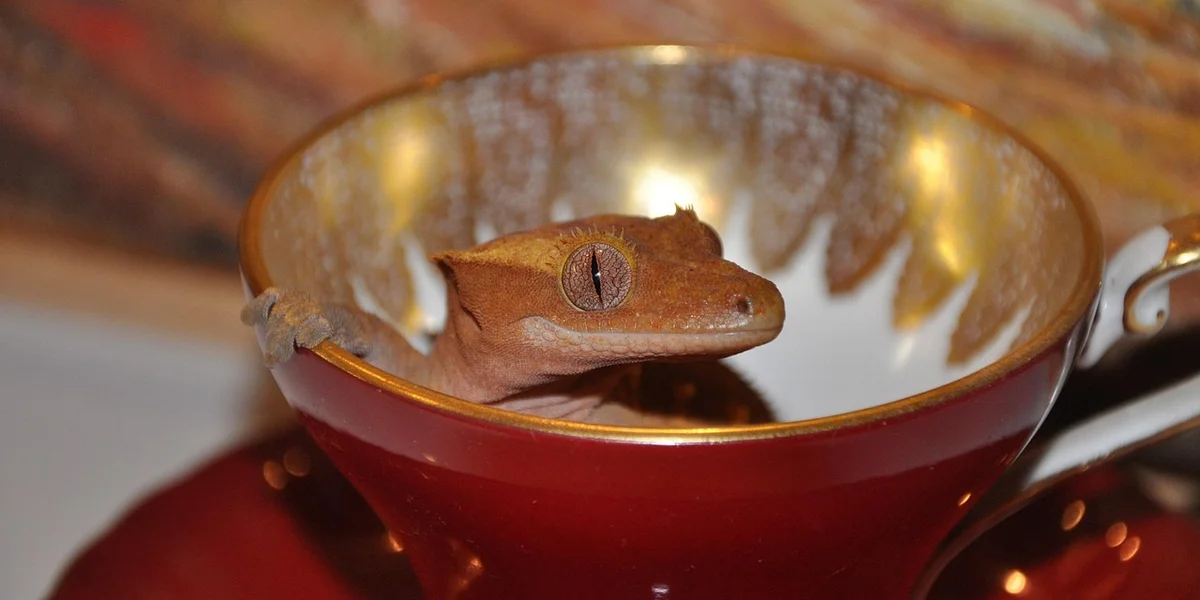
The material of your gecko’s dinner plate matters more than you might think. I’ve tested them all, and each material has a specific job in my gecko room.
Material Comparison Guide
- Plastic Dish: These are lightweight and budget-friendly. I use them for Jeter’s fruit paste. The downside is that they scratch easily, and bacteria can hide in those tiny grooves. They need frequent replacement.
- Ceramic Bowl: This is my top choice for most of my geckos. They are heavy, so they don’t get tipped over by a hungry gecko or a frantic cricket. They are also incredibly easy to clean and sterilize with boiling water.
- Stainless Steel Bowl: These are virtually indestructible and the most hygienic option. I use a small one for Griffey’s vitamins. You must check the rim for any sharp manufacturing burrs that could injure your pet’s mouth or eyes.
- Glass: Glass dishes, like small jam jars, are slick and easy to wipe clean. I use one for Mookie’s food. They are inert and won’t leach chemicals, but their weight can be a hazard if they break.
For my main insect feeders, I swear by ceramic. A simple, heavy ceramic bowl prevents spills, contains prey, and stands up to daily scrubbing without absorbing odors. I avoid flimsy plastic for my bigger geckos like Babe, who would flip it over in a second. Your choice directly impacts your pet’s health and your own peace of mind.
Sizing and Depth for Optimal Feeding
Getting the dish dimensions right is your first step to a clean and stress-free feeding routine. The perfect dish should be low enough for easy access but tall enough to contain the food.
- For hatchlings and juvenile geckos, aim for dishes about 1-2 inches in diameter and no more than half an inch deep. This prevents tiny geckos from struggling to get in and out.
- Adult geckos need dishes around 3-4 inches across. A good rule is the dish should be at least as wide as your gecko’s body length from snout to vent.
- Dish height is critical. For most species, the rim should be no taller than the gecko’s chest when standing normally. I call this the “snout-to-rim” test.
Spills and substrate contamination are more than just a mess; they can pose health risks. Always place feeding dishes on a flat, solid surface, like a piece of slate or tile, away from loose substrate. This creates a designated “dining area” and stops your gecko from accidentally swallowing bedding.
Live insect dishes need smooth, vertical sides that are at least 1 to 1.5 inches high. This contains crickets and roaches. My leopard gecko, Griffey, is an enthusiastic hunter, and a shallow but steep-sided dish keeps his lunch from escaping.
Water dishes can be slightly wider and deeper, but never so deep a gecko could drown. For most species, a water dish depth of about an inch is the sweet spot for safe hydration.
Species-Specific Feeding Dish Setup
Leopard Gecko Feeding Dish
These ground-dwellers need dishes that match their terrestrial lifestyle. I always use shallow, incredibly sturdy ceramic dishes for my leopard gecko, Griffey. He’s a “high yellow” morph with a lot of energy, and a lightweight dish would be flipped in seconds.
- Choose dishes with a wide, heavy base. This prevents tipping when your gecko climbs on the rim.
- Consider hiding the dish behind a plant or a hide. This reduces stress during feeding, making shy geckos feel more secure.
- Griffey’s energetic style means his dish must be easy to enter and exit. A shallow design lets him pounce and retreat without obstacle.
Crested Gecko Feeding Bowl
Arboreal species like Crested Geckos eat and drink off the ground. Elevated or magnetic feeding ledges are a game-changer for these climbers. They mimic natural feeding in the trees.
- Magnetic dishes attach securely to the glass walls of the terrarium, keeping them stable at a comfortable height.
- Use a bowl that is at least 2-3 ounces in capacity for their fruit mix (CGD). This gives them enough space to eat comfortably without the food drying out too quickly.
- My Crested Gecko, Jeter, is calm and confident. His magnetic dish is placed on a side pane, giving him a peaceful, designated spot for his meals away from his main climbing branches.
Gargoyle Gecko Dish
Gargoyle Geckos are powerful jumpers, so dish stability is non-negotiable. You need a dish that can withstand a “Mookie-style” leap from a nearby branch.
- Suction cup bowls or very heavy, low-profile ceramic dishes work best. They resist the impact and vibrations from sudden landings.
- In their humid environment, place the dish in a well-ventilated area to slow mold growth. I check Mookie’s dish twice daily.
- Mookie’s playful, quick nature means his dish is secured with a strong suction cup. A standard dish would be on the floor in minutes.
African Fat-Tailed Gecko Feeding Setup
These terrestrial geckos prefer life on the floor, much like their leopard gecko cousins. A low-profile, sturdy dish is essential to accommodate their ground-dwelling nature.
- Choose dishes with a very low front lip. This allows for easy access without them having to climb over a high edge.
- Place the dish directly on the tank glass or a solid tile to completely avoid any risk of substrate ingestion. Safety first.
- My African Fat-Tail, A-Rod, is territorial. His dish is placed in a consistent, quiet corner of his terrarium, which he seems to prefer for his solitary meals.
Giant Day Gecko Feeding Dish
Bold and food-motivated, Giant Day Geckos are not shy about mealtime. An open, easy-to-sanitize dish is perfect for their bold feeding habits and messy eating style. This is part of our day gecko species information care guide. Look for more feeding tips and husbandry basics in this guide.
- Open, saucer-like dishes are ideal. They provide clear, unobstructed access, which suits their confident personality.
- In their warm, humid enclosures, choose non-porous materials like glass or glazed ceramic. These materials resist mold and bacteria much better than plastic.
- Babe, my Giant Day Gecko, is all about efficiency. His dish is wide and shallow, placed in an open basking area so he can eat his fruit mix in his favorite sunny spot.
Placement and Safety in the Enclosure
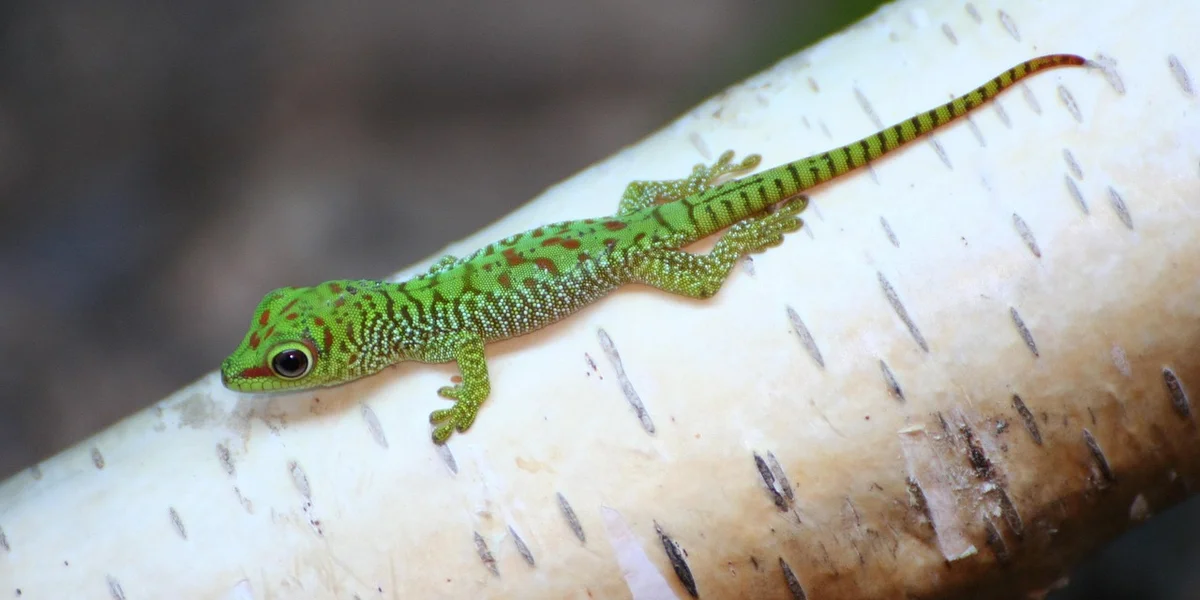
Where you put the food dish is just as critical as the dish itself. A perfect bowl in the wrong spot will just collect dust.
Ideal Locations Based on Gecko Behavior
Think about your gecko’s natural instincts. My Leopard Gecko, Griffey, is a ground dweller. His dish sits right on the warm side of the tank, snuggled against his favorite hide so he can eat in private. My Crested Gecko, Jeter, is an arboreal acrobat. His food ledge is suction-cupped halfway up the glass, right in his nightly climbing path. These setup choices offer a glimpse into each gecko’s temperament and preferences. This is exactly the kind of insight covered in the complete guide to understanding gecko behavior and temperament.
- For terrestrial geckos (Leopard, African Fat-Tailed): Place the dish on the ground on the warm side of the enclosure, near a hide for security.
- For arboreal geckos (Crested, Gargoyle, Day Gecko): Use elevated magnetic or suction-cup ledges on the side or back glass. Place them near frequently used branches or vines.
- For shy or easily stressed geckos: Position the dish in a quieter, more sheltered part of the tank to encourage feeding.
Raised vs. Ground Placement
I learned the hard way with my Giant Day Gecko, Babe. I initially put his fruit paste in a shallow dish on a log. He is so food-motivated and messy that he would fling paste everywhere, creating a moldy nightmare on the substrate below. I quickly switched to a dedicated feeding ledge, which contains the mess beautifully.
- Raised Ledges: Essential for sticky, fruit-based diets (Crested Gecko Diet). They prevent substrate ingestion and make cleanup a breeze.
- Ground Placement: Best for live insects and dry foods. It feels more natural for species that hunt on the ground.
Substrate Prevention and Enrichment
You absolutely must prevent your gecko from swallowing loose substrate like sand or coconut fiber along with its food. I always use a flat, stable piece of slate tile or a small plastic mat under my ground-feeder dishes. When selecting substrates, avoid loose grains or fibrous materials that your gecko could swallow; opt for solid, nonporous surfaces instead. This helps prevent impaction and makes feeding areas easier to keep clean. This creates a safe “dining area” and makes spot-cleaning dead crickets a snap.
For enrichment, try mimicking natural feeding behaviors. This helps encourage natural foraging behavior in your gecko. Varying methods keeps their hunting instincts sharp and makes mealtimes more enriching. I sometimes place a few mealworms in a smooth, flat rock dish for Griffey to “hunt.” For my Gargoyle Gecko, Mookie, I’ll smear a little food on a clean, vertical leaf to encourage licking and climbing. These small changes stimulate their brains and keep mealtime interesting.
My Personal Placement Mistakes and Fixes
My biggest blunder was with Jeter, my Crested Gecko. I placed his feeding ledge right under the heat lamp. The heat caused his Crested Gecko Diet to dry out and spoil in just a few hours. I moved the ledge to a cooler, shaded area, and now the food stays fresh all night. Another lesson: make sure dishes are heavy or secured. My African Fat-Tailed Gecko, A-Rod, is a bulldozer and would constantly flip his lightweight water dish. A simple, heavier ceramic bowl solved that problem instantly.
Cleaning and Maintenance Routines
A dirty dish is a fast track to a sick gecko. Bacteria and mold grow with terrifying speed in a warm, humid terrarium.
Steps for Sanitizing Dishes
I have a simple, two-step cleaning routine that has never failed me.
- Scrub with hot water and a dedicated bottle brush immediately after use. Don’t let old food or dead insects sit and crust on. I have a specific brush I only use for my geckos’ dishes.
- Once a week, I do a deep clean. I soak all dishes in a 10% bleach solution (1 part bleach to 9 parts water) for 10-15 minutes. Then, I rinse them under running water for at least a full minute to ensure all bleach residue is gone. Let them air dry completely before putting them back.
Cleaning Frequency by Material and Use
Not all dishes need the same level of attention.
- Insect & Water Dishes (Daily): These need the most frequent cleaning. Remove uneaten live insects every morning and wipe out the dish. Refresh water daily and scrub the bowl to prevent a slimy biofilm.
- Crested Gecko Diet / Fruit Dish (Daily): This is non-negotiable. Replace the food and thoroughly clean the ledge or cup every single day. The high sugar content spoils rapidly.
- Calcium Dishes (Weekly): While the powder itself should be refreshed weekly, you can give the dish a full scrub during your weekly deep clean.
When to Replace Dishes
Plastic dishes can get microscopic scratches over time that harbor bacteria. If you see any deep scratches, cloudiness, or a rough texture that you can’t scrub clean, it’s time to replace the dish. Ceramic and glass last much longer, but you should still replace them if they become chipped or cracked.
Advocating for Regular Health Checks
Your cleaning routine is your first line of defense. Every time you pull a dish out to clean it, take ten extra seconds to look at your gecko. Are their eyes bright? Is their tail nice and plump? Are they moving normally? These early warning signs can indicate illness in geckos. Being aware of them helps you act quickly to protect your pet. This simple, consistent observation habit helps you catch potential health issues before they become emergencies. I’ve spotted early signs of lethargy and weight loss just during my daily dish-cleaning ritual.
FAQs
Should geckos have a separate water dish and a feeding dish?
Yes, geckos should have separate dishes for water and food to maintain hygiene and prevent cross-contamination.
Are covered feeding dishes better for geckos?
Covered feeding dishes are generally not recommended as they can restrict access and promote mold growth in humid enclosures.
What should you put in a gecko feeding dish to prevent mold or spoilage?
Use non-porous materials like ceramic or glass and avoid leaving wet or sugary foods for extended periods to minimize mold and spoilage risks.
Are there risks with using metal feeding dishes for geckos?
Yes, metal feeding dishes can pose injury risks if they have sharp edges or burrs, so always inspect and smooth them before use.
How often should you replace gecko feeding dishes to maintain hygiene?
Replace gecko feeding dishes when they show signs of damage, such as deep scratches or cracks, to ensure they remain safe and hygienic. Regularly inspecting the enclosure for other hazards helps keep your gecko safe and reduces household risks. This ties into overall gecko enclosure safety and household hazard tips.
Final Thoughts on Gecko Dining
The best feeding setup for your gecko boils down to three simple things: material safety, the right size, and smart placement. Use shallow, smooth dishes for terrestrial geckos and secure, elevated ledges for arboreal climbers. Always pick a dish that prevents escapes and is easy for you to clean. Additionally, when you feed mealworms, pick appropriately sized worms and dust them with calcium as recommended. Remove uneaten mealworms promptly to keep the feeding area clean.
Getting the dish right is a small but vital part of being a great gecko guardian. Setting up a calcium dish for your gecko is a necessary step. It helps support bone health and overall well-being. Your commitment to learning these details, from feeding to habitat, directly translates into a happier, healthier pet. Keep observing, keep asking questions, and your gecko will thrive under your care.
Further Reading & Sources
- Review: Feeding dishes for leopard geckos – Leopard Gecko Care
- Gecko Feeding Ledge: The Ultimate Guide for Feeding Your Gecko – Talis Us
- Amazon.com: Crested Gecko Food Dish
The Gecko Guide is your ultimate resource for gecko enthusiasts, providing expert advice and practical tips to ensure the health and happiness of your scaly companions. Alexander is a passionate gecko owner with over a decade of experience in reptile care. We are dedicated to offering accurate, up-to-date information to support your gecko journey.Our mission is to foster a community of responsible gecko owners who are passionate about the well-being of these fascinating creatures.
Feeding Station Ideas