
African Fat-Tailed Gecko Diet: A Complete Feeding Guide
Published on: September 27, 2026 | Last Updated: September 27, 2026
Written By: Alexander 'Gecko Geek' Johnson
Figuring out what to feed your African Fat-Tailed Gecko can feel overwhelming, especially when you want to get it just right for their health and happiness. I’ve been there with my own gecko, A-Rod, and I understand that mix of excitement and worry.
Don’t fret. I’m here to help you simplify it all. By the end of this, you’ll feel confident knowing exactly what to offer your scaly friend. We’ll cover the three most important things you need to know:
- The best live insects for a balanced diet.
- How to make those insects even more nutritious for your gecko.
- A simple feeding schedule based on your gecko’s age.
You will get clear, straightforward advice you can use right away. This guide covers: staple feeders, safe treats, dangerous foods, supplementation, feeding schedules, and hydration. Let’s make mealtime the best part of your gecko’s day.
African Fat-Tailed Gecko Diet Basics
Getting their diet right is the single most important thing you can do for your gecko’s health. African Fat-Tailed Geckos are opportunistic omnivores, which means their primary and most crucial food source is live insects, but they may occasionally consume soft fruits and nectar in the wild. Many new owners mistakenly think they need a lot of plant matter, but that’s a fast track to nutritional issues. Their bodies are built for a protein-rich insect diet.
Here is a simple breakdown of their core dietary components:
| Diet Component | Frequency | Examples |
|---|---|---|
| Staple Insects | Every 2-3 days | Crickets, Dubia Roaches, Black Soldier Fly Larvae |
| Treat Insects | Once a week or less | Waxworms, Butterworms |
| Occasional Plant Matter | Rarely, if at all | Commercial Crested Gecko Diet, Mashed Banana or Papaya |
Are African Fat-Tailed Geckos Omnivorous?
Technically, yes, but this label can be misleading. In practice, you should think of your African Fat-Tailed Gecko as a carnivore that won’t say no to a sweet, sugary snack. Their main nutritional needs are met through chitin-rich insects like crickets and roaches.
My gecko, A-Rod, is a perfect example. He will aggressively hunt down every cricket in his enclosure but will only tentatively lick at a tiny bit of banana puree maybe once a month. I offer it more as environmental enrichment than a real food source. Their system isn’t designed to process high amounts of sugar or fiber.
Key Nutrients for Health
Focusing on the right nutrients prevents metabolic bone disease and ensures a long, healthy life. A balanced diet for a fat-tailed gecko revolves around three key pillars: protein, calcium, and vitamins.
- Protein: This is their main energy source, vital for growth and tissue repair. It comes directly from the body of the feeder insects.
- Calcium: Non-negotiable for strong bones and proper nerve function. A lack of calcium leads to weak, rubbery limbs-a heartbreaking condition that is entirely preventable.
- Vitamins: Especially Vitamin D3, which helps them use that calcium. They get some from their gut-loaded insects, and the right amount from proper supplementation.
Safe Foods and Feeder Insects
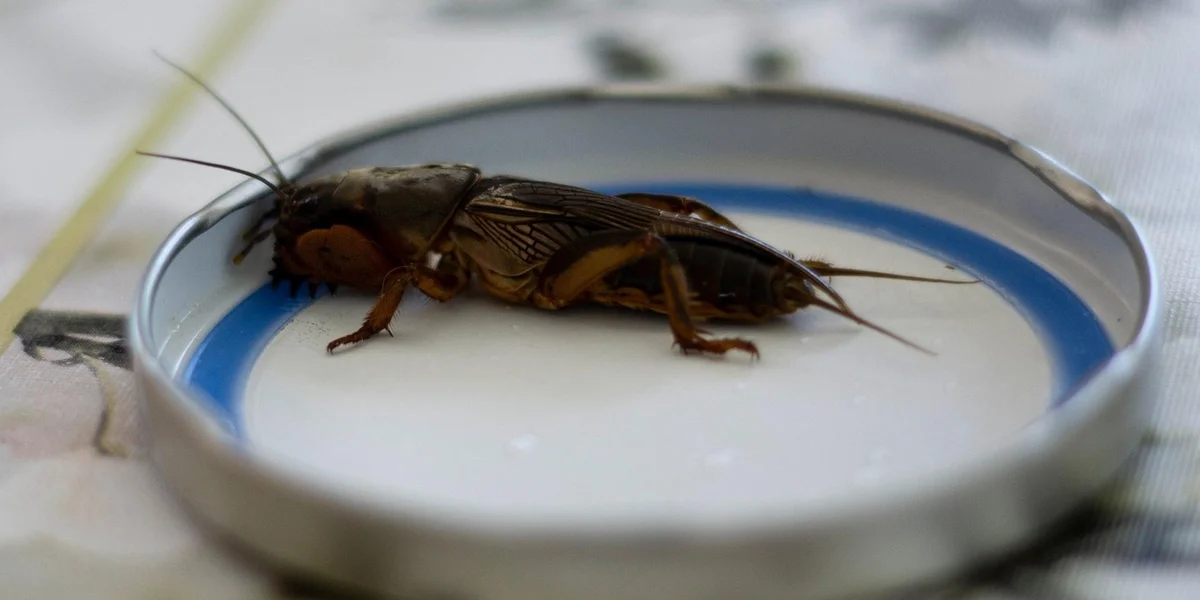
Variety is not just the spice of life; it’s the foundation of good gecko health. Feeding only one type of insect, like crickets, is like a human eating only chicken every day—you miss out on a full spectrum of nutrients. I always rotate between two or three staple feeders to keep my geckos robust. I also consider whether the best feeder insect combinations create a balanced gecko diet by pairing calcium-rich options with nutrient-dense alternatives. Balanced mixes help ensure no nutrient gaps.
I also make a point to buy from reputable breeders who raise their insects on high-quality feed. Ethically sourced feeders are healthier, which directly translates to a healthier gecko. You are what you eat, and your gecko is what its food eats. So, which live insects are best to feed your gecko? Choose gut-loaded, appropriately sized insects for optimal nutrition.
Top Feeder Insects for Fat-Tailed Geckos
Here’s my go-to list of feeders, based on years of trial and error with my own geckos.
- Crickets: A classic staple. They are active, stimulating your gecko’s hunting instinct. Their downside is they smell and can be noisy. Offer appropriately sized crickets (no bigger than the space between your gecko’s eyes).
- Dubia Roaches: My personal favorite. They are meatier, quieter, and have a better protein-to-fat ratio than crickets. A-Rod goes absolutely wild for them. They are also less likely to bite your gecko.
- Black Soldier Fly Larvae (Calciworms/Phoenix Worms): These are a powerhouse of calcium. I use them as a regular part of the rotation to boost calcium intake naturally. They are small, so you need to offer more of them.
- Mealworms: A good occasional feeder. They have a harder exoskeleton which can be tough to digest in large quantities. I use them sparingly.
- Waxworms: These are the potato chips of the gecko world-pure fat and very addictive. Use them only as a rare treat for a skinny gecko or as a bribe for a picky eater. Overfeeding leads to an obese gecko that refuses other, healthier foods.
Other Safe Foods and Treats
While insects should make up 95% of their diet, a few other items can be offered on a very limited basis. Commercial Crested Gecko Diets (CGD) can sometimes be accepted by African Fat-Tails as an occasional supplement. I’ve had mixed results; some geckos will lick it, others ignore it completely. A freshly prepared diet vs insects can deliver a consistent nutritional breakdown (calcium-to-phosphorus ratio, vitamins) compared with the variable nutrient profile of live insects. Live insects provide moisture and natural feeding behavior, but their nutrient content can fluctuate and often require gut-loading and supplementation to meet mineral needs.
For fruit, stick to soft, mashable options like ripe banana, papaya, or mango. Offer a tiny amount, no bigger than a pea, once a month at most. Overfeeding fruit causes digestive upset and provides little nutritional value compared to gut-loaded insects. Always prioritize the bugs.
Feeding Schedule and Frequency
Getting the feeding rhythm right is one of the most common worries for new owners. I’ve found that a consistent, age-based schedule prevents most weight and health issues before they even start.
Juvenile vs. Adult Feeding Plans
Their needs change dramatically as they grow. My gecko Mookie, as a juvenile, was a bottomless pit of energy, needing fuel for all that rapid growth. My older gecko, Babe, is much more sedate.
- Juveniles (Under 1 Year): Offer as many appropriately-sized insects as they can eat in a 10-15 minute period, daily. They are building their bodies and need constant energy.
- Adults (1 Year+): Feed every other day. A good portion is 4-6 large insects per feeding. Adults are maintaining their size, not building it, so overfeeding leads to obesity.
How Much to Feed Your Gecko
Portion control is simpler than it seems. You can use the “width of the head” rule for insect size and a simple count for quantity.
- Insect Size: No insect should be wider than the space between your gecko’s eyes.
- Quantity for Adults: 4-6 large crickets or dubia roaches, or 2-3 large mealworms per feeding.
- Signs of Overfeeding: Your gecko refuses food, leaves insects uneaten, or develops large fat pockets in its armpits and a very thick tail.
- Signs of Underfeeding: The tail becomes thin and whip-like, the hip bones and spine become prominent, and they seem lethargic.
Always remove any uneaten live insects after 15 minutes to prevent them from stressing or even nibbling on your gecko.
Essential Supplements and Gut-Loading
Feeding the insects is only half the battle. What those insects have eaten recently is what truly nourishes your gecko. Think of feeder insects as little food-delivery vehicles; you need to load them with the right cargo. In our diversifying diet guide, we list 10 safe feeder insects for geckos. A varied menu helps ensure balanced nutrition and keeps your gecko interested.
Calcium and Vitamin Supplementation
Dusting is non-negotiable for preventing Metabolic Bone Disease (MBD), which I’ve sadly seen in rescues. It’s a heartbreaking and entirely preventable condition.
My personal routine is simple and effective:
- I keep two shakers: one with pure calcium powder (without D3) and one with a calcium + D3 multivitamin mix.
- For most feedings, I give the insects a light roll in the pure calcium powder. This allows my geckos to self-regulate their calcium intake if they need it.
- Once or twice a week, I use the calcium + D3 multivitamin mix instead. This ensures they get all the essential vitamins they can’t get from insects alone.
Gut-Loading Feeder Insects
Gut-loading means feeding your feeder insects highly nutritious foods 24-48 hours before they become gecko food. A well-fed cricket is a vitamin-packed meal.
Providing healthy, well-fed insects is a core part of ethical animal care. Here’s my step-by-step method:
- Place your feeder insects in a separate container with a shallow lid.
- Add gut-loading foods. My go-to mix is sweet potato, carrots, leafy greens like collard greens, and a high-quality commercial gut-load food.
- Leave the food with the insects for at least 24 hours. This gives them time to fill their guts with the good stuff.
- Never use poor-quality foods like potato slices or just cardboard. You are what you eat, and your gecko is what its food eats.
Water and Hydration Needs
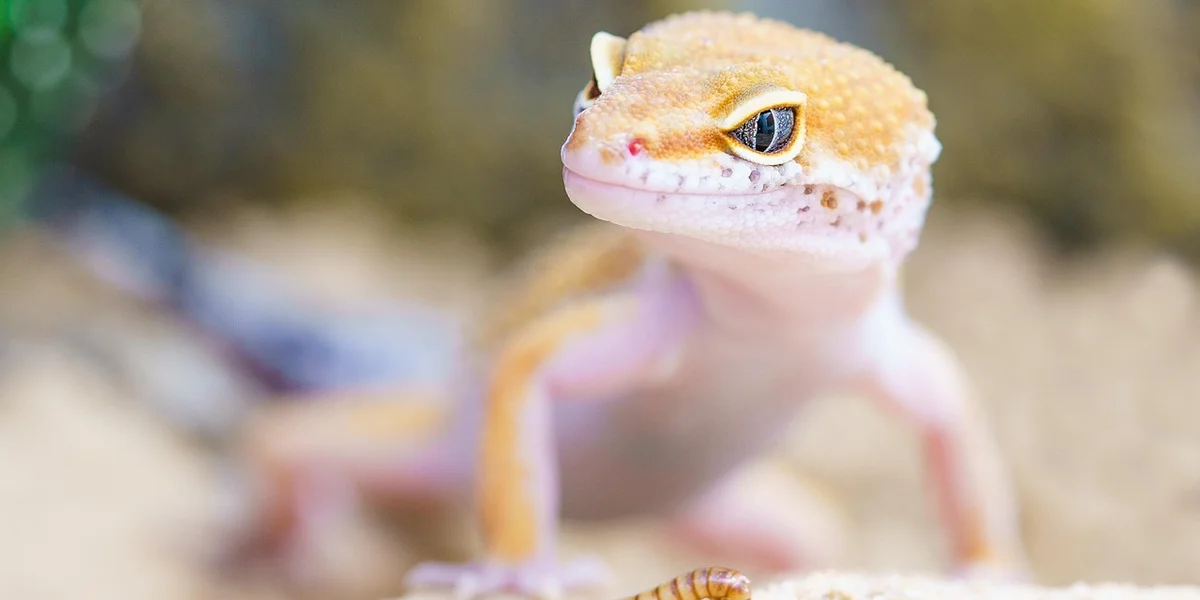
Your African fat-tailed gecko can’t thrive on bugs alone. Proper hydration is just as critical as a balanced diet for their overall health and organ function. In the wild, they get moisture from dew and rain, so we must replicate that in their home.
Providing Fresh Water
I use a shallow, sturdy ceramic dish for all my geckos. A heavy, tip-proof bowl prevents spills and keeps your substrate dry, which is a simple trick to avoid messy clean-ups. Place it in a cool corner of the enclosure, away from the heat lamp, to keep the water from evaporating too quickly.
My gecko A-Rod has a funny habit of sitting in his water dish if it’s too big. I learned the hard way that a dish just large enough for them to drink from, but not climb into, is the perfect size. You must scrub the bowl with reptile-safe disinfectant at least twice a week to prevent a slimy bacterial film from forming.
While they drink from a dish, these geckos also absorb moisture from the air. A light misting of the enclosure in the evening helps maintain the 50-60% humidity they crave and provides droplets for them to lick. If you’re wondering how to tell if your gecko is dehydrated, start with these cues. Watch for these clear signs of gecko dehydration and act fast:
- Sunken or dull-looking eyes
- Loose, wrinkly skin that doesn’t snap back quickly when gently pinched
- Loss of appetite and unusual lethargy
- Thick, stringy saliva instead of clear drool
Troubleshooting Common Feeding Issues
Even with the best setup, sometimes things go sideways. Don’t panic if your gecko’s eating habits change; it’s often a simple fix you can handle at home. I’ve seen it all with my crew, from hunger strikes to pudgy tails.
Loss of Appetite and Solutions
A gecko refusing food can make any owner worry. The first thing I check is the temperature gradient, as a belly that’s too cold simply cannot digest food. If your hot hide isn’t reaching 88-90°F, your gecko might go on a hunger strike until it’s warm enough. If you’re wondering why your gecko isn’t eating, this is a good place to start. Understanding the cause helps you know what to do next. Here’s my step-by-step process to get them eating again:
- Double-check all temperatures and humidity levels with a digital gauge.
- Try a different, more enticing feeder insect. Swap crickets for fatty waxworms or soft-bodied hornworms as a “treat” to kickstart their appetite.
- Offer food at dusk or dawn when they are naturally most active.
- Ensure they feel secure. Too much open space or lack of hiding spots can cause stress-related fasting.
- If the fast lasts more than 10 days, a visit to a reptile vet is essential to rule out parasites or other illness.
Handling Impaction and Obesity
These two issues sit on opposite ends of the feeding problem spectrum, but both are serious.
Impaction is a life-threatening bowel blockage often caused by eating loose substrate or overly large prey. You’ll notice a loss of appetite and a hard, swollen lump in their lower belly. They will also stop passing droppings. To prevent it, I always feed my geckos in a bare-bottom feeding dish or on a solid surface like a tile. If you suspect impaction, provide a warm soak and gently massage the belly. If there’s no improvement within a day, get to a vet immediately.
Obesity sneaks up on you. A fat-tailed gecko should have a plump tail, but when the tail is wider than the space between their eyes and their body looks like a sausage, it’s time for a diet. An overweight gecko is at high risk for fatty liver disease. I had to put my gecko Babe on a diet by cutting back his feeder insects to just three times a week and encouraging exercise by moving his food dish across the enclosure from his favorite hide.
FAQs
What foods should I avoid feeding my African Fat-Tailed Gecko?
Avoid feeding them insects that are too large, wild-caught bugs that may have pesticides, and high-sugar fruits regularly to prevent health issues.
How often should I offer treat insects to my gecko?
Offer high-fat treat insects like waxworms no more than once a week to avoid obesity and ensure they eat their staple diet.
Can African Fat-Tailed Geckos survive on a diet of only crickets?
While they can survive on crickets alone, a varied diet including roaches and other insects provides better nutrition and prevents deficiencies.
What are the signs of a well-balanced diet in my gecko?
A healthy gecko on a balanced diet will have a plump but not obese tail, clear eyes, regular shedding, and consistent energy levels.
Is it safe to feed my gecko insects from my garden?
It is not recommended to feed wild-caught insects due to the risk of pesticides, parasites, and unknown toxins that could harm your gecko. Unlike safe, farmed insects, wild-caught ones may carry harmful substances.
Wrapping Up Your Gecko’s Diet
The core of a healthy African fat-tailed gecko diet is simple: offer appropriately-sized, gut-loaded live insects like crickets and dubia roaches, and always dust them with the right calcium and vitamin supplements. Are crickets safe and nutritious for geckos? When properly gut-loaded, sized appropriately, and dusted with calcium, they’re a common, nutritious option for fat-tailed geckos. Providing a shallow water dish and monitoring your gecko’s body condition and eating habits will keep your pet thriving for years.
Remember, being a great gecko keeper means committing to lifelong learning about their specific needs. Your dedication to providing excellent nutrition is a direct reflection of your love for your animal, so keep observing, keep asking questions, and enjoy the journey of caring for your unique pet. Wondering if pet geckos eat the right foods? A complete feeding guide by gecko species can help you tailor meals to your particular pet’s needs.
Further Reading & Sources
- African Fat-Tailed Gecko Care Sheet – Reptiles Magazine
- African Fat-Tailed Geckos: Ideal Habitat, Care, and Diet
- The ReptiFiles African Fat-Tailed Gecko Care Sheet
The Gecko Guide is your ultimate resource for gecko enthusiasts, providing expert advice and practical tips to ensure the health and happiness of your scaly companions. Alexander is a passionate gecko owner with over a decade of experience in reptile care. We are dedicated to offering accurate, up-to-date information to support your gecko journey.Our mission is to foster a community of responsible gecko owners who are passionate about the well-being of these fascinating creatures.
Gecko Nutrition & Feeding