
Is Tap Water Safe for Geckos? Alternatives Explained
Published on: October 27, 2026 | Last Updated: October 27, 2026
Written By: Alexander 'Gecko Geek' Johnson
You fill your gecko’s water bowl from the kitchen tap without a second thought, but a nagging worry might be creeping in-could this everyday habit be secretly harming your pet? I’ve been there, and after years of caring for my own crew, I can tell you it’s a valid concern that deserves a clear answer.
I’m here to help you cut through the confusion. We’ll cover everything you need to know to make an informed and safe choice for your scaly friend.
- Identify the invisible chemicals in tap water that pose the biggest risk to geckos.
- Explore the safest, most affordable water alternatives you can use today.
- Learn my simple, at-home method for making tap water safe in a pinch.
You will get straightforward, experience-based advice you can trust. Topics covered: tap water contaminants, symptoms of unsafe water exposure, bottled water options, water conditioner usage, reverse osmosis systems, distilled water pros/cons.
Why Tap Water Can Harm Your Gecko
Your kitchen faucet might seem like the easiest water source, but it can be a cocktail of chemicals you’d never knowingly give your pet. I learned this the hard way.
- Chlorine and Chloramine: These are disinfectants added to kill bacteria in our water supply. Chlorine can often be smelled. Chloramine is a more stable compound of chlorine and ammonia. Both can irritate your gecko’s sensitive skin and eyes, and when ingested, they disrupt the delicate gut flora necessary for digestion.
- Heavy Metals: Lead, copper, and zinc can leach from old pipes into your water. These metals are toxic and accumulate in the body over time. They put immense strain on your gecko’s liver and kidneys, the very organs responsible for filtering waste and keeping them hydrated.
- Fluoride and High Mineral Content (Hard Water): While not acutely toxic like metals, high levels of dissolved minerals can lead to kidney stress and potentially contribute to the formation of mineral deposits.
Gecko kidneys are tiny, powerful filters that work hard to process everything they ingest. Constant exposure to these contaminants forces their kidneys to work overtime, which can lead to long-term damage and kidney failure. I once had a gecko, Jeter, who became inexplicably lethargic. After a vet visit and water testing, we traced it back to a seasonal spike in chloramine levels in my local tap water. Switching his water source was a game-changer for his energy levels.
Signs Your Gecko Is Dehydrated
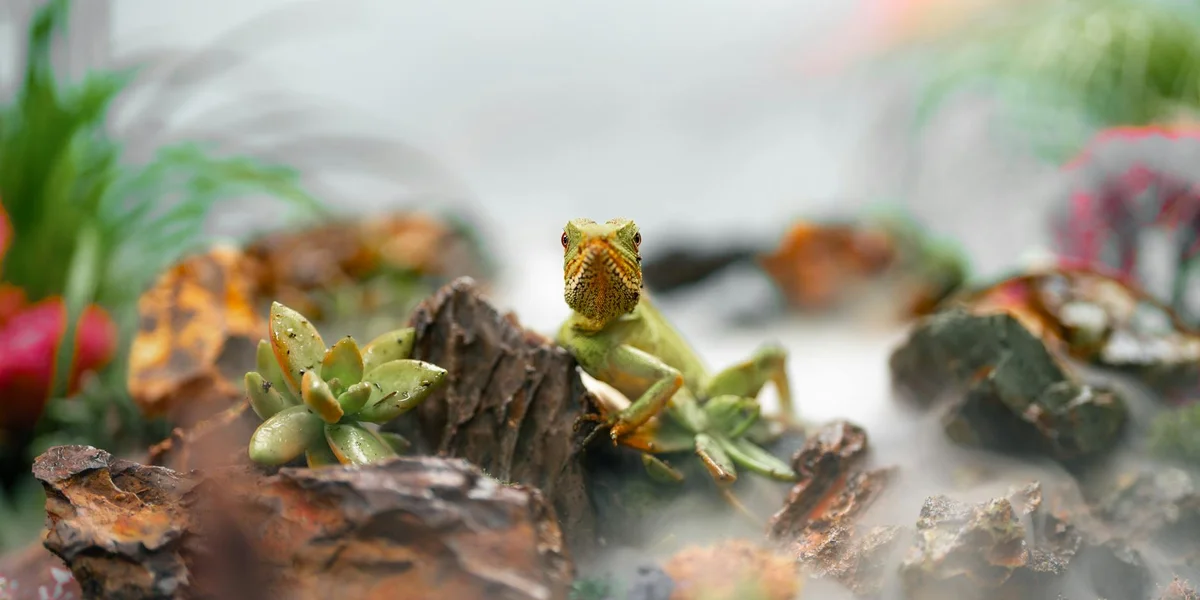
Dehydration can sneak up on your gecko, and it’s a serious health threat. Catching it early is crucial. Here are the signs I constantly monitor for in my own colony.
- Sunken Eyes: A hydrated gecko has plump, rounded eyes. Dehydration causes the eyes to appear shrunken or recessed into the skull.
- Wrinkled or Loose Skin: Their skin loses elasticity. You might notice extra folds, especially along the sides and neck.
- Lethargy and Loss of Appetite: A dehydrated gecko often lacks the energy to be active or show interest in food. This is one of the first behavioral red flags I see.
- Sticky Mouth or Thick Saliva: Gently check if there’s any stringy saliva in their mouth. A dry or sticky mouth is a clear indicator.
- Weight Loss: Sudden or noticeable weight drop can be linked to fluid loss and reduced eating.
The skin pinch test is a quick check you can do at home. Gently pinch a small fold of skin on your gecko’s back or side. In a well-hydrated gecko, the skin will snap back into place immediately. If the skin tent remains for even a second or two, your gecko needs fluids urgently. Always offer a shallow water dish and consider a humid hide to help them self-regulate.
How Geckos Drink and Stay Hydrated
Do Geckos Use Water Bowls or Other Methods?
Watching my geckos drink is one of my favorite quiet moments. Their drinking methods are as unique as their personalities and are heavily influenced by their natural habitats. My leopard gecko, Griffey, confidently laps water from his shallow dish, while my crested gecko, Jeter, would rather lick tiny droplets off leaves after I mist his enclosure.
- Species-Specific Habits: Leopard and African Fat-Tailed geckos, like my A-Rod, are ground-dwellers and typically learn to drink from stable, shallow water bowls. Arboreal species, like Crested, Gargoyle, and Day Geckos, are hardwired to drink from rain and dew. They prefer licking water droplets from smooth leaves and the sides of their terrarium.
- Live Insects for Moisture: Don’t forget that your gecko’s food provides a significant amount of water! Gut-loaded insects are like little hydration packets. This is a crucial backup, especially for geckos who are shy drinkers. A well-fed cricket is a juicy snack that contributes to their overall water intake.
- Humidity and Misting Systems: For my tropical geckos, maintaining proper humidity is non-negotiable for hydration. Misting doesn’t just raise the humidity; it creates the drinking opportunities they instinctively seek. A good misting session replicates a gentle rainforest rain, encouraging them to lap up the fresh water.
Setting Up Effective Hydration in the Vivarium
Getting the hydration setup right prevents so many health issues down the line. The goal is to provide clean, accessible water in a way that mimics your specific gecko’s natural behavior. Understanding how they drink is key to ensuring they stay hydrated. I’ve tried every method over the years and learned what works through trial and error.
- Comparing Hydration Methods:
- Water Bowls: Best for terrestrial species. Use a heavy, shallow ceramic dish to prevent tipping. It’s simple and effective, but water can get dirty quickly.
- Drip Bottles: A great way to provide moving water, which can attract the attention of reluctant drinkers. I sometimes use one for my Day Gecko, Babe, and she loves it.
- Misting Systems: The gold standard for arboreal geckos. Automated systems are fantastic for busy owners, ensuring consistent humidity and drinking opportunities even when you’re not home.
- Mold Prevention and Substrate Risks: Stagnant water and wet substrate are a recipe for mold and bacteria. You must change water bowls daily and promptly remove any soaked substrate. I use a small paper towel liner under my water dishes to catch spills, making cleanup a five-second task.
- Frequency of Hydration Practices: This isn’t a “set it and forget it” part of care. Water bowls need a scrub and refill every single day. Manual misting should be done at least twice daily for tropical species-once in the morning and once at evening. Automated misters should be checked weekly to ensure nozzles aren’t clogged.
Safe Water Alternatives for Geckos
Since we’ve established that tap water can be risky, let’s talk about the safe and practical alternatives. Finding the right water is about balancing safety, mineral content, and convenience for your lifestyle. I keep a few different types on hand depending on the situation.
- Reverse Osmosis (RO) Water: This is my top choice for my misting systems. The filtration process removes almost all impurities, including chlorine, chloramines, and heavy metals. The main drawback is that it’s too pure, lacking beneficial minerals, so it’s not ideal as a sole drinking source unless you remineralize it.
- Distilled Water: Similar to RO water, it’s very pure. I only use it for misting to avoid mineral spots on the glass. I would never use it long-term in a water bowl because the complete lack of minerals can be problematic.
- Filtered Water: A pitcher filter, like a Brita, is a fantastic and affordable middle ground. It removes chlorine and improves taste, making it safe for drinking bowls. It’s my go-to for my leopard gecko’s daily water.
- Bottled Spring Water: This is a safe and reliable option, as it typically contains a natural balance of minerals. Just check the label to ensure it’s not “drinking water” (which is often just filtered tap water) or has added flavors or minerals.
- Remineralization Needs: If you use RO or distilled water in a drinking bowl, you need to add electrolytes back in. You can buy commercial reptile-specific water conditioners that add these essential minerals. It’s a simple step that turns pure water into a healthy hydration source.
How to Prepare Tap Water for Gecko Use
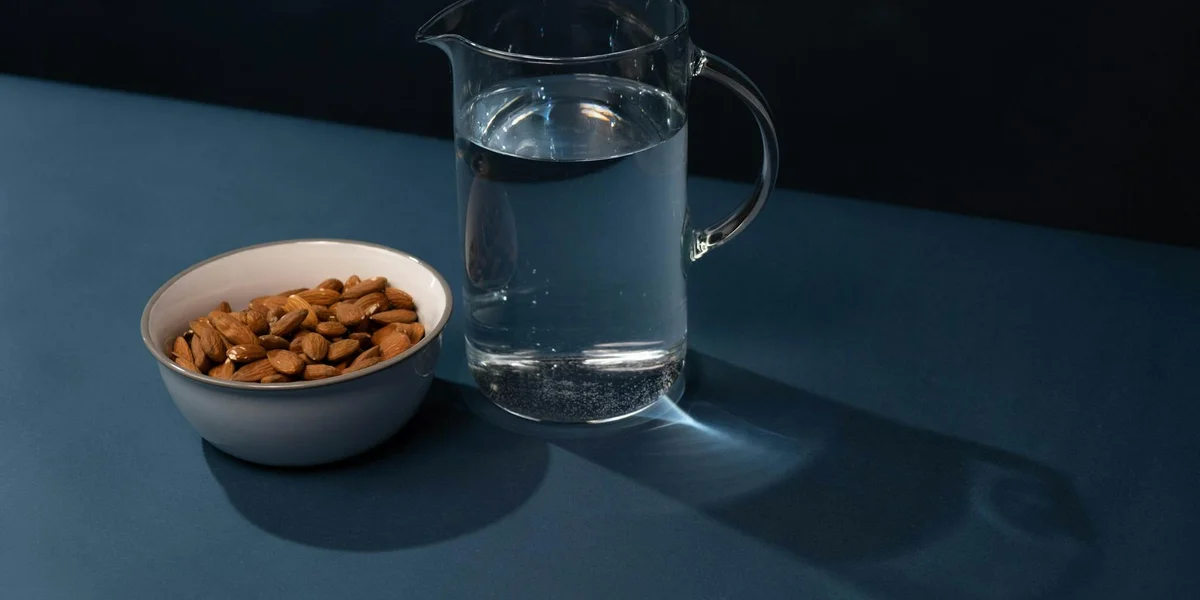
Preparing tap water is simple and ensures your gecko stays healthy. Always treat tap water before offering it to your gecko to remove harmful chemicals like chlorine and chloramine. I learned this the hard way when my leopard gecko, Griffey, seemed less active after drinking untreated water–now I never skip this step. Water quality matters, which is why treated tap water is crucial.
Dechlorination Methods
You have two main ways to make tap water safe: letting it sit or using a conditioner.
- Letting Water Sit: Pour tap water into an open container and leave it for 24 hours. Chlorine will evaporate, but this doesn’t work for chloramine, which many water systems use.
- Using Conditioners: Add a reptile-safe water conditioner, like those from brands such as Zoo Med or Seachem. These instantly neutralize chlorine, chloramine, and heavy metals.
Step-by-Step Instructions for Safe Water
- Gather a clean, dedicated container-I use a glass jar just for my geckos.
- Fill it with tap water straight from the faucet.
- Add conditioner according to the bottle’s directions-usually a few drops per gallon.
- Stir gently and wait a minute for it to work; no need to let it sit if the label says it acts fast.
- Pour the treated water into your gecko’s dish or mister.
Personal Tips on Testing Water Quality
I test my tap water monthly with an aquarium test kit to check chlorine levels. Testing gives me peace of mind, especially since my geckos, like Jeter the crested gecko, are sensitive to changes in water quality and other chemicals. If you notice cloudiness or a strong smell, use conditioner or switch to bottled spring water as a backup.
Tailoring Hydration to Your Gecko Species
Different gecko species have unique hydration needs based on their natural habitats. Matching their environment prevents dehydration and supports their well-being. Unlike some arid-dwelling geckos, crested geckos thrive with higher humidity and regular misting. They mainly drink from tiny droplets on leaves and surfaces, so their hydration strategies differ from desert species that rely more on a water dish. From my experience, observing their behavior helps you choose the best method.
Species That Benefit from Alternatives
- Crested Geckos and Gargoyle Geckos: These thrive on misting because they lick water droplets from leaves. My crested gecko, Jeter, perches high and eagerly drinks after I mist his enclosure.
- Leopard Geckos and African Fat-Tailed Geckos: They prefer shallow water bowls. Griffey, my leopard gecko, often sips from his bowl, while A-Rod, my fat-tailed, ignores misting entirely.
- Giant Day Geckos: Use both methods-misting for humidity and a bowl for drinking. Babe, my giant day gecko, basks near his water source and laps up droplets.
Examples Based on Behavior and Habitat
Geckos from humid forests, like crested geckos, need frequent misting to mimic rain. Mookie, my gargoyle gecko, leaps around after misting like he’s in a tropical shower. Desert species, such as leopard geckos, do well with bowls but appreciate a humid hide for shedding, and knowing proper misting techniques for different geckos is essential.
Adjustments for Dry Climates or Specific Needs
- In arid areas, mist enclosures more often-up to twice daily for species like crested geckos.
- Add a humid hide with damp moss for geckos prone to stuck shed, like African fat-tails.
- Monitor water intake; if your gecko avoids the bowl, try a different location or switch to misting. I moved A-Rod’s bowl to a quieter spot, and he started drinking regularly.
FAQs
How to prevent mold from water features in gecko enclosures?
Change water bowls daily and use a liner to catch spills, ensuring the enclosure stays dry and mold-free.
Are there risks with damp substrate as a hydration method?
Yes, damp substrate can promote mold and bacterial growth, posing health risks to geckos.
Should humidity be increased to aid hydration in dry climates for geckos?
Yes, increase misting frequency in dry climates to maintain proper humidity levels for species that rely on it for hydration.
How often should hydration practices be changed for geckos?
Water bowls should be cleaned and refilled daily, and misting schedules adjusted based on species-specific needs and enclosure conditions.
What are signs of dehydration in geckos?
Signs include sunken eyes, wrinkled skin, lethargy, and loss of appetite, indicating a need for immediate hydration intervention.
Final Words
Your safest bet is to treat tap water with a reptile-safe conditioner or use bottled spring water to neutralize chlorine and chloramines. While some geckos might seem fine with untreated tap water, the long-term risk to their sensitive systems simply isn’t worth the gamble for me. That topic is part of the 8 biggest mistakes in gecko hydration and humidity control. Getting water quality right is a key step.
Committing to this simple step is a huge part of being a proactive and caring gecko guardian. I encourage you to keep asking questions and refining your care routine, because our scaly friends rely entirely on us for their health and happiness. This may even include picking up some fun activities, like target training to bond with your gecko and simplify health checks.
Further Reading & Sources
- Can I Give My Leopard Gecko Tap Water and Ensure Their Health and Safety?
- Can I mist my gecko with tap water? – The Environmental Literacy Council
- Chlorinated Tap Water: Safe for Reptiles? | moonvalleyreptiles.com
The Gecko Guide is your ultimate resource for gecko enthusiasts, providing expert advice and practical tips to ensure the health and happiness of your scaly companions. Alexander is a passionate gecko owner with over a decade of experience in reptile care. We are dedicated to offering accurate, up-to-date information to support your gecko journey.Our mission is to foster a community of responsible gecko owners who are passionate about the well-being of these fascinating creatures.
Hydration & Water Needs