
Gecko Breeding Age and Lifespan: Your Complete Care Guide
Published on: December 20, 2025 | Last Updated: December 20, 2025
Written By: Alexander 'Gecko Geek' Johnson
Wondering when your gecko is old enough to breed, or worrying that starting too early could harm their health? It’s a responsible question that every good gecko keeper faces.
I’ve been through this process with my own geckos, and I’m here to help you understand the timeline. We’ll cover the key differences between sexual maturity and breeding readiness, so you can make a safe, informed decision.
Your three biggest takeaways from this guide will be:
- The critical difference between “can breed” and “*should* breed.”
- How to assess physical readiness beyond just age.
- Practical steps to support a long, healthy life for your pet.
You will get clear, direct advice based on established reptile care standards and my own experience. We will cover: sexual maturity age, ideal breeding weight, female vs. male lifespans, male fertility duration, and the real risks of breeding too young.
Understanding Gecko Lifespan: How Long Do They Really Live?
Geckos can be long-term companions if you provide excellent care. Their lifespan in captivity often surprises new owners, with many species living well over a decade. To help you understand the differences in longevity, we’ll compare how long different gecko species typically live. Here’s a quick comparison of average lifespans for three popular pet gecko species.
| Species | Average Captive Lifespan (Years) |
|---|---|
| Leopard Gecko | 15-20 |
| Crested Gecko | 15-20 |
| Gargoyle Gecko | 15-20 |
Several key factors shape how long your gecko lives. Genetics play a huge role, as some lines are simply hardier than others. Overall care quality matters just as much—think diet, habitat cleanliness, and stress reduction. When choosing a healthy gecko, look for a bright, alert animal with clear eyes, smooth skin, and steady, purposeful movement. Ask about its health history and any known illnesses, and request a recent check from a vet if possible.
- Genetics: Inherited health traits from parents.
- Diet: Balanced nutrition prevents obesity and deficiencies.
- Habitat: Proper temperature, humidity, and space.
- Veterinary Care: Regular check-ups catch issues early.
- Stress Levels: Low-stress environments promote longevity.
I’ve watched my Giant Day Gecko, Babe, age gracefully over five years. Seeing her slow down a bit and become more deliberate in her movements reminds me how vital consistent care is for their golden years. It’s a gentle nudge to keep their environment perfect as they grow older.
Signs of Sexual Maturity: Is Your Gecko Ready?
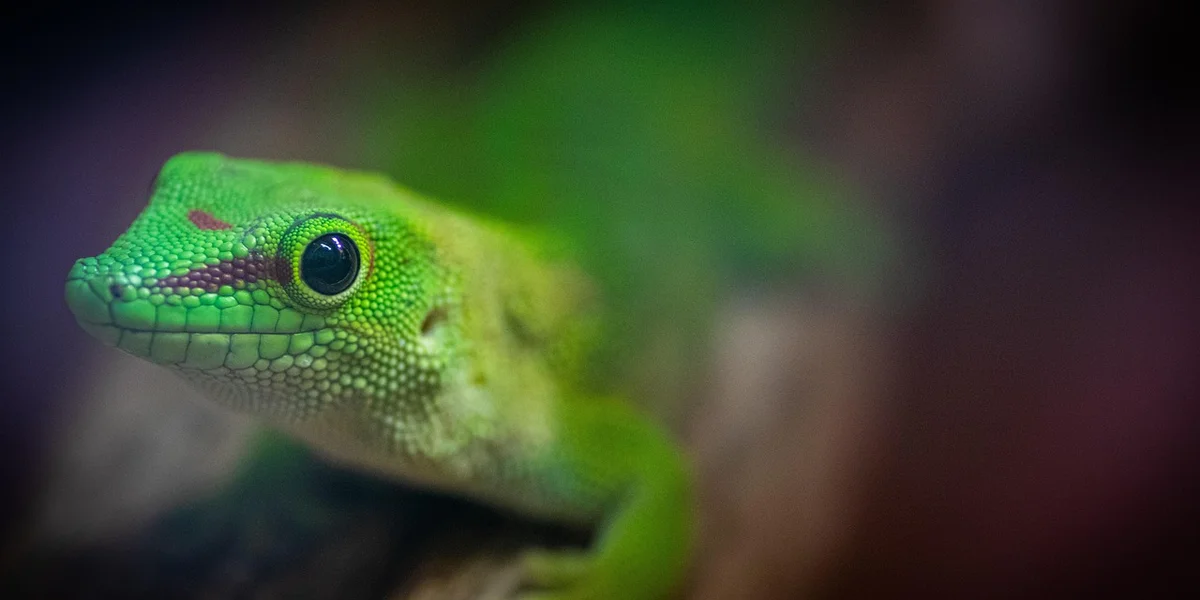
Recognizing when your gecko is sexually mature helps you make informed breeding decisions. Sexual maturity means they can reproduce, but it doesn’t always mean they should. Look for these physical and behavioral clues in males and females.
- Males: Develop visible femoral pores, broader heads, and may show territorial aggression.
- Females: Reach a healthy weight, often around 45-50 grams for Leopard Geckos, and may lay infertile eggs.
- Males: Increased activity, chasing, or vocalizing.
- Females: Digging behavior or restlessness when gravid.
Sexual maturity is biological, but breeding readiness involves more. A gecko might be capable of mating at one year, but waiting until they’re fully grown ensures better health outcomes. Physically ready means optimal size and weight; mentally ready means low stress and stable behavior.
I learned this lesson with my Leopard Gecko, Griffey. Breeding him too young could have stunted his growth or caused nutritional deficits, which I’ve seen in other cases. Always prioritize your gecko’s well-being over rushing into breeding.
Species-Specific Breeding Age Guide
Knowing when your gecko is ready to breed is one of the most common questions I get. While age gives you a ballpark figure, a gecko’s overall body condition and health are far more accurate indicators of breeding readiness. I’ve seen petite geckos that were technically old enough but clearly not robust enough for the physical demands of reproduction.
Leopard Geckos
For Leopard Geckos like my boy Griffey, you’re looking at a general age of 18 to 24 months. More importantly, females should weigh a solid 45 to 50 grams. A lightweight female will struggle to produce healthy eggs and can become critically depleted. Males can sometimes be ready a little younger, around 45 grams. Staying within the healthy weight range for leopard geckos is essential for their overall health and reproductive potential. Regular weigh-ins and diet adjustments can help keep Griffey there.
Leopard Gecko Breeding Age at a Glance
| Sex | Minimum Age | Ideal Weight |
|---|---|---|
| Female | 18 months | 45-50 grams |
| Male | 9-12 months | 45 grams |
Crested Geckos
Crested Geckos, like my calm Jeter, mature a bit faster. They are often considered breeding size around 15 to 18 months of age. Understanding the crested gecko growth rate timeline from hatchling to adult helps you anticipate when these milestones will occur. Growth isn’t linear—individuals can pause or surge at different ages, so tracking weight and size over time matters. The weight benchmark is crucial here—aim for 35 to 40 grams. I always wait until they hit that 35-gram mark, no matter how old they are. A plump, well-fed gecko with a good tail storage is your green light for a Crestie.
Gargoyle Geckos
Gargoyle Geckos follow a similar timeline to Cresteds. My playful Mookie reached breeding size right around 18 months and 40 grams. Don’t rush these guys. Breeding a gecko that is too young or too small is a direct shortcut to health problems for the mother and poor outcomes for the eggs. A patient approach always yields better, healthier babies. Common gecko breeding problems like egg binding or failed clutches are often preventable with proper age and size, nutrition, and stable conditions. When those basics are in place, many issues can be solved and healthier, more reliable outcomes achieved.
Remember, these numbers are guides, not gospel. A scrawny two-year-old is not a better candidate than a thriving, heavy one-year-old. Always prioritize a robust body condition over a calendar date. Your gecko’s long-term health depends on it.
Pre-Breeding Health and Habitat Preparation
You wouldn’t run a marathon without training, and your geckos shouldn’t start breeding without a proper tune-up. Getting them into peak physical condition is the single most important step for a successful and safe breeding season. From my own colony, I’ve seen how this prep work directly leads to healthier clutches and more resilient mothers.
Your Step-by-Step Breeding Prep Checklist
Follow this list about two months before you plan to introduce your geckos. Rushing this process is a recipe for problems. Consider gecko lifecycle milestones—eggs, hatchlings, molts, and growth stages—when planning. Aligning introductions with these milestones helps minimize stress.
- Schedule a Wellness Vet Visit: A professional can spot underlying health issues you might miss. I do this for all my breeders.
- Confirm Ideal Body Weight: Your gecko should have a plump tail and a well-rounded body, not be skinny or obese. A-Rod, my African Fat-Tailed, gets a visual check weekly.
- Quarantine New Breeding Stock: Any new gecko must be kept completely separate for at least 90 days to prevent disease spread.
- Perform a Fecal Test: Parasites drain vital nutrients. A clean fecal exam is non-negotiable for my breeding group.
- Deep Clean the Enclosure: Start with a sterile environment to minimize bacterial load.
Dietary Upgrades: Fueling for Success
Think of this as switching from regular fuel to premium. Their bodies are about to do incredibly demanding work.
- Increase Feeding Frequency: Offer nutrient-rich insects like gut-loaded dubia roaches or black soldier fly larvae more often.
- Power Up with Supplementation: This is critical. Dust every single feeding with a high-quality calcium supplement that includes Vitamin D3. For females, I leave a small bottle cap of pure calcium powder in the enclosure at all times-they will self-regulate their needs for eggshell production. I saw a huge difference in egg quality with my leopard gecko, Griffey, once I implemented this.
- Offer Variety: A mix of different feeder insects provides a broader range of nutrients.
Simulating Breeding Seasons with Temperature and Humidity
In the wild, seasonal changes trigger breeding behavior. We replicate this in captivity.
- Implement a Cool-Down Period: For most species, gradually lower the nighttime temperature by about 10°F over a week. Maintain this for 4-6 weeks. This simulates winter and tells their bodies to rest up.
- Return to Warm Summer Temps: After the cool-down, slowly return to normal basking and ambient temperatures. This “spring” trigger is what kicks breeding instincts into gear.
- Adjust Humidity Slightly: For some species, a slight increase in humidity during the “spring” phase can help. Monitor closely to prevent respiratory issues.
Mimicking these natural cycles is not just a suggestion; it’s what encourages natural, healthy reproductive behavior and synchronizes your pair. My crested gecko, Jeter, always becomes more active and vocal right after this temperature shift.
The Breeding Cycle and Egg Laying Timeline
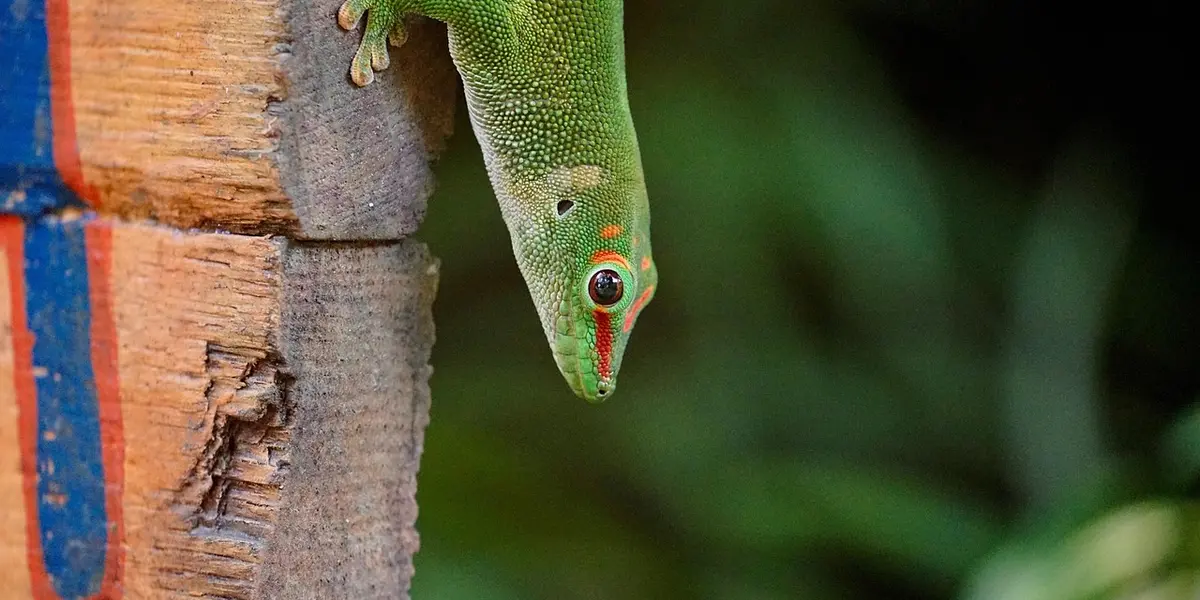
Watching my gecko, Griffey, go from a curious juvenile to a proud, posing adult was one thing. But witnessing the breeding cycle for the first time was a whole new level of gecko-keeping magic. It’s a precise dance of nature that requires you to be an observant and prepared stage manager.
The Reproductive Journey: From Introduction to Eggs
The process doesn’t start the moment you put two geckos together. It begins with preparation.
- Pre-Breeding Conditioning: For about a month before introduction, I boost the female’s nutrition with extra calcium and gut-loaded insects. A healthy, plump female is a successful female.
- The Introduction: I always introduce the female into the male’s enclosure to minimize his territorial stress. The male will immediately begin a series of courtship behaviors-vibrating his tail, nuzzling her, and sometimes giving gentle nips.
- Mating and the “Gravid” Phase: After successful mating, the female becomes gravid (carrying eggs). You’ll see her abdomen swell. She will need a dedicated, moist lay box filled with damp sphagnum moss or vermiculite to dig in and deposit her eggs. Without it, she can become egg-bound, a serious medical condition.
- Egg Laying: About 2-4 weeks after mating, she will lay a clutch of two eggs. Many species, like leopard geckos, can lay multiple clutches from a single mating throughout the season.
Incubation: The Patient Wait
Once you have those precious, leathery eggs, the real test of patience begins. You must not rotate them. I mark the top with a pencil the moment I find them. The temperature you incubate at can even determine the sex of the hatchlings for some species!
- Leopard Geckos & African Fat-Tailed Geckos: These eggs need warm, stable temperatures. The incubation period typically ranges from 45 to 60 days.
- Crested Geckos & Gargoyle Geckos: These species require a slightly cooler and often more humid incubation. Expect to wait 60 to 90 days, and sometimes even longer, for these little ones to pip.
- Giant Day Geckos: Their eggs are notoriously hard to incubate artificially as they often cement them to surfaces. If you can incubate them, it takes roughly 40 to 70 days.
A Glimpse into Hatchling Care
Finding a tiny, perfect gecko in the incubator is an unforgettable thrill. Your first job is to move them to their own simple, escape-proof enclosure. Hatchlings can be housed on paper towel for easy monitoring. Proper care for baby geckos is essential for their healthy growth.
- They often won’t eat until after their first shed, which usually happens within the first week.
- Offer appropriately-sized live insects. For most species, this means pinhead crickets or flightless fruit flies.
- I always make sure a tiny, shallow water dish and plenty of tiny hiding places are available. They feel vulnerable and need security.
- Never cohabitate hatchlings. They can be competitive and even cannibalistic. Each one deserves its own starter home.
Health Risks and Lifespan Impact of Breeding
Breeding is not a casual hobby; it’s a massive physical undertaking for your gecko. I’ve seen firsthand how it can transform a vibrant pet. Breeding places immense strain on a female’s body, depleting her calcium and fat reserves at an alarming rate. It’s a marathon, not a sprint, and pushing her too hard has serious consequences.
Common Health Problems for Breeding Females
The most urgent risk is egg-binding, or dystocia. This is when a female cannot pass her eggs. It’s a life-threatening emergency.
- Egg-binding can be caused by oversized eggs, poor muscle tone, or, most commonly, a lack of sufficient calcium for proper contraction.
- Signs include lethargy, a visible lump in her abdomen, and straining without results. If you see this, a vet visit is non-negotiable.
- Prevention is your best tool. I dust every single insect with a high-quality calcium and vitamin D3 supplement for my breeding females, no exceptions. A shallow dish of pure calcium in the enclosure lets her self-regulate.
Beyond egg-binding, watch for these issues:
- Severe weight loss, where her tail becomes unacceptably thin.
- Metabolic Bone Disease (MBD) from calcium being diverted to eggshells instead of her own skeleton.
- Prolapse, where internal tissue is pushed out during laying. This is a gruesome and dangerous complication.
How Breeding Impacts Overall Lifespan
Think of your gecko’s vitality as a finite battery. Every breeding cycle drains it. A female who is bred repeatedly, especially back-to-back, is almost guaranteed to have a shorter lifespan than a pet-only gecko. Her body simply wears out faster.
I’ve cared for geriatric leopard geckos well into their late teens. The ones who were never bred are consistently more robust. Breeding accelerates the aging process, often leading to premature health decline and a lower quality of life in their golden years. You are trading long-term vitality for short-term offspring.
My Rules for Responsible Breeding Practices
If you decide to breed, you must become a fierce advocate for your female’s welfare. Her health comes before any clutch of eggs.
- Mandatory Rest Periods: I never breed a female two years in a row. After a breeding season, she gets a full year, or even two, of complete rest with excellent nutrition to fully recover.
- Limit Clutches: For a first-time breeder, one season is enough. Even for experienced females, I cap it at two, maybe three, well-spaced seasons in her entire lifetime.
- Retire Early: A female should be retired from breeding by age 6 or 7, while she is still strong, not when she starts showing obvious signs of wear.
- Body Condition is Everything: If she isn’t in peak physical condition-plump tail, bright eyes, strong bones-she does not get bred, period. It’s that simple.
My big guy Babe has never been bred, and at five years old, he’s a powerhouse of energy. Giving your geckos a long, healthy life is the ultimate goal. Responsible breeding means sometimes choosing that long life over the possibility of babies.
FAQs
What is the general breeding age for geckos?
Gecko breeding age varies by species, but most are sexually mature between 12 to 24 months, though ideal readiness depends on weight and health. The growth rate and final size vary by species and individual, so the expected age at maturity often corresponds to reaching a species-typical size.
At what age is a gargoyle gecko ready for breeding?
Gargoyle geckos typically reach breeding readiness at around 18 months of age and a weight of 40 grams.
What is the ideal breeding age for a leopard gecko?
Leopard geckos should be bred at a minimum of 18 months for females and 9-12 months for males, with females weighing 45-50 grams. These guidelines set the stage for a step-by-step guide to breeding leopard geckos successfully. Keep reading for the process, including pairing, care, and incubation.
When can a crested gecko start breeding?
Crested geckos are often ready to breed at 15-18 months old and a weight of 35-40 grams.
How does breeding age differ between male and female leopard geckos?
Male leopard geckos can breed as early as 9-12 months, while females should wait until 18 months to support better health outcomes. This timing fits into a leopard gecko’s first-year complete growth milestone calendar, which tracks growth, shedding, and breeding readiness. Use the calendar to plan care and breeding decisions as your gecko approaches maturity.
Final Thoughts
To raise a healthy gecko, the golden rule is to always wait for them to reach full physical maturity-typically 1.5 to 2 years old and at a good weight-before you even consider breeding. Rushing this process for any species, from Leopard to Crested Geckos, puts the female’s health at serious risk and can lead to complications. Patience truly is the most important tool in your breeding toolkit.
Your commitment to learning doesn’t end here; the best gecko owners are lifelong students of their pets’ needs. I’ve found that the most rewarding part of this hobby is the steady dedication to providing a fantastic life for these amazing creatures. Embrace the role of a responsible steward, and you’ll be rewarded with the incredible experience of caring for a thriving animal.
Further Reading & Sources
- reptiles – Breeding age range for terrestrial geckos – Pets Stack Exchange
- Leopard Gecko Lifespan: In the Wild vs as a Pet (Compared)
- How Long Do Leopard Geckos Live? | PetMD
The Gecko Guide is your ultimate resource for gecko enthusiasts, providing expert advice and practical tips to ensure the health and happiness of your scaly companions. Alexander is a passionate gecko owner with over a decade of experience in reptile care. We are dedicated to offering accurate, up-to-date information to support your gecko journey.Our mission is to foster a community of responsible gecko owners who are passionate about the well-being of these fascinating creatures.
Breeding & Lifecycle