
What is a Healthy Weight Range for Leopard Geckos?
Published on: January 25, 2026 | Last Updated: January 25, 2026
Written By: Alexander 'Gecko Geek' Johnson
Is your leopard gecko looking a bit too skinny or maybe a little too round in the tail? It’s a worry I know well from caring for my own gecko, Griffey, who loves to show off but needs his weight checked regularly.
I’ve dealt with this exact concern and will guide you through simple steps to assess and maintain a healthy weight for your pet.
Here are the key points we’ll cover:


- Age and size-based weight ranges for leopard geckos
- Easy methods to monitor weight at home
- Visual signs of a healthy body condition
You’ll leave with practical, clear advice you can use right away. Topics include: weight by age, body scoring, common issues, feeding schedules, and monitoring tips.
Leopard Gecko Weight Ranges by Age and Size
Knowing the right weight for your leopard gecko is like knowing the right tire pressure for your car. It’s a fundamental metric of health that prevents bigger problems down the road. Based on my years of monitoring my own geckos, here’s a practical breakdown.
How Many Grams Should an Adult Leopard Gecko Weigh?
A healthy, full-grown adult leopard gecko typically weighs between 45 and 80 grams. My gecko, Griffey, sits comfortably at 65 grams. Females often land on the lower end of this spectrum, while some larger males can push the upper limit. The key isn’t a single magic number, but a consistent weight within this range.
- Underweight: Consistently below 45 grams.
- Healthy Range: 45-80 grams.
- Overweight: Consistently over 85 grams.
Juvenile Leopard Gecko Weight Expectations
Juveniles grow at a remarkable rate, and their weight should reflect that. A juvenile’s weight is a direct report card on their feeding schedule and overall care. From my experience raising Mookie, consistent weekly gains are what you want to see.
- Hatchling (0-3 months): 2-10 grams
- Young Juvenile (3-6 months): 10-25 grams
- Older Juvenile (6-12 months): 25-45 grams
Factors Affecting Leopard Gecko Weight
Why might two geckos of the same age have different weights? Several factors beyond just food intake play a crucial role in your gecko’s final number on the scale. Understanding these helps you provide truly personalized care.
- Genetics and Morph: Some giant morphs are genetically predisposed to be larger and heavier.
- Sex: Mature males are often bulkier and heavier than females.
- Metabolism: Just like people, every gecko has a unique metabolic rate.
- Overall Health: Parasites or underlying illness can cause sudden weight loss or gain.
How to Weigh Your Leopard Gecko Accurately
Getting a correct weight is non-negotiable for proper tracking. An inaccurate reading is worse than no reading at all, as it can lead you to make the wrong care decisions. I learned this the hard way with an old, unreliable scale.
Choosing the Right Scale for Weighing
You don’t need fancy lab equipment. A simple digital kitchen scale that measures in 1-gram increments is perfect for the job. Look for one with a “tare” function, which allows you to zero out the weight of a container.
- Type: Digital Kitchen Scale
- Increment: 1 gram
- Key Feature: Tare/Zero Function
- Capacity: At least 100 grams
Step-by-Step Guide to Weighing
Follow these steps to ensure a stress-free and accurate weigh-in for your pet. Keeping the process calm and quick is essential for getting a true weight and maintaining your gecko’s trust.
- Place a small, empty container (like a deli cup or Tupperware) on the scale.
- Press the “Tare” or “Zero” button. The display should now read 0g.
- Gently place your leopard gecko inside the container.
- Wait for the number on the scale to settle and record it immediately.
- Quickly and calmly return your gecko to its enclosure.
Assessing Body Condition: The Tail and Beyond
Is My Leopard Gecko Overweight or Underweight?
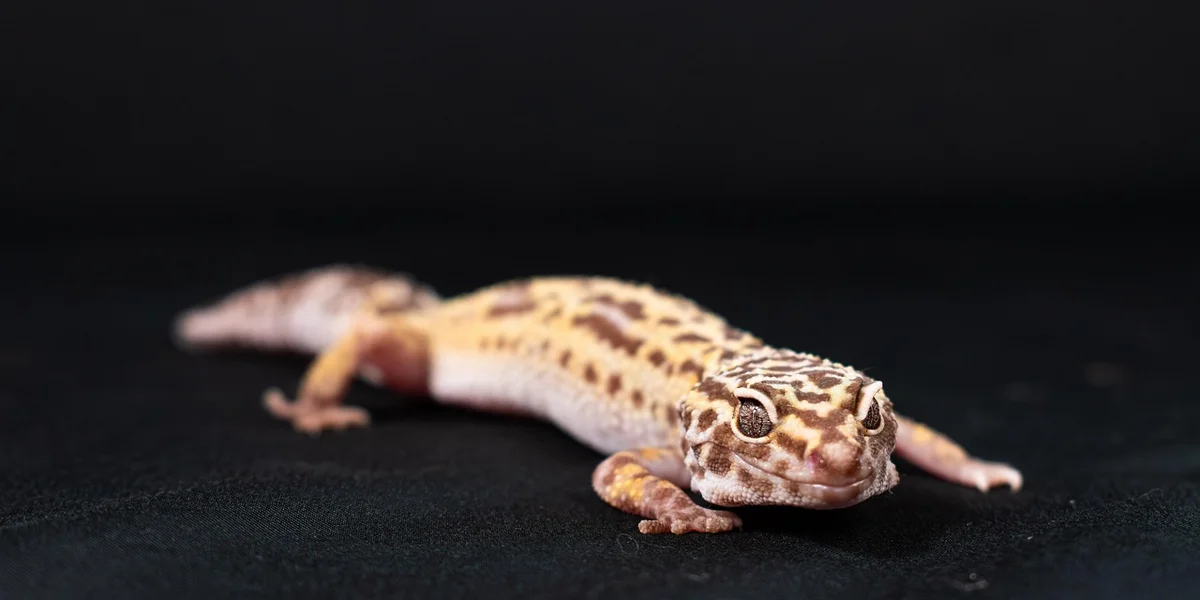
You can tell a lot by looking at your gecko’s tail and body shape. A healthy leopard gecko stores fat in its tail, so that’s your first clue. Run your fingers gently along the tail-it should feel firm and full, like a plump sausage, not bony or squishy. I check my leopard gecko, Griffey, every week this way. If the tail is skinny or the hip bones stick out, your gecko might be underweight. If the tail is so thick it drags or has bulging sides, it could be overweight.
Look beyond the tail too. A healthy gecko has a smooth, slightly rounded body without visible spine or ribs. Here’s a quick list to help you spot issues:
- Underweight signs: Sunken eyes, thin tail, prominent backbone.
- Overweight signs: Bulging tail base, fat rolls near legs, sluggish movement.
From my experience, Griffey once looked a bit too round after I overfed him during a growth spurt. I adjusted his diet, and he bounced back quickly.
Using the Body Condition Score (BCS) Chart
A Body Condition Score chart helps you rate your gecko’s health on a simple scale. Think of it as a report card for your pet’s weight, ranging from 1 (emaciated) to 5 (obese), with 3 being ideal. I use this for all my geckos, and it’s a game-changer for catching problems early.
Here’s a basic BCS guide you can reference:
| Score | Condition | Description |
|---|---|---|
| 1-2 | Underweight | Tail is thin, bones are visible, gecko appears frail. |
| 3 | Ideal | Tail is plump and firm, body is smooth and proportional. |
| 4-5 | Overweight | Tail is bulging, fat deposits on body, movement is slow. |
To use it, compare your gecko to these descriptions and assign a score. If Griffey scores a 4, I cut back on fatty worms like waxworms and increase his activity with climbing toys.
Signs and Causes of Weight Problems
Why Is My Leopard Gecko Losing Weight?
Weight loss in leopard geckos can sneak up on you, so watch for subtle changes. Common causes include parasites, stress from loud noises or handling, or incorrect tank temperatures that mess with their digestion. I learned this the hard way when one of my geckos dropped weight due to a hidden mite infestation—rushed to the vet, and he recovered. That’s why it’s important to monitor their weight regularly.
Here are key reasons your gecko might be shedding pounds:
- Parasites or infections: These drain nutrients fast.
- Poor diet: Not enough variety or nutrients in feeders.
- Environmental stress: New pets, frequent moves, or wrong humidity.
- Dental issues: Pain from mouth problems can stop eating.
If you see weight loss, check their setup and consider a vet visit. It’s always better to be safe than sorry for your scaly friend.
Obesity in Leopard Geckos: Risks and Signs
Obesity is a silent killer for leopard geckos, leading to fatty liver disease and joint pain. Signs include a tail that’s wider than the head, difficulty climbing, and lethargy-like they’re moving through molasses. My gecko Babe tends to pack on weight if I’m not careful, so I limit high-fat treats.
Risks of obesity are no joke. Here’s what to watch for:
- Fatty liver disease: Can cause organ failure.
- Respiratory issues: Excess fat presses on lungs.
- Shortened lifespan: Obese geckos often live fewer years.
Prevent this by offering a balanced diet and encouraging movement with branches and hides. Your gecko will thank you with vibrant health!
Diet and Feeding for Optimal Weight
How Often Should You Feed Your Leopard Gecko?
Your leopard gecko’s feeding schedule depends heavily on their age and current weight. I learned this firsthand with my own gecko, Griffey, who’s a spunky 2-year-old. For juveniles under one year, feed them daily because they’re growing fast and need constant fuel. Adults like Griffey do best with meals every other day or just 2-3 times a week. To create the perfect feeding schedule, tailor the plan to juvenile vs adult stages by adjusting frequency and portion size as they grow. This evolution keeps the regimen effective from hatchling to mature gecko. Sticking to a regular routine prevents sudden weight changes and keeps your gecko energetic. Always watch how they eat—if they leave food behind, you might be offering too much.
- Juveniles (under 1 year): Offer 5-10 small insects daily.
- Adults (over 1 year): Provide 5-8 appropriately sized insects every 2-3 days.
- Adjust based on activity: Active geckos may need slightly more food, while sedentary ones need less.
Gut-Loading and Supplements for Health
Gut-loading means feeding your insects nutritious foods before they become gecko meals. I do this for all my geckos, and it makes a huge difference in their health. For example, I give crickets carrots and dark greens about 24 hours before feeding time. This packs the insects with vitamins that transfer to your gecko. Proper gut-loading turns feeder insects into vitamin-rich powerhouses for your pet. Pair this with dusting insects with calcium and vitamin D3 supplements to support strong bones and a healthy weight.
- Gut-load with veggies like squash, sweet potato, or commercial gut-load products.
- Supplement schedule: Dust insects with calcium powder at most feedings, and use a multivitamin once a week.
- Avoid over-supplementing: Too much can cause health issues, so follow package directions closely.
Helping Your Gecko Gain or Lose Weight
How to Safely Help an Underweight Gecko Gain Weight
If your gecko looks bony or has a thin tail, they might be underweight. I’ve helped a rescue gecko in this situation by increasing their food intake slowly. Start by feeding them daily with high-fat options like waxworms or butterworms, but use these sparingly as treats. Gradual weight gain is safer than rapid changes, which can stress their system. Always check that their habitat is warm enough-low temperatures can reduce appetite. If they don’t improve, a vet visit is essential to rule out parasites or illness.
- Offer smaller, more frequent meals to encourage eating without overwhelm.
- Include nutrient-dense insects like dubia roaches or silkworms.
- Monitor weight weekly with a small scale to track progress.
Strategies for an Overweight Gecko to Lose Weight
An overweight gecko might have fat rolls or move sluggishly. For my gecko Griffey, I once cut back on feeding frequency and swapped out high-fat insects for leaner ones like crickets. Reducing portion sizes and encouraging movement through enclosure changes can lead to steady weight loss. This reflects one of the 9 common gecko feeding mistakes that compromise health. Avoid crash diets—geckos need consistent nutrition. Add climbing branches or hides that promote exercise, and track their weight every couple of weeks to ensure they’re slimming down safely.
- Reduce feeding to 2 times a week with smaller insect portions.
- Choose low-fat feeders: Crickets and locusts are better than mealworms or superworms.
- Enhance enclosure setup: Add obstacles that encourage climbing and exploration.
Enclosure and Habitat Impact on Weight
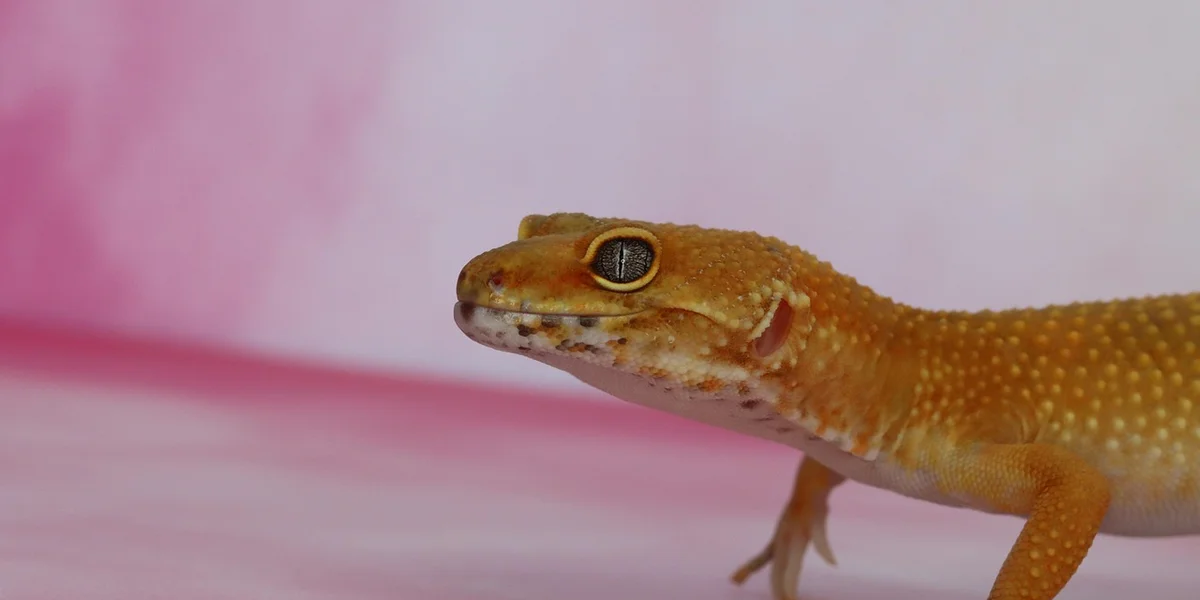
Your leopard gecko’s home setup plays a huge role in their weight and overall health. A well-designed habitat supports proper digestion, activity levels, and metabolism, directly influencing whether your gecko stays in that healthy weight range. I learned this firsthand with my leopard gecko, Griffey, whose energetic personality really shines when his environment is dialed in. It’s essential to not only create a suitable home but also watch for signs of obesity and manage their diet accordingly.
Optimizing Temperature and Lighting
Leopard geckos rely on external heat to digest their food properly. If their enclosure is too cool, they can’t metabolize nutrients efficiently, leading to weight loss or poor growth. You need a warm side around 88-92°F and a cool side around 70-75°F to create a comfortable temperature gradient. I use an under-tank heater for Griffey’s warm spot, which he loves for basking after meals. Be sure to maintain these temperatures consistently to keep him healthy. You can find more details on Leopard Gecko Tank Temperature Requirements.
Lighting is simpler for leopard geckos since they are crepuscular. They don’t require special UVB lighting if their diet includes proper supplements, but a natural light cycle helps regulate their activity and feeding times. Geckos rely on light cues to understand day and night, so a stable light cycle matters. I keep a low-wattage light on a timer to mimic day and night, which seems to keep Griffey’s internal clock ticking smoothly.
Enrichment Ideas to Encourage Movement
A boring tank can lead to a lazy, overweight gecko. Adding enrichment encourages natural behaviors like climbing, exploring, and hunting, which burns calories and builds muscle. Think of it as creating a mini playground that keeps your gecko engaged and active throughout the day. Griffey, for instance, rearranges his décor like a tiny interior designer, which gives him a good workout.
- Multiple hides in different textures and sizes to stimulate exploration.
- Safe branches or rocks for climbing-just ensure they’re secure to prevent falls.
- Varied substrate or tile patterns to encourage walking and digging behaviors.
- Occasional “hunt” sessions with feeder insects in a feeding dish or scattered lightly.
Monitoring and Maintaining Healthy Weight
Keeping tabs on your gecko’s weight is one of the easiest ways to ensure they stay healthy. Regular monitoring lets you spot trends early, so you can adjust care before minor issues become big problems. It’s like having a weekly check-in with a tiny, scaly friend who can’t tell you when something’s wrong.
How Often to Weigh and Check Your Gecko
I weigh Griffey every two weeks using a small digital kitchen scale that measures in grams. For adult leopard geckos, aim for bi-weekly weigh-ins, while juveniles might need weekly checks since they grow so fast. Record the numbers in a simple log-it helps you see patterns over time.
Beyond the scale, do a quick visual and tactile check each time you handle your gecko. Feel for a plump tail (their fat storage) and a firm body, and look for clear eyes and smooth skin. If Griffey’s tail starts looking skinny or his ribs become visible, I know it’s time to review his diet and habitat.
When to Seek Veterinary Help
Sometimes, weight issues signal something more serious that needs professional care. If your gecko loses more than 10% of their body weight rapidly, shows prolonged lack of appetite, or appears lethargic, it’s vet time. If you’re worried about sudden weight loss, try a quick diagnostic checklist for geckos. Track appetite, hydration, stool quality, and enclosure temperature and humidity, then call your vet if anything looks off. I once noticed my African fat-tailed gecko, A-Rod, acting off and losing weight; a quick vet visit caught a minor infection early.
- Sudden weight gain or loss that doesn’t resolve with diet changes.
- Visible bones, sunken eyes, or a limp tail indicating severe underweight.
- Bloating or swelling that could point to impaction or other internal issues.
- Changes in droppings, like diarrhea or no waste for over a week.
Reptile vets are specialists, so don’t wait if you’re unsure. Be on the lookout for signs that your gecko needs urgent care. These can include lethargy, loss of appetite, vomiting, or swelling; if you see them, contact a reptile veterinarian immediately. Trust your instincts—you know your gecko best, and early intervention can make all the difference for their welfare.
FAQs
How often should I vary my leopard gecko’s diet to maintain optimal weight?
Varying the types of feeder insects every few weeks helps prevent nutritional imbalances and supports a consistent healthy weight.
What are the indicators of poor digestion in leopard geckos?
Indicators of poor digestion include regurgitation, decreased appetite, or unexplained weight loss, which may require adjustments to temperature or a vet visit.
How does stress manifest in leopard geckos and impact their weight?
Stress can cause leopard geckos to hide constantly or stop eating, leading to weight loss and requiring environmental adjustments to restore health. These stress signs are often tied to the gecko’s environment, such as temperature, lighting, and hiding spots. Understanding this link helps you adjust the habitat to reduce stress and support recovery, especially regarding stress signs tied to environment.
Final Words on Your Gecko’s Weight
Ultimately, a healthy leopard gecko has a plump, carrot-shaped tail that’s not wider than its neck, with no spine or hip bones poking through. Regularly weighing your gecko and comparing them to a body condition chart is the most reliable way to track their health.
Your gecko’s weight is a direct reflection of your care, so stay observant and always be ready to learn more. Committing to their well-being through continuous education is the truest mark of a fantastic and responsible reptile owner.
Further Reading & Sources
- Leopard Gecko – Reptilia Zoo
- r/leopardgeckosadvanced on Reddit: Visual Guide: Leopard Gecko Weight and Size
- How Big Do Leopard Geckos Get? Average Weight & Growth Chart | PangoVet
The Gecko Guide is your ultimate resource for gecko enthusiasts, providing expert advice and practical tips to ensure the health and happiness of your scaly companions. Alexander is a passionate gecko owner with over a decade of experience in reptile care. We are dedicated to offering accurate, up-to-date information to support your gecko journey.Our mission is to foster a community of responsible gecko owners who are passionate about the well-being of these fascinating creatures.
Gecko Health