
Why Do Leopard Geckos Yawn? (Normal Behavior vs. Health Concern)
Published on: January 26, 2026 | Last Updated: January 26, 2026
Written By: Alexander 'Gecko Geek' Johnson
You just saw your leopard gecko open its mouth wide in a big yawn, and now you’re wondering if it’s a cute quirk or a cry for help.
I’ve been there with my own leopard gecko, Griffey, and I’m here to ease your mind. We’ll explore this behavior together so you can feel confident about your pet’s health.
You’ll walk away with a clear understanding of:
- Why leopard geckos yawn as a normal part of their day.
- The specific red flags that turn a simple yawn into a health concern.
- Exactly what to do if you suspect something is wrong.
This article covers: normal yawning causes, signs of respiratory infection, symptoms of mouth rot, and when to call a reptile vet.
Do Leopard Geckos Actually Yawn?
Yes, leopard geckos do yawn, and I’ve watched my own gecko Griffey do it countless times. This behavior is a real and common part of their daily routine, not just a myth. It looks similar to a human yawn but serves different purposes tied to their reptile biology. From my experience, seeing a yawn is often a sign your gecko is comfortable and going about its normal activities.
Common Normal Reasons Leopard Geckos Yawn
Most yawning in leopard geckos is completely harmless. Understanding these everyday causes can help you relax and enjoy your pet’s quirky habits. I’ve grouped the top reasons based on what I’ve observed with Griffey and my other geckos over the years.
Jaw Stretch and Realignment
Leopard geckos frequently yawn to stretch and reset their jaw muscles. This is especially common after they eat, as it helps realign their jaw after crunching on insects. I see Griffey do this regularly—he’ll finish a meal and give a big, slow yawn that seems to say, “Ah, that felt good.” It’s like how we might stretch our legs after sitting too long. However, watch for yawning that happens often or is paired with drooling, trouble swallowing, or regurgitation. These can signal feeding-related issues like jaw problems or mouth infections. If your gecko does this without any signs of distress, it’s a healthy habit.
Yawning During Shedding
Shedding time often brings on more yawning. Your gecko might yawn to loosen the old skin around its mouth and head, making the shedding process easier. I’ve noticed that when my geckos are in shed, they yawn repeatedly to help peel away tight patches. It’s a natural part of their self-care, and as long as the skin comes off cleanly, there’s no need to worry. Just ensure their habitat has proper humidity to support smooth shedding. If you encounter any problems during shedding, make sure to address them promptly.
After Eating or Waking
Yawning after meals or upon waking is very typical. Think of it as your gecko’s way of “rebooting” its system after rest or digestion. Griffey often lets out a yawn when he first becomes active at dusk, much like how we might stretch in the morning. It can help with oxygen flow or simply be a reflexive action. This behavior is a positive indicator that your gecko is following its natural rhythms.
When Yawning Signals a Health Problem
Respiratory Infections and Mouth Breathing
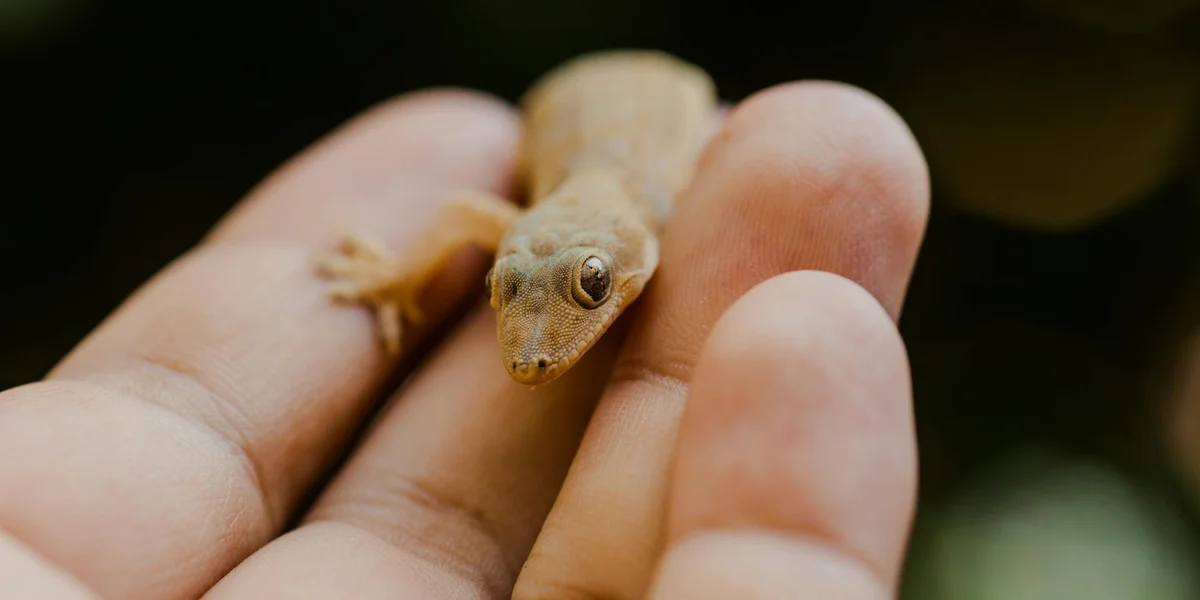
One of the most serious reasons for frequent yawning is the beginning of a respiratory infection. If you see your gecko holding its mouth slightly open, or yawning repeatedly in a short period, it might be struggling to breathe. My gecko, Griffey, once had a respiratory infection, and the constant mouth-opening was the first red flag I noticed. Listen closely for any faint clicking or wheezing sounds when they breathe-this is not normal and needs a vet’s attention immediately.
Stress and Environmental Triggers
Geckos are creatures of habit, and changes in their world can cause stress-yawning. This is their way of showing discomfort. Common stressors include a new pet in the house, excessive handling, or even a recent rearrangement of their tank furniture. My gecko A-Rod is a prime example; he’ll start yawning more if I move his favorite hide. It’s his non-verbal way of telling me he needs his space back.
Dehydration and Low Humidity
A dry environment doesn’t just cause bad sheds; it can also lead to a sticky mouth. If the humidity in their tank is too low, a gecko might yawn to try and moisten its mouth or dislodge a piece of stuck shed. I always check the moist hide first when I see unusual yawning. Stuck shed around the toes or lips is a sure sign your humidity levels need adjusting. Getting the habitat humidity right makes shedding easier and reduces stress. A steady, appropriate humidity level—monitored with a hygrometer—supports easy gecko shedding.
How to Tell If Your Gecko’s Yawn Is Normal or Concerning
Observation Checklist for Owners
When you see a yawn, don’t panic. Grab this mental checklist and run through it. This quick assessment will help you decide if it’s time to watch and wait or time to call the vet.
- Frequency: Was it a single, sleepy yawn or several in an hour?
- Sound: Did you hear any popping, clicking, or wheezing?
- Appearance: Is their mouth clean, or do you see redness, swelling, or mucus?
- Behavior: Are they still eating, drinking, and acting like themselves?
- Timing: Did it happen after waking up (normal) or in the middle of being active (concerning)?
Comparing Normal vs. Worrisome Yawning
Let’s break down the differences side-by-side. Understanding this contrast is your best tool for keeping your pet healthy and stress-free.
| Normal Yawning | Worrisome Yawning |
|---|---|
| Happens once or twice after waking up. | Occurs frequently throughout the day or night. |
| Mouth closes completely and quickly. | Mouth is held open or seems difficult to close. |
| No strange sounds accompany the yawn. | You hear clicking, gurgling, or labored breathing. |
| Gecko is alert and active afterward. | Gecko seems lethargic or avoids movement. |
| No other symptoms are present. | You see bubbles, mucus, or loss of appetite. |
Easy Preventive Care to Reduce Problem Yawning
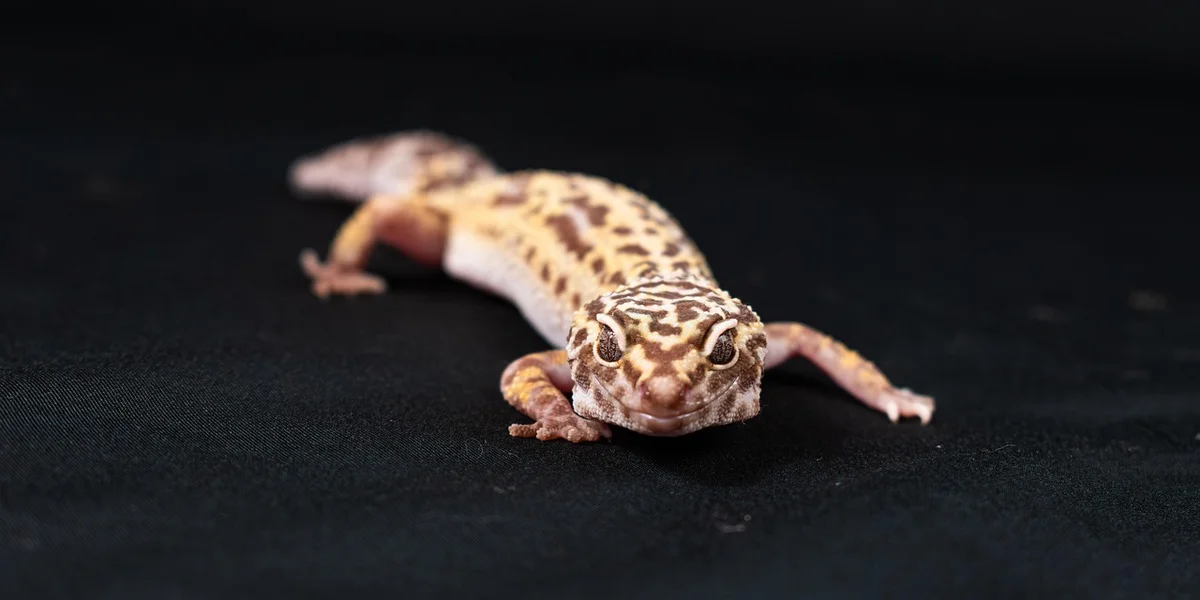
Most yawning issues are preventable with good, consistent husbandry. By creating a stable and comfortable environment, you can dramatically reduce the stressors that lead to excessive yawning. Think of it as building a fortress of well-being for your scaly friend.
Proper Enclosure Setup
Your gecko’s tank is their entire world. Getting it right is your first line of defense. My leopard gecko, Griffey, stopped his frequent morning yawns once I perfected his setup. There are 15 critical mistakes new leopard gecko owners make; avoid them to keep your gecko happy, healthy, and stress-free. Sticking to a solid setup now saves headaches later.
- Provide multiple hides: You need at least three-one on the warm side, one on the cool side, and a humid hide in the middle for shedding.
- Choose safe substrate: I use slate tile or paper towel. Loose substrates like sand can cause impaction if ingested and irritate their airways.
- Ensure correct temperature gradient: The warm side should be 88-92°F, and the cool side 70-75°F. An overheated gecko is a stressed gecko.
- Check for sharp edges: Run your finger over all décor. Anything that could scratch their mouth is a risk for injury and infection.
Humidity and Hydration Management
This is often the most overlooked aspect of care. Improper humidity is a fast track to respiratory infections and difficult sheds, both major causes of problem yawning.
- Keep the tank’s overall humidity between 30-40%.
- Provide a humid hide stuffed with damp sphagnum moss; this should be closer to 70-80% humidity.
- Always have a shallow, clean water bowl available. I see my geckos drink from theirs nightly.
- Mist the humid hide daily, but avoid misting the entire enclosure, which can spike humidity too high.
Diet and Handling Best Practices
What and how you feed your gecko matters immensely. I learned this after my gecko Babe once yawned repeatedly after a meal that was far too large for him.
- Dust feeders with calcium and vitamins: I use plain calcium in the tank at all times and a multivitamin twice a week to prevent nutritional deficiencies.
- Feed appropriately sized prey: Insects should be no wider than the space between your gecko’s eyes.
- Allow for proper digestion: Do not handle your gecko for at least an hour after eating. This can cause stress and regurgitation.
- Keep handling gentle and infrequent: Let a new gecko settle in for two weeks with no handling. After that, short, calm sessions are best.
When to Call a Vet About Your Gecko’s Yawning
While most yawns are harmless, you are your gecko’s best advocate. Knowing when a yawn is a cry for help is a critical part of responsible ownership. I never hesitate to call my exotic vet when I see these warning signs.
Red Flags for Immediate Action
Do not wait and see if these symptoms appear. A combination of yawning with any of these signs warrants an immediate veterinary appointment.
- Yawning constantly, multiple times an hour, for more than a day.
- Wheezing, clicking, or bubbly sounds when breathing.
- Mucus, pus, or a cheesy substance visible in the mouth.
- Loss of appetite or refusal to drink water.
- Lethargy and weakness, such as not being able to hold their head up.
- Pawing at the mouth or face repeatedly.
What to Expect at the Vet
It can be scary to take your pet to the vet, but knowing what will happen can ease your mind. A good exotic vet will perform a thorough exam to get to the root of the problem.
- Visual and Physical Exam: The vet will gently hold your gecko, look inside its mouth with a light, and feel its body for any abnormalities.
- Oral Swab: If an infection is suspected, they may take a small swab from the mouth to test for bacteria or fungus.
- Radiographs (X-rays): This is common to check for foreign bodies stuck in the throat or early signs of metabolic bone disease.
- Treatment Plan: Depending on the diagnosis, this could include antibiotics, antifungals, fluid therapy, or pain medication. They will send you home with clear instructions.
FAQs
How can I reduce stress-related yawning in my leopard gecko?
Minimize handling, maintain a consistent environment, and provide plenty of hides to help your gecko feel secure and reduce stress-induced yawning. Different gecko species may prefer different hide types, such as rock caves, hollow logs, or shallow coconut hides. Providing a variety lets your gecko choose and use hides that feel secure.
What immediate home care can I provide if I suspect a respiratory infection?
Ensure proper humidity levels, check temperatures, and isolate your gecko in a quiet area while scheduling a vet appointment for a professional diagnosis. These steps help calm a stressed gecko using effective techniques. They also function as practical environmental fixes.
Can a poor diet cause excessive yawning in leopard geckos?
Yes, nutritional deficiencies from an unbalanced diet can lead to health issues that may manifest as frequent yawning, so always dust insects with calcium and vitamins.
Is yawning more common in juvenile leopard geckos than adults?
Juvenile geckos may yawn more often due to growth and frequent shedding, but consistent excessive yawning at any age should be monitored for health concerns.
How do I safely examine my gecko’s mouth for signs of trouble?
Gently restrain your gecko and use a soft, damp cotton swab to peek inside the mouth, looking for redness or discharge, but avoid causing stress and consult a vet if unsure. These checks help monitor gecko dental health and identify early signs of mouth rot. Regular, gentle handling and a vet-approved care routine can help prevent dental problems.
Your Gecko’s Yawn: A Quick Recap
In most cases, a yawning leopard gecko is just a content gecko stretching its jaw or resetting its sense of smell. Understanding gecko breathing problems helps you distinguish normal yawns from signs of potential respiratory distress. You only need to become concerned if the yawning is constant and paired with other symptoms like a loss of appetite, sticky saliva, or wheezing sounds, which could point to a respiratory infection requiring a vet’s attention.
Staying observant is the most powerful tool in your pet-care toolkit, and it’s what makes you a fantastic gecko owner. I’m always learning new things from my own crew, and I encourage you to keep asking questions and exploring trustworthy resources, like the other care guides here on our blog, to ensure your scaly friend thrives for years to come.
Further Reading & Sources
- Why Do Leopard Geckos Yawn? Expert Answers & Insights
- Yawning and Its Temperature-Dependent Modulation in Leopard Geckos
- Is it normal for a leopard gecko to open its mouth and …
The Gecko Guide is your ultimate resource for gecko enthusiasts, providing expert advice and practical tips to ensure the health and happiness of your scaly companions. Alexander is a passionate gecko owner with over a decade of experience in reptile care. We are dedicated to offering accurate, up-to-date information to support your gecko journey.Our mission is to foster a community of responsible gecko owners who are passionate about the well-being of these fascinating creatures.
Handling & Behavior Signs