
Senior Gecko Care: How to Adjust Your Husbandry for an Aging Pet
Published on: February 7, 2026 | Last Updated: February 7, 2026
Written By: Alexander 'Gecko Geek' Johnson
Is your gecko moving slower, eating less, or acting differently, and you’re worried about providing the best care for their golden years?
I’ve been there with my own geckos, like my high-energy Griffey and confident Jeter, and I know how stressful it can feel. Watching them age brings new challenges, but with a few tweaks, you can make their senior life comfortable and joyful.
In this guide, I’ll walk you through the must-know adjustments to keep your aging gecko thriving. We’ll cover three key areas:
- Tailoring their diet to match changing nutritional needs
- Adapting their habitat for easier mobility and safety
- Setting up simple health checks to catch issues early
You’ll get clear, actionable steps that I’ve tested with my own pets. The article dives into: diet modifications, enclosure upgrades, health monitoring, behavior changes, and handling adjustments.
Spotting the Signs of Aging in Your Gecko
As your gecko grows older, subtle shifts in their appearance and habits can clue you in to their changing needs. I’ve learned from caring for my crew-like Griffey and Jeter-that early detection makes all the difference in keeping them comfortable. It’s important to be observant and knowledgeable about these signs.
- Weight loss becomes more common as metabolism slows; my leopard gecko Griffey used to have a sturdy build, but now I see a gradual slimming.
- Dull skin color may appear, with vibrant patterns fading over time-Babe’s once-bright green has softened with age.
- Reduced muscle tone feels noticeable during handling; you might sense less firmness in their limbs or tail.
- Decreased activity is a big one; A-Rod, my fat-tailed gecko, used to roam his tank but now prefers cozy hides.
- Less climbing happens in arboreal species; Jeter, my crested gecko, has traded high perches for lower, easier spots.
- Altered sleep cycles can mean more napping or unusual wake times-Mookie sometimes dozes during his usual play hours.
Use this quick checklist to monitor mobility and spot arthritis early.
- Watch for limping or hesitation when moving.
- Check if climbing or jumping seems labored.
- Note any stiffness after rest periods.
- Look for joint swelling or reluctance to stretch.
Tracking weight and appetite helps you catch trends. I keep a simple journal for each gecko, noting weekly weights and meal sizes-it’s saved me from missing slow declines in eaters like Babe.
Fine-Tuning Temperature and Heating for Comfort
Senior geckos struggle with temperature swings, so gentle heating is a must. After tweaking setups for my older pets, I’ve seen how small changes boost their well-being, especially when avoiding common heating mistakes.
- Adjust temperature gradients to be milder; aim for a slow shift from warm to cool areas to reduce stress.
- Lower the heat intensity overall-this prevents sudden chills or overheating that can zap their energy.
- Optimal basking spots should be cooler; for leopard geckos like Griffey, I set it to 85-88°F instead of the usual 90-95°F.
- Crested geckos like Jeter thrive with ambient warmth around 72-78°F, avoiding harsh direct heat.
Using heated hides or lower-wattage sources adds cozy spots without overwhelming them. I placed a low-wattage heat mat under one hide for A-Rod-it gives him a warm retreat he can access easily.
Follow these steps to prevent overheating and maintain steady warmth.
- Connect heat sources to a thermostat for precise control.
- Place thermometers in multiple zones to check for consistency.
- Offer hides at different temperatures so your gecko can choose.
- Inspect heating gear weekly to avoid failures.
Managing Humidity and Boosting Hydration
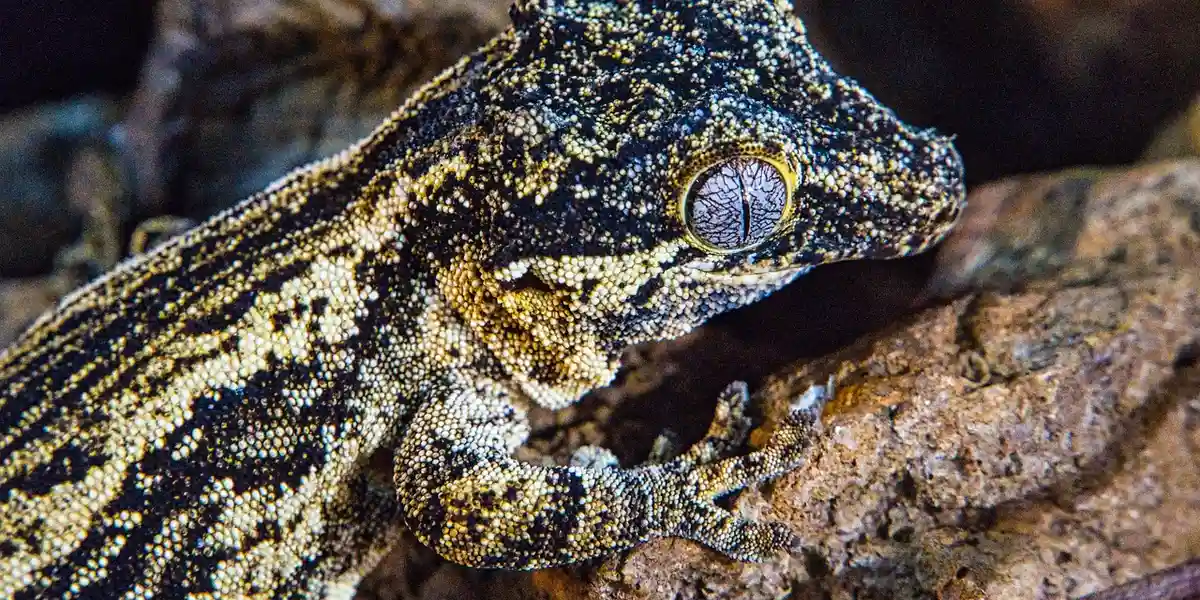
As your gecko ages, their skin can become less elastic, making shedding a real struggle. Proper humidity is your best friend here, helping to prevent painful stuck shed that can lead to infections. I learned this firsthand with Griffey, my leopard gecko, when he had a tough shed at age three—adjusting his habitat’s moisture made all the difference. To make shedding easier, aim for the right humidity in the enclosure and check it regularly. Small moisture tweaks can make shedding go much more smoothly.
Ideal humidity levels vary by species, so tailor it to your pet:
- Leopard and African Fat-Tailed Geckos: Aim for 30-40% humidity.
- Crested and Gargoyle Geckos: Keep it between 50-80% for healthy skin.
- Giant Day Geckos: They thrive at 60-70% humidity.
Use a digital hygrometer to monitor levels daily, and tweak with a mister or humidifier as needed.
Boosting water intake is crucial for senior geckos who might drink less. Offer a shallow water dish that’s easy to access, and mist the enclosure walls lightly so they can lick droplets. For my crested gecko Jeter, I found he drinks more when I mist in the evening, mimicking natural dew.
Watch for these signs of dehydration and act fast:
- Sunken eyes or wrinkled skin
- Lethargy and loss of appetite
- Sticky saliva or difficulty moving
If you spot these, try a warm soak in shallow water for 10 minutes or offer water via a dropper. In severe cases, consult a vet for fluid therapy to prevent long-term harm.
From my own mishaps, here’s a trick that works: Add a splash of reptile-safe electrolyte solution to their water dish once a week. It encourages drinking and supports hydration, much like a sports drink for us after a workout. With A-Rod, my fat-tailed gecko, this small change helped him stay perkier during dry spells.
Adapting Lighting for Senior Gecko Health
Older geckos often slow down, so their lighting needs a gentle update to match their pace. UVB lighting is vital for vitamin D3 synthesis, which helps them absorb calcium and avoid metabolic bone disease. I noticed Mookie, my gargoyle gecko, became less active at two years old, so I dialed back his UVB exposure to prevent stress.
Adjust UVB based on your gecko’s reduced activity:
- Use a low-output UVB bulb (like 5-7% for most species) and place it farther from basking spots.
- Limit exposure to 8-10 hours daily to mimic natural cycles without overstimulation.
- Rotate bulbs every 6-12 months, as they lose effectiveness over time.
Vitamin D3 works with calcium to keep bones strong, especially in seniors who may eat less. Without enough D3, calcium just passes through their system unused, leading to weakness. Dust their food with a calcium-D3 supplement twice a week, and gut-load insects for an extra boost.
Set lighting durations to support healthy sleep and activity:
- Run lights for 10-12 hours in summer, 8-10 in winter, using a timer for consistency.
- Keep intensities low; a dimmer switch can help create gradual dawn and dusk effects.
- Ensure complete darkness at night to promote rest-cover part of the tank if needed.
Natural light can be beneficial if handled safely. Place the enclosure near an indirect sunlight source, but never in direct sun to avoid overheating. For Babe, my giant day gecko, I let him enjoy morning light through a filtered window, which perks him up without risks. Always monitor temperatures to keep things cozy and stable.
Creating a Safe and Accessible Enclosure
As your gecko ages, their mobility and senses can decline, making their home a potential hazard if not adjusted. I’ve seen my own geckos, like A-Rod with his territorial habits, benefit hugely from a safer setup that prevents accidental injuries. Start by evaluating every element for ease of use and safety. Also check the enclosure and its surrounding area for common household hazards. Simple tips, like securing lids and keeping cords and liquids out of reach, can make the setup safer as they age.
Substrate Safety to Prevent Ingestion or Injury
Older geckos are more prone to substrate ingestion, which can lead to impaction. Switch to solid, non-particulate options like paper towels, reptile carpet, or slate tiles to eliminate ingestion risks entirely. With my leopard gecko Griffey, I noticed he’d occasionally lick loose bedding out of curiosity, so I made the change early-it saved us both stress.
Enclosure Enrichment with Low Perches and Easy Hides
Enrichment should support, not strain, their aging bodies. Opt for wide, low branches and hides with single entrances to reduce climbing effort and provide quick refuge. My crested gecko Jeter, now 3, adores his ground-level cork bark hide; it lets him feel secure without the acrobatics of his youth.
- Use shallow water dishes to prevent drowning risks.
- Place food and water bowls in easily reachable spots.
- Incorporate soft, fake plants for visual barriers that don’t snag claws.
Steps to Reduce Stress Through Minimal Layout Changes
Senior geckos thrive on routine, and sudden changes can spike stress. Keep the enclosure layout consistent by only making small, gradual adjustments when necessary. For calm, stressed geckos, use effective techniques and simple environmental fixes. Small, practical habitat tweaks go a long way. Follow these steps to maintain a calm environment:
- Plan any changes ahead and implement them over a week.
- Keep favorite hides and perches in familiar positions.
- Avoid moving the enclosure itself to prevent disorientation.
- Observe your gecko’s behavior after changes-if they hide more, revert to the old setup.
Ideas for Ramps or Soft Landing Areas for Mobility Issues
Arthritis or weakness can make climbing tough. Add gentle ramps made from cork or padded materials to help them access elevated areas without slips or falls. For my gargoyle gecko Mookie, who’s still playful but less agile, I lined the bottom with extra moss-it cushions any missteps and keeps her confident.
- Use foam pads or reptile-safe cushioning under climbing structures.
- Create tiered levels with gradual inclines instead of steep jumps.
- Check for sharp edges on décor and sand them down if needed.
Adjusting Diet and Supplements for Aging Needs
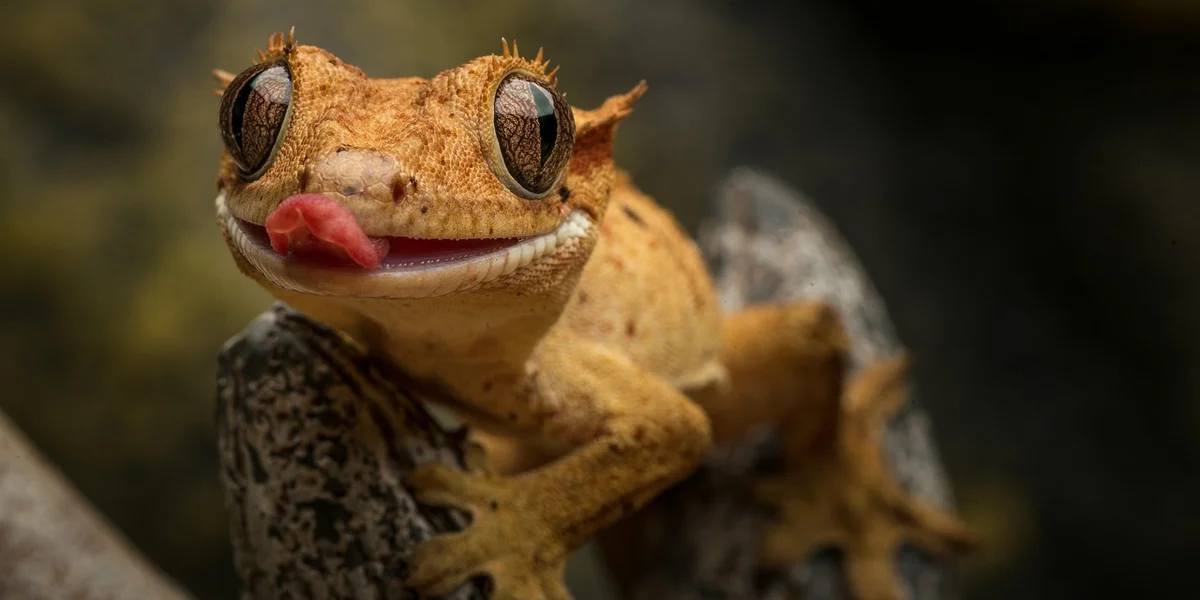
An aging gecko’s digestive system and nutrient needs shift, requiring a tailored approach to feeding. I’ve adjusted diets for all my geckos, like Babe, my 5-year-old giant day gecko, whose chubby tail reminds me to focus on quality over quantity. Pay close attention to what and how you feed to support their health.
Outline Feeding Schedule Changes for Slower Metabolisms
Senior geckos burn energy slower, so overfeeding can lead to obesity. Reduce feeding frequency to 2-3 times a week for insectivores like leopard geckos, and monitor weight monthly to adjust portions. This approach supports managing healthy weight gain or loss in leopard geckos. Regular weigh-ins help you spot trends early and prevent drastic changes. With Griffey, I cut back from daily feeds and saw his energy levels stabilize without weight gain.
Recommend Soft Foods and Easier-to-Digest Options
Hard-bodied insects or tough foods can be difficult to process. Offer soft-bodied feeders like waxworms or hornworms, and for frugivorous species, mash fruits into a paste for easy consumption. My crested gecko Jeter loves repashy diets mixed with water-it’s gentle on his jaw and digestion.
- Soak dry pellets in water to soften them.
- Chop insects into smaller pieces if your gecko struggles with whole prey.
- Avoid high-fat treats regularly; use them sparingly as rewards.
Detail Calcium Supplementation and Vitamin D3 Needs
Bone health becomes critical as geckos age, especially with reduced UVB exposure. Dust feeders with calcium powder at every feeding, and include vitamin D3 twice a week to aid absorption if UVB lighting is limited. For my fat-tailed gecko A-Rod, I use a calcium-with-D3 mix-it’s kept his bones strong despite his less active lifestyle.
Include Tips on Gut Loading Feeders and Monitoring Stool Health
Nutrient-rich feeders support overall health, and stool checks catch issues early. Gut load insects with veggies like carrots and leafy greens for 24 hours before feeding to boost vitamin content. Keep an eye on droppings; firm, well-formed stools indicate good digestion, while runny ones may signal a problem.
- Feed insects a balanced diet of grains and vegetables.
- Check stool consistency and color during cleanings-any changes warrant a vet visit.
- Hydrate your gecko with misting or shallow water soaks if stools are dry.
Implementing Routine Monitoring and Vet Care
Watching my gecko Babe grow older has taught me one thing above all else: proactive care is the single most powerful tool you have for ensuring your gecko’s golden years are comfortable and healthy. You become their greatest advocate by paying close attention to the small details.
Become a Weight-Watching Pro
I keep a simple kitchen gram scale next to Babe’s terrarium. Every Sunday, I gently place him in a small container on the scale. This takes less than a minute. Keeping a weekly log of your gecko’s weight is the easiest way to spot troubling trends long before they become emergencies. A gradual, steady loss often signals underlying issues needing attention.
Schedule Smart Vet Visits
Don’t wait for a problem to appear. I schedule wellness checks for my senior geckos like clockwork.
- For geckos over 7 years old, aim for a vet visit every 12 months.
- For any gecko over 10, I bump this up to every 6 months.
- Always schedule a visit immediately if you notice sudden weight loss, lethargy, or changes in appetite, as these could be signs that your gecko needs to see a vet right away.
A good reptile vet will perform a physical exam, often check a stool sample for parasites, and can offer tailored nutritional advice.
Common Age-Related Health Issues
Knowing what to look for helps you catch things early. Keep a sharp eye out for these common senior gecko challenges. Recognizing early warning signs can indicate illness in geckos, so you can seek care sooner. Acting quickly when you notice changes can improve outcomes.
- Arthritis and Joint Stiffness: You might see your gecko moving less, having difficulty climbing, or seeming stiff when they walk.
- Vision Problems (Cataracts): Their eyes may look cloudy or blueish. They might start missing their food when they strike.
- Renal (Kidney) Issues: Look for a loss of muscle mass along the back and tail, even if their weight seems stable.
- Tooth and Gum Problems: Difficulty eating or a sudden disinterest in food can point to a painful mouth.
Mastering Stress-Free Handling
Older geckos startle more easily and don’t have the energy reserves to handle stress. I’ve completely changed how I interact with Babe.
- I handle him less frequently and for much shorter periods.
- My movements are always slow, deliberate, and from the front where he can see me.
- I support his entire body, letting him rest comfortably in my cupped hands rather than allowing him to walk around.
- I perform tank maintenance in short, calm sessions to avoid overwhelming him.
Creating a predictable, low-stress environment is a profound act of kindness for your aging pet.
FAQs
How can I tell if my gecko is entering its senior years?
Watch for signs like decreased mobility, changes in appetite, and altered sleep patterns.
What habitat modifications are crucial for an aging gecko?
Ensure easier access to food and water, use safe substrates, and provide low perches to prevent falls.
How should I change my gecko’s diet as it gets older?
Offer softer foods, reduce feeding frequency, and maintain proper supplementation for bone health.
What common health problems affect senior geckos?
Arthritis, vision issues, and kidney problems are frequent, so regular vet check-ups are essential.
What is the best way to handle an older gecko?
Handle them less frequently, support their body fully, and keep sessions short to minimize stress.
Your Gecko’s Golden Years
Caring for your senior gecko is all about thoughtful adjustments to their habitat and routine. Focus on providing easier access to food and water, a more comfortable thermal gradient, and softer, safer flooring to protect their aging joints. Regular, gentle health checks are your best tool for catching age-related issues early.
Your commitment to adapting their care is the ultimate act of responsible pet ownership. Continue to observe, learn, and cherish every moment with your old friend, ensuring their golden years are as comfortable and enriching as possible.
Further Reading & Sources
- Caring for Elderly or Terminally Ill Geckos: A Personal Reflection – Gecko Time
- Leopard Geckos: Husbandry, Nutrition, and Breeding
- Expert Q&A on Leopard Gecko Care: Lifespan, Diet, and Health
The Gecko Guide is your ultimate resource for gecko enthusiasts, providing expert advice and practical tips to ensure the health and happiness of your scaly companions. Alexander is a passionate gecko owner with over a decade of experience in reptile care. We are dedicated to offering accurate, up-to-date information to support your gecko journey.Our mission is to foster a community of responsible gecko owners who are passionate about the well-being of these fascinating creatures.
Lifespan & Aging