
How to Encourage Natural Foraging Behavior in Your Gecko
Published on: February 9, 2026 | Last Updated: February 9, 2026
Written By: Alexander 'Gecko Geek' Johnson
Are you worried your gecko is bored out of its mind, just waiting for food to drop from the sky into a bland dish? You’re not alone. I’ve watched my own geckos become lethargic when their lives lack mental challenges.
I can help you fix that. We’ll turn your pet’s home into a dynamic hunting ground that stimulates their body and mind, just like I did for my crew. Here are the core benefits you’ll see:
- Your gecko will get crucial mental exercise, reducing stress and boredom.
- It promotes healthy physical activity and weight management.
- You’ll witness fascinating, natural behaviors you never knew your pet had.
By the end of this guide, you’ll have a clear, step-by-step plan. We will cover: setting up the perfect foraging environment, proven feeding techniques, safe feeder options, and troubleshooting common problems.
Why Natural Foraging Matters for Your Gecko’s Well-Being
Watching my gecko, Mookie, leap after a cricket is pure joy. It’s not just a meal; it’s a hunt. Foraging is hardwired into your gecko’s brain, and ignoring this instinct can lead to a bored and inactive pet. A gecko that just eats from a dish is missing out on a fundamental part of its life. If you’re wondering whether your gecko is bored, look for signs like pacing, tail flicking, or reduced interest in hunting. The good news is there are simple fixes to keep your gecko engaged and thriving.
I’ve seen the difference firsthand. My leopard gecko, Griffey, used to be a bit lazy. When I switched to foraging, he became more alert and curious. Natural foraging provides crucial mental exercise, preventing the lethargy that can sneak up on captive reptiles. It turns mealtime into enrichment time.
This isn’t just about fun and games. It’s about animal welfare. Encouraging natural behaviors is one of the most respectful things we can do for our pets. It honors their wild nature and gives them a more complex and satisfying life in our care. A foraging gecko is a healthier, happier gecko. To support this, our complete guide to understanding gecko behavior and temperament offers practical insights. It helps you read cues and tailor care to each gecko’s unique temperament.
Setting Up the Ultimate Foraging Playground
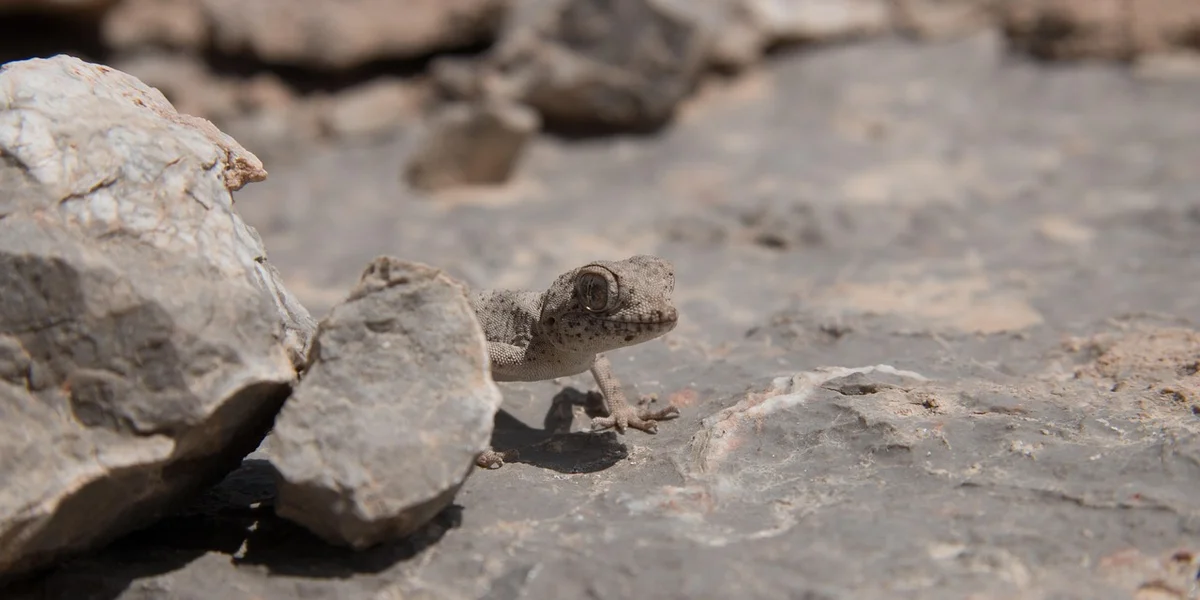
You don’t need a jungle gym, just a little creativity. The goal is to create a space where food isn’t just handed to them. Your gecko’s enclosure should be a landscape of opportunity, not just a box with a food dish. Start with the foundation.
Choose a Diggable Substrate
A flat, solid floor offers no secrets. My fat-tailed gecko, A-Rod, loves to rearrange his terrarium. I use a mix of topsoil and play sand. A safe, loose substrate allows your gecko to dig, burrow, and uncover hidden treats, mimicking their natural search for insects. Always research the best substrate for your specific species to ensure it’s safe if accidentally ingested.
Create a Maze of Hides and Clutter
Open space is stressful for most geckos. They feel exposed. Fill the horizontal and vertical space with cork bark rounds, PVC pipe sections, and leaf litter to create a complex network of pathways. These essential supplies — hides, climbing structures, suitable substrate, and humidity control — are key components of a proper habitat setup for crested geckos. My crested gecko, Jeter, will spend hours navigating the branches and foliage I’ve set up. This “clutter” provides cover for both your gecko and its prey, making the hunt more challenging and realistic.
Get Creative with Feeding Techniques
Ditch the bowl for a few meals a week. Here are the methods I use with my crew.
- The Scatter Feed: Toss a few gut-loaded crickets or dubia roaches into the enclosure and let your gecko track them down. Watch their instincts kick in!
- The Bury and Seek: For insectivores, lightly bury a worm or two in the substrate. This encourages natural digging behavior.
- The Elevated Challenge: For arboreal geckos like Babe, my day gecko, I smear a little fruit paste on leaves and branches at different heights. He has to climb and lick it off, working for his snack.
Always supervise feeding sessions to ensure your gecko is eating successfully and to remove any uneaten live prey that could stress your pet. A little effort in setup creates a world of difference for their daily life. Solving common gecko feeding problems, like refusal to eat or prey that is too large, can often be addressed with simple tweaks. Applying these fixes helps ensure consistent meals and reduces stress for both you and your gecko.
Creative Feeding Methods to Stimulate Hunting Behavior
Forcing your gecko to “work” for its food isn’t mean – it’s enriching. I’ve watched my own geckos, like Griffey, become visibly more alert and engaged when I turn mealtime into a puzzle. It taps into their natural instincts and prevents the boredom that can come from a predictable life in a terrarium. This is a glimpse into a deeper dive on gecko enrichment and why mental stimulation matters for their well-being.
Turn Feeding into a Treasure Hunt
Stop dropping food in the same spot every day. Instead, make your gecko search. This simple change makes a huge difference.
- Vary the Location: Place feeder insects in different areas of the enclosure each day-on a flat leaf, inside a cork round, or on a low branch.
- Use a “Foraging Box”: Take a small, shallow container and fill it with clean, pesticide-free leaf litter or crinkled paper. Hide the feeders inside. Your gecko will love the rustling sounds and the challenge of digging them out.
- Elevate the Food: For climbers like my crested gecko Jeter, I’ll sometimes place a small dish of food (like Repashy) on a high ledge. He has to climb and balance to get his reward.
Master the Art of Live Prey Introduction
How you release live insects is just as important as what you’re feeding.
- The “Scatter Feed”: Gently release a few crickets or roaches into the enclosure at once. This mimics insects scattering in the wild, triggering your gecko’s chase instinct.
- The “Teaser Tong Feed”: Use feeding tweezers to hold a wiggling worm. I’ll dangle it just outside of my leopard gecko’s hide, letting him see and sense the movement before he strikes. This builds anticipation.
- Timing is Everything: Feed during your gecko’s most active hours, typically dawn and dusk. This aligns with their natural hunting cycles.
Species-Specific Foraging Strategies
Not all geckos hunt the same way. What works for my ground-dwelling leopard gecko would frustrate my arboreal crested gecko to no end. Proper handling techniques vary by species, and what suits one may stress another. Tailoring your approach is the key to success.
For Terrestrial Geckos (Leopard & Fat-Tailed Geckos)
These guys are ground-level patrolers. My A-Rod, a fat-tailed gecko, loves to explore every inch of his floor space.
- Focus on the Floor: Create a complex landscape on the bottom of the tank. Use multiple hides, flat stones, and branches to create obstacles and hiding spots for prey.
- Digging Opportunities: Provide a loose substrate area (like a mix of topsoil and playsand) where you can bury a few worms. They will use their sense of smell to locate and excavate their food.
- Low-Level Challenges: Place a shallow foraging box on the ground. They will enjoy nosing through the leaves to find their crickets.
For Arboreal Geckos (Crested, Gargoyle, & Day Geckos)
These climbers see the world vertically. My gargoyle gecko, Mookie, thinks the best food is always at the highest point.
- Think Vertical: Utilize the entire height of the enclosure. I attach magnetic ledges to the glass walls and smear fruit paste (like Pangea) on them, forcing Jeter and Mookie to climb.
- Foliage is Your Friend: Dense, broad-leafed plants like Schefflera are perfect. You can hide insects among the leaves, encouraging your gecko to stalk and pounce from above.
- Moving Food Sources: For my giant day gecko Babe, I’ll sometimes put a few flying insects (like small moths) in his planted terrarium. The erratic flight patterns trigger an incredible, lightning-fast hunting response.
Special Considerations for Insectivores vs. Frugivores
Remember, not all geckos eat the same primary diet.
- Insectivores (Leopard, Fat-Tailed): Their foraging is all about the chase. The movement and sound of live prey are the main stimuli.
- Frugivores (Crested, Gargoyle): While they eat insects, their staple is fruit-based diet pastes. For these guys, foraging is more about exploration and locating stationary food sources, much like finding ripe fruit in a tree. Use multiple, varied feeding locations up high.
Troubleshooting Common Foraging Challenges
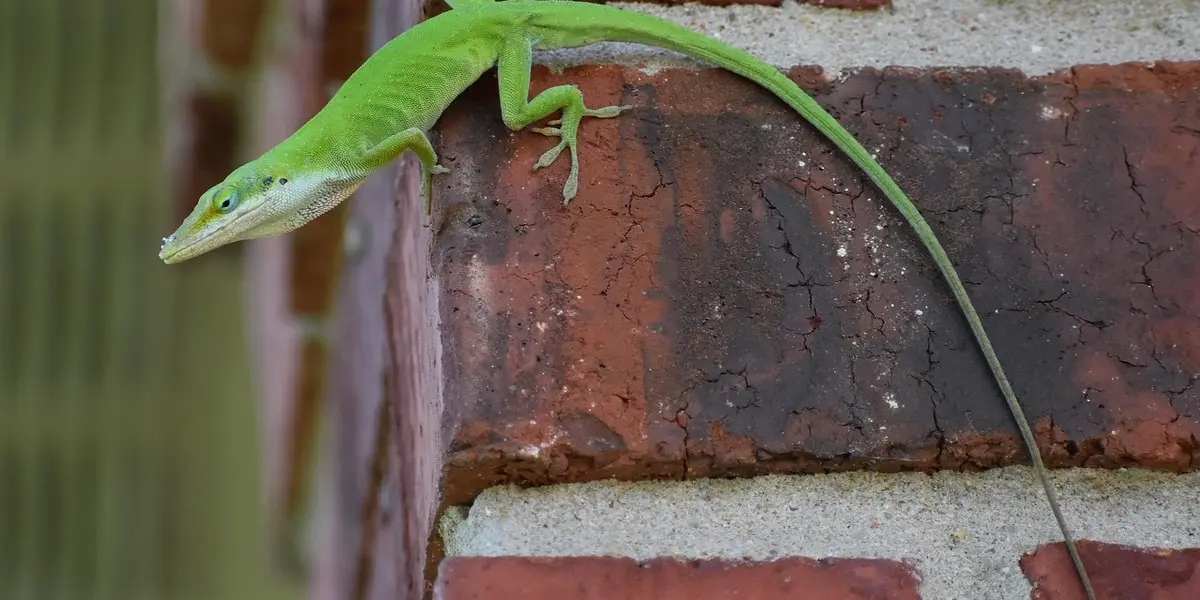
Sometimes, your gecko just isn’t interested in the scavenger hunt you’ve so lovingly set up. Don’t get discouraged; this is a common hurdle, and it’s almost always fixable with a few simple tweaks. I’ve seen it with my own crew—A-Rod once ignored a perfectly good mealworm for a solid week just because I moved his favorite rock. If you’re wondering why your gecko isn’t eating and what you should do, it’s usually something simple you can adjust. A quick habitat check and trying a different prey item can often turn it around.
My Gecko Isn’t Interested in the Foraging Toys
If your gecko is giving your new puzzle feeder the cold shoulder, it’s likely due to one of these reasons.
- The Challenge is Too Hard: Start simple. A complex maze can be overwhelming. I began with my crested gecko, Jeter, by just placing his food in a shallow bottle cap. Once he mastered that, we moved to a slightly more hidden spot.
- They’re Stressed by the Change: Geckos are creatures of habit. Introduce one new foraging element at a time and give them a few days to adjust before you try something else.
- The Reward Isn’t Worth It: Use their absolute favorite, high-value treat to kickstart the behavior. For my leopard gecko, Griffey, nothing gets him exploring like a wiggling waxworm.
My Gecko Seems Frustrated or Stressed
Watch their body language closely. If they’re pacing, glass surfing, or consistently abandoning the search, it’s a sign to step back.
- Provide an “Easy Win”: Always leave a small, easily accessible portion of their meal in their usual dish. This ensures they don’t go hungry while learning and reduces frustration.
- Check the Environment: Is the enclosure too hot, too cold, or lacking secure hiding spots? An uncomfortable gecko won’t feel safe enough to explore. Make sure their basic husbandry is perfect first.
- Scale Back Immediately: If you see signs of stress, remove the new foraging item and go back to their old routine for a few days. You can always try again later.
Maintaining a Safe and Engaging Foraging Routine
Creating a sustainable foraging routine is the key to long-term mental and physical health for your pet. Consistency and safety are the twin pillars that will make this a rewarding activity for both of you, not a source of anxiety. I rotate my geckos’ enrichment on a weekly schedule to keep things fresh without causing chaos.
Establishing a Safe Rotation Schedule
You don’t need to redesign the entire terrarium every day. A predictable rotation prevents stress.
- Weekly Mini-Changes: Once a week, I’ll swap out one or two items. This could mean moving a cork bark tube, adding a new (sterilized) branch, or introducing a different type of leaf litter.
- Monthly Deep-Rooted Changes: Once a month, you can do a more significant rearrangement. This mimics larger changes in a natural environment and provides a bigger mental stimulation boost.
- Always Observe: After any change, watch your gecko for the next hour. Are they curiously investigating or hiding in fear? Their behavior is your best guide.
Preventing Impaction and Injury
An active, foraging gecko is a wonderful sight, but their safety must come first.
- Substrate is Paramount: Loose substrates like sand or fine mulch can be accidentally ingested during a frantic hunt. I use solid substrates like slate tile or paper towel for my leopard and fat-tailed geckos. For my cresties and gargoyles, a soil mix is safe as they are less likely to lick the ground.
- Inspect All Decor: Before placing any new item in the tank, run your fingers over it. Sand down any sharp edges that could cause cuts or scrapes. I learned this the hard way with a piece of driftwood that snagged Mookie’s delicate skin.
- Size-Appropriate Prey: Never offer a food item that is wider than the space between your gecko’s eyes. An oversized cricket or worm is a choking hazard and can cause serious digestive blockages.
FAQs
How do I introduce foraging to a gecko that has only ever eaten from a dish?
Start by placing food in partially visible locations and slowly increase the hiding difficulty over time to build their confidence and skills.
What are some common mistakes to avoid when setting up a foraging environment?
Avoid using unsafe substrates or overcrowding the space, as this can lead to health risks or stress for your gecko. Specifically, some substrates can be ingested or cause impaction, so it’s important to know which substrates to avoid for your pet gecko.
How does foraging behavior change with the gecko’s age?
Younger geckos may need simpler, more frequent foraging activities, while older individuals might require adjustments for reduced mobility or energy levels. For elderly geckos with arthritis, simplify enclosures and provide easy access to food and water to support mobility. Gentle handling and a warm basking spot can help reduce joint stiffness and improve comfort.
Your Foraging Journey Starts Now
To encourage your gecko’s natural instincts, focus on variety and presentation. Rotate between hand-feeding, bowl-feeding, and scatter-feeding to keep mealtime engaging. Use enrichment tools like feeding ledges and puzzle feeders to turn dinner into a rewarding hunt, and always mimic their wild environment with proper branches and hiding spots. Note that the best feeding dishes differ by species. Tailor dish height, bowl shape, and placement to fit your gecko’s natural hunting style and enclosure layout.
The most rewarding part of being a gecko owner is watching them thrive, and that starts with you. Pay close attention to their unique behaviors and preferences-what works for my leopard gecko, Griffey, might be different for your crestie. Committing to their well-being means your learning journey never truly ends, and that’s what makes this hobby so special.
Further Reading & Sources
- Promoting Natural Behaviors in Geckos Through Enrichment – IAABC FOUNDATION JOURNAL
- Gargoyle Gecko Feeding Guide – Talis Us
- Behavioral Enrichment and Mental Stimulation for Leopard Geckos – The Critter Depot
The Gecko Guide is your ultimate resource for gecko enthusiasts, providing expert advice and practical tips to ensure the health and happiness of your scaly companions. Alexander is a passionate gecko owner with over a decade of experience in reptile care. We are dedicated to offering accurate, up-to-date information to support your gecko journey.Our mission is to foster a community of responsible gecko owners who are passionate about the well-being of these fascinating creatures.
Enrichment Items