
Choosing the Right Drainage Layer: LECA vs. Gravel for Bioactive Setups
Published on: February 12, 2026 | Last Updated: February 12, 2026
Written By: Alexander 'Gecko Geek' Johnson
You’re building a beautiful, self-cleaning bioactive terrarium, but that crucial drainage layer choice can feel overwhelming. Picking the wrong material can lead to a swampy mess, root rot, and a failed ecosystem. I’ve been there, staring at bags of LECA and gravel, wondering which one would keep my geckos’ homes healthy.
Let me help you cut through the confusion. We’ll break down the pros and cons so you can make a confident choice. Here are the key takeaways we will cover:
- The fundamental difference between how LECA and gravel manage water and air.
- Which material offers better long-term stability and is easier to maintain.
- The cost and availability factors for beginner and advanced hobbyists.
By the end of this guide, you’ll have a crystal-clear understanding of which substrate is the champion for your specific setup. We will cover: LECA properties, gravel properties, drainage efficiency, weight considerations, cost analysis, and common setup mistakes to avoid.
Why Your Gecko’s Bioactive Setup Needs a Drainage Layer
Explain the core purpose: preventing waterlogged substrate and root rot
Imagine your gecko’s substrate turning into a swampy mess-that’s what happens without a drainage layer. A proper drainage layer stops water from pooling in the soil, which keeps roots from rotting and your plants alive. Substrate choice shapes humidity. Some substrates hold moisture, while others wick it away, influencing shedding, skin health, and respiratory comfort. I learned this firsthand with Griffey, my Leopard Gecko; his first setup had no drainage, and the substrate stayed soggy for days. Plants wilted fast, and I had to act quickly to fix it.
Describe benefits like humidity control and mold prevention
A drainage layer acts like a smart humidity manager. It lets extra water drain away, so mold and mildew don’t stand a chance. By controlling moisture levels, you create a stable environment that mimics your gecko’s natural habitat. For extra humidity, many keepers pair a crested gecko humidity fogger with the drainage layer. In Jeter’s Crested Gecko enclosure, I saw humidity spikes drop once I added a drainage layer. No more fuzzy patches on the wood or soil!
Link drainage function to gecko health and plant vitality
Good drainage isn’t just for plants-it’s a health booster for your gecko. Wet substrate can lead to respiratory infections or skin issues. When roots thrive in well-drained soil, they support a cleaner, healthier home for your pet. My Giant Day Gecko, Babe, used to avoid damp spots, but now he explores freely because the setup stays fresh and balanced.
LECA vs. Gravel: A Head-to-Head Comparison
Define LECA (expanded clay) and how its porosity aids capillary action
LECA stands for Lightweight Expanded Clay Aggregate-it’s those lightweight, porous balls made from baked clay. Their tiny holes allow capillary action, where water moves up or down as needed, keeping moisture even. I use LECA in Mookie’s Gargoyle Gecko tank; it’s like having a built-in irrigation system that prevents dry patches.
Define gravel and its role in creating a stable water table
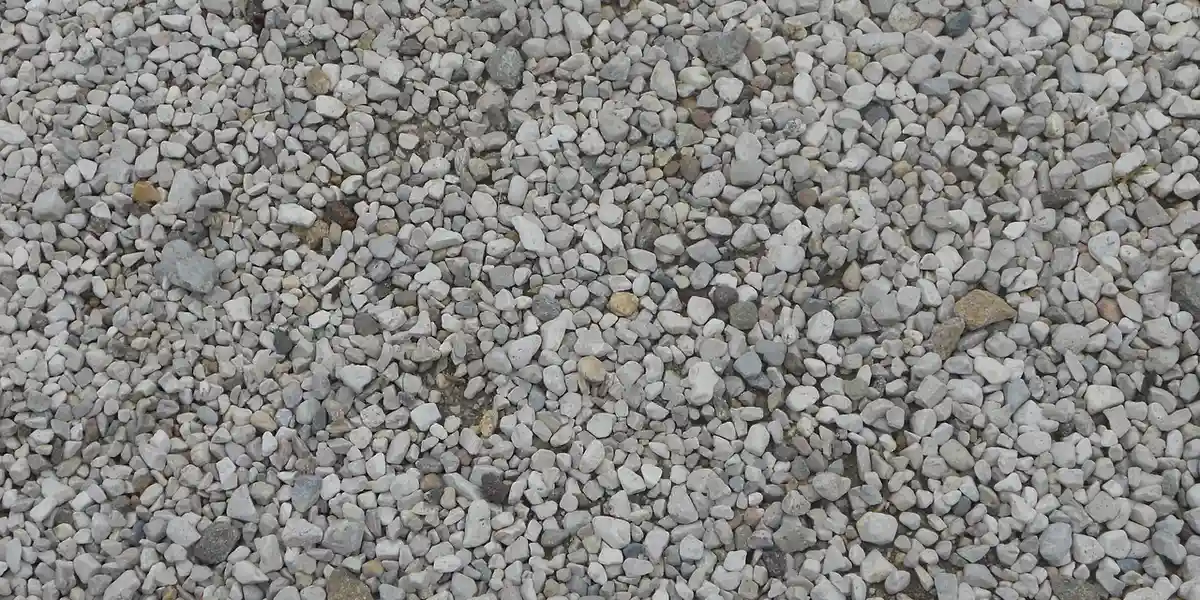
Gravel is simply small, dense rocks that form a solid base. It creates a stable water table by holding excess water at the bottom, away from the substrate. For A-Rod’s African Fat-Tailed Gecko enclosure, gravel gives a firm foundation that doesn’t shift, which he seems to appreciate during his redecorating sprees.
List pros and cons of LECA balls: aeration vs. cost
- Pros: Excellent aeration for roots, lightweight for easy handling, and reusable after cleaning.
- Cons: More expensive upfront, and the balls can break down over time, needing replacement.
I love LECA for its breathability, but it did cost me a bit more than gravel initially.
List pros and cons of gravel: durability vs. weight
- Pros: Highly durable and long-lasting, budget-friendly, and easy to find at local stores.
- Cons: Very heavy, making enclosures hard to move, and less porous, so it doesn’t manage moisture as evenly.
Gravel is tough and cheap, but moving Babe’s terrarium felt like lifting weights!
Compare key factors: porosity, moisture retention, and root zone management
| Factor | LECA | Gravel |
|---|---|---|
| Porosity | High-full of air pockets for better oxygen flow | Low-dense with minimal air space |
| Moisture Retention | Balanced-holds and releases water gradually | Limited-mainly separates water from soil |
| Root Zone Management | Superior-allows roots to breathe and grow freely | Basic-provides stability but less aeration |
LECA wins for moisture control and root health, while gravel shines in durability and cost savings. Based on my geckos, I lean toward LECA for most setups, but gravel works well if weight isn’t an issue.
How to Choose the Best Drainage Media for Your Gecko Species
Match drainage layer to species-specific humidity needs (e.g., crested vs. leopard geckos)
Your gecko’s natural habitat is the ultimate guide here. I learned this the hard way when my first bioactive setup stayed too wet for my leopard gecko, Griffey. For high-humidity species like Crested Geckos or Gargoyle Geckos, LECA is your champion. Its porous structure acts like a sponge, holding onto moisture and releasing it slowly to maintain that tropical feel my crested gecko, Jeter, thrives in. For arid-loving species like Leopard Geckos or African Fat-Tailed Geckos, gravel is often the better pick. It doesn’t hold water, allowing the substrate above to dry out completely between mistings, which is vital for preventing scale rot. This is exactly why substrate choice affects humidity in a gecko tank—media differ in their moisture retention and evaporation rates. Choosing the wrong media can literally make your gecko’s home sick, so match it to their native climate.
Consider plant types and their root health requirements
Your drainage layer isn’t just for water control; it’s the foundation for your entire miniature ecosystem. Plants with delicate, fine roots-like many ferns or nerve plants-can struggle to push through heavy gravel. LECA’s lighter, more uniform shape is gentler on developing root systems. In my own tanks, I’ve seen pothos and snake plants, which have more robust roots, do perfectly well with a gravel base. Think of your drainage layer as the apartment building for your plant’s roots-it needs to be a comfortable place for them to live and grow.
Evaluate safety: ingestion risks and sharp edges for curious geckos
Geckos are curious, and they will investigate everything with their tongues. This is where safety becomes non-negotiable. Smooth, large-gauge aquarium gravel is generally safe, but you must avoid any small, pea-sized gravel that could be accidentally swallowed. LECA balls are typically too large to be a swallowing hazard, which is a huge point in their favor. You must also run your hands through any gravel you’re considering—if it feels sharp to you, it can absolutely cause micro-cuts on your gecko’s delicate belly and feet. I always do the “hand test” with any new drainage media to ensure it’s safe for my clumsy leaper, Mookie. If you’re using rocks in a leopard gecko tank setup, select smooth, rounded stones with no sharp edges, often referred to as safe rocks for leopard gecko. Rinse and sanitize them first, and ensure they don’t have crevices where gecko toes could get stuck.
Step-by-Step Guide to Installing Your Drainage Layer
List materials: drainage media, substrate separator, tools
Before you start, get everything together. A little prep makes the job smooth and stress-free for both you and your pet.
- Drainage Media: Either LECA (expanded clay pellets) or washed, smooth aquarium gravel.
- Substrate Separator: A mesh screen, fiberglass window screening, or a pre-cut landscaping fabric. This is critical for keeping your soil out of the drainage layer.
- Tools: A large cup or scoop for moving media, scissors for trimming the separator, and a spray bottle for misting.
Outline layering method: recommended depth and substrate separation
A proper bioactive setup is all about the layers. Getting this right prevents a soggy, smelly disaster.
- Pour your chosen drainage media (LECA or gravel) into the bottom of the clean, dry enclosure.
- Spread it evenly to a depth of about 1.5 to 2 inches. This creates a sufficient reservoir for excess water.
- Lay your substrate separator (like the mesh screen) directly on top of the drainage layer. This barrier is what keeps your bioactive substrate from mixing into the drainage layer and creating a muddy, anaerobic mess.
- Trim the screen so it fits snugly against the sides of the tank, leaving no gaps for soil to fall through.
Detail adding bioactive substrate and cleanup crew (isopods/springtails)
Now for the magic—bringing the ecosystem to life. On top of your separator, add a deep layer (3-4 inches) of your chosen bioactive substrate. This is the soil that will host your plants and cleanup crew. Gently pat it down, but don’t compact it tightly. Next, introduce your cleanup crew. I sprinkle a culture of springtails across the surface and gently place a small colony of isopods in a few moist spots under some leaf litter. These tiny janitors are the heart of the system, breaking down waste and keeping the environment healthy for your gecko. This living system doubles as an enrichment playground for your gecko, encouraging exploration and natural behaviors. By shaping texture, cover, and microhabitats, you’re building the ultimate environmental enrichment setup for your gecko. Finally, plant your plants, add your hardscape, and give the tank a gentle, thorough misting to settle everything in.
Maintaining Your Drainage Layer: Tips and Troubleshooting
Monitor water levels to avoid anaerobic pockets
I learned this the hard way with my crested gecko Jeter’s first terrarium. You must check that the water isn’t sitting at the top of your drainage layer. Use a clear plastic tube or a turkey baster to siphon out excess water weekly, keeping it at least an inch below your substrate barrier. If the drainage layer becomes fully saturated, it turns into a toxic, oxygen-starved swamp. This creates anaerobic pockets that produce a sour, rotten-egg smell and can harm your gecko’s respiratory system.
Address common issues: mold, standing water, and odor
A healthy bioactive setup should smell earthy and fresh. If you notice problems, here is how I tackle them:
- White, Fuzzy Mold: This often appears when you first set up the terrarium and is usually harmless. It’s part of the ecosystem establishing itself. Increase ventilation slightly and let your clean-up crew (springtails) handle it. Persistent mold indicates the substrate is too wet.
- Standing Water on Top: This means you’ve over-watered. Immediately siphon the drainage layer and stir the top substrate to help it dry out. Your gecko’s feet should never be wet.
- Foul Odor: A swampy or sour smell is a red flag for anaerobic conditions. You need to act fast. Remove any affected substrate, siphon all water from the drainage layer, and reintroduce fresh springtails to help break down waste.
Guide on when to replace or clean drainage media
With a well-balanced bioactive tank, you should almost never need a full replacement. A properly functioning drainage layer is a “set it and forget it” component for the life of the vivarium. I’ve had the same LECA in Babe the Giant Day Gecko’s enclosure for three years. You only need to intervene if you get a persistent, unfixable odor or a massive flood that contaminates the layer. In that case, remove all hardscape and substrate, rinse the drainage media in dechlorinated water, and rebuild.
Safety and Practical Considerations for Gecko Habitats
Assess ingestion risks and material safety for geckos
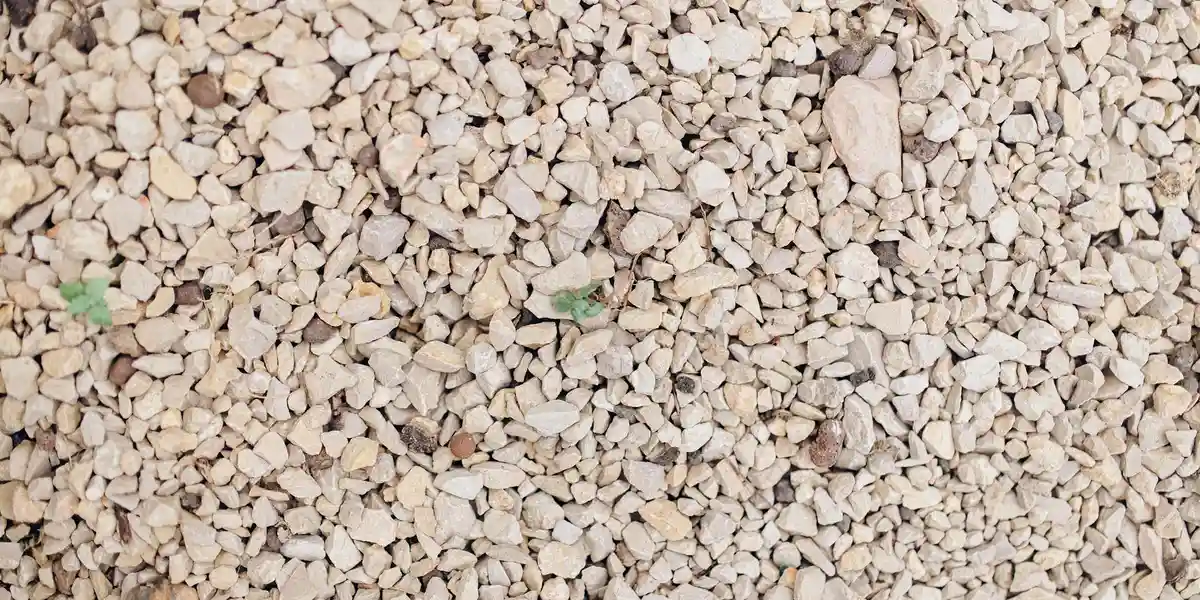
Geckos are curious and will sometimes lick or mouth things in their environment. This is a major reason I prefer LECA over gravel for my gang. If a gecko accidentally swallows a piece of gravel during feeding, it can cause a fatal impaction, whereas LECA is much lighter and often too large to be consumed. Always ensure your substrate barrier (like a mesh screen) is secure to prevent any drainage material from mixing into the topsoil. For my geckos like Mookie, who are prolific leapers, I also make sure there are no sharp pieces of gravel that could cause injury on a bad landing.
Compare cost, availability, and eco-friendly aspects
- Cost & Availability: Gravel is the budget king. You can find a bag at any garden center for a few dollars. LECA is more specialized, sold in hydroponic or reptile stores, and costs about twice as much. I find the investment in LECA worthwhile for its superior function.
- Eco-Friendly: LECA is made from heated clay, a natural and reusable material. Gravel is mined, which has a larger environmental footprint. Since LECA is reusable for many years, its long-term environmental impact is lower than gravel, which often gets discarded during tank cleanouts.
Discuss aesthetic impact on terrarium design
This is where personal preference really comes into play. Gravel offers a natural, rocky stream-bed look that can be very attractive. LECA, with its round, reddish-brown balls, is less naturalistic. I hide my LECA layer completely with a deep substrate and hardscape, as I prefer a pristine jungle aesthetic for geckos like Griffey. However, some hobbyists creating a more industrial or modern design might choose to leave a section of the black LECA layer visible as an intentional design element. Your choice here directly shapes the final beauty of your gecko’s home.
Species-Specific Drainage Layer Recommendations
Every gecko species has evolved for a specific type of home, and their drainage layer should reflect that. Getting this foundation right is the single biggest factor in creating a stable, healthy bioactive environment for your pet. I’ve built tanks for all my geckos, and this is the hard-won advice I follow. Designing the enclosure with species-appropriate housing requirements, tank size, and setup ensures long-term health. The right setup depends on the gecko’s species and natural habitat.
Recommend for Crested Geckos: balance humidity and aeration
My crested gecko, Jeter, lives in a tank that needs to hold moisture for his plants but never become a swamp. For this, I always choose LECA balls.
- LECA’s porous structure acts like a reservoir, releasing humidity slowly as the tank dries out.
- The air pockets within the clay balls provide crucial airflow to the substrate, preventing nasty anaerobic bacteria.
- It creates a stable base for the deep, moisture-rich soil that his favorite plants, like pothos and dracaena, need to thrive.
LECA gives you that perfect, tropical middle ground-humid but not wet, which is exactly what a crested gecko’s lungs and skin require.
Recommend for Leopard Geckos: focus on dryness and easy maintenance
My leopard gecko, Griffey, comes from a much drier environment. His setup prioritizes excellent drainage and simplicity. Here, gravel is the undisputed champion.
- Smooth, washed aquarium gravel creates instant, free-draining space at the bottom of the tank.
- It’s heavy and stable, preventing any chance of substrate shifting or burrows collapsing.
- Gravel is inert and doesn’t hold water, which actively helps keep the overall enclosure drier.
For a leopard gecko, a gravel layer is your best insurance policy against accidental dampness, which can lead to serious health issues. It’s the low-maintenance, high-reward choice.
Recommend for Gargoyle Geckos: moderate moisture control
My gargoyle gecko, Mookie, needs conditions similar to a crested gecko, but just a tad drier. Between crested vs gargoyle geckos, care is similar but not identical. They share many basic needs, but differ in appearance and preferred humidity. You have a good option here.
- Primary Choice: LECA. It offers the same humidity-buffering benefits but in a slightly shallower layer than you’d use for a crested gecko.
- Alternative Option: A Gravel/LECA Mix. Combining both gives you drainage with a small amount of moisture retention. This is a great way to fine-tune your tank’s environment.
The goal for a gargoyle gecko is a drainage layer that supports moderate humidity without locking it in, and both these methods achieve that beautifully. This principle also ties into the 8 biggest mistakes in gecko hydration humidity control, where improper humidity levels are a common pitfall. By aiming for balanced moisture, keepers reduce the risk of over- or under-hydration.
Recommend for Day Geckos: support for high-humidity plants
My giant day gecko, Babe, lives in a rainforest in a box. His enclosure is constantly warm and humid to support both him and his lush, tropical plants. For this, LECA is non-negotiable.
- The plants in a day gecko tank are water-hungry. LECA provides a constant, wicking source of moisture to the root systems.
- It handles frequent misting and high humidity levels without breaking down or compacting.
- This setup creates a miniature ecosystem where plant health directly supports your gecko’s health.
A deep LECA layer is the engine of a thriving day gecko vivarium, ensuring the plants that provide cover and humidity remain vibrant and healthy.
FAQs
Can I use a combination of LECA and gravel for my drainage layer?
Yes, mixing LECA and gravel can create a balanced drainage system that offers both moisture retention and structural stability, but ensure the materials are clean and properly separated from the substrate.
How often should I replace the drainage media in a bioactive setup?
Drainage media like LECA or gravel rarely needs replacement in a well-maintained bioactive enclosure and can last for years with regular monitoring and occasional cleaning.
Are there any gecko species that should not use a drainage layer?
No, all gecko species benefit from a drainage layer in bioactive setups to prevent waterlogged substrate, control humidity, and support overall habitat health. This also helps prevent common gecko illnesses linked to damp conditions. By maintaining drainage and stable humidity, you reduce risks of respiratory infections and skin problems.
Final Words
When choosing between LECA and gravel, your best bet for a thriving bioactive home is almost always lightweight, porous LECA. It holds more beneficial water, promotes healthier plant roots, and is far easier to work with during setup and maintenance. Gravel can work in a pinch for specific, arid setups, but it’s the heavier, less efficient option for most gecko habitats.
Your choice in substrate components is a direct reflection of your commitment to providing a natural and enriching life for your pet. Choosing the right substrate for your gecko’s enclosure is a key part of that care. Different species favor different substrates, so tailor it to your gecko’s needs. From my own geckos, I’ve learned that the small details in their home make a huge difference in their long-term health and happiness. Keep asking questions, keep observing your pet, and never stop learning—your scaly friend is counting on you.
Further Reading & Sources
- Foam Peanuts vs. Leca, gravel, & False Bottoms | Dendroboard
- talk to the frog
- Global Business Conclave 2025 | Chennai
The Gecko Guide is your ultimate resource for gecko enthusiasts, providing expert advice and practical tips to ensure the health and happiness of your scaly companions. Alexander is a passionate gecko owner with over a decade of experience in reptile care. We are dedicated to offering accurate, up-to-date information to support your gecko journey.Our mission is to foster a community of responsible gecko owners who are passionate about the well-being of these fascinating creatures.
Substrate & Flooring Options