
Moving House with Your Gecko: A Low-Stress Guide
Published on: February 23, 2026 | Last Updated: February 23, 2026
Written By: Alexander 'Gecko Geek' Johnson
Moving to a new home is stressful enough without worrying about how your gecko will handle the trip. The thought of packing up their entire world and transporting them can feel overwhelming, especially when you want to keep your scaled friend safe and calm.
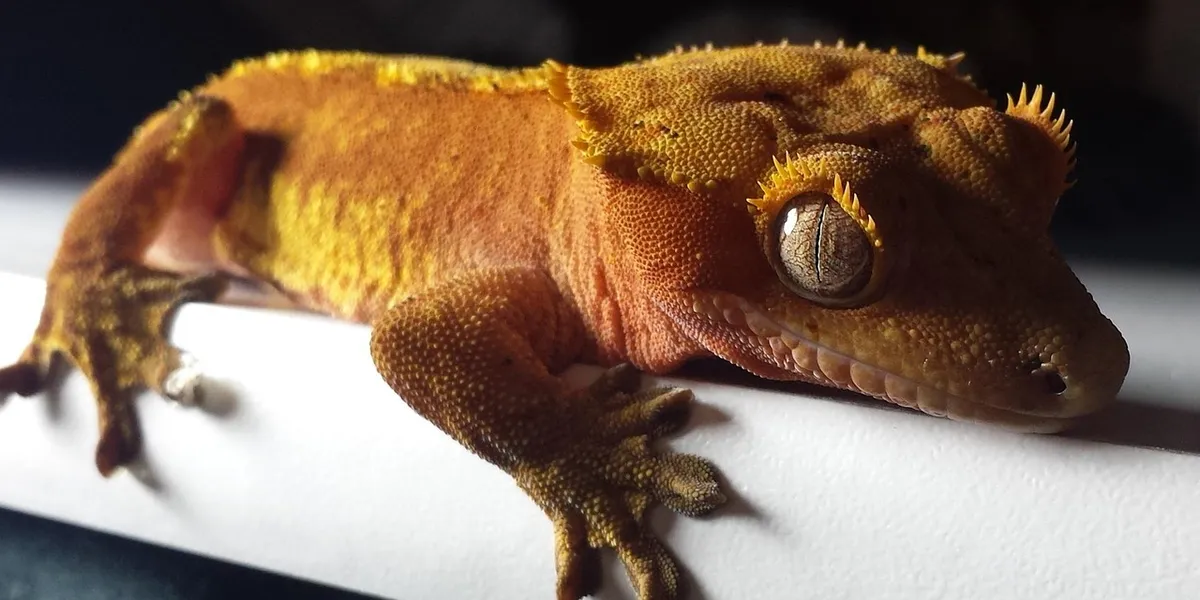
I’ve moved houses with my own crew of geckos, from my energetic leopard gecko Griffey to my calm crested gecko Jeter, and I can help you do it successfully. We’ll break it down into simple, manageable steps focused on three key goals:
- Keeping your gecko secure and comfortable during transit.
- Maintaining their proper temperature and humidity needs.
- Setting up their new enclosure quickly to minimize stress.
You’ll get clear, step-by-step advice based on real experience. This guide covers: pre-move preparation, creating a travel carrier, the moving day process, and post-move setup and care.
Why a Low-Stress Move is Vital for Your Gecko’s Health
Moving completely shatters the predictable world your gecko knows. The sights, sounds, and vibrations of packing boxes are alien and frightening. This disruption to their routine is a massive stressor that can directly weaken their immune system. A stressed gecko is far more susceptible to illness, and a simple relocation can trigger a health spiral if not managed carefully. It’s crucial to differentiate stress from normal behavior to ensure your gecko gets the care it needs during such times.
You need to become a master at reading your gecko’s subtle body language. During a move, watch for these common signs of stress. Often, these signs are tied to your gecko’s environment—temperature, lighting, and hiding spots can all influence stress levels. By adjusting these environmental factors, you can help your gecko stay calm.
- Hiding constantly and refusing to come out, even at night for feeding.
- A noticeable loss of appetite or refusal to eat their favorite treats.
- Pacing the glass walls of their enclosure repeatedly.
- Vocalizations like squeaks or barks from species like Crested Geckos.
- A change in their skin color, often becoming darker or more dull.
- Attempting to escape their enclosure more frequently than usual.
I learned this the hard way with my Crested Gecko, Jeter. A week before our last move, I noticed he was spending all his time on the ground, not perched up high like his usual “team captain” self. This sudden change in his basking behavior was my first clue that he sensed the household chaos. I immediately doubled down on keeping his corner of the room quiet and calm, which helped him settle before the big day.
Pre-Move Preparation: Your Gecko Relocation Checklist
Success is all in the preparation. A last-minute scramble will stress you out, and your gecko will feel that energy. Start assembling your moving kit at least one week before moving day to avoid any panicked store runs. A well-planned move is a calm move for everyone, especially your cold-blooded friend.
If you are crossing state lines or moving a significant distance, a veterinary check-up is a smart move. Some states have specific requirements for importing reptiles. Your vet can provide a clean bill of health and any necessary documentation you might need for travel. Keep these papers with your own important documents during the move.
Gathering Your Gecko Moving Kit
Think of this as a miniature, secure version of their home for a short period. You will need a dedicated small plastic critter carrier or a well-ventilated small tank. Line the travel cage with plain paper towels for a clean, simple, and absorbent substrate. Avoid loose bedding that can shift and cause issues during transport.
- A secure, ventilated travel carrier (no larger than 5 gallons).
- Plain paper towels for substrate.
- A very small, shallow water dish that won’t tip.
- A single, small hide that fits snugly inside the carrier.
- A digital thermometer to monitor the travel environment.
Temperature control is the trickiest part. For short trips, a simple hand warmer packet placed *outside* the carrier and monitored closely can work. For longer journeys, I use a USB-powered heat pad designed for pet travel that plugs into a portable power bank. Always test your heat source before moving day to ensure it maintains a safe temperature without overheating.
Preparing the New Habitat Setup
Your goal is to have the new enclosure ready and running before your gecko arrives. The moment they get to the new house, they should be able to go directly into a fully prepared home. In your first 24 hours, follow this essential step-by-step guide to ensure a smooth transition. This quick checklist walks you through setup, safety, and initial acclimation so your gecko settles in comfortably.
Assemble the terrarium in its permanent, quiet location away from heavy foot traffic and direct sunlight. Follow these steps to ensure it’s perfect:
- Place your substrate and all decorations, hides, and plants.
- Install and turn on all heating and lighting equipment.
- Let the enclosure run for at least 24-48 hours to stabilize.
This waiting period is non-negotiable. Use this time to meticulously test your thermostats, thermometers, and hygrometers to ensure everything is functioning correctly. You want to confirm the basking spot is the right temperature and the cool end is sufficiently cool. Walking into a stable, ready-to-go habitat is the single best way to reduce your gecko’s relocation stress.
Moving Day: Step-by-Step Gecko Transport Guide
Moving day is a whirlwind for you, but for your gecko, it’s a complete upheaval of their world. A clear, timed plan is your single best tool for keeping their stress at rock-bottom levels. I’ve moved with my crew of five geckos multiple times, and this routine has never failed me.
Your Moving Day Timed Checklist
- Wake Up – 2 Hours Before Departure: Do a final spot-clean of the enclosure. Offer a very light misting for hydration, but do not feed. A full belly can lead to regurgitation during travel.
- 1.5 Hours Before Departure: Unplug and dismantle the main enclosure. Pack the heat source, thermostat, and other electronics securely.
- 1 Hour Before Departure: This is gecko handling time. Gently place your gecko into their pre-prepared travel container. Keep this process calm and deliberate.
- 30 Minutes Before Departure: Do a final check. Is the travel container secure? Are any heat packs activated if needed? Is the container in a stable, draft-free spot in your vehicle?
- Departure: Hit the road! Drive smoothly, avoiding sudden stops and sharp turns for your scaled passenger.
Safe Handling to Minimize Stress
Your gecko will likely be skittish on moving day. Always handle your gecko close to the ground or over a soft surface in case they jump. Different gecko species have different handling needs. For example, terrestrial species like leopard geckos are typically scooped from below, while arboreal species like crested geckos may be guided onto a branch or secure perch before transfer. Use slow, confident movements. I gently scoop my leopard gecko, Griffey, from below, letting him walk onto my hand. For my quicker crestie, Jeter, I encourage him to step onto a familiar branch I then transfer to the travel tub.
Feeding and Water on Travel Day
Skip the food. Seriously. Fasting your gecko for 24 hours before the move prevents travel sickness and messy accidents. For hydration, I lightly mist the side of the travel tub right before sealing it. They can lick the droplets if needed. Do not include a water bowl; it will just spill and create a dangerously humid and cold environment. This illustrates one of the 8 biggest mistakes in gecko hydration and humidity control—relying on misting alone without a calibrated humidity plan. A better approach balances measured humidity targets with safe hydration options to keep geckos healthy during travel.
Packing and Securing Your Gecko for Travel
A proper travel setup is non-negotiable. I use small, ventilated plastic containers with secure locking lids. Line the bottom with a familiar paper towel substrate and include one small, soft hide-I use a toilet paper roll stuffed with moss for my cresties. This gives them a dark, secure place to hunker down. The container should be just big enough for them to turn around comfortably but not so large they get tossed around.
In the car, placement is everything. Secure the travel container on the floor of the passenger seat, or wedged snugly in a footwell with soft bags around it. Never place it on a seat where it can slide off. The floor of the car experiences the least motion and provides a more stable, less frightening ride.
Managing Temperature and Humidity During Transit
This is the trickiest part, especially in colder climates. Never, ever place the travel container in direct sunlight, as this can create a deadly oven in minutes. Your goal is to prevent temperature drops, not achieve perfect basking heat.
For short trips under an hour, room temperature is usually fine. For longer journeys, I use UniHeat shipping packs made for reptiles. I wrap the heat pack in a towel and place it *outside* the travel container, never inside with the gecko. The entire setup then goes into a small insulated cooler, which maintains a safe, stable temperature for hours. Check it periodically to ensure it’s not getting too warm.
Arrival and Setup: Acclimating Your Gecko to the New Home
You’ve arrived! The temptation to get your gecko settled immediately is strong, but patience here is critical. Your first priority is to rebuild their familiar world before you introduce them to the chaos of a new room. Unpacking order matters more than you think. In quarantine, avoid the five critical errors that can jeopardize health and acclimation. These steps set up a smooth transition to their new home.
- First, position the empty enclosure in a quiet, low-traffic area.
- Next, set up the furniture: hides, branches, and foliage.
- Then, add substrate and any damp moss for humidity.
- After that, install and plug in the heat source and thermostat, letting the tank come up to temperature.
- Finally, once everything is running and stable, gently introduce your gecko.
Choosing a quiet corner for the initial setup gives your gecko a vital buffer zone to decompress. A room constantly buzzing with people and unpacking noise will significantly prolong their stress. Gentle, low-level sound vibrations can help create a low-stress audible environment for geckos, promoting calm behavior. Avoid sudden, loud noises to maintain a stable, predictable soundscape that supports their well-being.
Introducing Your Gecko to the New Enclosure
The hard part is over. Now, let them be. Resist all handling for at least the first 3-5 days, maybe even a full week. I know it’s hard-you want to check on them! But this “hands-off” period is the kindest thing you can do. Simply open their travel tub inside the new enclosure and let them explore on their own terms.
Your job now is silent observation. Monitor for signs of normalcy: are they exploring at night? Did they eat the first couple of bugs you offered? Is their poop normal? My gecko, A-Rod, always gives me the silent treatment for a few days, refusing food, before he decides his new territory is acceptable. This is normal. Offer food, but don’t panic if they refuse the first few meals. They just need time to feel safe again.
Post-Move Care: Ensuring a Smooth Transition
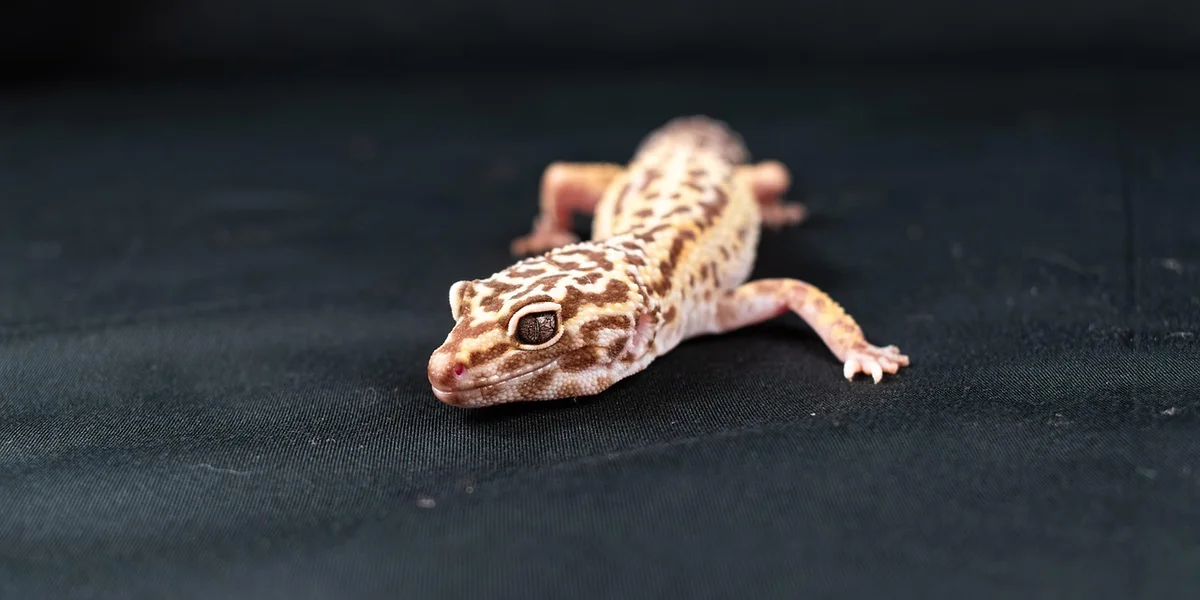
The first few days in your new home are the most critical for your gecko. Your primary job now is to be a quiet, observant guardian, letting them re-establish their sense of security. I learned this the hard way with my first move and a very grumpy leopard gecko. For rescue geckos, those first 30 days are especially important. A simple rehab plan—steady temperatures, minimal handling, and a calm routine—can help them adjust.
Your Daily Health and Stress Checklist
For the first week, perform these checks twice a day, ideally without disturbing the enclosure.
- Appetite Watch: Offer a small amount of their favorite food each evening. Don’t panic if they refuse the first 2-3 days. The goal is to see them show interest, not necessarily clean the bowl.
- Hydration Station: Check that their water dish is full and clean. Look for signs they’ve been drinking, like water droplets on the glass or a damp substrate nearby.
- Waste Management: A gecko that is pooping is usually a gecko that is settling in. Keep an eye out for normal, well-formed droppings and a separate white urate.
- Body Language Decoder: Watch for hiding constantly, rapid breathing, refusing to come out for food, or a darkened color (in some species). These are clear stress signals.
Resuming Normal Handling and Interaction
Patience is your most valuable tool here. Rushing this step can undo all your careful moving work.
- Wait for the “All Clear”: Do not attempt to handle your gecko until they are eating consistently for at least 3-4 days in a row.
- Start with Short Sessions: The first few handling sessions should be brief, just 5-10 minutes. Keep them low to the ground over a soft surface.
- Let Them Set the Pace: If they seem skittish or try to escape, end the session and try again in a day or two. A confident gecko will be curious and move deliberately, not frantically.
My crestie, Jeter, took a full five days to eat after our last move. I waited two more days after that before I even opened his terrarium door for a quick hello. That patience paid off, and he was back to his calm, handleable self without any setbacks.
Helping Your Gecko Feel at Home
You can actively make the new space feel like their old, safe territory. Familiarity is the antidote to relocation stress. Their hide isn’t just a decoration; it’s their bedroom, their safe room, and their panic room all in one.
- Use Their Old Stuff: Do not clean or replace their favorite hides, climbing branches, or décor right after a move. The established scent on these items is profoundly comforting.
- Keep the Layout: Try to set up the new enclosure exactly like the old one. Place the warm hide, cool hide, and water dish in the same relative positions.
- Minimize New Additions: Hold off on adding that cool new background or fancy food dish for at least two weeks. Let them get completely comfortable first.
My personal rule, born from experience, is a two-week “habitat freeze.” I do not change a single thing inside the terrarium for a full 14 days after a move, unless it’s a matter of cleanliness or safety. This gives my geckos, like my meticulous African Fat-Tailed gecko A-Rod, the predictable environment they need to decompress. After that period, you can slowly introduce one new item at a time.
Common Questions
Can my gecko travel with me on an airplane?
You must check your airline’s specific live animal policy well in advance, as many do not allow reptiles in the cabin.
How do I gecko-proof the car during the move?
Ensure all vehicle air vents are not pointing directly at the travel carrier and that the container is secured to prevent sliding.
What should I do if my gecko escapes its carrier during the trip?
Remain calm, safely pull over, and carefully search the immediate, enclosed area of the vehicle where the carrier was placed.
Is it safe to move with multiple geckos together?
You should house geckos in separate, individual travel carriers to prevent territorial stress and potential injury. Additionally, maintaining a proper habitat with appropriate humidity, temperature, and clean substrate helps prevent common gecko illnesses. A well-kept enclosure supports health and reduces stress-related infections.
How long should the entire moving process take from start to finish?
From placing them in the travel carrier to releasing them into their prepared new home, you should aim to complete the process in a single, continuous day.
Final Words
Successfully moving your gecko boils down to smart preparation, a secure temporary travel setup, and a gentle, patient reintroduction to their new home. For transport, use a secure carrier and maintain a stable, warm environment during the trip. This approach is especially important when you’re traveling with a leopard gecko. By following the steps we’ve covered—from packing their tank last to letting them settle in quietly—you transform a potentially scary event into a manageable adventure for your scaly friend.
Remember, being a great gecko owner means always being willing to learn and adapt to your pet’s unique needs, especially during life’s big changes. Your continued curiosity and commitment to their welfare are what truly make a safe and enriching habitat, no matter what your new address is.
Further Reading & Sources
- What is the best way to catch a gecko? – The Environmental Literacy Council
- Are you new to Dallas? Your guide to relocation! – Julie Measures
- Crested Gecko Feeding Guide: Expert Answers to Your Questions
The Gecko Guide is your ultimate resource for gecko enthusiasts, providing expert advice and practical tips to ensure the health and happiness of your scaly companions. Alexander is a passionate gecko owner with over a decade of experience in reptile care. We are dedicated to offering accurate, up-to-date information to support your gecko journey.Our mission is to foster a community of responsible gecko owners who are passionate about the well-being of these fascinating creatures.
Gecko Care Guides