
The Ethics of ‘Pet-Only’ Geckos: Understanding Genetic Defects
Published on: February 26, 2026 | Last Updated: February 26, 2026
Written By: Alexander 'Gecko Geek' Johnson
You’ve probably seen those stunningly unique geckos online, the ones labeled “pet-only,” and wondered what that term truly means for the animal’s wellbeing. It’s a question that sits at the heart of responsible reptile keeping, and it’s one I’ve grappled with myself after years of sharing my home with my own crew of scaly friends.
I will help you navigate this complex topic by breaking down the key ethical considerations every potential owner should know. We will cover:
- The direct link between specific morphs and serious health problems.
- Why “pet-only” is a red flag, not just a casual suggestion.
- How to make an informed, compassionate choice for your next gecko.
By the end of this article, you will have a clear, actionable understanding of the issue. We will explore the specifics of problematic morphs, breeder responsibility, health implications, and ethical alternatives to ensure you can advocate for the welfare of these amazing creatures.
What Are Pet-Only Geckos?
When a breeder labels a gecko as “pet-only,” they are being honest with you. This gecko is not intended for a breeding program. This label is a breeder’s way of flagging an animal that has a condition making it unsuitable for producing the next generation. It protects the future health of the species.
There are a few common reasons a gecko gets this designation.
- Genetic Defects: This is the most serious reason. The gecko may carry or display a heritable condition that could be passed to offspring.
- Appearance Flaws: A kinked tail, a missing toe, or a slight underbite. These are often minor and don’t affect quality of life, but they don’t meet “show” standards.
- Underlying Health Issues: A gecko that has recovered from a serious illness like metabolic bone disease might be perfectly healthy as a pet but not considered robust enough for breeding.
In my own collection, I have a beautiful leopard gecko named Jeter. He has a perfectly straight, solid cream dorsal stripe, but he was born with a slightly kinked tip on his tail. To me, Jeter is flawless, but in a breeder’s eyes, that tiny kink made him a “pet-only” animal. I happily brought him home, knowing he’d have a wonderful life without the stress of breeding. Show-quality geckos must be physically perfect specimens that represent the ideal standard of their morph. This naturally ties into the topic of leopard gecko morphs: how do we distinguish rare morphs from common ones? Are leopard gecko morphs reliable at identifying rare versus common types, or do labels shift with trends?
Common Genetic Defects in Pet-Only Morphs
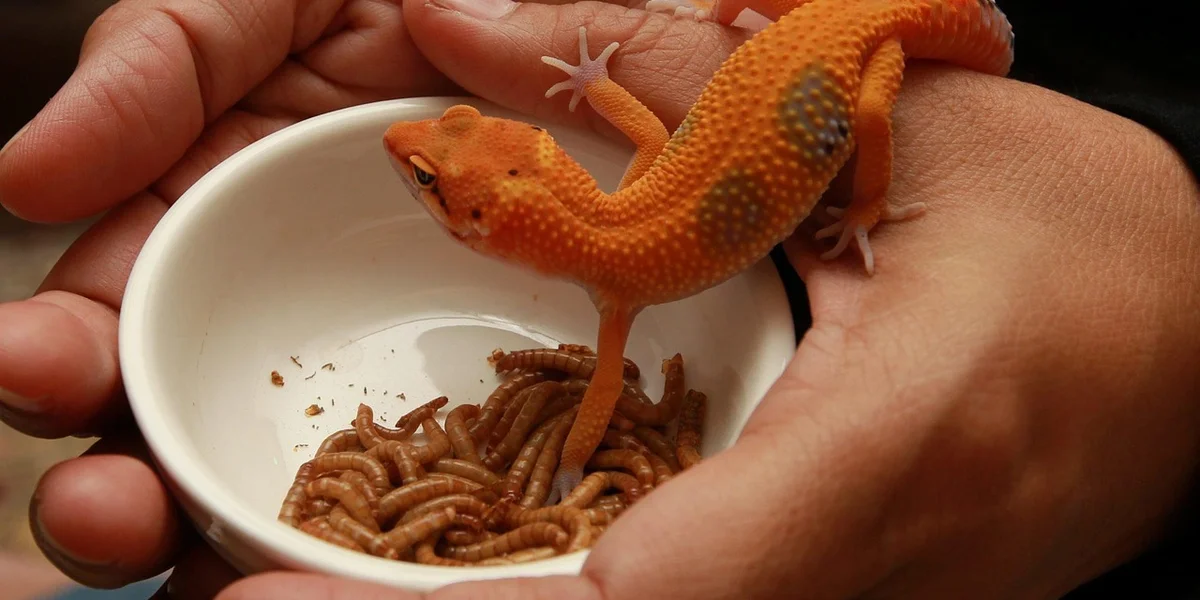
Types of Genetic Defects
Some genetic issues are more prevalent than others, especially in morphs bred for specific, often extreme, looks.
- Neurological Issues: The most famous is the “Enigma Syndrome” in leopard geckos. This can cause star-gazing, head tilting, and poor coordination. I’ve cared for an Enigma gecko, and it required a simplified, safe tank with no climbing opportunities.
- Skeletal Deformities: This includes kinked spines, twisted jaws, or severely shortened limbs. These can impact a gecko’s ability to walk, hunt, or shed properly.
- Vision Problems: Some albino strains are extremely light-sensitive, while other morphs can be prone to eye deformities or even blindness, making it hard for them to target food.
Seeing a gecko struggle with a neurological “wobble” during feeding is a stark reminder that beauty sometimes comes at a cost. Are signs of stress in geckos related to their environment? In many cases, yes—suboptimal humidity, temperature, or lighting can contribute to wobbling and other stress behaviors. These animals require extra patience and a carefully managed environment to thrive.
How Morphs Contribute to Defects
The drive to create stunning new patterns and colors is the main culprit. To stabilize a new trait, breeders often rely on heavy inbreeding, which dramatically concentrates both good and bad genes. It’s a genetic lottery with high stakes for the animals.
Think of the “wobble” seen in some crested gecko lines. This is not a disease but a neurological condition linked to certain pattern genes. The more intensely you breed for that specific look, the more likely you are to also breed for that shaky, uncoordinated movement. It’s a direct trade-off, and the gecko pays the price. Responsible breeders test pairings carefully and retire lines that show high defect rates.
The Ethics of Breeding and Selling Pet-Only Geckos
Breeder Responsibilities
An ethical breeder’s first duty is to the health of the animal, not the novelty of its pattern. I’ve walked away from stunning geckos because the breeder was vague about their lineage. Ethical breeding demands rigorous genetic screening and a steadfast commitment to avoiding inbreeding, which concentrates harmful recessive traits. Recognizing common gecko breeding problems helps us focus on real solutions. Solutions emerge through transparent lineage, rigorous health screening, and careful, non-inbred pairings.
- Genetic Screening & Lineage Tracking: Reputable breeders perform out-crossing, introducing unrelated geckos into a bloodline to strengthen it. They keep detailed records and can tell you exactly who your gecko’s parents and grandparents are.
- Avoiding Inbreeding: Breeding siblings or parents to offspring might quickly produce a desired color, but it’s a genetic time bomb. This practice dramatically increases the risk of neurological issues, skeletal deformities, and weakened immune systems.
I believe selling a gecko with a known, painful genetic defect is morally wrong, full stop. The morality of selling geckos with known defects hinges on one question: are you prioritizing a sale over an animal’s quality of life? It preys on a buyer’s lack of knowledge and sentences the animal to a potentially painful existence.
Consumer Ethics
You are the most important check in the system. Your buying choices directly fund either ethical or harmful practices. Evaluating a breeder starts with asking direct, uncomfortable questions about lineage, known genetic issues in the morph, and their policy on unhealthy hatchlings.
- Ask to see the parent geckos, either in person or via video. Do they look healthy and alert?
- Request their policy on “culling” or what they do with geckos born with severe defects. An ethical answer shows a plan for humane care, not just disposal.
- Inquire about their experience with the specific morph’s common health problems.
Our desire for the rarest, most “instagrammable” gecko has a dark side. The demand for rare morphs creates a market where welfare becomes secondary to novelty and profit. Breeders are incentivized to push genetic boundaries, sometimes crossing an ethical line that results in animals that struggle to simply live a normal life.
How Genetic Defects Impact Gecko Welfare
Physical and Behavioral Effects
These aren’t just cosmetic issues. They are daily challenges that compromise a gecko’s fundamental well-being. Genetic defects can turn basic survival activities like feeding and moving into exhausting, and sometimes impossible, tasks. With proper care, many of the common health problems that affect pet geckos can be prevented.
- Feeding Difficulties: Jaw deformities or neurological problems can prevent a gecko from properly aiming at or swallowing prey. I’ve had to assist-feed geckos that would otherwise starve, a stressful process for both of us.
- Mobility Issues: Skeletal defects like kinked spines or missing limbs make climbing and exploring their enclosure a struggle. They can’t engage in natural behaviors, leading to frustration and poor muscle tone.
Caring for my gecko “Babe,” who has a slight tail kink from a incubation issue, means his tank has low platforms and a soil-like substrate to cushion any falls. Adapting care for special needs geckos is a labor of love that requires redesigning their entire world for safety and accessibility. It’s rewarding but a constant reminder of the breeder’s initial oversight.
Long-Term Health Monitoring
Owning a gecko with a genetic predisposition means you’re not just a keeper; you’re a lifelong health monitor. Ongoing health checks involve weekly weigh-ins, observing their coordination during feeding, and monitoring their breathing for signs of respiratory infection. This approach aligns with the ultimate gecko health troubleshooting checklist—a step-by-step diagnostic guide for pinpointing issues early. It helps you translate daily observations into targeted care actions.
- Keep a simple log of their weight and eating habits. A sudden drop is your first red flag.
- Schedule regular veterinary assessments, ideally with a vet who specializes in reptiles. They can spot subtle signs of decline you might miss.
- Be hyper-vigilant about enclosure hygiene, as a compromised gecko is more susceptible to common illnesses.
Don’t wait for a problem to appear. The importance of early-life screening cannot be overstated-it sets the baseline for their entire life and helps you anticipate future needs. A vet visit in the first few months of ownership can identify minor issues before they become major, painful crises.
Responsible Care for Geckos with Genetic Defects
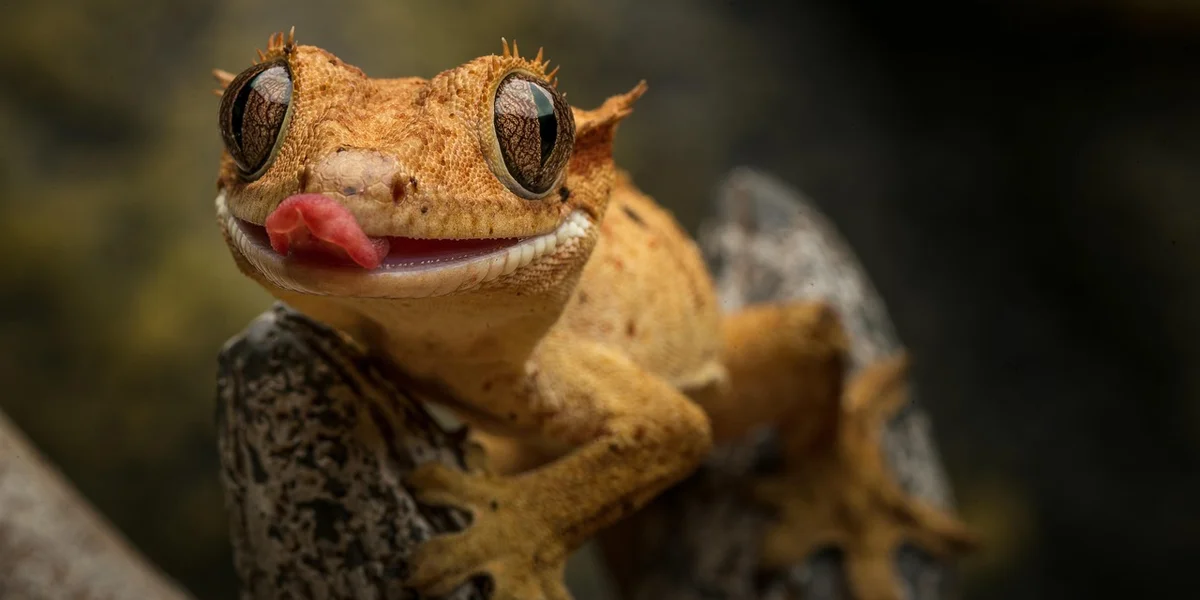
Adapting Your Setup
Creating a safe and accessible home is your first and most important job. A standard terrarium setup can be a dangerous obstacle course for a gecko with physical or neurological challenges. I learned this quickly with one of my own geckos who had a slight wobble; small changes made a huge difference in his confidence and mobility. To help you avoid common pitfalls, here are 10 habitat setup mistakes to avoid for a safe, thriving gecko.
- Install low-angle ramps made from cork bark or reptile-safe plastic to replace steep climbs.
- Use wide, low-entry hides instead of those with small, elevated openings. Half-logs and flat rock caves are perfect.
- Choose a solid substrate like paper towel, tile, or a non-particulate liner to prevent accidental ingestion and provide stable footing.
- Carefully manage heating and lighting. Geckos with Enigma Syndrome or other neurological issues can get disoriented and burn themselves. I always use a thermostat with any heat source and provide plenty of cool areas for retreat.
Daily Care Strategies
Your daily routine needs to shift from convenience to compassionate support. Patience becomes your most valuable tool.
- For geckos with jaw issues or poor aim, ditch the loose feeder insects. Offer food from soft-tipped feeding tweezers or in a shallow, escape-proof dish.
- If your gecko has vision problems, try gently wiggling the food with tweezers near its nose; the movement and smell will often trigger a feeding response.
- When handling a gecko with neurological defects, keep sessions very short and always close to a soft, padded surface. Sudden movements or loud noises can trigger a “spin” episode, so a calm environment is non-negotiable.
- Minimize handling during their most active times if it seems to cause stress. Sometimes, watching from outside the tank is the best kind of interaction.
Alternatives to Pet-Only Geckos: Adoption and Ethical Breeding
Rescue and Adoption Options
Adopting a gecko is one of the most rewarding experiences in reptile keeping. You are directly giving an animal a second chance at a good life, and that is a powerful thing. My crested gecko, Jeter, was a rehome, and his calm, trusting personality is a constant reminder of the value of this choice.
- Rescue geckos are often adults, so their personalities and any health issues are already known, removing the guesswork.
- You free up space and resources for the rescue to help another gecko in desperate need.
- You are voting with your wallet against the mass production of animals with inherent health problems.
- Search for local reptile rescues, check Petfinder, or join species-specific rehoming networks on social media. There are always wonderful geckos waiting.
Supporting Ethical Breeders
If you have your heart set on a specific gecko from a breeder, you must become a detective for animal welfare. A good breeder’s priority is the health of the animal, not just the color of its skin.
- Responsible breeders are transparent. They will happily show you their breeding setups and the parent geckos, and they will openly discuss their bloodlines and any known genetic risks.
- They provide a health guarantee that goes beyond just the first 24 hours, showing they stand behind the animals they produce.
- They prioritize “hardiness” and “vigor” in their breeding projects. Ask a breeder what traits they select for beyond color; if they only talk about appearance, consider it a red flag.
- By choosing a breeder who values genetic diversity and robust health, you are directly supporting the long-term wellbeing of the species in captivity.
FAQs
How can I ensure that my gecko’s genetic defects do not worsen over time?
Regular veterinary check-ups and a carefully managed environment can help monitor and mitigate the progression of genetic issues.
Are there any support groups or communities for owners of geckos with genetic defects?
Yes, online forums and social media groups dedicated to reptile care often have sections for sharing experiences and advice on managing geckos with special needs, especially when it comes to particular species like day geckos.
What is the average lifespan of a gecko with common genetic defects compared to a healthy one?
While it varies, geckos with severe genetic defects may have a shortened lifespan due to associated health complications, whereas healthy geckos can live their full expected lifespan with proper care. It is important to consider genetics when breeding geckos for longevity.
Final Words
The most ethical path is to choose geckos from reputable breeders who prioritize health over rare appearances and to always question the origin of a “pet-only” animal. A practical, ethically responsible geckos breeders checklist can guide your decisions and help you verify responsible breeding practices. Using such a checklist also helps you avoid impulse purchases and supports welfare-oriented breeders. You have the power to support breeding practices that ensure these incredible creatures live long, comfortable lives free from preventable suffering.
Your journey as a gecko keeper doesn’t end with a purchase; it’s a commitment to lifelong learning and advocacy for their well-being. Stay curious, ask tough questions of your breeders, and let your care be guided by compassion, ensuring your scaly friend thrives for years to come. If you ever consider cohabitating geckos or breeding them, research species-specific housing needs and potential aggression. Always follow breeding and housing best practices to minimize stress and health risks.
Further Reading & Sources
- Ethics and the Gecko Community – Gecko Time
- Profitable Gecko Breeding: Balancing Ethics With Business – GeckoSavvy
- Breeder Bashing: Why I Think Their Ethics Are Unethical | Gecko Forums
The Gecko Guide is your ultimate resource for gecko enthusiasts, providing expert advice and practical tips to ensure the health and happiness of your scaly companions. Alexander is a passionate gecko owner with over a decade of experience in reptile care. We are dedicated to offering accurate, up-to-date information to support your gecko journey.Our mission is to foster a community of responsible gecko owners who are passionate about the well-being of these fascinating creatures.
Ethical Breeders vs. Pet Stores