
Managing Territorial Behavior in Single Geckos
Published on: March 2, 2026 | Last Updated: March 2, 2026
Written By: Alexander 'Gecko Geek' Johnson
You’ve noticed your gecko flaring up, hissing, or even biting at you during handling, and you’re confused because they live alone. This behavior can be startling, but I’ve been there with my own geckos, and it’s more common than you think.
I will help you understand why this happens and give you practical steps to create a calmer, happier pet. We will cover:
- The surprising reasons solitary geckos get territorial.
- How to read their specific stress signals before aggression escalates.
- Proven techniques to reduce their defensiveness and build trust.
You will get clear, actionable advice you can use right away. Topics covered: Understanding the triggers, Reading body language, Habitat adjustments, Trust-building handling techniques, When to consult a vet.
What Does Territorial Behavior Look Like in Solo Geckos?
Living with a solo gecko, you might think aggression isn’t a concern. I learned otherwise with my African Fat-Tailed gecko, A-Rod. His world was his castle, and any perceived intrusion—even my hand during cleaning—was met with a swift, grumpy response. Territorial behavior in a single gecko is their way of fiercely protecting the only home they know. It’s a clear message: “This is my space.” Understanding why geckos lash out helps you prevent bites and keep handling safer. With patient, respectful handling and proper enclosure setup, you can reduce aggression over time.
Common Aggression Signals
Learning to read these signals is your first step to peace. Watch for these visual and auditory cues during your routine observations.
- Tail Rattling or Vibrating: A quick, rattlesnake-like shiver of the tail is a classic “back off” warning. This is often the first sign you’ll see.
- Hissing or Squeaking: That sudden, sharp hiss is impossible to miss. It’s an audible defense mechanism meant to startle and deter.
- Stiff, Arched Posture: Your gecko may freeze and arch its body, making itself look larger and more intimidating to a potential threat.
- Scent Marking: You might see them rubbing their chin or vent on decor. They’re literally marking their territory.
- Refusal to Eat: A stressed gecko will often go off its food. If your gecko is otherwise healthy, this can be a major red flag for territorial stress.
A-Rod would meticulously rearrange his décor after I cleaned his tank, a clear act of re-establishing his domain. Consistent refusal to eat in an otherwise healthy gecko is one of the most telling signs of chronic stress. In many cases, these stress cues are tied to environmental factors—temperature, lighting, humidity, and tank setup. So signs of stress in geckos are closely related to their surroundings.
Why Is Your Single-Housed Gecko Acting Territorial?
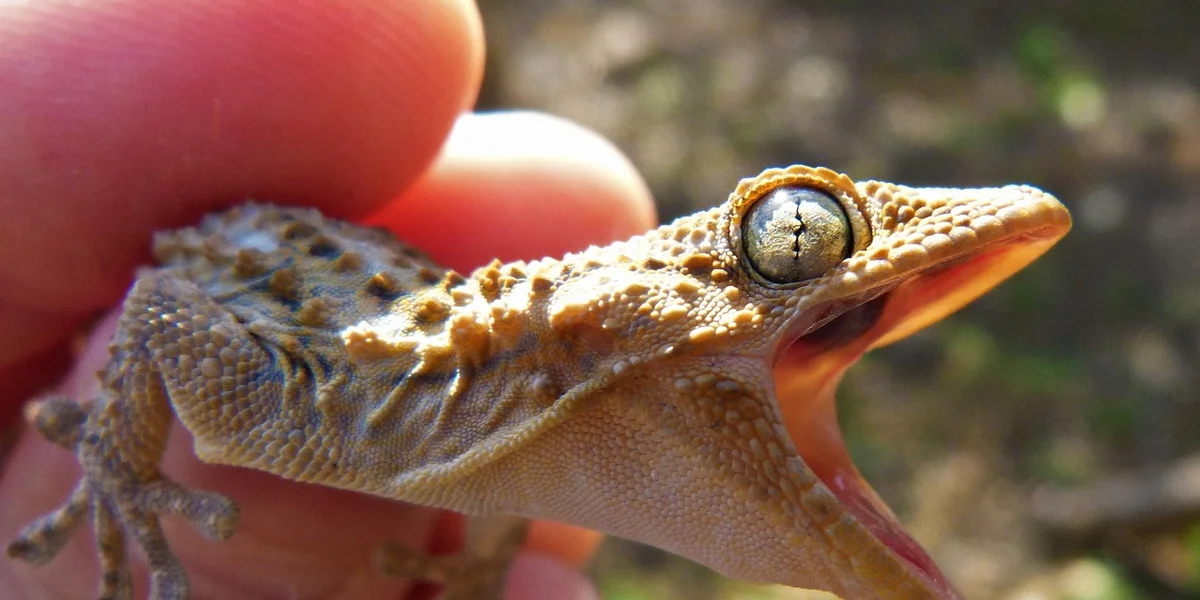
Geckos don’t get aggressive out of spite. Their behavior is a direct reaction to their environment. I saw this firsthand with my Leopard Gecko, Griffey. His “curiosity” often looked like patrolling and lunging at reflections. Most territorial aggression stems from an environment that feels insecure or insufficient. When we improved his setup, that frantic energy faded.
Environmental Stressors
Your gecko’s tank is their entire universe. If that universe is out of balance, they feel vulnerable and react defensively.
- Inadequate Cage Size: A cramped tank offers no retreat. It forces constant confrontation with “threats” like your moving hand.
- Lack of Hiding Spots: Without multiple, secure hides (at least one on the warm and cool side), your gecko has nowhere to feel safe.
- Improper Temperature Gradient: If they can’t properly thermoregulate, they become stressed and irritable. A conflict over the single perfect basking spot is common.
- Incorrect Lighting Cycle: Constant light or an erratic day/night cycle disrupts their natural rhythms and elevates stress hormones.
- Poor Humidity Control: Crested and Gargoyle geckos need higher humidity. Incorrect levels can cause shedding problems and general discomfort that manifests as aggression.
A simple clutter of fake plants and cork bark can break up sightlines and create a much-needed sense of security.
Health-Related Causes
Sometimes, the problem isn’t the cage-it’s the occupant. Pain or illness can make any animal lash out.
- Underlying Pain: Injuries, metabolic bone disease, or impaction cause constant pain. Aggression is a way to stop anything from touching their sore body.
- Parasites: Internal parasites can make a gecko feel unwell and extremely irritable.
- Poor Vision: If a gecko can’t see well, every movement becomes a potential predator, triggering a defensive strike.
This is why a strict quarantine for any new gecko is non-negotiable. A sudden, unexplained change in behavior is your cue to schedule a vet visit, not just rearrange the furniture. You are their advocate, and their welfare depends on you connecting these behavioral dots.
How to Set Up an Enclosure That Calms Aggression
Setting up a gecko’s home correctly can turn a stressed-out pet into a relaxed companion. I learned this firsthand with A-Rod, my African Fat-Tailed Gecko, who used to rearrange his décor out of frustration until I optimized his space. A well-planned enclosure reduces territorial instincts by making your gecko feel secure and in control. These calm, stress-reducing techniques hinge on practical environmental fixes—steady heat, proper humidity, hiding spots, and a clean layout. Implementing them helps your gecko stay calm and responsive. Follow these steps in order to create a calming environment.
- Start with a spacious cage-aim for at least 20 gallons for most species, as cramped spaces heighten aggression.
- Add visual barriers like fake plants or cork bark to break line of sight and prevent “guard” behavior.
- Create multiple hiding spots on both warm and cool sides, using caves or logs to offer escape routes.
Essential Enclosure Elements
Beyond the basics, certain elements are non-negotiable for a peaceful gecko. Maintaining a proper temperature gradient-around 88-90°F on the warm end and 75°F on the cool side-helps regulate mood and digestion. For substrates, I stick to paper towels or slate tiles with A-Rod to avoid impaction risks from loose materials. Escape prevention is key; always use a secure, locking lid to keep your gecko safe and contained, which I’ve found prevents panic-driven aggression.
Enrichment Ideas to Reduce Stress
Boredom can fuel territorial behavior, so enrichment is your best friend. Adding climbing structures like branches or vines mimics natural habits and burns off excess energy. I tweak feeding schedules for my Gargoyle Gecko, Mookie, by hiding insects in different spots to encourage foraging-it taps into his playful, leaping instincts. Rotating toys or introducing new textures weekly keeps their minds engaged and stress levels low.
Daily Management Techniques for Aggressive Geckos
Managing an aggressive gecko day-to-day requires patience and observation. I handle Jeter, my Crested Gecko, in short, gentle sessions to build trust without overwhelming him. Limit socialization to 10-15 minutes daily, and always read your gecko’s temperament—if they puff up or hiss, back off immediately. For a new hatchling, start with even shorter, gentler sessions to avoid stressing its small frame. Always support its body, keep movements slow, and back off at the first signs of stress to socialize your new gecko hatchling safely. Over time, this routine has helped even my feistier geckos mellow out.
Handling Do’s and Don’ts
Proper handling can prevent conflicts and build bonds. Start with gradual acclimation by placing your hand in the enclosure without touching for a few days. Avoid sudden movements that trigger fear, and if a dispute occurs, like a bite or lunge, give your gecko space and check for injuries. I always wash my hands before and after to reduce stress from foreign scents, which keeps interactions predictable and safe.
When to Seek Help: Health and Aggression Links
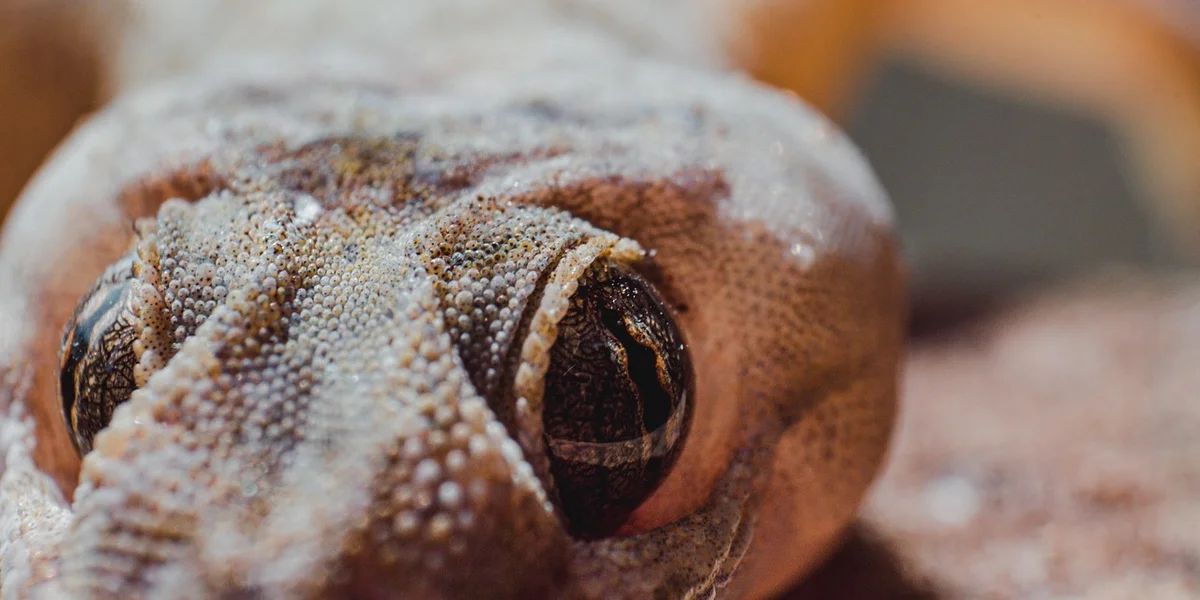
Sometimes, what looks like a bad attitude is actually a cry for help. Sudden aggression in a normally placid gecko is one of the biggest red flags that something is medically wrong. I learned this the hard way when one of my first geckos, usually a sweetheart, started lunging. It wasn’t dominance; it was pain from an unseen impaction.
Use your gecko’s normal behavior as a baseline. My Giant Day Gecko, Babe, is incredibly food-motivated. If he ever refused a cricket, I’d know instantly to investigate. A vet visit is non-negotiable if aggression is paired with other symptoms like weight loss, lethargy, or irregular droppings. Your vet can rule out common issues like parasitic infections, metabolic bone disease, or injuries that cause pain-induced defensiveness. Also, be alert for red-flag signs that your gecko needs urgent veterinary care—sudden lethargy, weight loss, regurgitation, swelling, or breathing trouble. If you notice any of these, seek a reptile-savvy vet immediately.
Monitoring for Red Flags
Ongoing health monitoring is your best defense. Keep a simple journal or mental log of your gecko’s habits. Knowing what normal behavior looks like helps you spot when something’s off. When you’re concerned, compare observed changes to typical gecko behaviors and seek guidance if they persist. Watch for this specific checklist of changes that warrant a professional opinion:
- A sudden refusal to eat or drink for more than a few days.
- Hiding constantly and frantically, especially during their normal active hours.
- Visible weight loss, where their tail becomes noticeably thinner.
- Discharge from the eyes, nose, or mouth, or difficulty shedding.
- Any signs of physical injury, like limping or favoring one side.
Trust your gut. You know your pet’s personality better than anyone, so if their “grumpiness” feels different, it probably is. Proactive care is a cornerstone of true animal welfare.
Long-Term Strategies for a Peaceful Gecko Home
Managing a single gecko’s territory is about respect, not control. The goal is to create an environment so secure that your gecko feels no need to defend it aggressively. This requires a mix of routine, observation, and thoughtful enrichment. A well-designed habitat helps prevent common gecko illnesses. Stable temperatures and proper humidity levels support their health.
I maintain a consistent environment for all my geckos, but I rotate their enrichment. Every few weeks, I’ll swap out a vine for a new branch or introduce a novel, gecko-safe leaf. This small change provides mental stimulation without disrupting the core security of their established territory. It prevents the boredom that can sometimes manifest as territorial pacing or glass surfing.
Patience is not just a virtue; it’s a requirement. Routine observation lets you learn the subtle difference between a gecko guarding its favorite hide and one that is genuinely stressed. For my territorial A-Rod, this means I know not to bother him right after he’s eaten-that’s his designated “me time.”
Building Trust Over Time
Bonding with a territorial gecko is a slow dance. You can’t rush it. The foundation of trust is built on a predictable schedule they can rely on. Feed them at the same time each evening. Turn lights on and off consistently. This predictability tells their reptile brain that the giant hand in the sky is not a threat, but a source of good things.
Understand their scent-marking behavior. They rub their scent glands on surfaces to claim them. When you clean their enclosure, leave one familiar item, like their main hide, unwashed to retain their scent signature. This maintains a layer of familiarity in their clean home.
For handling, start small. I began with my Crested Gecko, Jeter, by simply resting my hand in the terrarium for five minutes a day. Let the gecko initiate contact on their terms, even if it’s just a curious lick. Over weeks and months, these brief, positive interactions build a bridge of trust, transforming their territory from a fortress into a shared space.
FAQs
Can geckos become less territorial over time with consistent care?
Yes, many geckos can learn to feel more secure and show reduced aggression through patient, routine trust-building and environmental adjustments.
Is there a difference in territorial behavior between male and female geckos?
Male geckos often exhibit stronger territorial instincts, particularly during breeding seasons, but individual temperament and species-specific traits also play a role. This nuance is a central focus in the complete guide to understanding gecko behavior, temperament, and care. By comparing species and temperaments, keepers can tailor enrichment and housing to support well-being.
How does the time of day affect a gecko’s territorial responses?
Geckos may be more defensive during their natural active periods, such as dawn or dusk, when they are alert and patrolling their territory.
Final Thoughts on Gecko Aggression
Managing territorial behavior in single-housed geckos centers on creating a secure, enriching habitat with ample hides, consistent routines, and minimal stressors. From observing my leopard gecko Griffey, I learned that a well-structured environment can transform nervous energy into confident exploration. By watching Griffey’s actions—tail flicks, pauses, and approach speed—we can interpret what different movements mean. This understanding helps translate behavior into practical care decisions. Always prioritize their comfort by avoiding sudden changes and providing visual barriers.
Responsible gecko ownership means staying curious and proactive about their evolving needs. I encourage you to keep learning and connecting with other owners, as this ongoing education ensures your gecko thrives under your care. Your dedication makes all the difference in their quality of life.
Further Reading & Sources
- Social experience affects territorial and reproductive behaviours in male leopard geckos, Eublepharis macularius – ScienceDirect
- Leopard Gecko Behavior – Leopard Gecko Habitat
- Promoting Natural Behaviors in Geckos Through Enrichment – IAABC FOUNDATION JOURNAL
The Gecko Guide is your ultimate resource for gecko enthusiasts, providing expert advice and practical tips to ensure the health and happiness of your scaly companions. Alexander is a passionate gecko owner with over a decade of experience in reptile care. We are dedicated to offering accurate, up-to-date information to support your gecko journey.Our mission is to foster a community of responsible gecko owners who are passionate about the well-being of these fascinating creatures.
Behavior and Socialization