
Diagnosing Gecko Aggression: A Step-by-Step Behavioral Checklist
Published on: March 11, 2026 | Last Updated: March 11, 2026
Written By: Alexander 'Gecko Geek' Johnson
Is your gecko suddenly hissing, biting, or acting out of character? You’re not alone, and as someone who’s raised geckos like my calm Jeter and territorial A-Rod, I know how worrying this behavior can feel.
I’ve dealt with my fair share of gecko grumpiness over the years, and I’m here to help you figure it out with a clear, easy-to-follow approach. Here are the key takeaways we’ll cover:
- How to spot the subtle and obvious signs of aggression versus normal gecko behavior.
- A simple step-by-step checklist to identify common triggers in your gecko’s environment and routine.
- Practical, welfare-focused solutions to reduce stress and improve your gecko’s quality of life.
By the end of this guide, you’ll have a solid plan to address aggression calmly and effectively. We’ll dive into: recognizing aggression signs, health check steps, environmental factors, handling adjustments, and when to seek vet care.
What Does Gecko Aggression Really Look Like?
Many new owners mistake normal, curious behavior for aggression. I once saw my leopard gecko, Griffey, freeze and stare intently at my hand. I thought he was being defensive, but he was just intensely curious before deciding to investigate. True aggression is a clear, escalated communication meant to create distance and stop a perceived threat. It involves specific visual and auditory signals you can learn to recognize.
- Tail Flicking: A slow, deliberate side-to-side movement, like a metronome. In leopard geckos, this is a major “back off” warning.
- Hissing: A sharp, exhaled sound. It’s your gecko’s way of saying, “I am not comfortable with this situation.”
- Gaping Mouth: The gecko opens its mouth wide, showing you its full glory. This is a defensive display to make itself look bigger and more intimidating.
Common Aggressive Postures and Sounds
Geckos speak with their whole bodies. Learning this language is the first step to peace.
- Raised Body: The gecko lifts its body high off the ground on all four legs. This makes it appear larger to a potential predator or rival.
- Flattened Stance: Conversely, some geckos will press their bodies flat against a surface. This is a defensive crouch, making them a smaller target and ready for a quick escape.
- Rapid Head Bobbing: This is a dominant, territorial display, common in male crested geckos. It’s the gecko equivalent of pounding its chest.
- Lunging or Charging: The final step before a bite. This is an unmistakable, forward-moving attack meant to drive you away.
Normal Behavior vs. Red Flags
Here’s a quick guide to help you tell the difference, using examples from my own crew.
| Normal Behavior | Aggressive Red Flag |
|---|---|
| Griffey (Leopard Gecko) curiously sniffing your hand. | Griffey flicking his tail and backing away from your hand. |
| Mookie (Gargoyle Gecko) leaping between branches during playtime. | Mookie gaping his mouth and hissing when you approach the tank. |
| Jeter (Crested Gecko) calmly observing you from his perch. | Jeter rapidly bobbing his head when you clean the cage near his favorite plant. |
Step 1: Investigate the Enclosure for Hidden Stressors
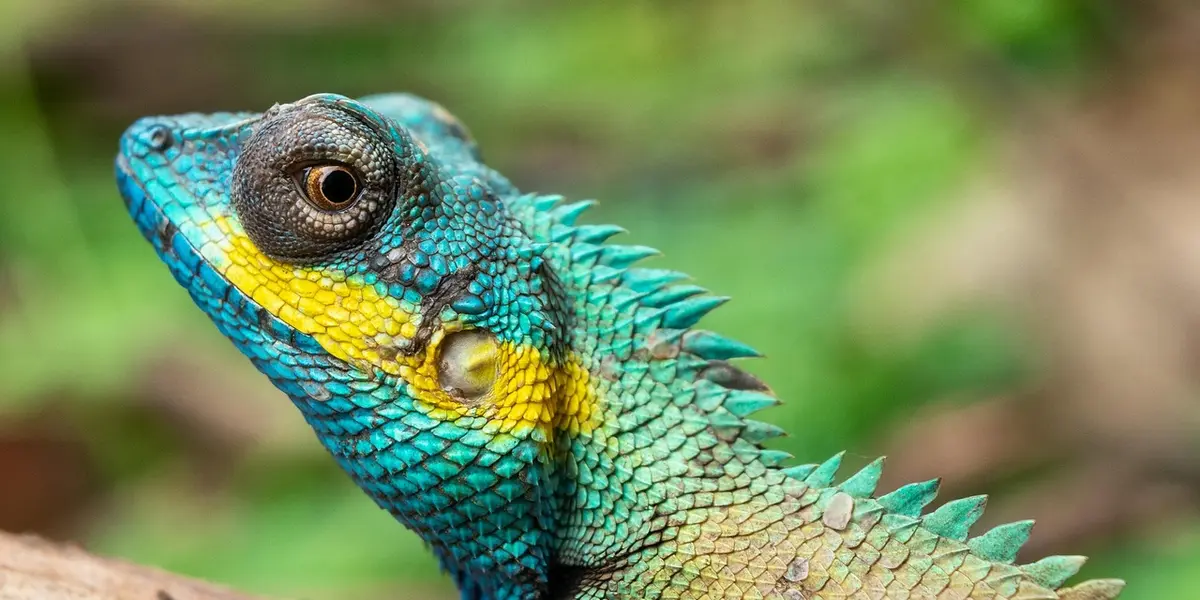
Before you label your gecko as “mean,” you must become a detective in its world. Aggression is almost always a symptom of an underlying problem, and the enclosure is the first place to look. My African Fat-Tailed gecko, A-Rod, used to be surprisingly territorial until I realized his hide was in a high-traffic area of the room. Moving his tank to a quieter spot transformed him.
Walk around your gecko’s home and assess it from their perspective. Is the temperature on the warm side consistently between 88-92°F? Is the cool side around 75°F? Is humidity hitting the right levels for your species? Are there at least two snug, enclosed hides—one on the warm end and one on the cool end? An insecure gecko is a stressed gecko. Humidity doesn’t act alone—the way you heat the enclosure affects humidity levels, and vice versa. Adjust humidity in conjunction with heating to keep your gecko comfortable and secure.
Environmental Stress Checklist
Run through this numbered list. Fixing even one of these issues can dramatically change your gecko’s behavior.
- Check all temperatures with a digital thermometer, not the sticky analog gauges. Is the heat source creating a proper gradient?
- Verify humidity with a digital hygrometer. Is it too dry, making it hard to shed, or too damp, promoting bacteria?
- Count the hides. Are there multiple, fully enclosed options so your gecko never feels exposed?
- Listen to the noise. Is the tank in a room with a constantly blaring TV or slamming doors? Imagine living with that 24/7.
- Observe the light cycle. Is there a consistent day/night cycle, or is ambient room light confusing their schedule?
Territorial Hotspots and Space Issues
Geckos can feel crowded even in a large tank if the space is poorly arranged. Look for competition over key resources, which creates territorial hotspots. Is there only one perfect basking spot? Does one hide seem vastly superior to the others? This forces geckos to compete.
Create visual barriers using plants, cork bark, or other décor to break up the line of sight. This allows a gecko to move around without feeling like it’s constantly on display. If you have multiple geckos, ensure there are multiple food bowls, multiple favored basking areas, and plenty of room to get away from each other. Cohabitation is a major source of chronic stress and aggression for most species.
Step 2: Rule Out Underlying Health Problems
Think of a gecko’s aggression as their only way to cry for help. When they feel pain or sickness, they can’t tell you, so they hiss, bite, or flee. These are defensive gecko behaviors—[hissing, barking, and biting](https://thegeckoguide.com/hissing-barking-and-biting-understanding-defensive-gecko-behaviors)—that signal distress. Understanding them helps you respond with care rather than frustration. I learned this the hard way with my Giant Day Gecko, Babe. His normally bold, food-motivated personality turned into a reclusive, snappy mess. A vet visit revealed a minor parasitic infection causing him internal discomfort. His “aggression” vanished completely after treatment, proving it was a pain response, not a behavioral issue.
Physical Symptom Check
Before you label your gecko as mean, do a quick visual health scan. Look for these physical red flags that often correlate with high stress and elevated cortisol levels. These signs are often linked to the gecko’s environment—temperature, humidity, lighting, and enclosure setup can influence stress. If the habitat isn’t right, behavior can change as a response.
- Sudden weight loss or a noticeably thin tail
- Stuck shed, especially on toes or around the eyes
- Sunken eyes or a lack of skin elasticity
- Lethargy and refusing to move from one spot
- Discharge from the nose, mouth, or eyes
- Swollen joints or difficulty walking
These physical signs are your gecko’s primary language-ignoring them can let a treatable condition become severe.
When Sickness Masks as Aggression
Many common gecko illnesses directly impact mood. Metabolic Bone Disease (MBD) causes bone pain, making any handling excruciating. Respiratory infections leave them feeling vulnerable and irritable. Impaction creates constant gut discomfort. I now do a proactive weekly health check on all my geckos, inspired by Babe’s scare. I gently look them over during feeding time, ensuring I catch any subtle changes before they escalate into behavioral problems.
Step 3: Decode the Aggressive Behavior Triggers
Aggression is almost always a reaction to something. Your job is to become a detective and figure out the “why.” This means observing not just the aggressive act, but everything that happened in the minute leading up to it. Watch their tolerance for handling and their reaction to sudden movement outside the tank-these are common flashpoints.
Behavioral Observation Log Setup
Guessing leads to frustration. Logging leads to answers. Keep a simple notepad near your gecko’s enclosure and track every incident for one week. Your log should capture this information.
- Date & Time: Was it day or night? During a feeding?
- Preceding Action: Did you reach in? Did another pet walk by?
- Gecko’s Response: Did they hiss, bite, tail wave, or flee?
- Recovery Time: How long did it take for them to calm down?
This log transforms random events into a clear, actionable data set you can analyze.
Identifying Trigger Patterns
After a week of logging, patterns will emerge. My Gargoyle Gecko, Mookie, used to make these frantic leaps whenever I moved my hand too quickly during feeding. The log showed it wasn’t aggression-it was over-excitement mixed with a startle reflex. By connecting the behavior (leaping) to the cause (fast hand movement during feeding), I adjusted my approach and the behavior stopped. Look for your own connections. Does aggression only happen in the evening? That’s a circadian rhythm clue. Only when you wear a certain color? That’s a visual trigger. The log makes the invisible, visible.
Step 4: Evaluate Social and Territorial Dynamics
Many new owners think geckos enjoy company, but most are solitary by nature. Forcing cohabitation often creates a constant, low-grade war in your terrarium. I learned this the hard way when I briefly housed my Crested Gecko, Jeter, with another. You must treat each gecko as an individual with its own need for personal space.
Signs of Social Stress in Groups
Watch for these specific warning signs that your geckos are not getting along. My gecko A-Rod, for instance, would immediately show these behaviors if his space was compromised.
- One gecko consistently guarding the food dish, preventing others from eating.
- A subordinate gecko is always hiding and rarely emerges, even at night.
- Observing bite marks or nip wounds on tails, toes, or flanks.
- Vocalizations like chirping or squeaking during encounters.
- Rapid tail waving or twitching, a clear sign of agitation and a potential prelude to a bite.
In contrast, my gecko Jeter is calm and confident because he lives alone. A peaceful gecko explores its entire enclosure and displays relaxed, open body language.
When to Consider Separation
Do not wait for a serious injury. Separate your geckos immediately if you see any of the following.
- Any visible injury, no matter how small. A bite can quickly lead to a dangerous infection.
- A significant size difference where one gecko is clearly dominant and the other is losing weight.
- Constant chasing or cornering, where one animal cannot escape the other’s attention.
- One gecko is consistently stressed, refusing food and showing dull coloration.
Here is my step-by-step guide for a safe separation.
- Prepare a second, fully-equipped enclosure in a different room if possible.
- Wash your hands thoroughly between handling geckos to transfer no scents.
- Gently move the more stressed or bullied gecko into the new home.
- Do not reuse any décor from the original tank in the new one to prevent scent-driven stress.
- Monitor both geckos closely for the next 48 hours for signs of relief, like increased appetite and activity.
A peaceful separation is not a failure in pet care; it is a responsible success for their welfare.
Immediate Mitigation Strategies for Aggression
While you work on a long-term solution, you can take steps right now to de-escalate the situation. Quick action can prevent a minor spat from turning into a harmful fight.
Safe Handling and Interaction Tips
I’ve been nipped by my food-motivated Giant Day Gecko, Babe, more than once. These dos and don’ts are born from that experience.
- DO approach from the side and below their line of sight, never from above like a predator.
- DO move slowly and deliberately. Let the gecko see your hand before you attempt to touch it.
- DON’T try to handle a gecko that is already showing signs of stress like hissing or tail twitching.
- DON’T grab or restrain them. Let them walk onto your open palm on their own terms.
- DO keep handling sessions very short-just 5-10 minutes-especially with a nervous gecko.
- DON’T handle your gecko during the day when it is naturally sleeping. Interact during its active evening hours.
Patience and respect for their boundaries will build trust far faster than forced interaction.
Quick Enclosure Fixes to Calm Stress
Sometimes, a small change in the tank can make a huge difference. My Gargoyle Gecko, Mookie, used to glass-surf until I made these simple adjustments.
- Add visual barriers. Use fake or safe live plants, cork bark rounds, and paper backgrounds on three sides to make the space feel more secure.
- Increase the number of hides. The rule is at least three: one humid, one warm, and one on the cool side. More is always better.
- Check your temperature gradient. An incorrect heat gradient can make a gecko irritable. Ensure your warm spot is not too hot and your cool end is truly cool.
- Adjust light cycles. If the room is very active at night, consider moving the enclosure or ensuring it gets a solid 12 hours of darkness.
- Rearrange the décor. Sometimes just moving things around creates a “new” territory that can reset territorial behaviors.
A cluttered tank is a happy tank; it provides security and breaks up lines of sight that cause stress. I watched Mookie’s leaping go from frantic to playful almost overnight after I added more vines and foliage.
Long-Term Prevention and Behavior Modification
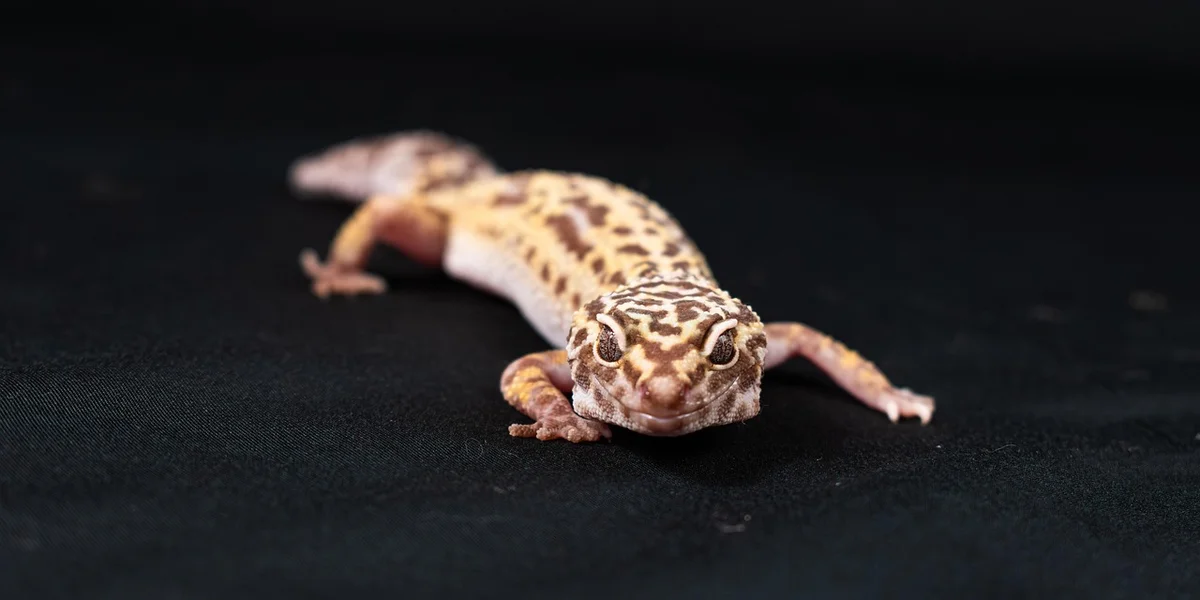
Fixing aggression isn’t a quick switch you flip. It’s a slow, steady process of rebuilding trust and reshaping your gecko’s environment to make them feel secure. You must be more patient than your gecko is stubborn. Territorial behavior can drive aggression, and for many geckos, single housing helps prevent clashes. Managing space to honor their territory is a key part of reducing stress and improving behavior.
Enrichment Activities to Reduce Boredom
A bored gecko is often a stressed gecko, and stress fuels aggression. You need to engage their brains and bodies. I saw a huge change in my gecko, Griffey, once I stopped his predictable routine. You can always spot the signs of a bored gecko and fix it before it turns into a behavior problem.
- Climbing Variety: Rotate different vines, cork rounds, and magnetic ledges every few weeks. My crested gecko, Jeter, spends hours exploring a new branch arrangement.
- Foraging Fun: Don’t just drop food in a bowl. Use a feeding ledge or place worms in a clean, shallow bottle cap hidden under some foliage. This makes them “hunt.”
- Textural Changes: Swap out background substrates or add a new, safe rock structure. The new smells and surfaces provide mental stimulation.
- Supervised Exploration: In a completely secure, gecko-proofed room, let your gecko have supervised time outside the terrarium. Watch them like a hawk!
Enrichment isn’t just about toys; it’s about mimicking the challenges and discoveries they’d encounter in the wild.
Building Trust Through Routine
Geckos thrive on predictability. Sudden changes tell their lizard brain that danger is near. I learned this with my African Fat-Tailed, A-Rod, who was a real grump. This is the kind of insight you’ll find in a complete guide to understanding gecko behavior and temperament. Recognizing these cues helps you anticipate moods and tailor care for a calmer terrarium.
His aggression didn’t vanish overnight. I started a strict routine: feeding at the same time each evening, performing tank maintenance on the same days, and spending five minutes just sitting with my hand resting calmly in his terrarium. No grabbing, no sudden movements.
For weeks, he just watched me. Then, one day, he sniffed my finger. That was our breakthrough. Consistency signals safety, and from safety, trust can finally grow.
When to Seek Professional Reptile Veterinary Help
Sometimes, your best efforts at home aren’t enough. You must recognize when a behavior is a symptom of a deeper medical issue that requires a professional diagnosis. Your gecko’s life could depend on it.
- Aggression that suddenly appears in a normally docile gecko.
- Any aggression paired with other symptoms like weight loss, lethargy, or stuck shed.
- Your gecko is actively trying to bite you or other geckos, causing injury.
- The behavior continues for more than two weeks despite all your environmental and routine adjustments.
Persistent, unexplained aggression is a red flag that demands a vet’s expertise. I never hesitate with my crew; their health comes first.
Preparing for the Vet Visit
Walking into a vet appointment prepared helps you get the most out of it. Here’s what I always bring for my geckos.
- A recent, clear photo of their setup, including temperatures and humidity levels.
- A fresh stool sample, if possible, for parasite testing.
- A list of their exact diet and supplement schedule.
- A small, secure carrier lined with a paper towel.
Ask the vet these key questions: Could this be pain-related? Are there any deficiencies causing this? What is the follow-up plan? A good reptile vet will welcome your detailed questions.
Interpreting Veterinary Advice for Behavior
The vet’s job is to diagnose; your job is to execute the care plan at home. If the vet suspects pain, you may need to administer medication.
Be precise with dosages and timing, and watch for any changes, good or bad. When my Giant Day Gecko, Babe, was acting off, the vet found a minor vitamin imbalance. We adjusted his supplement routine, and I had to log his behavior daily to track progress.
Follow-up care is where the real healing happens, transforming clinical advice into a happy, healthy pet. Always report back to your vet-they are your partner in this.
FAQs
Is gecko aggression more common in specific species or genders?
Male geckos, particularly in territorial species like crested geckos, often exhibit higher aggression levels, especially during breeding seasons. In our crested gecko behavior body language ultimate guide, we decode these signals and explain what they reveal about mood and intent. This guide covers postures, tail flicks, vocalizations, and other cues to help you read their behavior.
How should I handle introducing a new gecko to avoid aggression?
Always quarantine new geckos first and introduce them gradually in a neutral space while monitoring for stress signals to prevent conflicts. Following a complete gecko quarantine protocol (optional alternative: day-by-day safety checklist) helps ensure consistent monitoring and care. This approach also helps catch issues early and keep both geckos and caregivers safe.
What steps should I take if my gecko’s aggressive behavior continues after implementing the checklist?
Consult a reptile veterinarian to rule out hidden medical issues, as persistent aggression may stem from pain or illness not resolved by environmental adjustments.
Final Words
Getting to the bottom of your gecko’s behavior means being a patient detective. Systematically work through the checklist of potential triggers, from enclosure setup and handling routines to underlying health concerns, to find the real root of the issue. This is the ultimate gecko health troubleshooting checklist—a step-by-step diagnostic guide to identify issues and plan precise care. Follow the guide to log symptoms, assess changes, and verify improvements with each step.
Remember, a calm gecko is a sign of a well-cared-for pet. Your commitment to understanding their unique language and providing a safe, enriching home is the foundation of a trusting, long-term bond. Keep learning, stay observant, and always advocate for their well-being. By learning to interpret your gecko’s mood, you can plan safer handling sessions and reduce stress for both of you. This awareness helps you know when to handle and when to give space.
Further Reading & Sources
- How to Handle Leopard Geckos and Understand Their Body Language? – Leopard Gecko Care
- Leopard Gecko Behaviors and Their Reasons – Care Guides For Pet Lizards
- Why Is My Crested Gecko Aggressive and Biting? – Care Guides For Pet Lizards
The Gecko Guide is your ultimate resource for gecko enthusiasts, providing expert advice and practical tips to ensure the health and happiness of your scaly companions. Alexander is a passionate gecko owner with over a decade of experience in reptile care. We are dedicated to offering accurate, up-to-date information to support your gecko journey.Our mission is to foster a community of responsible gecko owners who are passionate about the well-being of these fascinating creatures.
Handling & Behavior Signs