
How to Safely Give Your Gecko Medicine
Published on: March 24, 2026 | Last Updated: March 24, 2026
Written By: Alexander 'Gecko Geek' Johnson
Seeing your gecko sick is scary, and the thought of having to give it medication can feel completely overwhelming. You’re worried about hurting your tiny friend, stressing them out, or doing it wrong. I’ve been there with my own geckos, and I know that pit-in-your-stomach feeling.
Don’t panic. I’m going to help you through this step-by-step. By the end of this guide, you’ll understand the key principles for safe and effective medication administration, which are:
- The right handling and restraint techniques to keep you and your gecko safe.
- How to correctly measure and deliver liquid medication or other forms.
- Recognizing your gecko’s stress signals and keeping the process calm.
You will get clear, practical advice that I’ve used myself with my own pets, like my high-energy leopard gecko, Griffey. We will cover: preparation and tools, safe handling and restraint, oral medication techniques, topical and injectable medication, and post-medication care.
Understanding Gecko Medication and Dosage
Your vet will typically prescribe one of two main types of medication. Oral medications are given by mouth, often as a liquid. Topical treatments are applied directly to the skin, like on a wound or for certain parasites. Vet guidance is non-negotiable because a medication that helps one animal can be a death sentence for a gecko; their metabolisms are incredibly unique.
Dosage is almost always calculated by weight, and species matters immensely. My leopard gecko, Griffey, once needed medication, and I learned this the hard way. I misread the scale and gave a dose for 60 grams to my 50-gram gecko. The resulting lethargy was terrifying. Always use a digital scale that measures in grams, and double-check your math with your vet-a tiny decimal point makes a huge difference.
Medications come in different formulations. The liquid suspension is most common for oral doses. Sometimes, a vet will need a compounding pharmacy to create a much weaker concentration. This is often necessary because a gecko’s dose is so small that accurately drawing it up from a standard-strength bottle is nearly impossible.
Preparing for Safe Medication Administration
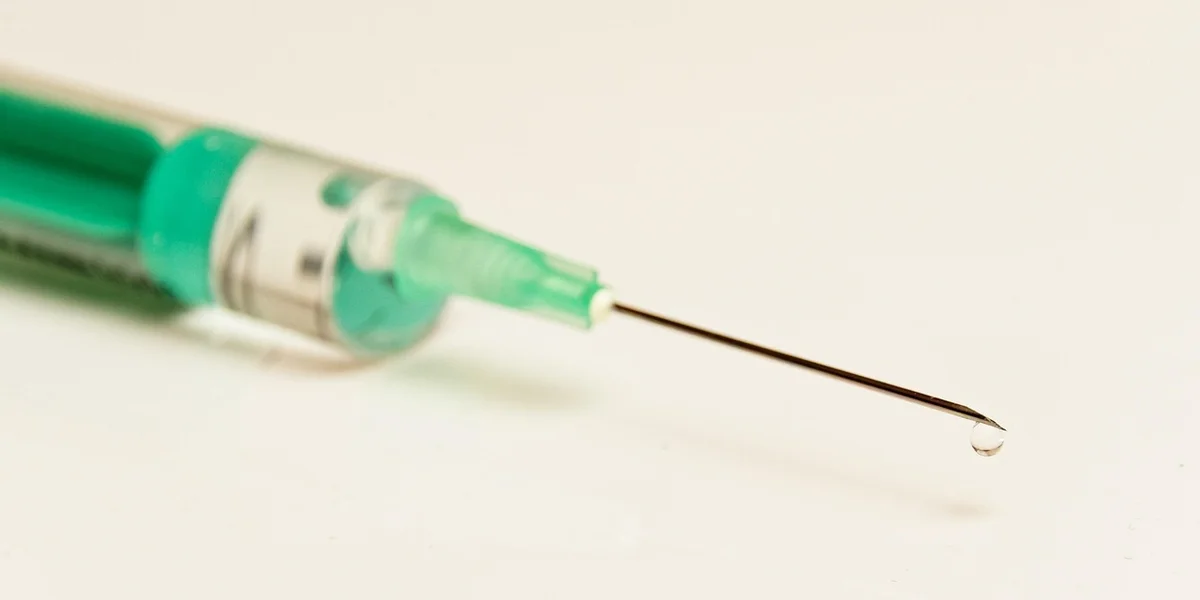
Gathering your tools beforehand is critical for a smooth process. You will need:
- Insulin syringes (without the needle) for the most precise liquid measurements.
- Small, soft-tipped droppers for topical applications.
- Paper towels and a reptile-safe disinfectant.
Sanitize everything before and after each use to prevent introducing harmful bacteria when your gecko’s immune system is already compromised.
The environment you create can make or break the experience. I’ve found my crested gecko, Jeter, is far more cooperative when I:
- Handle him in a quiet room with minimal foot traffic.
- Place a small towel on my lap to provide a secure, non-slip surface.
- Work on a low surface, like a table, in case of a surprise leap.
A calm handler leads to a calmer gecko, which drastically reduces the risk of injury for both of you.
Proper storage keeps the medication effective and safe. Always follow the label, but generally:
- Refrigerate if instructed-this is common for many liquid antibiotics.
- Keep all medications in a dark place, away from direct light and heat sources like terrarium lamps.
- Mark the bottle with the expiration date so you know when to safely discard it.
Using expired or improperly stored medicine is like giving your gecko water-it provides zero benefit and wastes critical treatment time.
Step-by-Step Oral Medication Technique
-
Gather a small oral syringe or dropper and the prescribed medication. Measure the dose precisely by drawing liquid to the exact line on the syringe-this prevents under or overdosing your gecko. Hold your gecko gently but firmly in one hand, supporting its body fully. If you’re treating for a condition like impaction, ensure you’re following special care guidelines.
-
Slowly bring the syringe toward the side of your gecko’s mouth, not the front. Aiming for the gap between the upper and lower jaw on the side helps the liquid slide in without risking inhalation. I learned this with Griffey, who would jerk his head if I came straight on; side-approach kept us both calm.
-
If your gecko clamps its mouth shut or wriggles free, pause immediately. Never force the syringe, as this can injure their delicate jaw or cause stress. Set them back in their enclosure for a few minutes, then retry when they’re settled-A-Rod taught me patience pays off with stubborn geckos.
Alternative Administration Methods
-
Mix liquid medication into a small amount of their favorite food. For insect-eating geckos like leopard or fat-tailed species, gut-loaded crickets or mealworms coated in meds work well. Frugivorous types, such as crested or gargoyle geckos, often accept it blended into fruit puree or powdered diet.
-
My gecko Babe, a food-motivated giant day gecko, eagerly licked up antibiotic-laced fruit mash. Jeter, my crested gecko, preferred his calcium supplement mixed into repashy gel-he’d eat every bit without a fuss. Mookie even took her vitamins on roaches she’d chase down!
-
Use food mixing only if your vet confirms the medication remains effective and stable. Oral syringe dosing is non-negotiable for drugs that require exact amounts or taste too bitter to mask. Always monitor to ensure the full dose is eaten; if not, you may need to switch back to direct oral methods.
Gentle Handling and Restraint
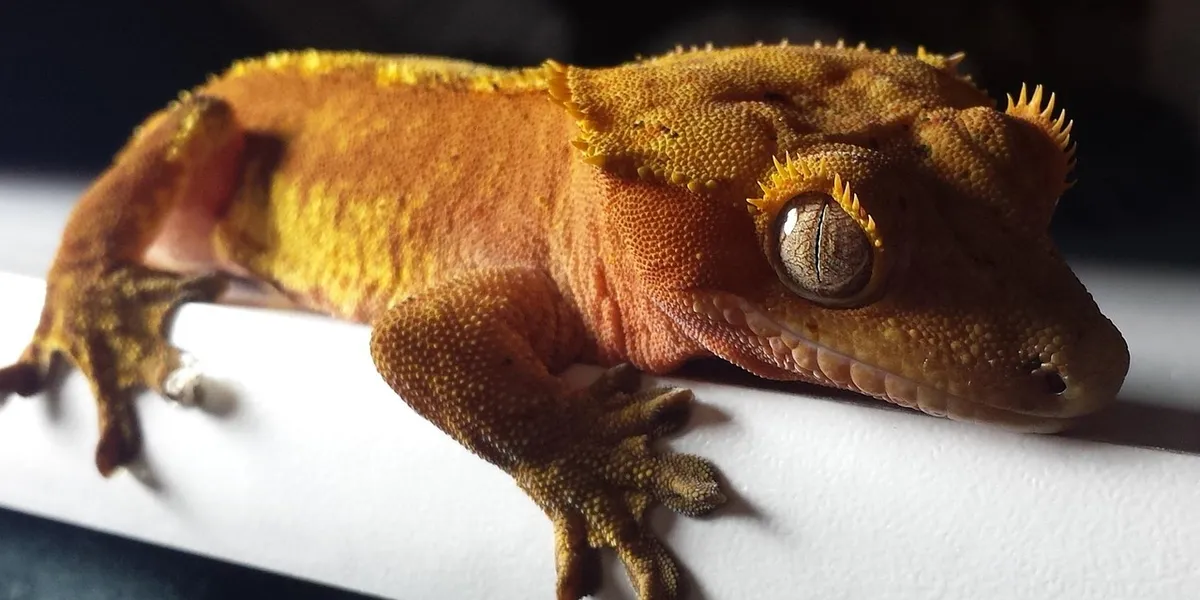
Handling your gecko for medication can feel scary, but gentle restraint keeps everyone safe. Always use both hands to fully support their body and legs, avoiding any pressure on the tail or belly. I gently cup my geckos in my palms or use a soft, clean cloth to create a cozy wrap that minimizes squirming. Handling sick or injured geckos requires even more care and attention.
With practice, even wary geckos can learn to relax. My Crested Gecko Jeter used to dart away, but after weeks of slow, positive handling sessions, he now calmly perches on my finger during check-ups. Similarly, my energetic Leopard Gecko Griffey has stopped tail-twitching when I approach him for medicine—proof that patience pays off. These moments illustrate crested gecko body language, a focus of my ultimate guide. Reading these signals makes handling safer and more rewarding.
Watch closely for stress signals—your gecko will tell you when they’ve had enough. Signs of distress include rapid breathing, frantic attempts to escape, color darkening, or tail vibrating. Knowing the difference between stress signals and normal behavior helps you respond appropriately. Normal gecko behavior is usually calm and exploratory, while the signs above point to stress. If you see these, stop immediately and try again later in a quieter setting.
Post-Medication Care and Monitoring
After giving medicine, your job shifts to watching for any odd reactions. Check for side effects like lethargy, loss of appetite, vomiting, or trouble moving-these could signal toxicity. If your gecko becomes unresponsive, has seizures, or struggles to breathe, contact your vet right away.
Keeping detailed records helps you spot patterns and avoid dosage mistakes. I use a simple notebook to log the date, time, medication dose, and how each gecko behaves afterward. This also helps keep accurate health lineage records for your geckos. You can track responses over time and notice hereditary trends. For example, I noted that my Giant Day Gecko Babe often naps after his antibiotic, which is normal for him.
My daily post-med routine is quick but thorough. Each morning, I peek into each terrarium to see if they’re basking, climbing, or eating like usual. I gently offer a favorite treat-like repashy for Jeter-to gauge their interest. This habit caught early weight loss in my Gargoyle Gecko Mookie once, so now I never skip it.
FAQs
Can I use human medication for my gecko if I can’t reach a vet?
Never use human medication for geckos, as it can be toxic or fatal due to their unique metabolism, and you should always consult a reptile-savvy veterinarian for proper treatment.
What should I do if I accidentally overdose my gecko?
Contact your veterinarian or an emergency reptile clinic immediately for guidance, as an overdose can cause severe health issues like lethargy or organ damage.
How can I tell if the medication is working?
Look for improvements in your gecko’s behavior and symptoms, such as increased activity, normal eating habits, and the resolution of the original health issue over time. This ties into the ultimate gecko health troubleshooting checklist and the step-by-step diagnostic guide. Use it to monitor progress and spot any ongoing concerns.
Is it necessary to complete the full course of medication even if my gecko seems better?
Yes, always finish the entire prescribed course to ensure the infection or condition is fully eradicated and prevent relapse or antibiotic resistance.
What are the signs of an allergic reaction to medication in geckos?
Watch for symptoms like swelling, hives, difficulty breathing, or sudden lethargy, and seek veterinary care right away if any of these occur.
Final Words
Getting your gecko to take its medicine boils down to three things: a gentle touch, the right tools, and a whole lot of patience. Use a small, blunt-tipped syringe for accuracy, go slow to prevent stress, and always reward your pet’s bravery with a calm return to its cozy home. If your gecko is sick, quarantine it properly to protect others.
Being a great gecko owner means committing to lifelong learning about their unique needs. Your dedication to learning these skills, from administering medication to perfecting their habitat, is what truly defines a responsible and caring pet guardian. Keep exploring resources like our care guides here at `{website_name}` to ensure your scaled friend thrives for years to come.
Further Reading & Sources
- Gekko gecko extract attenuates airway inflammation and mucus hypersecretion in a murine model of ovalbumin-induced asthma – PubMed
- Gekko gecko extract attenuates airway inflammation and mucus hypersecretion in a murine model of ovalbumin-induced asthma – ScienceDirect
- Medicinal use of Gekko gecko (Squamata: Gekkonidae) has an impact on agamid lizards
The Gecko Guide is your ultimate resource for gecko enthusiasts, providing expert advice and practical tips to ensure the health and happiness of your scaly companions. Alexander is a passionate gecko owner with over a decade of experience in reptile care. We are dedicated to offering accurate, up-to-date information to support your gecko journey.Our mission is to foster a community of responsible gecko owners who are passionate about the well-being of these fascinating creatures.
Gecko Health