
How to Tell if Your Leopard Gecko is Male or Female: A Complete Guide
Published on: April 3, 2026 | Last Updated: April 3, 2026
Written By: Alexander 'Gecko Geek' Johnson
Are you staring at your leopard gecko, completely stumped on whether it’s a male or female, and worried you might make a mistake that impacts their health or happiness? I’ve been there with my own geckos, like my high-energy boy Griffey, and I know how confusing it can feel at first.
Let me ease your mind. I’ll walk you through the simple, reliable methods I use to sex my geckos, so you can do it with confidence. You will learn:
- How to spot the distinct pre-anal pores that males develop
- The clear visual of hemipenal bulges at the tail base
- Key behavioral clues that hint at their sex
You are about to get straightforward, actionable advice that takes the guesswork out of gecko gender. Topics covered include: ideal age for sexing, physical examination steps, behavioral observations, handling for inspection, and troubleshooting tricky cases.
What is Sexual Dimorphism in Leopard Geckos?
Sexual dimorphism simply means the physical differences between males and females of a species. In leopard geckos, these differences are not always obvious at a glance, especially when they are young. You need to know exactly where to look.
My gecko, Griffey, showed no clear signs for the first few months. It was a waiting game. Unlike some birds or mammals, a leopard gecko’s sex isn’t determined by color or pattern. You must examine their underside.
Physical Traits for Sexing Leopard Geckos
The key to identifying your gecko’s sex lies in a small, but very distinct, area on their belly near the tail base.
Hemipenal Bulges and Cloacal Opening
The most reliable method involves looking for hemipenal bulges. These are two distinct bulges on the underside of the tail, just behind the vent (the cloacal opening).
- Males have two pronounced, V-shaped bulges that run parallel to each other.
- Females have a flat area with no bulges. You will only see the single cloacal slit.
When Griffey was about seven months old, I finally spotted those two little bumps. It was a clear confirmation he was a boy.
Preanal Pores and Femoral Pores
Males also possess a row of specialized pores that form a V-shape in front of the vent. These preanal and femoral pores secrete waxy substances used for scent marking.
- Males have a very distinct, dark V-shaped row of pores.
- Females may have these pores, but they are typically faint, light in color, and very hard to see.
Seeing that dark, chevron-shaped line of pores was the final piece of the puzzle for identifying my male gecko. It’s a definitive sign you’re looking at a boy.
Age and Size in Sexual Differentiation
You cannot accurately sex a hatchling leopard gecko. They all look female for the first several weeks of life.
- 5-6 Months: The first subtle signs may begin to appear in some early-maturing males.
- 6-12 Months: This is the prime window for sexing. By one year of age, the characteristics are almost always fully developed and obvious.
- Weight Matters: A gecko that is underweight or stunted may not show sexual characteristics on time. Proper nutrition is critical for healthy development.
Step-by-Step Guide to Sexing Your Leopard Gecko
Follow these steps carefully for a stress-free and accurate examination.
Safe Handling for Physical Examination
Your gecko’s comfort and safety are the top priority.
- Choose a time when your gecko is calm, perhaps in the evening when they are naturally more active.
- Sit over a soft, secure surface like a bed or a cushioned table in case of a squirm-induced fall.
- Gently scoop them up, supporting their entire body.
- With one hand, hold their upper body and shoulders securely.
- With your other hand, gently lift their tail and hind legs to expose the belly.
Never hold your gecko upside down for prolonged periods, as this can cause them stress. The inspection should only take a moment.
Visual Inspection of the Tail Base and Vent Area
Focus your eyes on the area where the tail meets the body. Look for the vent, which is a small horizontal slit. Now, look just behind it, at the very base of the tail on the underside.
This is the money spot. This small patch of skin holds all the answers you are looking for. Good, bright lighting is essential to see the details clearly.
What to Look For: Male vs Female Indicators
Here is a quick comparison to guide your inspection.
| Feature | Male | Female |
|---|---|---|
| Hemipenal Bulges | Two prominent, rounded bulges behind the vent. | No bulges; the area is flat. |
| Preanal Pores | A dark, distinct V-shaped row of pores before the vent. | Pores are faint or invisible; no V-shape. |
| Cloacal Opening | Bulges can sometimes make the vent look more prominent. | A single, simple slit with no surrounding bulges. |
If you see both the bulges and the dark pore line, you definitely have a male. A female will present a smooth, bulge-free landscape with just the vent visible. If you’re still unsure, wait a month and try again. Patience is a virtue in gecko keeping.
Can You Sex a Juvenile Leopard Gecko?
Challenges in Juvenile Sexing
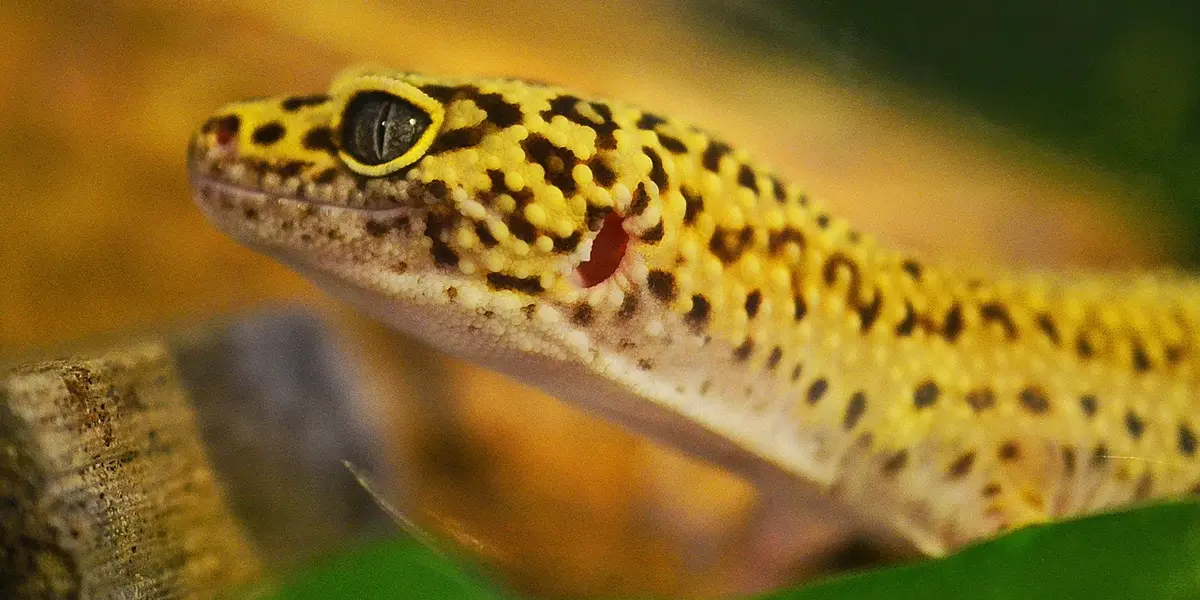
Sexing a baby leopard gecko feels like trying to read a book with half the pages missing. The physical clues just aren’t there yet. Juvenile geckos lack the developed pre-anal pores and hemipenal bulges that make adult sexing straightforward. Their tiny size and underdeveloped anatomy mean even experts can get it wrong.
I remember when Griffey, my leopard gecko, was just a few months old. I spent hours squinting at his underside, convinced I saw something, only to realize it was wishful thinking. This uncertainty is why many breeders and vets advise waiting until they hit 20-30 grams in weight.
- Undefined pre-anal pores: They appear as faint dots or are invisible.
- No visible hemipenal bulges: The area looks smooth in both sexes.
- High error rate: Guessing can lead to surprises later on.
Signs of Maturation and Age at Maturity
Patience is your best friend here. Leopard geckos typically reach sexual maturity between 6 to 12 months of age. You’ll start seeing clear signs as they approach 5-6 inches in length and gain substantial body mass. In captivity, maintaining a regular day-night cycle is important for geckos, as they are nocturnal but still benefit from consistent light and dark periods. Understanding these cycles helps regulate their feeding and activity. It’s like watching a flower bloom—slow but rewarding.
With Griffey, I noticed his pre-anal pores becoming more pronounced and a slight bulge developing around 8 months. Males show a V-shaped row of pores above the vent, while females have little to no visible pores. Females might also develop a wider abdomen if gravid, but that comes later.
- Monitor weight: Aim for 30+ grams for reliable sexing.
- Check for pores: Use a magnifying glass if needed.
- Look for bulges: Males have two distinct bumps at the tail base.
Behavioral Cues: Male vs Female Leopard Geckos
Common Behavioral Differences
Behavior can give you hints, but it’s not foolproof. Males often act more territorial and assertive. Male leopard geckos might tail-rattle, vocalize, or even nip when feeling challenged. My guy Griffey loves to strut around his tank like he owns the place-classic male confidence.
Females tend to be calmer and more tolerant of handling. Females rarely engage in territorial disputes and are generally more laid-back. However, every gecko has a unique personality, so use this as a guide, not a rule.
- Males: More likely to explore and mark territory.
- Females: Often prefer hiding and steady routines.
- Breeding season: Males become more active and vocal.
Impact on Captive Care and Housing
Knowing the sex affects everything from tank mates to feeding schedules. Housing multiple males together is a recipe for stress and injury-they will fight. I learned this the hard way early on and now advocate for solitary setups or female-only groups.
Females can sometimes cohabitate peacefully, but always monitor for bullying. Provide plenty of hides and space to reduce competition, regardless of sex. Your gecko’s well-being depends on a stress-free environment.
- Single housing: Best for males to prevent aggression.
- Group setups: Only consider with females and ample room.
- Enrichment: Adjust hides and climbing spots based on behavior.
Breeding Season and Reproductive Health
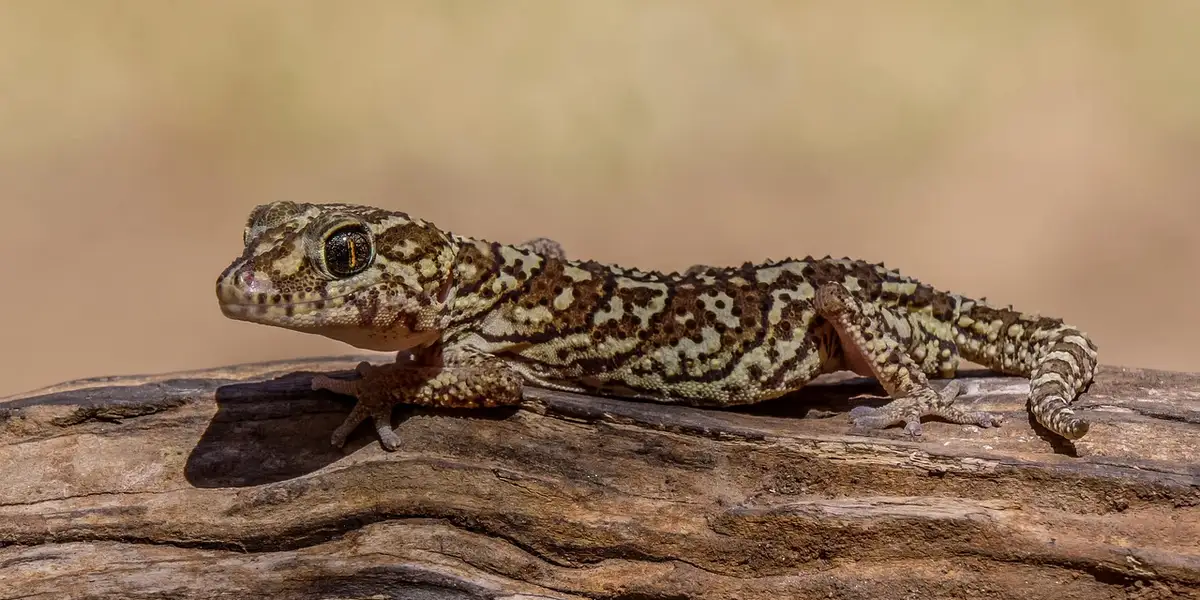
Breeding season can turn your calm gecko into a bundle of hormonal energy, and it often makes sex-based behaviors more obvious. My gecko, Griffey, gets a burst of what I call “exploratory zest” during this time, which is a common sign of a healthy male. Understanding these seasonal shifts is key to managing their health. When you incubate leopard gecko eggs, temperature influences the sex of the hatchlings; while genetics largely determine sex, keeping stable, appropriate incubation temperatures supports healthy development.
Identifying Breeding Readiness
You can’t just put two geckos together and hope for the best. You need to confirm they are physically and behaviorally ready.
- Age and Weight: A female should be at least one year old and weigh a solid 45-50 grams. A lightweight gecko will struggle.
- Visual Cues in Females: Look for a pinkish, swollen abdomen. You might even see small, round follicles through her belly skin, which look like marbles.
- Behavioral Cues in Males: Males become more active and may show increased interest in their surroundings. They might also perform a subtle, vibrating tail shake.
- Pre-Breeding Conditioning: Both sexes need a top-tier diet for a month beforehand. I boost their feeders with extra vitamins and calcium.
Handling Egg-Laying and Potential Issues
If your female has been with a male, assume she is gravid (carrying eggs). Her care needs to change immediately.
- Provide a Lay Box: This is non-negotiable. Fill a small hide with moist sphagnum moss or vermiculite. She needs this damp, diggable space to lay her eggs safely.
- Watch for Egg-Binding (Dystocia): This is a life-threatening condition where she cannot pass the eggs. Signs include lethargy, loss of appetite, and visible straining for more than a day.
- Post-Laying Care: She will be exhausted and calcium-depleted. Offer her plenty of food and dust heavily with calcium. I always offer a few waxworms as a high-fat treat for my girls after this huge effort.
When to Seek Professional Help for Sexing
Sometimes, our best efforts at home just aren’t enough. There is zero shame in calling in a professional. Getting a definitive answer is always better than guessing and facing a surprise clutch of eggs.
Cases Requiring a Vet Check
You should schedule a vet appointment in these specific situations.
- Juvenile Geckos: If your gecko is under six months and you need to know its sex for future housing plans, a vet can often provide a more educated guess.
- Overweight Geckos: A large fatty tail can completely obscure the pore and bulge area, making visual identification impossible.
- Suspected Health Issues: If you see swollen hemipenal bulges, prolapsed tissue, or impacted femoral pores, this is a medical emergency, not just a sexing question.
- Ambiguous Physical Traits: Some geckos just have faint pores or a less prominent bulge. A vet’s trained eye and experience are invaluable.
Alternatives for Uncertain Identification
If a vet visit isn’t immediately possible, you have a couple of safe, temporary options.
- The “Assume Female” Protocol: When in doubt, treat it as a female. This means always providing a lay box, just in case. It prevents the disaster of egg-binding in an unprepared habitat.
- Practice Solitary Housing: The safest rule in gecko care is to house them alone. This completely eliminates the risk of unplanned breeding and the stress of cohabitation. My first gecko lived a long, happy life alone, and it was the best decision I made for her welfare.
- Wait and Re-check: If your gecko is young, simply give it a few more months and try sexing again. Patience often provides the clearest answer.
FAQs
Can leopard geckos change their sex?
No, leopard geckos cannot change their sex; their gender is determined genetically and remains fixed for life.
What should I do if I accidentally house two male leopard geckos together?
Separate them immediately into individual enclosures to prevent aggression, injury, and chronic stress.
Are there any specific health concerns for male versus female leopard geckos?
Males may develop clogged pre-anal pores requiring cleaning, while females risk egg-binding if not provided a suitable lay box when gravid.
Final Thoughts
Identifying your leopard gecko’s gender boils down to a close, gentle look at their vent area, searching for the male’s distinct V-shaped pores and noticeable hemipenal bulges. Remember to wait until they are a suitable size and age for these features to be visible, and always handle them with the utmost care during your inspection.
Knowing your gecko’s sex is just one part of being a fantastic, responsible pet owner dedicated to providing a lifetime of excellent care. I encourage you to keep learning, keep observing your gecko’s unique behaviors, and explore the many care guides available right here on our blog to ensure your scaly friend thrives.
Further Reading & Sources
- Temperature-dependent sex determination in the leopard gecko, Eublepharis macularius – PubMed
- How to Sex a Leopard Gecko: Identify Male or Female Traits
- How to Sex Leopard Geckos: 3 Things to Look For
The Gecko Guide is your ultimate resource for gecko enthusiasts, providing expert advice and practical tips to ensure the health and happiness of your scaly companions. Alexander is a passionate gecko owner with over a decade of experience in reptile care. We are dedicated to offering accurate, up-to-date information to support your gecko journey.Our mission is to foster a community of responsible gecko owners who are passionate about the well-being of these fascinating creatures.
Sexing & Mating Behavior