
Gecko Egg Hatching Timelines: Your Incubation Guide
Published on: April 7, 2026 | Last Updated: April 7, 2026
Written By: Alexander 'Gecko Geek' Johnson
You’re checking your gecko’s moist lay box daily, wondering if those precious eggs will ever hatch and how long you’ll be playing the waiting game. That blend of excitement and nervous energy is something I know well from my own breeding projects.
I’ve hatched everything from the speedy cresties to the slow-and-steady leopard geckos, and I’m here to help you understand the timeline. We’ll cover the core factors that determine how long you’ll be incubating.
- The average incubation range for common pet gecko species.
- How temperature directly controls both hatching speed and even the sex of your hatchlings.
- The key signs that your eggs are healthy and getting ready to pip.
You’ll get straightforward, actionable advice you can use right now. This guide details incubation times by species, setting up your incubator, monitoring egg health, and what to do when the big day finally arrives.
Gecko Egg Basics: What You’re Dealing With
Gecko eggs are small, oval treasures that feel leathery and soft to the touch. They are often the size of a jellybean or a large grape, making them easy to spot if you know what to look for. For a quick visual guide across species, there are guides that show how gecko eggs look across different species, highlighting subtle shape and size differences. These guides help you identify the species at a glance. The texture is slightly rubbery, not hard like a chicken egg, which helps them retain moisture in their environment.
When I found my first clutch from Jeter, my crested gecko, I was amazed at how delicate they seemed. I remember gently lifting one and noticing its perfect white color and firm shape, a sure sign it was fertile. In some gecko species, females can lay eggs without mating due to parthenogenesis, and those eggs are often infertile. Fertile eggs are typically white and plump, while infertile ones may appear yellow, shriveled, or even collapse over time.
- Fertile eggs: White, firm, and may show tiny veins if candled.
- Infertile eggs: Yellowish, dented, or mushy to the touch.
Identifying Healthy vs. Problem Eggs
Spotting good eggs versus bad ones can save you heartache. Healthy eggs look vibrant and full, while problem eggs often show clear warning signs. I always check my geckos’ eggs weekly to catch any issues early.
- Good eggs: Plump, pure white, and slightly firm.
- Bad eggs: Moldy, discolored (brown or green), or sunken in.
Egg candling is a simple trick I use. Just shine a small flashlight through the egg in a dark room to see if there are veins or movement inside. It helps you avoid disturbing eggs that are developing well.
Hatch Timelines for Common Pet Gecko Species
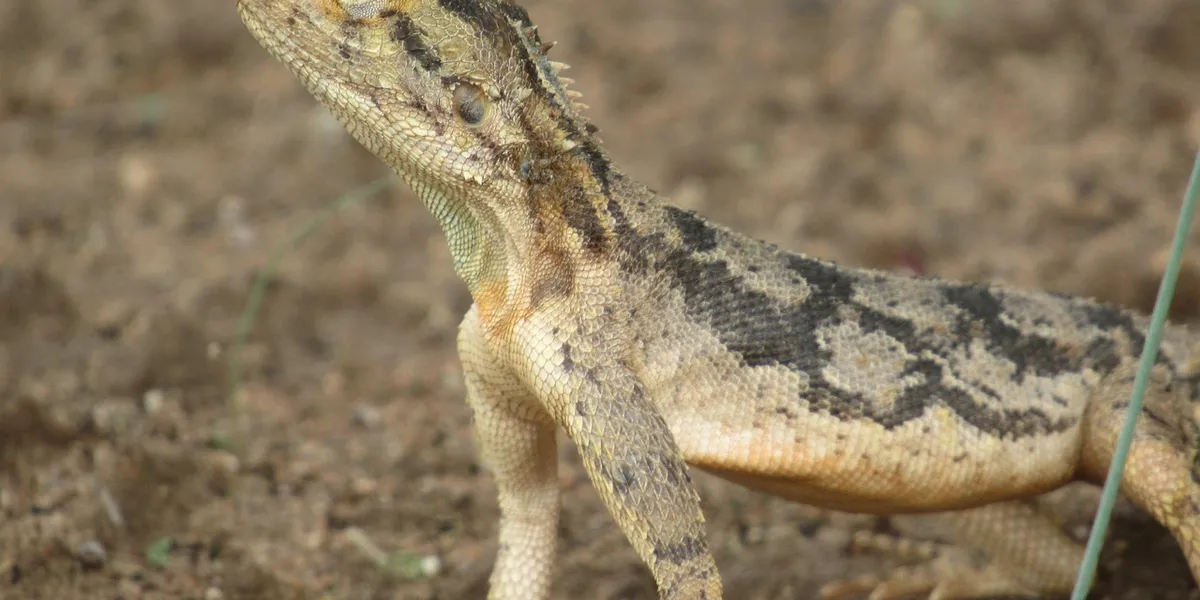
Incubation times vary widely by species, and I have seen this firsthand with my own geckos. Temperature and humidity play huge roles in how long you will wait for those tiny hatchlings. Here is a quick guide based on my breeding notes.
| Species | Average Incubation Days | Key Factors |
|---|---|---|
| Leopard Gecko | 35-90 days | Temperature affects gender and speed. |
| Crested Gecko | 60-90 days | High humidity is critical. |
| Gargoyle Gecko | 60-90 days | Similar to crested, needs steady warmth. |
| Tokay Gecko | 60-120 days | Longer wait, adhesive eggs. |
| Day Gecko | 40-60 days | Faster hatch, but eggs stick firmly. |
| African Fat-Tailed Gecko | 50-70 days | Moderate temps work best. |
From my experience, A-Rod’s African fat-tailed eggs once hatched in 55 days with consistent 80°F heat. Small changes in your setup can lead to big differences in hatch times, so keep a close eye.
Leopard Gecko Egg Incubation
Leopard gecko eggs, like those from my gecko Griffey, typically hatch between 35 and 90 days. The temperature you choose can even determine if you get male or female hatchlings. Warmer temps around 88-90°F tend to produce females, while cooler ones near 80°F give you males, as explained in a complete guide to incubating gecko eggs for temperature sex determination.
After mating, females usually lay eggs within 2 to 4 weeks. I have noticed that eggs incubated at higher temperatures often hatch faster, but consistency is key to healthy babies.
Crested and Gargoyle Gecko Eggs
Crested and gargoyle geckos, like Jeter and Mookie, share similar incubation periods of 60 to 90 days. Humidity is your best friend here; aim for 70-80% to prevent the eggs from drying out. As hatch day approaches, the eggs might dimple or look slightly deflated, which is normal. In the broader gecko family, some species have longer gestation periods, sometimes extending beyond three months. Temperature and humidity can influence these timelines as well.
Waiting for these eggs is like anticipating a surprise gift. You know it is coming, but the exact day keeps you on your toes. In my setups, I have seen gargoyle eggs hatch a week early with perfect humidity levels.
Day Gecko and Tokay Gecko Eggs
Day gecko eggs, such as from Babe, hatch quickly in 40 to 60 days. Tokay eggs, on the other hand, can take 60 to 120 days, testing your patience. Both species lay adhesive eggs that stick to surfaces, so avoid moving them whenever possible.
Special handling is a must for these sticky eggs. If you try to remove them, you risk damaging the embryo, so I always leave them in place and monitor from a distance. This approach has saved many clutches in my care.
Setting Up Your Gecko Egg Incubator
Getting your incubator dialed in is the single most important step for hatching healthy geckos. A stable environment is far more critical than achieving a “perfect” number that constantly fluctuates. You can use a store-bought reptile incubator or create a simple, effective DIY setup. For those aiming to master the process, the ultimate gecko egg incubation guide temperature humidity substrate lays out recommended ranges and substrate options. By following it, you’ll keep temperatures and humidity steady and optimize egg development.
Step-by-Step Incubator Setup
- Choose Your Container: For a DIY method, a simple plastic food container with a locking lid works perfectly. For store-bought, follow the manufacturer’s instructions for assembly.
- Drill Ventilation Holes: Poke several small holes in the lid of your DIY container for air exchange. Too many holes will make humidity control a nightmare.
- Add Your Substrate: Fill the container about halfway with your prepared, moist incubation substrate (more on that below).
- Place the Container: Put your egg container inside the larger incubator or in a consistently warm spot in your home, like on top of a refrigerator.
- Use a Thermostat: This is non-negotiable. Plug any heat source into a reliable thermostat probe placed right next to the egg container. My first clutch suffered because I trusted a cheap heat mat’s built-in regulator-it spiked and cooked the eggs.
- Monitor and Adjust: Let the incubator run for at least 24-48 hours before adding eggs to ensure the temperature and humidity are stable.
Temperature Guidelines for Incubation
Temperature doesn’t just control how long incubation takes; it can also determine the sex of your geckos for some species! For leopard geckos, incubation temperature can influence sex, whether hatchlings are male or female. Slight variations are normal, but wild swings are dangerous.
| Gecko Species | Optimal Temperature Range | Average Incubation Time |
|---|---|---|
| Leopard Gecko | 80-88°F (27-31°C) | 35-90 days |
| Crested Gecko | 72-78°F (22-26°C) | 60-120 days |
| Gargoyle Gecko | 72-78°F (22-26°C) | 60-120 days | African Fat-Tailed Gecko | 80-85°F (27-29°C) | 45-70 days |
Warmer temperatures generally speed up development but can lead to smaller, more frantic hatchlings, while cooler temps produce larger, calmer babies over a longer period.
Humidity and Substrate Choices
Humidity keeps the eggs from dehydrating and collapsing, allowing the embryo to develop properly. The goal is to provide a moist environment without soaking the eggs.
I’ve had the best success with a 1:1 ratio of water to vermiculite by weight. Squeeze a handful-you want it clumpy, with only a drop or two of water escaping.
- Best Substrates: Vermiculite or perlite. They hold moisture well and resist mold.
- Substrate to Avoid: Potting soil, sphagnum moss, or paper towels. They can be too wet, too dry, or grow mold rapidly.
- Maintaining Humidity: If the container walls are dry, lightly mist the substrate in a corner, away from the eggs. The most common error is over-misting, which suffocates eggs and causes mold.
Monitoring and Caring for Eggs During Incubation
Once your eggs are safely in the incubator, your job shifts to gentle observation. Think of yourself as a security guard, not a hands-on manager.
- DO check temperature and humidity daily with a reliable digital gauge.
- DO candle eggs weekly in a dark room with a small, bright LED light to see veining and development.
- DO NOT flip the eggs. The embryo attaches to the top of the shell; rotating it can drown it.
- DO NOT open the container frequently. This causes massive swings in temperature and humidity.
If you see a small patch of mold, you can sometimes dab it away with a cotton swab dipped in a mild antifungal like athlete’s foot cream. If an egg collapses, turns yellow, or grows fuzzy mold all over, remove it immediately to protect the healthy eggs.
Signs Your Gecko Eggs Are Close to Hatching
The final stretch is incredibly exciting. You’ll notice the egg itself begin to change in the last week or two.
- Dimpling: The egg may start to look slightly shriveled or dented as the baby absorbs the yolk sac.
- Sweating: Tiny droplets of moisture appear on the eggshell right before hatching.
- Movement: If you candle the egg, you might see the baby gecko moving around inside!
The moment you see that first tiny “pip” or crack in the shell, the urge to help will be overwhelming-resist it! I sat for six straight hours watching my leopard gecko Griffey’s first baby slowly work its way out. Letting them hatch on their own is critical for their strength and development. The wait is absolutely worth it.
Troubleshooting: When Gecko Eggs Don’t Hatch
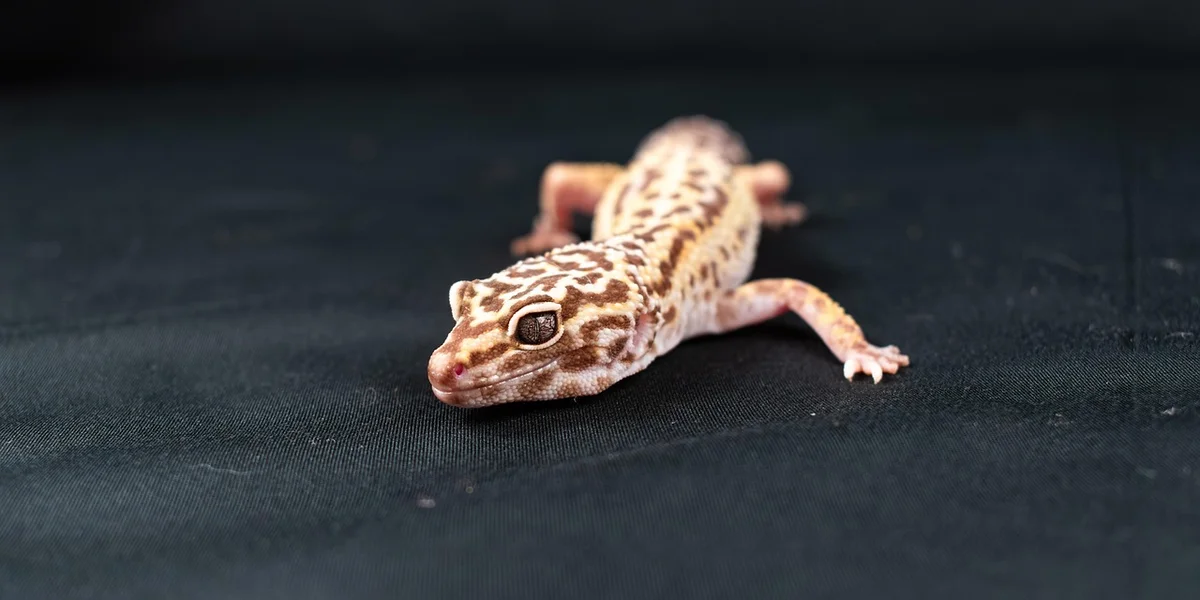
Finding a clutch of eggs is exciting, but sometimes things don’t go as planned. When eggs fail, it’s usually due to one of a few common, and often preventable, issues. Let’s tackle them in a simple Q&A.
Why are my gecko eggs growing mold?
Mold means the environment is too wet. I’ve seen this with my Crested Gecko, Jeter’s, first clutch. The vermiculite was simply too soggy. You must gently wipe the mold off with a cotton swab and adjust your incubation medium to be just barely damp, not wet. If the egg itself is discolored and sunken, it’s likely already non-viable.
What if the eggs are denting or collapsing?
A slight dent can be normal, but a severely collapsed egg often signals dehydration. Try increasing the humidity slightly by adding a few drops of water to your incubation medium, away from the eggs themselves. If the egg plumps back up, you’ve solved it. If not, it was probably infertile from the start.
My incubation temperature keeps swinging. Is that bad?
Yes, consistency is everything. My leopard gecko Griffey’s eggs hatched perfectly because the temp never strayed. Major temperature swings can stall development or cause developmental problems. Move your incubator away from drafts or direct sunlight and invest in a reliable thermostat.
Dealing with Infertile or Failed Eggs
It’s a tough part of the hobby, but knowing how to handle bad eggs is a crucial skill for animal welfare.
An infertile egg will often look yellow, may collapse, and will never develop visible veins when candled. A “bad” egg might turn dark, grow excessive mold, or smell foul-a sure sign of decay.
To remove them, I use a small spoon. Gently roll the bad egg onto the spoon and lift it straight out to avoid damaging any healthy neighbors. Act quickly, as a rotting egg can contaminate the entire clutch.
I had to make this call with one of A-Rod’s eggs last season. It’s hard, but removing a non-viable egg is an act of care that protects the rest of your potential hatchlings.
Caring for Gecko Hatchlings After They Emerge
That first tiny head poking out is pure magic! Now, your job shifts to providing a safe, stress-free nursery.
House each hatchling in its own simple, small enclosure-a 5-gallon tank or a well-ventilated plastic shoebox works perfectly. Do not house them together, even from the same clutch. They can be territorial and may nip tails or outcompete each other for food.
The setup is minimal: paper towel substrate, a tiny hide, a shallow water dish, and perhaps a fake leaf for cover. This simple setup makes it easy for you to monitor their health and for them to find everything they need.
First Foods and Habitat for Babies
Hatchlings can be fussy eaters. Their first meals are critical for building strength.
Offer live, pinhead crickets or flightless fruit flies that are smaller than the space between the hatchling’s eyes. I learned this the hard way with my first gargoyle gecko, Mookie, who refused anything too large. Dust the insects lightly with a calcium supplement.
Don’t panic if they don’t eat for the first 24-48 hours; they’re still absorbing their yolk sac. Keep the enclosure in a quiet, low-traffic area to minimize stress, which is the biggest barrier to a hatchling’s first meal. A stressed baby won’t eat.
Mist the enclosure lightly once or twice a day. Hatchlings often drink water droplets from the walls and leaves before they learn to use a water dish. Watch for that little tongue flick-it’s a sure sign your new baby is settling in just fine.
FAQs
How long after laying do gecko eggs start to develop?
Gecko eggs begin developing immediately after laying, with visible veins often appearing within a week if fertile. To determine fertility, here’s a step-by-step guide on telling if gecko eggs are fertile. It outlines what to look for and how to monitor development during incubation.
What should I do if a gecko hatchling doesn’t eat after hatching?
If a hatchling refuses food for more than 48 hours, offer smaller, live insects like fruit flies and ensure the enclosure is quiet to reduce stress.
Is it safe to use a heat lamp for incubating gecko eggs?
Heat lamps are generally unsafe for incubation as they can cause uneven heating and dehydration; a regulated heat mat with a thermostat is a more stable choice.
Final Thoughts on Gecko Egg Incubation
To successfully hatch gecko eggs, you must first identify your species, as their incubation timelines vary dramatically from just 30 days up to 120 days. The single most important factor you control is temperature, which not only influences hatch time but also can determine the sex of the hatchlings in some species like Leopard Geckos. Understanding these early stages helps map the leopard gecko life cycle from egg to hatchling, juvenile, and finally adult. By recognizing each stage, you can tailor care to support healthy growth through development.
Remember, breeding geckos is a serious commitment that goes far beyond just incubation. Always prioritize the welfare of both the parents and the hatchlings, ensuring you have the space, time, and resources to care for them properly. If you’re new to this, a gecko reproduction biology beginners guide can help you understand mating triggers, egg development, and incubation needs. It provides a practical foundation for responsible and humane breeding. The best gecko owners are lifelong students, so keep asking questions and deepening your knowledge.
Further Reading & Sources
- How to Incubate Leopard Gecko Egg? – Geckopia
- Albey’s How To Incubate Leopard Gecko Eggs
- Professional Reptiles | Leopard Gecko Egg Incubation
The Gecko Guide is your ultimate resource for gecko enthusiasts, providing expert advice and practical tips to ensure the health and happiness of your scaly companions. Alexander is a passionate gecko owner with over a decade of experience in reptile care. We are dedicated to offering accurate, up-to-date information to support your gecko journey.Our mission is to foster a community of responsible gecko owners who are passionate about the well-being of these fascinating creatures.
Incubation & Egg Care