
How Many Eggs Do Leopard Geckos Lay? (Clutch Size and Frequency Explained)
Published on: April 6, 2026 | Last Updated: April 6, 2026
Written By: Alexander 'Gecko Geek' Johnson
Are you anxiously watching your leopard gecko, worried about how many eggs she might produce and if you can handle the surprise? I’ve been there with my own geckos, and that initial uncertainty is totally normal for any caring owner.
Let me ease your mind by breaking down the essentials you need to know right now. Based on my years of hands-on experience, here are the key takeaways:
- The typical number of eggs in a single clutch.
- How often you can expect new clutches throughout the season.
- Actionable steps to safeguard both the eggs and your gecko’s health.
By the end of this guide, you’ll have a clear, confident plan. We will cover: clutch size, laying frequency, incubation setup, and post-laying care.
Leopard Gecko Clutch Size: The Number of Eggs Per Laying
When my girl is ready to lay, she almost always gives me a neat little package of two eggs. Two eggs is the standard, most common clutch size for a leopard gecko. I’ve found this to be incredibly reliable across my years of breeding.
You will very, very rarely see a single egg. If you do, don’t panic. It can happen, especially with a first-time mother or an older gecko. A single egg clutch is unusual, but it’s not necessarily a sign of a problem. Just keep a close eye on her to ensure she passes the second egg, as they can sometimes get retained.
I want to be clear: a clutch of three or more eggs is an extreme rarity. I’ve only heard of it anecdotally. You should plan and prepare for two eggs every single time she lays. This consistency makes planning for incubators and housing for the hatchlings much easier.
What Do Leopard Gecko Eggs Look Like?
Freshly laid leopard gecko eggs are soft, leathery, and pure white. They feel like a firm, squishy grape. You must handle them with extreme care, as they are easily dented and damaged. Never rotate the eggs after she lays them, as this can drown the embryo inside.
- Fertile Eggs: Will be firm and develop a pinkish “bullseye” or band within a few days.
- Infertile Eggs: Often remain a stark, chalky white and may feel softer or collapse over time.
Annual Egg Output: How Often They Lay
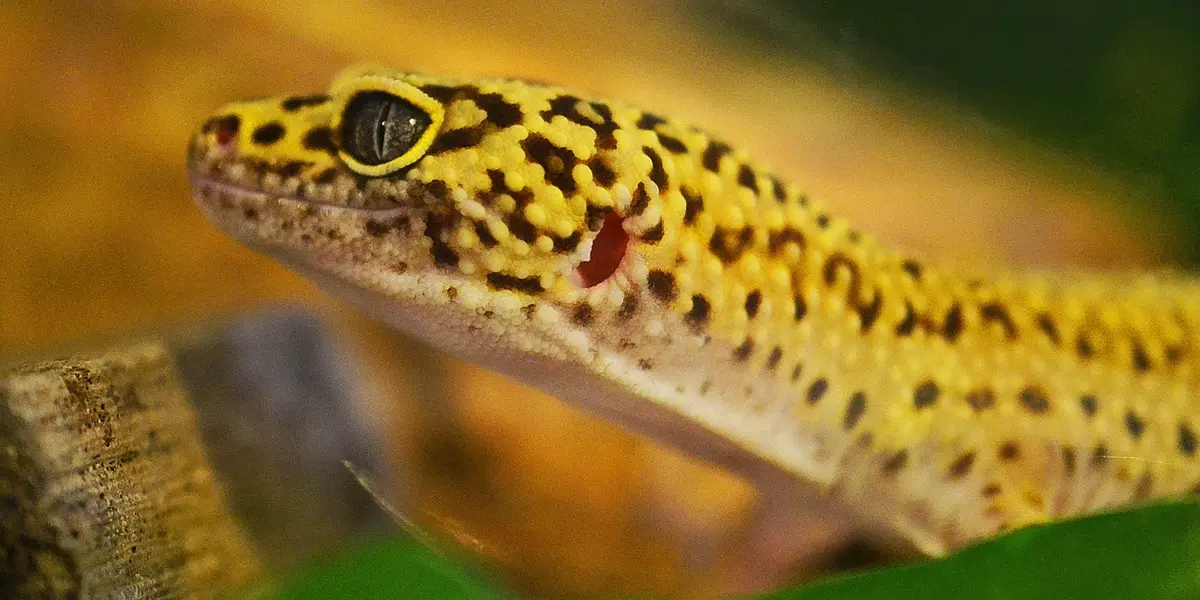
A single mating can result in multiple clutches of eggs throughout the season. A healthy female can produce between four and ten clutches in a single breeding season. That means she could lay up to 20 eggs from just one successful pairing!
The breeding season typically runs from January through September. My geckos usually lay a new clutch of eggs every two to four weeks during this period. I mark my calendar because they can be surprisingly punctual. My gecko, Griffey, is so regular I can almost predict the day she’ll dig her laying box. It’s fascinating to compare this with the natural breeding seasons and mating cycles for geckos in the wild.
This is a massive physical demand on your female. You must provide excellent nutrition and a constant supply of calcium to support this intense egg production. I always see a huge increase in her appetite during this time. I provide a calcium dish in her terrarium 24/7 so she can self-regulate.
Key Factors Influencing Egg Laying Frequency
- Age & Health: Prime-aged, robust geckos (2-5 years) lay more consistently than very young or old ones.
- Nutrition: A well-fed gecko with proper calcium and vitamins will have a more productive season.
- Brumation: A proper cool-down period in the winter often leads to a stronger, more consistent breeding response.
- Genetics: Some bloodlines are simply more prolific layers than others.
Key Factors That Influence Egg Laying
Age and Health of Your Female Gecko
Your gecko’s age is the single biggest predictor of her egg-laying career. A young, first-time mother around one year old will often produce smaller clutches, sometimes just one egg, as her body gets used to the process. I’ve seen this with my own geckos; their first season is rarely their most productive.
Prime breeding age typically falls between 2 and 5 years old. This is when you can expect the most consistent and largest clutches. After age 6 or 7, clutch sizes often get smaller again, and the time between clutches may increase. It’s her body’s natural way of slowing down.
Health is the other non-negotiable factor. A well-fed gecko with strong fat reserves in her tail is ready for the massive energy drain of producing eggs. If her tail is skinny, her body likely won’t have the resources to form healthy eggs, and you risk life-threatening conditions like egg-binding. I always make sure my girls are plump and have a steady supply of calcium long before breeding season starts.
Breeding Pair Dynamics and Environment
It’s not just about the female. The male’s presence and behavior trigger the entire process. Successful copulation is the primary signal that tells the female’s body to start developing eggs. Without this cue, she may not lay at all, though some females can produce infertile eggs without a male, much like chickens.
The environment you create is a huge deal. Think of it as setting the mood. Your gecko needs to feel safe and secure to dedicate energy to reproduction. That’s why you’ll want to create an ultimate environmental enrichment setup for your gecko. A well-planned setup with varied textures, climbing options, and plenty of hides boosts activity while keeping stress low.
- Consistent Warmth: A hot spot of 88-90°F (31-32°C) is crucial for digestion and overall metabolism. A cold gecko won’t lay eggs.
- Proper Hides: Multiple secure hides reduce stress. A stressed gecko will prioritize survival over reproduction.
- Seasonal Light Cycles: In the wild, the lengthening days of spring trigger breeding. While less critical in captivity, providing a consistent day/night cycle can support natural rhythms.
Essential Care for Your Gecko and Her Eggs
Setting Up the Perfect Lay Box
Think of a lay box as a maternity ward. It’s a private, humid place where your gecko can dig and lay her eggs in peace. Without a proper lay box, a desperate female may lay her eggs anywhere in the enclosure, often resulting in damaged eggs. I use a simple plastic container with a hole cut in the lid for every single one of my breeding females.
Here is my tried-and-true recipe for a lay box substrate that holds a tunnel perfectly:
- Fill the container about 3-4 inches deep.
- Use a mix of slightly damp sphagnum moss and eco-earth or organic topsoil.
- The substrate should be damp enough to clump but not so wet that it drips water.
Place the box on the warm side of the enclosure and check it daily once you suspect she’s gravid (carrying eggs). You’ll know she’s laid them when she looks suddenly slimmer and you see the eggs buried in the substrate.
Incubation Basics for Hatchlings
Once you have those precious eggs, the real work begins. The first step is candling-gently holding a small flashlight to the egg in a dark room. A fertile egg will show a pinkish glow and a network of red veins within a day or two. Infertile eggs will look yellow and solid.
You have two main choices for incubation medium. I’ve used both with great success:
- Vermiculite: A classic choice. Mix it with water by weight (1:1 ratio by weight is my go-to) for consistent moisture.
- Perlite: Lighter than vermiculite and less prone to compaction. Use the same 1:1 mix by weight with water.
The temperature you choose literally determines the sex of your hatchlings! This is one of the coolest parts of leopard gecko genetics. It is especially important to monitor and control the temperature when incubating gecko eggs to ensure proper sex determination.
| Incubation Temperature | Likely Hatchling Sex |
|---|---|
| 79-82°F (26-28°C) | Mostly Female |
| 85-87°F (29-31°C) | Mixed Sexes |
| 88-90°F (31-32°C) | Mostly Male |
| 92-93°F (33-34°C) | Mostly Female (Known as “Hot Females”) |
Never, ever rotate the eggs after you place them in the incubator. The embryo attaches to the top of the eggshell, and turning it can drown it. I mark the top with a gentle pencil dot as soon as I find them. Keep the humidity high (around 80%) and wait for the magic to happen in 35 to 90 days, depending on your temperature.
Spotting Health Risks: From Gravid to Egg-Binding
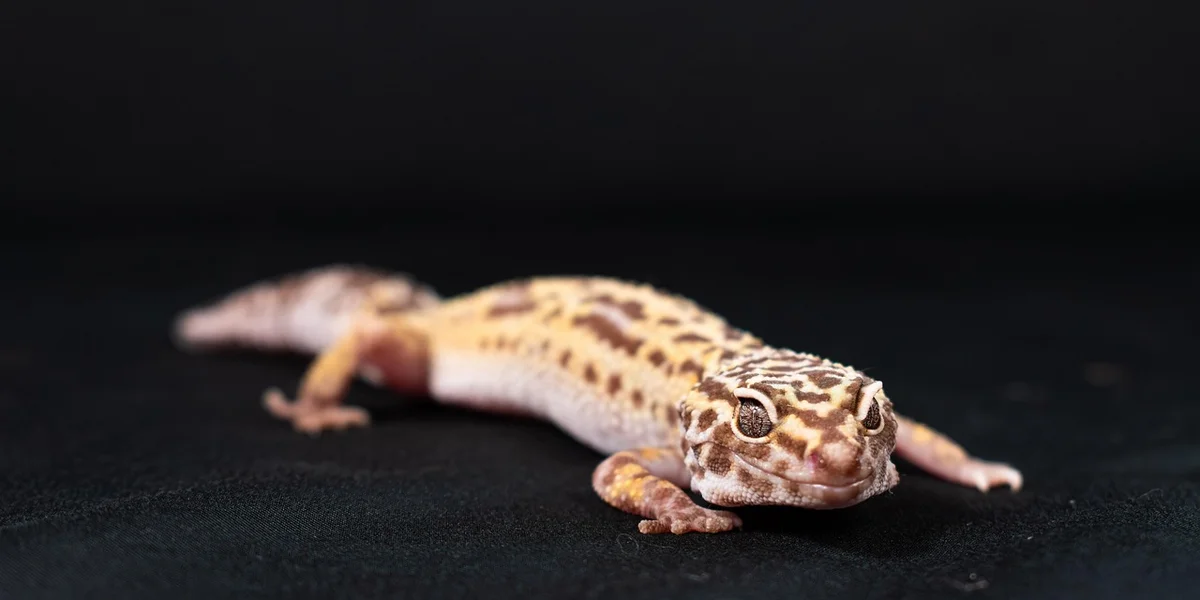
Seeing your leopard gecko carrying eggs is exciting, but you must stay vigilant. I’ve learned through my geckos, like Griffey, that a healthy gravid state looks different from a dangerous one. A healthy gravid gecko will have plump, symmetrical bulges on her sides and will continue to eat, albeit less enthusiastically. However, gravid geckos may exhibit changes in feeding behavior that can signal common issues like calcium deficiency, dehydration, or stress. If feeding drops suddenly or seems irregular for more than a day or two, consult a reptile veterinarian.
Watch for these specific signs of a healthy, egg-carrying gecko:
- Two distinct, oval-shaped bulges behind her front legs.
- She digs extensively in her moist hide or other areas.
- Her appetite decreases but doesn’t vanish completely.
- She remains alert and moves around her enclosure.
Now, let’s talk about the serious risk: egg-binding (dystocia). This is when a gecko cannot lay her eggs. My heart has sunk a few times spotting the early warnings. Egg-binding is a life-threatening emergency that requires immediate veterinary care. It’s not something you can wait out. To help prevent this, see our egg binding dystocia prevention guide for female geckos, which outlines practical steps for care and breeding planning. It covers housing, diet, hydration, and when to seek veterinary advice to minimize risk.
Here are the critical red flags that signal a potential problem:
- Lethargy and a complete loss of appetite for more than a few days.
- Straining for extended periods without producing an egg.
- Visible, dark, or sunken eggs that don’t seem to be moving.
- Swelling around the vent that looks abnormal or inflamed.
- A sudden loss of weight while still looking “lumpy.”
If you see any of these signs, don’t hesitate. Your quick action is the single most important factor in saving her life. I keep my exotic vet’s number on the fridge for this exact reason. A warm, shallow bath can sometimes help with mild straining, but it is not a cure for true egg-binding.
Supporting Your Gecko Through the Breeding Season
A breeding female leopard gecko works incredibly hard. She’s using massive amounts of calcium and energy to produce those little shelled packages. Supporting her isn’t just kind; it’s essential for her survival and the health of her eggs. Think of her like an elite athlete in training-she needs top-tier fuel and a perfect recovery environment.
Her diet needs a major upgrade. I always switch my girls to a more frequent feeding schedule.
- Offer gut-loaded insects daily or every other day.
- Dust her food with a high-quality calcium supplement at every single feeding.
- Provide a pure calcium dish (without D3) in her enclosure 24/7 so she can self-regulate.
- Continue using a multivitamin once or twice a week.
The setup of her home is just as critical. She needs a dedicated, private space to lay her eggs.
- A humid hide is non-negotiable. I use a small plastic container filled with damp sphagnum moss or eco-earth.
- Check the moist hide daily and remix the substrate to keep it consistently damp, not soggy.
- Ensure the rest of her tank has a proper heat gradient so she can thermoregulate effectively.
- Minimize handling and stress. Let her do her important work in peace.
After she lays a clutch, she will often look dramatically thinner. This is normal, but it’s your cue to offer a nutritious meal. I always offer a favorite, well-dusted insect about an hour after she’s finished laying to help her replenish her energy. With this level of care, you give her the best shot at a successful and safe breeding season.
FAQs
How many eggs can a leopard gecko lay in her lifetime?
A healthy female leopard gecko can lay between 50 and 150 eggs throughout her breeding life, which typically spans from one to seven years of age. In a gecko breeding age lifespan guide, such numbers help breeders plan for peak laying periods and long-term welfare.
What is the typical hatching success rate for leopard gecko eggs?
With proper incubation, the hatching success rate for leopard gecko eggs is generally high, often around 70-90% under ideal conditions, especially when you incubate them at the right temperature.
Do leopard geckos need a male to lay eggs?
No, female leopard geckos can lay infertile eggs without a male, but fertile eggs that hatch require successful mating with a male.
Final Words
A healthy female leopard gecko will typically lay two eggs per clutch and can produce several clutches from a single mating throughout the breeding season. Providing a proper lay box and a calcium-rich diet is absolutely non-negotiable for her health and the viability of her eggs. These basics are the essential first steps in a comprehensive, step-by-step guide to breeding leopard geckos. The next sections will walk you through pairing, egg management, incubation, and caring for hatchlings. Remember that incubation temperature doesn’t just hatch the eggs-it actively determines the gender of your future hatchlings.
Breeding any animal is a serious commitment that extends far beyond the initial excitement. Always prioritize the welfare of your gecko above all else and commit to lifelong learning. The more you understand their unique biology and needs, the more rewarding your experience as a gecko keeper will be. To help you approach this responsibly, this gecko reproduction biology beginners guide covers the basics of gecko reproduction, from mating behavior to care around hatchling welfare. It emphasizes welfare-first practices as you learn and observe.
Further Reading & Sources
- Leopard Gecko Breeding Part 6 |Egg Laying and Incubation/-/ReptileApartment.com
- Leopard Gecko Breeding – Reptiles Magazine
- Leopard Gecko Egg Count: Revealing Clutch Sizes
The Gecko Guide is your ultimate resource for gecko enthusiasts, providing expert advice and practical tips to ensure the health and happiness of your scaly companions. Alexander is a passionate gecko owner with over a decade of experience in reptile care. We are dedicated to offering accurate, up-to-date information to support your gecko journey.Our mission is to foster a community of responsible gecko owners who are passionate about the well-being of these fascinating creatures.
Breeding & Lifecycle