
Can You Take Your Pet Gecko Outside? A Safety Guide
Published on: May 3, 2026 | Last Updated: May 3, 2026
Written By: Alexander 'Gecko Geek' Johnson
You’re looking at your curious gecko and then at the beautiful day outside, wondering if a little sunshine and fresh air would be a wonderful treat. I’ve been there with my own crew, from Griffey the leopard gecko to Jeter the crested. It’s a tempting thought, but the outside world is a dangerous place for a small, temperature-dependent reptile.
I’ve learned through both careful research and personal experience that this isn’t a simple yes-or-no question. My goal here is to walk you through the critical risks and the absolute must-follow precautions, so you can make the safest choice for your scaly friend. We’ll cover:
- The top three dangers every owner must know.
- The specific conditions that make a brief outing *potentially* safe.
- How your gecko’s species dramatically changes the answer.
You will get clear, actionable advice to help you navigate this decision. The full article covers: risks of escape, predators and stress, temperature and sun dangers, safe handling outdoors, species-specific guidelines, and safer alternatives to going outside.
- ✓
- ✓
- ✓

Understanding the Core Risks of Outdoor Time
Predator Threats to Your Gecko
Your backyard might seem peaceful, but to a small gecko, it’s a predator-filled jungle. I learned this the hard way when a silent crow swooped down, startling my normally calm gecko, Jeter. He was safe in my hands, but his frantic scramble showed me the sheer terror he felt. You are your gecko’s only defense against a world that sees them as a snack.
Common predators include:
- Birds (crows, hawks, even songbirds)
- Cats, both domestic and neighborhood roamers
- Larger reptiles like snakes or monitor lizards in some regions
- Rodents that can bite and injure
Never underestimate a predator’s speed. A gecko can vanish in an instant.
Temperature and Humidity Dangers
Geckos are ectotherms; they rely on their environment for body heat. The great outdoors is wildly unpredictable. One minute, a warm sunbeam feels perfect. The next, a cloud passes and the temperature plummets. A sudden chill can halt your gecko’s digestion, leading to serious health issues. Signs of stress in geckos—such as changes in appetite or activity—are often linked to environmental conditions, so stable temperatures and proper enclosure setups matter.
My leopard gecko, Griffey, loves his warm basking spot, but direct summer sun would cook him. Conversely, my crested geckos need consistent humidity. A dry, windy day can dehydrate them dangerously fast. You must monitor the conditions second-by-second.
Toxic Plants and Chemical Hazards
That lush, green lawn is likely a minefield. Many common plants and flowers are toxic if your curious gecko decides to take a nibble. Pesticides, herbicides, or even fertilizer residue on grass can be lethal upon contact or ingestion.
Assume every plant is unsafe unless you are a botanist. I only ever place my geckos on a clean, dry towel I’ve brought outside myself. This simple step eliminates the risk of them touching treated grass or a toxic leaf like oleander or ivy. Indoors, apply the same safety mindset: keep the enclosure away from household hazards like cords and cleaners. Regularly check the enclosure for any potential hazards to keep your gecko safe.
Assessing If Your Gecko Is a Good Outdoor Candidate
Species-Specific Suitability
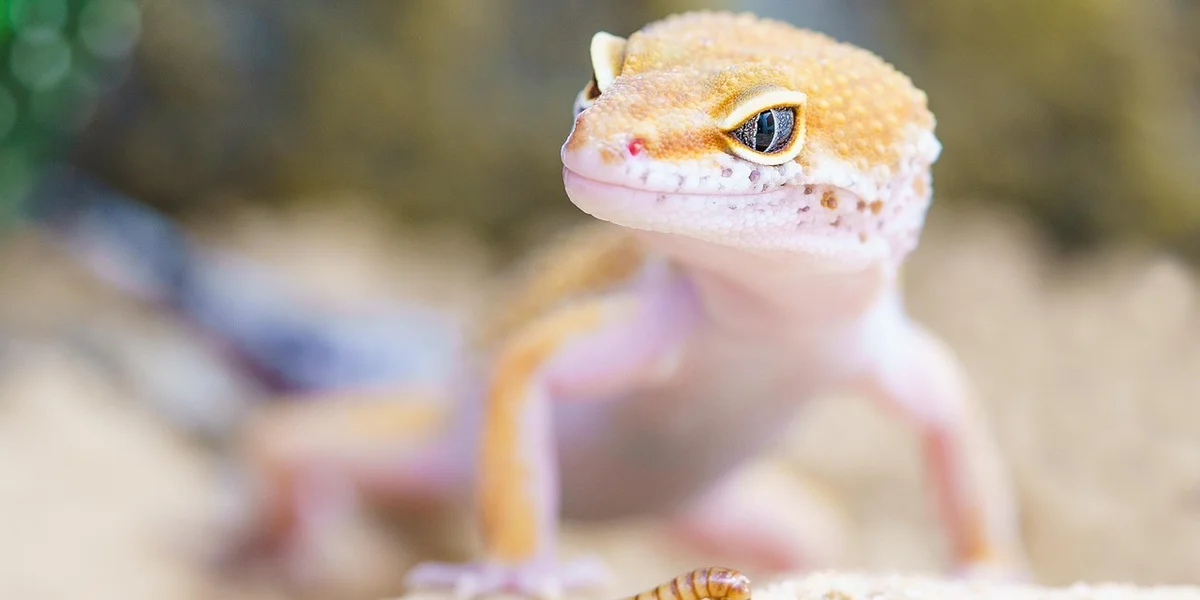
Not all geckos are created equal for outdoor adventures. Their natural history gives you the biggest clue. A ground-dwelling species faces different dangers than an arboreal one that might try to leap into a tree.
My African Fat-Tailed gecko, A-Rod, is a hard ‘no’ for outside time. He’s secretive, gets stressed by open spaces, and his instinct is to burrow and hide. My Giant Day Gecko, Babe, is far more bold and observant, making him a slightly better candidate for very brief, supervised outings. Know your species’ instincts inside and out.
Behavior and Health Check
Before you even consider stepping outside, perform a quick health and temperament assessment. A sick or stressed gecko should never face the added strain of a new environment. Your gecko’s individual personality is the ultimate deciding factor for a safe outdoor experience. If you’re concerned about your gecko’s behavior, learn the difference between normal curiosity and abnormal stress signals. Abnormal signs—lethargy, loss of appetite, excessive hiding, or unusual aggression—should be evaluated with a reptile vet before any outdoor exposure.
Ask yourself these questions:
- Is your gecko eating well and has a healthy body weight?
- Are they alert and active during their normal waking hours?
- Do they generally tolerate handling without frantic attempts to escape?
- Have they been to a reptile vet recently and are parasite-free?
If you answer “no” to any of these, keep the adventure indoors. My gecko Mookie is playful but skittish; one sudden noise and he’d be gone. He enjoys his outdoor time from the safety of his travel carrier, where he can watch the world without the risk.
Essential Gear and Setup for Safe Outdoor Adventures
Harness and Leash Options
Let’s be real, a gecko harness feels a bit like putting a tiny jacket on a grape. I’ve tried several with my crew, and it takes patience. You need a harness specifically designed for small reptiles, not a modified hamster one. Look for soft, elastic material that won’t chafe their delicate skin. The most secure style I’ve found is a simple figure-eight that loops around the neck and chest, giving you control without restricting breathing. Always do a “two-finger test”-you should be able to slip two fingers comfortably between the harness and your gecko. My crestie, Jeter, tolerates his; my leopard gecko, Griffey, acts like I’ve put him in a straightjacket. It’s a personal preference for them.
Portable Enclosures and Shelter
Even with a harness, a portable enclosure is your best friend. It provides a safe, contained space for your gecko to relax if they get overwhelmed. I use a small, well-ventilated Kritter Keeper with a secure lid. I line the bottom with a damp paper towel and include a tiny hide-often a simple cardboard tube or a small plastic container with a door cut out. This portable setup gives them a familiar “home base” to retreat to, which dramatically reduces stress and helps calm a stressed gecko. Never use a glass tank outside; the sun can turn it into a deadly oven in minutes, even on a mild day.
On-the-Go Climate Control
This is the most non-negotiable part of the entire operation. Geckos are ectotherms; they can’t regulate their own body temperature. You must bring their climate with them. My outdoor kit always includes: Seasonal temperature adjustments to match the season—warmer days and cooler nights—to keep their habitat within a comfortable range. This seasonal approach helps their metabolism stay stable and reduces stress across temperature swings.
- A digital thermometer/hygrometer to constantly monitor conditions.
- A small, hand-held mister bottle to provide humidity bursts for my tropical geckos.
- A cool pack wrapped in a towel placed under one side of the portable enclosure to create a cool zone.
- A small, shaded spot is a must. I use a piece of white cardboard to reflect heat and create instant shade.
Your goal is to replicate the temperature gradient they have in their home tank, even while outside. If you can’t manage this, the outing isn’t safe.
Step-by-Step Guide to a Safe Outdoor Session
Pre-Outdoor Preparation Steps
Don’t just grab your gecko and head out the door. A successful trip requires a pre-flight checklist. Here is my exact routine:
- Check the Weather: Ideal conditions are 75-85°F (24-29°C), low wind, and partially cloudy skies. No direct sun, no rain, no extreme heat or cold.
- Gear Check: Assemble your harness, portable enclosure, climate control items, and a small bottle of water.
- Acclimate Your Gecko: I place my gecko in their harness and portable enclosure and let them sit calmly indoors for 10-15 minutes first. This gets them used to the gear before adding the stress of a new environment.
- Scout Your Location: Choose a quiet, enclosed area like a fenced backyard. Avoid areas treated with pesticides or fertilizers.
Rushing this preparation is the number one reason outdoor trips go wrong.
During the Outing: Supervision and Monitoring
This is active supervision, not passive sunbathing for you. Your eyes should be on your gecko 100% of the time. Keep the session short-I never exceed 15 minutes. Watch their behavior closely. If they start gaping (looking like they’re panting), trying to burrow frantically, or running non-stop, they are stressed. It’s time to go back inside immediately. Always keep one hand near your gecko, even in the enclosure, to block a sudden leap or swoop from a bird you didn’t see coming. Geckos are masters of the unexpected escape.
Post-Outdoor Care
When you go back inside, the trip isn’t over. Your gecko needs a proper reintegration period. Gently place them back in their main enclosure and offer a shallow dish of water. I always give them space and avoid handling for the rest of the day. Watch for any signs of stress or illness over the next 48 hours, like lethargy, loss of appetite, or unusual breathing. A single, well-managed outdoor adventure can be a fun enrichment, but their permanent, climate-controlled home is where they truly thrive. My rule is simple: when in doubt, keep them in.
Recognizing and Responding to Gecko Stress
Common Stress Signals
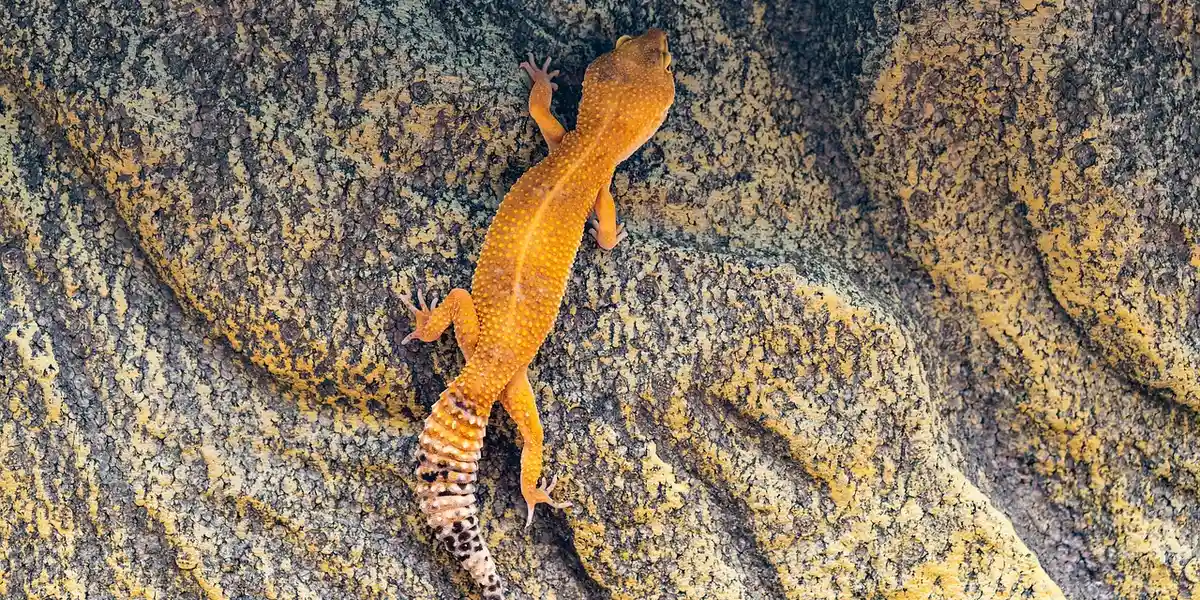
Your gecko cannot tell you when it feels scared or overwhelmed, so you must watch its body language closely. I learned this the hard way when I took my leopard gecko, Griffey, outside for the first time. Distinguishing stress from normal behavior is essential for reading a gecko accurately. His usual energetic posing turned into frantic hiding and rapid tail twitching. Immediate signs of stress include hiding constantly, refusing food, or making sudden, jerky movements.
Look for these specific behaviors in your pet:
- Pacing or glass surfing repeatedly
- Loss of appetite for more than two days
- Unusual aggression or biting when handled
- Color changes, like darkening in crested geckos
- Hunching the body or tucking the head down
My crested gecko, Jeter, normally perches calmly, but if he feels threatened, he flattens his body against a surface. Each gecko species shows stress differently, so learn your pet’s unique cues early on.
Emergency Response for Injuries or Escape
If your gecko gets hurt or bolts during an outdoor session, act quickly but calmly. I once had a scare with my gargoyle gecko, Mookie, who leaped from my hand toward a bush. Panicking only makes things worse for both of you. Your first priority is to secure the gecko without causing further harm.
Follow these steps if an emergency occurs:
- Gently corral the gecko into a small container or use your hands if it is safe.
- Check for visible injuries like cuts, limping, or bleeding.
- Place the gecko in a quiet, warm enclosure to reduce stress.
- Contact a reptile veterinarian immediately for serious wounds.
For escape situations, move slowly and avoid loud noises. I keep a small critter carrier handy now after Mookie’s adventure. Preparing an emergency kit with a towel, container, and vet contact info can save precious minutes.
Legal and Ethical Outdoor Considerations
Researching Local Regulations
Before you even think about stepping outside with your gecko, check your local and state laws. Some areas prohibit taking non-native species outdoors to protect local ecosystems. I made sure to research this after getting my African fat-tailed gecko, A-Rod, since his species isn’t native here. Ignoring regulations could lead to fines or confiscation of your pet.
Start by visiting your city’s government website or calling animal control. Look for rules on:
- Permits for exotic pets
- Restrictions on species like giant day geckos
- Leash or containment requirements
Ethically, ask yourself if the outing benefits your gecko or just your curiosity. My gecko Babe loves basking, but I only take him out in fully secure, supervised settings. Always prioritize your gecko’s welfare over a cute photo opportunity or any outing that isn’t safe and beneficial for your gecko.
FAQs
How long can my gecko safely stay outside?
Outdoor sessions should be kept extremely brief, ideally no longer than 10-15 minutes, to minimize stress and environmental risks.
Are some gecko species better suited for outdoor time than others?
Yes, bolder and more observant species like some Giant Day Geckos may tolerate it better than more secretive, ground-dwelling species like African Fat-Tailed Geckos.
What are the immediate signs that my gecko is too stressed outside?
Look for frantic hiding, rapid tail twitching, gaping (like panting), or attempting to leap away, which all signal it’s time to go back inside immediately.
Is a harness absolutely necessary for taking my gecko outside?
While a secure, reptile-specific harness provides a vital safety tether, a well-ventilated portable enclosure can be a safer and less stressful alternative for containment.
What should I do with my gecko immediately after bringing it back inside?
Place them gently in their main enclosure, provide fresh water, and avoid handling them for the rest of the day while you monitor for any signs of stress or illness.
Final Words
Taking your gecko outside can be done, but it demands constant supervision, a secure harness, and a quiet, shaded, and temperature-controlled spot. Always prioritize your gecko’s stress levels over the photo opportunity, and be prepared to head back inside at the first sign of trouble.
Ultimately, the choice to bring your gecko into the great outdoors depends entirely on you, the keeper, and your commitment to their welfare. I’ve learned that the best pet ownership is a journey of continuous learning, so always observe your gecko’s behavior and keep seeking out new, reliable care information. Preventing common gecko illnesses starts with proper habitat setup. Maintain stable temperatures, humidity, clean substrate, and safe hides.
Further Reading & Sources
- Can You Use Sticks from Outside for Crested Geckos: Safety Tips and Best Practices
- Order Geckobrands Camping Totes | Get Gecko Camping Gear
- Im interested in keeping a gecko from outside as a pet if I was to do that what would be the basic care guides to do so? What kind cage or would I need? Would I need a pair? Or are they ok being alone? – Quora
The Gecko Guide is your ultimate resource for gecko enthusiasts, providing expert advice and practical tips to ensure the health and happiness of your scaly companions. Alexander is a passionate gecko owner with over a decade of experience in reptile care. We are dedicated to offering accurate, up-to-date information to support your gecko journey.Our mission is to foster a community of responsible gecko owners who are passionate about the well-being of these fascinating creatures.
Handling & Behavior Signs