
How to Tame and Train Your Leopard Gecko
Published on: May 4, 2026 | Last Updated: May 4, 2026
Written By: Alexander 'Gecko Geek' Johnson
Is your new leopard gecko always hiding, skittish, or even a little hissy when you come near? You’re not alone. Many new owners feel a pang of disappointment when their scaly friend seems more interested in the back of a cave than in them.
I’ve been there with my own high-yellow leopard gecko, Griffey. But I can help you turn that nervous reptile into a calm, handleable companion. This guide will walk you through a proven, stress-free process.
You will learn three key things:
- ✓
- ✓
- ✓


- How to build trust with your gecko before you ever try to pick them up.
- The right (and wrong) ways to handle them to prevent stress or injury.
- Simple training techniques that can make routine care a breeze.
My advice is based on years of hands-on experience and established animal behavior principles. We will cover: understanding gecko behavior, creating a safe environment, the step-by-step taming process, handling do’s and don’ts, and simple training tricks. This is part of a complete guide to understanding gecko behavior and temperament, designed to help you read your gecko’s signals and tailor care accordingly. By focusing on temperament as well as actions, you’ll be better prepared to create a calm, thriving enclosure. Let’s get started.
Why Taming and Training Benefits Your Leopard Gecko
Think of taming as learning a shared language with your gecko. It transforms a hands-off pet into an interactive companion. The biggest benefit is a drastic reduction in stress for both of you during necessary handling. My gecko, Griffey, used to skitter away every time I needed to clean his tank. After consistent taming, he now calmly waits on my hand.
- Simplifies Vet Visits: A tame gecko is easier for a veterinarian to examine, leading to a quicker, less traumatic visit and a more accurate diagnosis.
- Deepens Your Bond: This process builds trust. You stop being a giant predator and start being a safe, predictable part of their world. You learn their unique personality.
- Makes Husbandry Easier: Need to weigh them or check for stuck shed? A tame gecko makes routine health checks a breeze instead of a chase.
- Provides Mental Enrichment: In the wild, they explore and problem-solve. Training sessions stimulate their brain, preventing boredom and promoting natural behaviors.
I’ve seen shy geckos blossom into curious, confident pets. Taming isn’t about dominance; it’s about building a foundation of trust that improves every aspect of their life in your care.
The Best Age to Start Taming Your Leopard Gecko
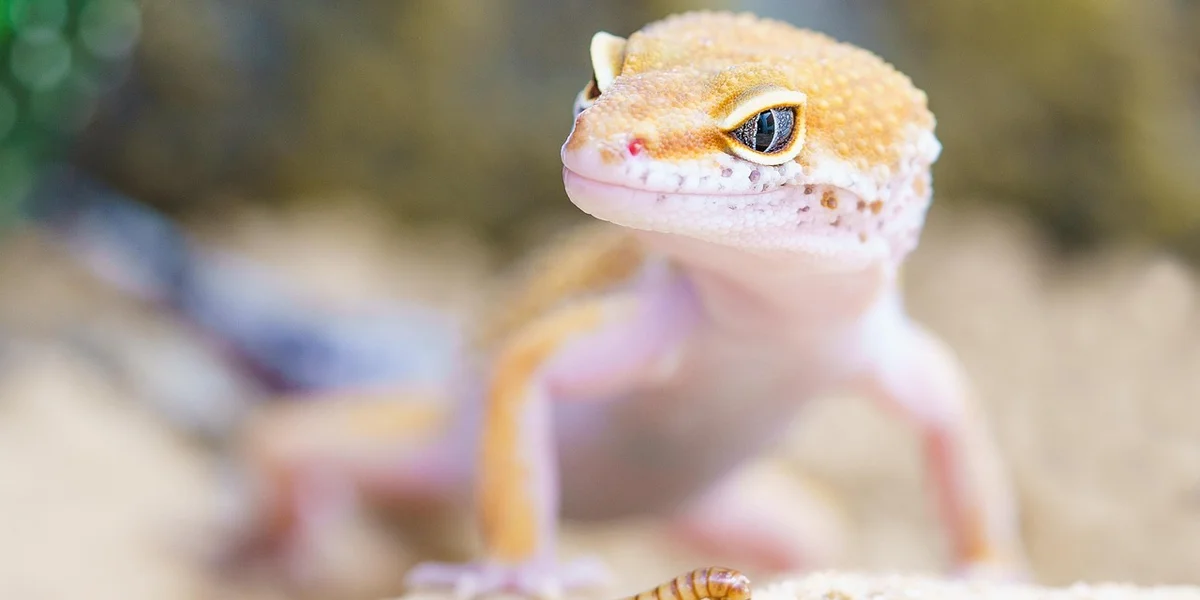
Timing is everything. Start too early and you risk overwhelming a baby. Start too late and you might be working against established fears.
The sweet spot for beginning taming is between 3 to 6 months of age. At this stage, a leopard gecko is typically weaned, eating well, and has enough size to handle confidently. Their brains are also incredibly receptive to new experiences.
- Younger Geckos (3-6 months): They are often more adaptable and curious, viewing your hand as a new part of their environment rather than a direct threat.
- Older Geckos (1+ years): It is absolutely possible to tame an adult! My crested gecko, Jeter, was a rehome and we started at over a year old. The key with adults is immense patience, as you may need to undo previous negative associations.
Before you start, ensure your gecko is healthy and a good weight. A sick or underweight gecko should never be subjected to the stress of taming. Their health and well-being must always come before any training goal. Being able to spot early warning signs of illness helps you know when it’s safe to begin taming. If you notice symptoms such as lethargy, loss of appetite, weight loss, or unusual stool, delay taming and consult a veterinarian. Wait until they are settled, eating regularly, and showing normal, alert behavior.
Step-by-Step Guide to Taming Your Leopard Gecko
Creating a Calm Enclosure Setup
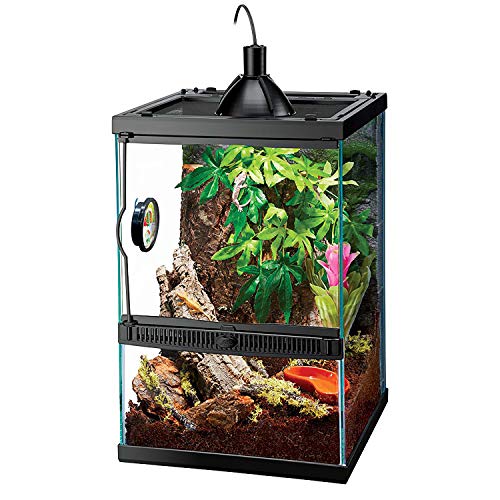
Your gecko’s home is the foundation for all trust-building. I set up my leopard gecko Griffey’s terrarium with a strict “safe zone” policy, focusing on security above all else. You need at least three hides: a warm, moist hide on the heated side, a dry, cool hide on the opposite end, and a central hide for ambience. This temperature gradient is non-negotiable, allowing your gecko to self-regulate its body temperature and reduce stress instantly. Does lighting temperature affect gecko behavior? Yes—geckos respond to color temperature and photoperiod, which helps regulate activity. For lighting, avoid bright, overhead lights that mimic a predator bird. I use a simple, low-wattage halogen bulb for daytime heat and let the room’s natural light cycle dictate the day and night.
- Place the warm hide directly over the under-tank heater or heat mat.
- Use a digital thermostat to control the heat source and prevent burns.
- Fill the moist hide with damp sphagnum moss to aid with shedding.
- Add clutter like fake plants and cork rounds to break up sightlines and create exploration paths.
Building Trust Through Daily Presence
Geckos learn you are not a threat through predictable, boring repetition. I spent two weeks just sitting by Jeter’s tank for 15 minutes each evening, reading a book out loud in a calm voice. Your goal is to become a normal, non-scary part of the landscape, not an exciting event. Start by placing your hand flat and still against the outside of the glass for a few minutes at a time. Move slowly and deliberately whenever you are near the enclosure, especially during their most active hours at dawn and dusk. When you begin handling your new gecko hatchling, keep sessions short and gentle. Always support its body with both hands and avoid grabbing the tail to prevent injury.
- Do not make direct eye contact for prolonged periods, as this can be seen as a threat.
- Avoid tapping on the glass or making sudden, jerky movements.
- Perform tank maintenance like spot-cleaning calmly to build positive associations.
Introducing Hand-Feeding with Live Insects
This is the breakthrough moment. I always use feeding tongs at first, but the real magic happens when you offer a worm from your bare, flat palm. Choose a less frantic insect like a waxworm or a slow-moving dubia roach for the first attempts. Hand-feeding directly links your presence with the fantastic reward of food, building positive reinforcement fast. Do this during their normal feeding time when they are already alert and hunting. If they refuse, just try again the next day-never force it.
- Wash your hands thoroughly before and after to avoid transferring smells or oils.
- Hold your hand still at the bottom of the tank and let the gecko come to you.
- If they are skittish, try placing the insect on a bottle cap in front of your hand as an intermediate step.
Progressing to Gentle Handling
The first pick-up is a heart-pounding moment for any owner. I approach from the side, never from above like a predator. Scoop your hand gently underneath their belly, supporting their entire body and legs. Your initial handling sessions should be incredibly short, literally just 30-60 seconds, ending on a positive note before the gecko shows stress. Watch their body language closely. If they start wagging their tail slowly, that’s a sign of irritation or fear, and it’s time to put them back. To prevent a bite, always move predictably and never handle a gecko that is hissing or has its mouth open.
- Always handle your gecko close to a soft surface, like over your lap or a bed, in case they jump.
- Never grab or restrain them by the tail, as it can detach.
- Increase handling duration by just a minute or two each successful session.
Effective Training Methods for Leopard Geckos
Using Positive Reinforcement and Rewards
Leopard geckos are motivated by one thing above all else: food. The timing of the reward is everything—it must be given the instant they perform the desired action. Leopard geckos can also show common feeding issues such as occasional refusals, picky prey preferences, or seasonal appetite fluctuations. For my geckos, a small, fatty waxworm is like a gourmet dessert, making it a high-value reward for training breakthroughs. I reserve these special treats exclusively for training to keep their motivation high. A common mealworm from their daily dish just doesn’t have the same power. This method works because it directly taps into their core survival instinct to hunt and eat. For more information on leopard gecko feeding issues, check out the linked resource.
- High-Value Rewards: Waxworms, butterworms, or small hornworms.
- Medium-Value Rewards: Dubia roaches or black soldier fly larvae.
- Low-Value Rewards: Standard mealworms or crickets (best for daily feeding).
Can Leopard Geckos Learn Commands or Tricks?
Let’s be real-you are not going to teach your gecko to fetch the newspaper. Their intelligence is based on pattern recognition and food association, not complex problem-solving. You can, however, train them for practical things, like coming to a specific spot in the tank when you tap the glass, which is super useful for guiding them out for handling. This is a form of target training. With patience, some of my geckos have even learned to climb onto my hand on cue to get a worm. It’s less about “gecko genius” and more about consistent, yummy bribes.

- Practical “Tricks”: Target training (touch a target stick), stationing (go to a specific spot), and hand-climbing.
- Limitations: They cannot learn vocal commands or complex sequences of actions.
- Keep training sessions short, under 5 minutes, to prevent them from losing interest.
How Long Does Hand-Feeding Training Take?
There is no single answer, as it depends entirely on your gecko’s age, personality, and history. A curious, food-motivated juvenile like Mookie might be eating from my hand in a week. An older, more set-in-their-ways gecko, or one from a neglectful background, could take a month or more of daily attempts. My gecko A-Rod was a rehome and took a solid six weeks of patient work before he finally took a worm from my palm. Don’t get discouraged by a lack of immediate progress. Consistency is your most powerful tool.
- Juveniles (under 1 year): Often learn fastest, typically 1-3 weeks.
- Adults (1-7 years): Can vary widely, from 2 weeks to 2 months.
- Seniors or Rescues: May require the most patience, potentially several months.
Common Mistakes in Leopard Gecko Training
I’ve made nearly every training blunder you can imagine with my geckos over the years. Learning from these errors is what transforms a nervous owner into a confident one. Rushing the process is the single biggest mistake and can shatter the trust you’re trying to build.
- Moving Too Fast: Don’t go from a sniff to a full-hand scoop in one day. This floods your gecko with fear. Instead, break handling into micro-steps over weeks.
- Ignoring Stress Signs: If your gecko freezes, pants, or tries to bolt, you’ve pushed too far. Stop immediately. The correct move is to gently end the session on a calm note.
- Inconsistent Sessions: Training for an hour one day and then skipping a week confuses your pet. Short, daily 5-10 minute sessions work far better than infrequent marathons.
- Training in a Busy Environment: Loud noises or sudden movements are terrifying. I always train my leopard gecko, Griffey, in a quiet room with minimal distractions.
- Forcing Interaction: Never pull a hiding gecko from its shelter. This teaches it that you are a predator. Let it choose to come out on its own terms.
If you’ve made a mistake, don’t panic. To rebuild trust, return to the very first step of simply sitting by the enclosure and talking softly for a few days. Re-establish that your presence is safe and predictable before attempting to touch them again.
Safety and Stress Management During Training
Recognizing Stress Signs to Stop Training
Your gecko’s body language speaks volumes if you know how to listen. Learning these signals prevents training from becoming a traumatic event. A stressed gecko is a learning gecko-it’s learning to be afraid of you.
- Tail Twitching or Waving: A slow, deliberate tail wave is a major warning sign. It often precedes a defensive bite.
- Puffing Up or Hissing: This is a clear “back off” signal. Your gecko feels threatened and is trying to look bigger.
- Attempting to Hide or Flee: If it’s desperately scrambling away, the session is over. Respect its desire for safety.
- Color Change: Some geckos will darken or pale when stressed. Learn your gecko’s normal, relaxed coloration.
- Tail Dropping (Autotomy): This is the ultimate stress response. If the tail drops, stop all handling immediately and give your gecko complete privacy to recover.
When you see any stress sign, your immediate action is simple: end the session. Gently place them back in their home and let them decompress.
Essential Safety Precautions for Handling
Safety is a two-way street – it protects both you and your fragile pet. A single bad fall can cause severe injury. Always handle your gecko while seated low over a soft surface, like a bed or a carpeted floor. For more tips on handling geckos safely, check out our health and safety guide.
- Use Gentle Restraint: Let them walk from hand to hand. Never grip or squeeze their body. Cup them gently in your palms.
- Avoid the Tail: The tail can detach. Never pick up or hold a leopard gecko by its tail.
- Practice Good Hygiene: Always wash your hands before and after handling. This protects you from salmonella and protects your gecko from lotions or chemicals on your skin.
- Supervise Closely: Never leave your gecko unsupervised outside its enclosure, even for a moment. They are surprisingly quick and can get lost or injured.
My personal routine is simple: washed hands, a closed door, and a five-minute timer. Keeping sessions short and controlled prevents both physical exhaustion and mental stress for your gecko.
Training Frequency and Reward Systems
Think of training sessions like a short, fun playdate, not a long school day. I keep my sessions with Griffey to a strict five to ten minutes, and I never do more than one session per day. Their tiny brains have limited focus, and pushing longer just leads to a bored, stressed gecko.
Frequency is just as important as duration. Aim for three to four sessions spread across the week. Watch your gecko’s energy levels closely. If they seem sluggish or disinterested, skip a day. A well-rested gecko is a willing participant.
Choosing the Right Rewards
The best reward is always a food reward, but you must be strategic. I always use their regular feeder insects. Integrate training sessions just before their scheduled feeding time. This way, they are naturally hungry and motivated, and the training treats come directly from their allocated meal.
My personal go-to rewards are:
- Small mealworms (easy to handle)
- Crickets (highly stimulating)
- Dubia roach nymphs (nutritious)
Avoid fatty worms like waxworms as regular training rewards. They are the gecko equivalent of candy and should be rare treats.
Keeping Engagement High Without Overfeeding
This is the ultimate balancing act. The golden rule is to never let the total reward amount from a session exceed what would be 10-15% of their normal meal. If Griffey normally eats eight insects, I’ll use just one single, exciting insect as his reward for a successful session.
If your gecko is losing interest, it’s not a sign to offer more food. It’s a sign to end the session. Sometimes, the best reward is simply stopping and letting them return to the comfort of their hide. This positive association is just as powerful as a food reward.
Advanced Training for Vet Visits and Health Checks
A tame gecko is not just a pleasure to handle; it’s a healthier gecko. Getting your leopard gecko comfortable with basic handling is the first and most critical step in preparing them for stress-free vet visits. A calm gecko allows for a more thorough examination, which can literally be a lifesaver. Pair this with calm stress-reducing techniques and simple environmental fixes to keep your gecko relaxed.
My vet was able to quickly diagnose a minor tail issue with Jeter precisely because he was so calm on the exam table. That early detection saved us from a much bigger problem down the line.
Desensitization for Health Monitoring
I practice mini health checks during our normal handling time. This is my personal routine for desensitization:
- Gently run a finger along their back and tail. This gets them used to touch and lets me check for any skin issues or stuck shed.
- Lift their front feet slightly to peek at their belly. I do this for a split second, then reward them. It builds tolerance for being turned over.
- Let them walk over my open hand, observing their gait. This helps me monitor for any signs of weakness or Metabolic Bone Disease.
By making these actions part of our normal, positive interactions, they become no big deal. When the time comes for a real vet to do these things, your gecko is far less likely to panic. This proactive care builds a foundation for their long-term wellbeing and makes you a more attentive and responsible pet owner.
Common Questions
Can leopard geckos be trained to respond to commands?
They can learn to associate simple cues, like a gentle tap on the glass, with a food reward, but they do not understand complex verbal commands.
What are common mistakes when training leopard geckos?
Common mistakes include rushing the process, having sessions that are too long, and ignoring the gecko’s clear signs of stress.
How often should training sessions be held for leopard geckos?
Short sessions of 5-10 minutes, held 3-4 times per week, are ideal to maintain their interest without causing stress.
What rewards work best for leopard geckos?
Small, live feeder insects from their regular diet, offered just before their scheduled mealtime, work best as training rewards.
Is it beneficial to train leopard geckos in handling for veterinary checks?
Yes, getting them comfortable with being touched and examined makes veterinary visits less stressful and allows for more thorough health checks.
Your Taming Journey Starts Now
Building a trusting bond with your leopard gecko boils down to three simple things: immense patience, brief daily handling sessions, and using food as a powerful positive reinforcement. Move at your gecko’s pace, never force interactions, and let their comfort level guide every step you take. With steady, gentle practice, you can tame and bond your leopard gecko into a calm, confident companion. Keep at it consistently and the connection will deepen over time.
Remember, a well-cared-for gecko is a receptive gecko, so your commitment to their overall welfare—from a proper habitat to a nutritious diet—is the true foundation of all training. I’m always learning new things from my own geckos, and I encourage you to keep exploring the fascinating world of gecko care right here on our blog. For day gecko species information and care guidance, our dedicated Day Gecko Species Information Care Guide offers species-specific tips. It’s a natural next step to tailor care to the particular gecko you have.
Further Reading & Sources
- How to Tame a Leopard Gecko
- How To Handle & Tame Your New Leopard Gecko // Step-By-Step Guide! – YouTube
- r/leopardgeckos on Reddit: Leopard Gecko Training
The Gecko Guide is your ultimate resource for gecko enthusiasts, providing expert advice and practical tips to ensure the health and happiness of your scaly companions. Alexander is a passionate gecko owner with over a decade of experience in reptile care. We are dedicated to offering accurate, up-to-date information to support your gecko journey.Our mission is to foster a community of responsible gecko owners who are passionate about the well-being of these fascinating creatures.
Handling & Behavior Signs