
Essential Gear for Safe Gecko Handling and Transport
Published on: May 2, 2026 | Last Updated: May 2, 2026
Written By: Alexander 'Gecko Geek' Johnson
Thinking about handling your gecko or moving them to a new tank can be nerve-wracking, worrying about them getting stressed, injured, or making a sudden leap for freedom.
I’ve been there with my own crew, and having the right gear makes all the difference. I will help you feel confident by covering the must-have items that create a safe experience for both you and your gecko.
You will learn about:
- ✓
- ✓
- ✓

- How to choose handling gear that makes your gecko feel secure.
- The simple tools that prevent escapes and reduce stress.
- Safe setups for both short handling sessions and longer trips.
You will get straightforward, experience-based advice you can use right away. The article covers: handling containers, temporary enclosures, travel carriers, hide boxes, climbing aids, and temperature control items.
Must-Have Handling Gear for Your Gecko
Handling your gecko shouldn’t be a nerve-wracking experience for either of you. The right tools turn a potentially stressful situation into a calm, controlled interaction that builds trust. Environmental fixes like stable temperatures, proper humidity, and hiding spots can calm a stressed gecko. Pair these with proven techniques for a safer, more effective handling routine. After years of managing everything from my skittish Crested Gecko, Jeter, to my food-motivated Giant Day Gecko, Babe, I’ve narrowed down the essentials.
- Gecko Handling Gloves: I keep a pair of thin, breathable cotton gloves for my more nervous geckos. My A-Rod, an African Fat-Tailed, feels much more secure when my warm, bare hands aren’t directly on him. The gloves also protect you from a defensive nip, though it’s rarely more than a surprise pinch. For a budget option, any clean, lightweight gardening glove will work.
- Fine-Grip Reptile Tongs: These are not for handling your gecko! I use my 10-inch tongs for placing food, rearranging cage decor without startling my pets, and gently guiding a gecko that’s somewhere it shouldn’t be. Using tongs to offer food, like with my Leopard Gecko Griffey, helps associate your presence with positive things.
- Soft Catch Cup: This is my most-used piece of handling gear. A simple plastic deli cup with air holes is perfect for safely containing a gecko during tank cleanings or vet visits. I gently place the cup over the gecko and slide a stiff piece of paper underneath. It makes them feel hidden and secure, preventing a frantic scramble.
- Non-Slip Handling Surface: Never handle your gecko high above a hard floor. I always sit on the floor with a towel or a yoga mat spread out. This simple practice provides a safe, cushioned landing pad in case of an unexpected leap, which my Gargoyle Gecko Mookie is famous for.
Essential Transport Equipment for Safe Trips
Whether you’re heading to the vet or moving to a new home, safe transport is non-negotiable. I’ve learned through trial and error that a proper setup prevents escapes and keeps stress levels low.
- Ventilated Transport Box: A small plastic critter carrier with built-in ventilation slots is ideal. I line the bottom with a paper towel for traction and to absorb any waste. For short trips, this is all you need-it’s dark, secure, and has plenty of air flow.
- Secure Transport Lid: This seems obvious, but double-check those latches! I once had a close call with a carrier that didn’t snap shut completely. For extra security on longer journeys, I’ll sometimes gently tape the lid seams.
- Escape-Proof Carrier: For feisty climbers like cresties or day geckos, consider a carrier with locking clasps instead of a simple snap-lock. I transport my curious geckos in a carrier I can’t pry open without unlatching it first.
- Reptile Transport Bag: These fabric bags with drawstring tops are fantastic for vet visits. They are dark, confine the gecko gently without much room to jump, and can be placed inside a larger carrier for temperature stability. I use one for Jeter, and he stays remarkably calm inside its velvety darkness.
Choosing the right size is key. The carrier should be just large enough for your gecko to turn around comfortably but not so big that they get tossed around during car movement. For a long trip, I always include a small, damp hide made of moss inside the carrier to maintain humidity. When transporting your leopard gecko, this setup helps keep stress down and humidity stable. For travel safety, secure the carrier in the car and keep it away from direct sun or drafts.
My number one tip for car rides is to never place the carrier on a seat. The upholstery is too soft and bouncy. I always secure the carrier on the floor of the passenger seat or in a footwell, where the ride is smoothest and the chance of a fall is zero. I also throw a towel over the carrier to block out stimulating visual noise, which really helps keep my geckos settled.
Step-by-Step Guide to Safe Gecko Handling
Handling your gecko doesn’t need to be a nerve-wracking experience for either of you. With the right approach, it can be a great bonding time. My number one rule is to always let the gecko initiate the contact-this builds trust and prevents a panicked dash for cover. Knowing how to bond and communicate with your reptile is key to a successful relationship.
Approaching and Lifting Your Gecko
- Wash and dry your hands thoroughly. You want to remove any scents and ensure your hands are warm, not cold.
- Move slowly and deliberately. Place your hand, palm up, flat on the substrate in front of your gecko. Avoid coming at them from above, which can look like a predator.
- Gently slide your hand under their belly. Start from the front, supporting their chest and front legs first.
- Lift slowly, keeping your hand flat and letting them walk onto you. Always support their entire body and never grab their tail.
Using a Soft Catch Cup for the Jumpy Ones
Some of my geckos, like my Gargoyle Mookie, think they’re Olympic long-jumpers. For these acrobats, a soft catch cup is a lifesaver. A simple plastic deli cup allows you to safely contain a nervous gecko without a stressful chase. Simply place the cup gently over them, slide a piece of cardstock underneath, and you can safely lift and transport them within their enclosure or to a travel container.
Common Handling Mistakes to Avoid
- Don’t Handle a Stressed Gecko: If they are hiding, hissing, or have dropped their tail recently, give them space. I learned this the hard way with my Crested Gecko, Jeter, who gave me the stink-eye for a week.
- Avoid Sudden Movements: Geckos are prey animals. A fast-moving hand looks like a hawk swooping in. Move like you’re in slow motion.
- Never Grab the Tail: This is the classic rookie mistake. Their tails can detach as a defense mechanism. It’s a startling party trick you don’t want to see.
- Don’t Handle for Too Long: Keep initial sessions to 5-10 minutes. My Leopard Gecko, Griffey, will literally turn his back to me when he’s had enough.
How to Set Up a Secure Transport Container
Whether you’re headed to the vet or moving to a new home, a proper travel setup is non-negotiable for your gecko’s safety. A secure transport container is their mobile safe space, designed to minimize stress and physical jostling. For a complete guide to shipping geckos safely and legally in the US, check our step-by-step recommendations covering packing, permits, and carrier requirements.
Preparing the Transport Box
- Choose a Small, Ventilated Container: A small Kritter Keeper or plastic tub with air holes works perfectly. It should be just big enough for them to turn around comfortably-too much space lets them slide around.
- Line the Bottom with Paper Towel: This provides a non-slip surface and soaks up any mess. Avoid loose substrates like mulch for travel.
- Add a Hiding Spot: A small, lightweight hide like a toilet paper roll or a commercial plastic hide gives them a sense of security. My geckos always immediately crawl into theirs.
- Include a Hydration Dish: A shallow bottle cap or small dish with a damp paper towel or a few drops of water can help prevent dehydration on longer trips.
Mastering Temperature Control
Temperature is the most critical factor during transport. A digital thermometer placed inside the container is your best friend, giving you a real-time readout of their environment. For most trips under an hour, room temperature is fine if it’s between 70-80°F (21-27°C). For longer journeys or in cold weather, you need a safe heat source. Never use a heat rock. Instead, use a portable heat pack made for reptiles, wrapped in a towel and placed *outside* the travel container, or a small, thermostat-controlled heat mat. The thermostat is vital to prevent overheating.

My Transport Toolkit & Emergency Prep
I have a dedicated “go-bag” for vet visits. My most successful transport was with my Leopard Gecko, Griffey, when we moved cross-town. His setup was perfect, and he was completely unfazed. Here’s what I always pack:
- Spare paper towels
- A small spray bottle with dechlorinated water
- An emergency contact card for my exotic vet
- A few repashy gel food cups for longer trips
- A hand warmer (for emergency warmth, used with extreme caution and layers of cloth)
Being over-prepared means you can handle any hiccup, from a traffic jam to a sudden temperature drop, with calm confidence.
Species-Specific Gear Considerations
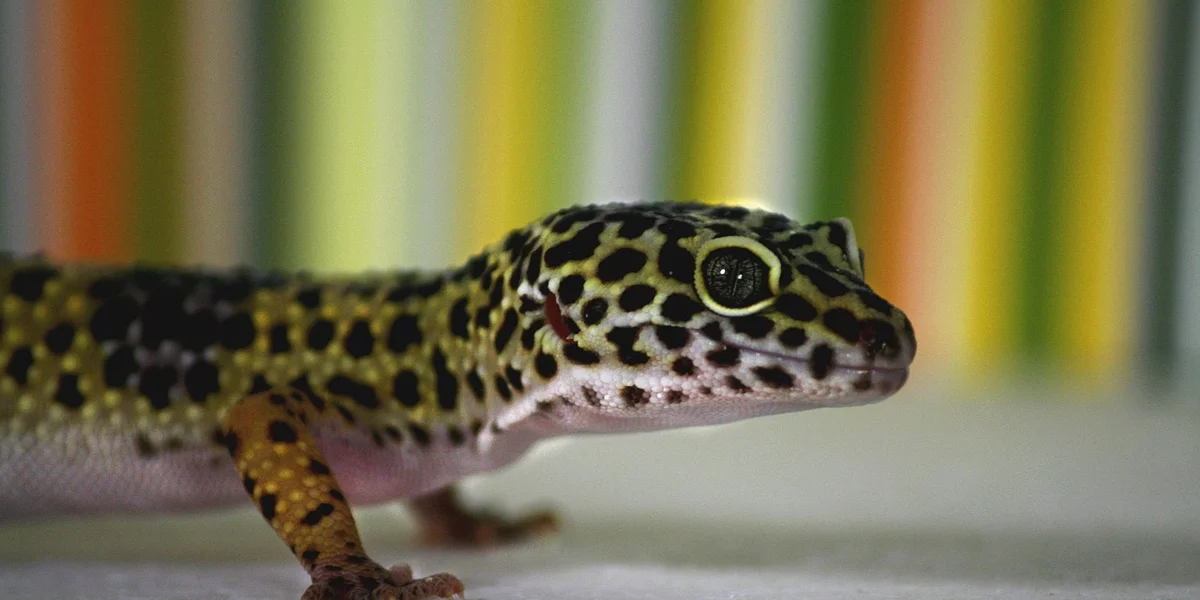
Not all geckos are created equal, and their handling gear shouldn’t be either. Choosing the right tools depends entirely on whether your gecko is a ground-deller or an arboreal acrobat. Proper handling techniques vary by species, and understanding their natural habits helps you avoid stress. Some geckos are more stress-sensitive and benefit from gentle, full-body support rather than grabbing at individual limbs. Getting this wrong can lead to a stressful – or even dangerous – situation for both of you.
Leopard Geckos vs. Crested Geckos: A Gear Showdown
My Leopard Gecko, Griffey, is a classic ground-dweller. He’s curious but stays low. For him, a simple, secure plastic container with a locking lid and air holes is perfect for short trips to the vet. It’s low, so he can’t fall far, and it feels like a snug hide.
Now, my Crested Gecko, Jeter, is a different story. He lives for height. A smooth-sided, tall deli cup is my go-to for him. It gives him vertical space to perch without encouraging wild jumps. For handling, I always have a soft paintbrush on hand to gently guide his feet. This prevents him from getting his sticky toes stuck on my clothes, which can cause a panic. To address any climbing issues, you can solve crested gecko climbing problems.
How Behavior Dictates Your Gear Choices
- For Climbers (Crested, Gargoyle, Day Geckos): Prioritize tall, smooth-sided containers they can’t scale. Include a perch or a piece of crumpled paper towel for them to grip. Avoid deep, open hands-they are master escape artists.
- For Ground-Dwellers (Leopard, African Fat-Tailed): Focus on secure, low-profile tubs. They feel safest when they can touch the bottom and the sides. A hide placed inside the travel tub can make them feel instantly at home.
I learned this the hard way with my Gargoyle Gecko, Mookie. He’s incredibly jumpy. Using a small, ventilated Kritter Keeper instead of an open hand was a game-changer. I can gently usher him into it for transport, and the plastic walls contain his surprising leaps. It keeps him safe and my heart rate normal.
Cleaning and Maintaining Your Handling and Transport Gear
A dirty travel tub is a fast track to a sick gecko. Proper cleaning isn’t just about tidiness; it’s a non-negotiable part of responsible pet ownership. I clean all my handling gear immediately after every single use, without exception.
Your Step-by-Step Cleaning Routine
- Empty and Rinse: Dump out any substrate or waste and give the container a thorough rinse with hot water to remove debris.
- Scrub and Disinfect: Use a dedicated sponge and a reptile-safe disinfectant (like F10SC or chlorhexidine). Scrub every surface, inside and out, including the lid and air holes.
- Rinse Thoroughly: This is critical! Rinse the container until you can no longer smell the disinfectant. Any residue can harm your gecko.
- Air Dry Completely: Let the gear air dry fully before storing it. Moisture invites bacteria and mold.
I keep a spray bottle of pre-mixed reptile disinfectant right with my gecko supplies, so there’s no excuse to skip a clean. It takes me less than five minutes, but it prevents the spread of parasites and bacteria between my geckos. After handling my territorial African Fat-Tail, A-Rod, I’m especially diligent. You never know what microscopic hitchhikers might be left behind.
Smart Storage for Long Gear Life
- Store completely dry gear in a clean cupboard or bin.
- Keep them separate from household cleaning products to avoid chemical contamination.
- Check containers for cracks or warping before each use. Compromised gear is unsafe gear.
This simple routine extends the life of your equipment. More importantly, it gives you peace of mind. Knowing your gear is pristine means one less thing to worry about when your gecko’s health is on the line. Consider turning the routine into target training your gecko—a fun way to bond while you practice quick health checks. It also helps simplify health checks by making them a familiar part of daily care.
FAQs
How often should I handle my gecko to build trust?
Start with short, 5-10 minute sessions a few times a week, gradually increasing frequency as your gecko shows signs of comfort. During each session, observe and interpret your gecko’s mood cues to guide safe, gentle handling. This practice helps you tailor handling sessions to your gecko’s comfort level and keep handling safer.
What are the signs that my gecko is too stressed to handle?
Watch for behaviors like hissing, tail dropping, rapid breathing, or frantic attempts to escape, which mean you should stop handling immediately.
What should I do if my gecko escapes during a handling session?
Stay calm, secure the room by closing doors and windows, and gently guide them back to safety using a soft catch cup or your hands.
Final Words
Your gecko’s safety boils down to having the right tools: soft handling aids to prevent falls, a secure transport container to eliminate escape risks, and a portable heat source to maintain their delicate body temperature. Investing in these few key items transforms a potentially stressful event into a calm, controlled experience for both of you. These practices are part of a gecko safe-touch health safety guide for handling, helping ensure safe, low-stress interactions. By keeping handling brief and gentle, you protect both your gecko’s health and your own safety.
Remember, being a great gecko guardian is a continuous journey of learning and adapting to your pet’s unique needs. I’ve learned so much from my own crew over the years, and their well-being is always the top priority. For a new hatchling, practice gentle handling and gradual socialization to build trust. Keep handling sessions brief and calm to stay safe. Always handle with care, plan ahead for travel, and keep advocating for your scaly friend’s comfort and health.
Further Reading & Sources
- r/geckos on Reddit: How do i keep my leopard gecko safe while transporting him in the car?
- Transporting | Gecko Forums
- Transporting Your Pet Reptile – BeWild Reptile Rescue
The Gecko Guide is your ultimate resource for gecko enthusiasts, providing expert advice and practical tips to ensure the health and happiness of your scaly companions. Alexander is a passionate gecko owner with over a decade of experience in reptile care. We are dedicated to offering accurate, up-to-date information to support your gecko journey.Our mission is to foster a community of responsible gecko owners who are passionate about the well-being of these fascinating creatures.
Accessories and Supplies