
Sexing Your Leopard Gecko: Avoid These Common Mistakes
Published on: April 8, 2026 | Last Updated: April 8, 2026
Written By: Alexander 'Gecko Geek' Johnson
Figuring out if your leopard gecko is male or female can feel like a high-stakes guessing game, especially when you’re worried about accidentally housing males together or planning for a surprise clutch of eggs. I’ve been there, staring at my own geckos, Griffey and A-Rod, trying to spot the subtle differences before I knew what to look for.
Let me help you get it right the first time. We will cover the most frequent errors owners make so you can confidently determine your gecko’s sex. You will learn:
- Why you absolutely cannot trust age-based guesses.
- The specific physical signs that truly matter (and which ones to ignore).
- How to handle your gecko safely for a clear, stress-free check.
By the end of this guide, you’ll have a clear, step-by-step understanding. We cover the key identifiers, the best age to check, handling techniques, and what to do if you’re still unsure.
Understanding Leopard Gecko Sexual Dimorphism
Unlike some reptiles, leopard geckos are sexually dimorphic. This means males and females have visual physical differences once they mature. The key identifiers are found just under their tails, in an area we call the vent. For beginners, this is a simple entry point into leopard gecko genetics. It helps explain how color, pattern, and sex are inherited.
For males, the main features are a distinct V-shaped row of pre-anal pores and two noticeable bulges at the base of the tail. Females lack these bulges and have only very faint pores, if any are visible at all. It’s a clear system, but only if you know what you’re looking for and your gecko is old enough to show it.
Top Common Mistakes in Sexing Leopard Geckos
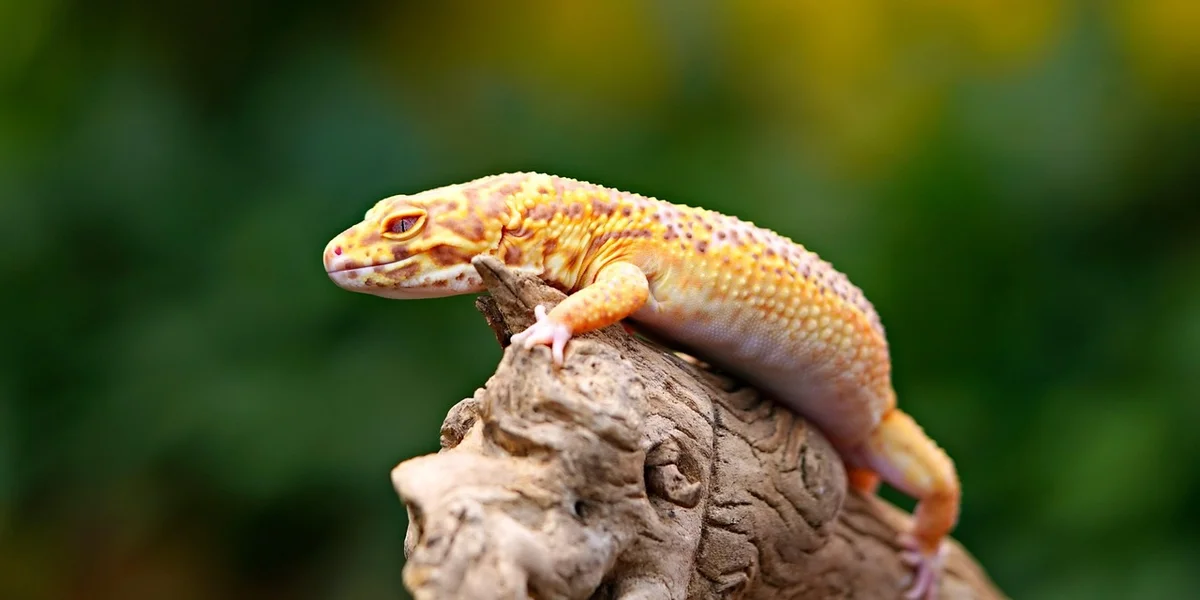
Sexing Juveniles Too Early
This is, by far, the most frequent error I see. The excitement to know if you have a boy or a girl is understandable! I felt the same way with my first gecko, Mookie.
You simply cannot accurately sex a leopard gecko until they are at least five to six months old and weigh around 25-30 grams. Before this age, their reproductive structures are not developed enough to be visible. If you’re trying to determine approximate age, use growth milestones and any known hatch date as a guide. After the first year, age estimates become less precise.
Attempting to guess the sex of a baby gecko leads to a lot of confused owners later on. I’ve had friends buy a “female” only to discover a prominent set of hemipenal bulges a few months down the line. Be patient. Let your gecko grow up a bit first. If you’re wondering how to tell whether your leopard gecko is male or female, check out our complete guide on telling male vs. female. It covers reliable cues and when to assess sex to avoid misidentification.
Misinterpreting Hemipenal Bulges and Pores
Even with an adult gecko, the vent area can be tricky to read if you’re not practiced. The two biggest confusions are:
- Mistaking fat storage for hemipenal bulges: A well-fed female gecko will have a plump tail base. This can sometimes look like the two distinct bulges of a male. The male’s bulges are lower, right at the vent, and are more defined. A female’s tail base is a single, smooth row of scales leading to the vent.
- Overlooking the pre-anal pores: The V-shaped row of pores above the vent is a dead giveaway for males. In mature males, these pores are large, dark, and often have a waxy secretion. Females may have tiny, faint pores that are almost invisible. If you don’t see a clear, dark V-shape, you’re likely looking at a female.
My gecko A-Rod has such pronounced pores he looks like he drew them on with a marker. In contrast, my other gecko, Babe, has none. Always look for the combination of bulges and prominent pores to confirm a male. Relying on just one characteristic is a recipe for a mistaken identity.
Step-by-Step Guide to Properly Sex Your Leopard Gecko
Handling Techniques for Accurate Observation
Getting a good look is the most critical part, and it all starts with safe handling. I’ve learned that a stressed gecko will tuck everything away, making identification impossible.
Gently scoop your gecko from below and let it rest in your palm, supporting its entire body. Never grab from above, as this mimics a predator. These steps are part of a safety guide for safe gecko handling. Following them protects both your health and your gecko’s well-being.
For the best view, I use the “tabletop” method. Here is my simple, three-step process:
- Find a soft, secure surface like a low table with a towel on it.
- With one hand, gently form a loose “C” shape around your gecko’s shoulders to keep it from walking forward.
- With your other hand, carefully lift the base of the tail and the back half of its body, arching the back slightly. This exposes the vent area perfectly.
Think of it like a gentle “wax on, wax off” motion-smooth and controlled. If your gecko struggles, stop immediately and try again later. Patience is everything.
Key Anatomical Checks for Sex Determination
Once you have a clear, calm view of the underside, you’re looking for two primary features right at the base of the tail. I always check my gecko, Griffey, when he’s calm after feeding.
Focus your eyes on the area between the back legs and the start of the tail-this is the vent. You are looking for a distinct V-shaped row of pores and the presence of bulges.
Here is the breakdown of what to look for in adult geckos:
- Male Leopard Geckos: You will see a very clear, pronounced V-shaped row of pre-anal pores. These look like little dark dots. Below that, you cannot miss two distinct, rounded hemipenal bulges on either side of the vent. They are obvious once you see them.
- Female Leopard Geckos: They either lack pre-anal pores entirely or have them, but they will be very faint and not nearly as dark or waxy. Most importantly, they will have no hemipenal bulges. The area under the tail will appear much flatter and smoother.
I once confused a plump female’s shape for bulges, but the lack of a defined pore line confirmed she was a lady. The combination of pores and bulges is the only reliable way to be sure.
When to Wait or Seek Expert Help
Sometimes, even with the best technique, the answer isn’t clear. This is a normal part of responsible gecko care, and knowing when to pause is a sign of a great owner. Understanding the normal vs abnormal behaviors can help you make better decisions.
If your gecko is under five or six months old, you simply need to wait. The sexual characteristics are not developed enough to see. I tried to sex my gecko Mookie too early and just had to be patient.
You should also wait if your gecko is about to shed, is noticeably stressed, or is refusing to cooperate. Forcing the issue helps no one. Understanding gecko shedding problems helps you recognize when to seek help and guides you on how to support your gecko through a healthy shed.
If your gecko is over eight months old and you still see absolutely no signs of bulges or pores, you might have a female. But if you’re seeing something ambiguous-like faint pores but no clear bulges-it can be confusing.
In these cases, do not guess. Your best options are:
- Take a clear, high-resolution photo of the vent area and post it on a reputable reptile forum for community input.
- Contact an experienced breeder or a reptile-savvy veterinarian for a professional opinion.
Getting a second set of eyes is a smart move for your peace of mind and your gecko’s welfare.
Avoiding Cross-Sexing and Breeding Ethics
I’ve seen too many well-meaning owners end up with a surprise clutch of eggs because they misidentified a female as a male. Accurately determining your gecko’s sex is the single most important step in preventing unwanted breeding and the ethical dilemmas that follow. By knowing these common problems, you can prevent them with simple solutions. Housing two geckos you believe are the same sex, only to find out one is female, is a common and stressful mistake. Strategies like accurate sexing, separating mismatched pairs, and quarantining new geckos solve many breeding issues.
The Risks of Getting It Wrong
Cross-sexing-mistaking a male for a female or vice-versa-leads directly to two major problems.
- Unplanned Breeding: A female leopard gecko can retain sperm and lay fertile eggs for up to a year after a single encounter. This places immense physical strain on her body.
- Aggressive Co-habitation: Two males will fight, often causing severe injury. A male and female will breed incessantly, leaving the female exhausted, thin, and prone to calcium deficiency (egg-binding).
Your Ethical Responsibility
Breeding leopard geckos should never be an accidental hobby. I made the conscious choice to only keep males to avoid this exact scenario. Ethical breeding requires extensive planning, genetic knowledge, and a network to ensure every hatchling finds a responsible, lifelong home. To guide this responsibility, I follow an ethically responsible gecko breeders checklist. It helps ensure every decision—from pairing to placement—meets welfare and accountability standards. The reptile world is already saturated with geckos in need of rescue.
- Ask yourself: Do I have the time, space, and financial resources to care for 5-20+ new geckos?
- Do I have verified homes lined up for every potential hatchling?
- Am I prepared for vet bills if the mother becomes egg-bound?
If you are not a dedicated breeder, the safest and kindest choice is to house geckos individually.
Tools and Tips for Confident Sexing
You don’t need a veterinary degree to sex your leopard gecko correctly. A combination of the right tools, good timing, and a gentle hand will give you a definitive answer. Rushing this process is how mistakes happen.
Essential Gear for a Clear View
- Jeweler’s Loupe or Magnifying Glass: This is my secret weapon. A 10x loupe lets you see the precise arrangement of pre-anal pores and any subtle hemipenal bulges with crystal clarity.
- Your Phone’s Camera: Use the macro mode or simply take a close-up photo. You can often zoom in on the picture better than you can see the gecko in person, especially if they are wiggly.
- A Small, Clear Container: Gently place your gecko in a clear plastic tub. The contained space and see-through walls often encourage them to stay still and flatten out, giving you a perfect, safe viewing angle.
A Safe and Effective Handling Technique
Never squeeze or put pressure on your gecko’s tail base. Follow these steps for a stress-free check-up.
- Ensure your hands are clean and warm.
- Gently scoop up your gecko and support its entire body.
- With one hand, lift the tail straight up at a 90-degree angle to the body. Do not bend it sideways.
- Use your other hand or your loupe to examine the area just above the vent under a bright light.
- If the gecko struggles, stop immediately and try again later.
Patience is more valuable than any tool. If your gecko is under six months old or 20 grams, just wait. Their sexual characteristics are simply not developed enough to see, and you will save yourself a lot of guesswork and potential error. Understanding the gecko lifecycle and milestones can help you determine the appropriate time to start trying to sex them.
FAQs
Can I use behavior to determine my leopard gecko’s sex?
No, behavior is not a reliable indicator for sexing leopard geckos, as physical characteristics like pre-anal pores and hemipenal bulges are the only accurate methods.
How often should I check my leopard gecko’s sex?
You only need to check once when your gecko is over five to six months old and weighs at least 25-30 grams, as sexual characteristics are permanent after maturity. This check can also help determine crested gecko age, especially if you don’t know the hatch date. Tracking growth milestones can give a rough estimate of age.
Are there any health risks associated with incorrect sexing?
Yes, misidentifying sex can lead to aggressive co-habitation, unplanned breeding, and associated health problems like injury or calcium deficiency in females.
Your Path to Confident Gecko Sexing
To get it right, always wait until your gecko is a mature adult, look for the distinct row of pores and hemipenal bulges in males, and handle your pet with the utmost gentleness during the process. If you are ever in doubt, don’t guess-snap a clear photo and consult a seasoned breeder or a reptile-savvy veterinarian for a second opinion.
Accurately identifying your gecko’s sex is a fundamental part of responsible ownership, directly impacting your ability to prevent unexpected breeding and plan proper habitats. I’ve found that the journey of learning about my geckos never truly ends, and embracing that continuous education is one of the most rewarding parts of being a pet parent.
Further Reading & Sources
- Leopard Gecko Sexing Instructions | Leopard Gecko Care
- How to Know the Sex of Your Leopard Gecko – Geckopia
- Is Your Leopard Gecko a Boy or a Girl?
The Gecko Guide is your ultimate resource for gecko enthusiasts, providing expert advice and practical tips to ensure the health and happiness of your scaly companions. Alexander is a passionate gecko owner with over a decade of experience in reptile care. We are dedicated to offering accurate, up-to-date information to support your gecko journey.Our mission is to foster a community of responsible gecko owners who are passionate about the well-being of these fascinating creatures.
Sexing & Mating Behavior