
Are Geckos Safe to Handle? Your Health & Safety Guide
Published on: May 4, 2026 | Last Updated: May 4, 2026
Written By: Alexander 'Gecko Geek' Johnson
You’re looking at your gecko and wondering, “Is it actually safe to pick you up?” You’ve heard conflicting advice and you’re worried about stressing your pet or getting sick yourself.
As a long-time gecko keeper, I’ve handled everything from jumpy juveniles to calm old-timers. I will help you understand the realities so you can interact with your pet confidently and safely. We will cover:
- The truth about diseases like Salmonella.
- How to handle your gecko without causing it stress.
- Which species are best for regular handling.
You will get clear, actionable advice based on my personal experience and established reptile care standards.
The key topics we will explore are: Gecko Temperament, Zoonotic Disease Risks, Proper Handling Techniques, Species-Specific Advice, Recognizing Stress Signals, and Post-Handling Hygiene. Additionally, a Gecko Temperament Guide will help identify which species are most handleable for beginners. This will help you choose a gecko whose temperament matches your experience and daily routine.
Understanding the Risks of Gecko Handling
Many new owners worry about diseases when touching their geckos, and it is a valid concern. Zoonotic diseases like Salmonella can transfer from reptiles to humans through direct contact or contaminated surfaces. Geckos often carry Salmonella in their digestive tracts without showing symptoms, so handling them or touching their habitat can spread bacteria to your hands. Always assume your gecko could be a carrier, even if they appear perfectly healthy.
Beyond Salmonella, parasites, mites, and bacteria pose risks, especially with wild-caught geckos. Pet geckos can harbor internal parasites if not properly vetted, and external mites might hitch a ride from unclean enclosures. Bacteria like E. coli can thrive in dirty habitats. Do geckos carry Salmonella? They can, which is why good hygiene and careful enclosure cleaning are essential to prevent transmission. Wild geckos are far riskier due to unknown exposure to pathogens and environmental toxins.
Common health hazards vary in impact based on your health status. Here is a quick list of what to watch for:
- Salmonella: Causes stomach cramps and fever; higher risk for children and elderly.
- Parasites: Lead to skin rashes or digestive issues; immunocompromised people face severe reactions.
- Mites: Trigger itching and allergies; those with sensitive skin may develop redness.
- Bacterial infections: Result from unclean handling; can worsen existing conditions.
When I first brought home Griffey, my leopard gecko, I was terrified of getting sick from touching him. I wore gloves for weeks until I learned that consistent hygiene and habitat maintenance drastically cut risks. Knowledge transformed my fear into confident, safe interactions with all my geckos.
Essential Precautions Before Handling Your Gecko
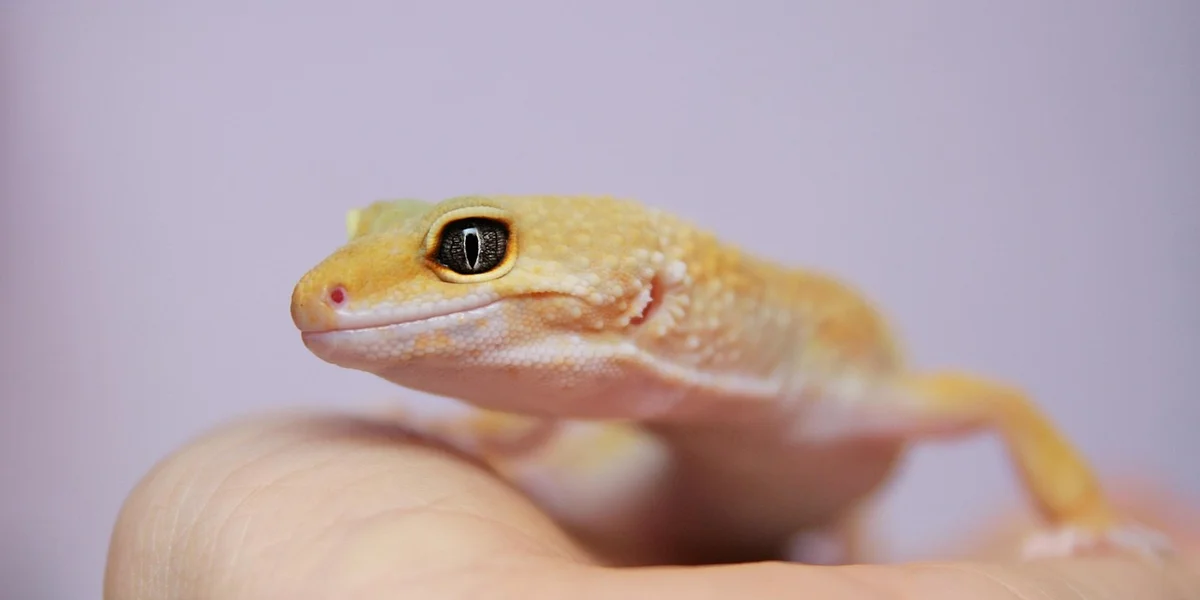
Before you reach for your gecko, take a moment to assess their well-being. A healthy gecko is alert, active, and not hiding excessively. Look for clear eyes, smooth skin, and normal breathing. If your gecko seems lethargic or has stuck shed, postpone handling. Observing these signs ensures you do not stress an already vulnerable pet. It’s crucial to differentiate gecko stress vs normal behavior.
Hygiene is your best defense against health risks. Follow these steps every time:
- Wash your hands thoroughly with soap and warm water before and after contact.
- Use disposable gloves if you have open cuts or known allergies.
- Inspect the enclosure for cleanliness; remove waste and sanitize surfaces regularly.
Avoid handling during certain times to protect both you and your gecko. Do not touch them when they are shedding, as their skin is sensitive and they might bite. Wait at least 24 hours after feeding to prevent regurgitation. Skipping handling during these periods reduces stress and health complications.
Check the environment to keep your gecko comfortable. Ensure the room temperature matches their species needs-for example, leopard geckos like it around 80-85°F. Handle them in a secure, escape-proof area. From my experience with Jeter, my crested gecko, a warm, calm setting makes him more receptive to gentle touch.
Safe Handling Techniques for Different Gecko Species
Each gecko species has its own personality and handling preferences. Tailoring your approach to their specific needs makes handling safer and more enjoyable for both of you. I’ve learned this firsthand with my own crew of geckos, from the bold to the shy.
Species-Specific Advice
- Leopard Geckos (like my Griffey): These are often calm and tolerate handling well. Approach from the side, not above, to avoid triggering a predator response. Griffey prefers to be scooped up gently rather than grabbed.
- Crested Geckos (like my Jeter): They are excellent climbers but can be jumpy. Handle them over a soft surface. Jeter feels most secure when he can grip my fingers with his tiny toe pads.
- African Fat-Tailed Geckos (like my A-Rod): More shy and terrestrial. They appreciate slow, deliberate movements. A-Rod will often freeze if he feels threatened, so I read his body language carefully.
- Gargoyle Geckos (like my Mookie): Energetic and can leap unexpectedly. Keep handling sessions short and contained. Mookie’s playful bursts mean I always keep a hand ready to catch him if he jumps.
- Giant Day Geckos (like my Babe): Fast and easily stressed; they are often best observed rather than handled. Babe’s food motivation means I sometimes use a target stick to guide him instead of picking him up directly.
Step-by-Step Gentle Pickup Method
- Wash your hands with unscented soap to remove any smells that might alarm them.
- Move your hand slowly into the enclosure, allowing the gecko to see you coming.
- Place your flat hand palm-up in front of the gecko and gently slide it under their belly and front legs.
- Lift smoothly and support their entire body, keeping them close to a surface initially.
- Hold them in your cupped hands to make them feel secure and prevent falls.
Rushing this process can scare your gecko and make future handling difficult. I always take my time, especially with my more skittish geckos like A-Rod.
Encouraging Voluntary Crawling
You can train your gecko to come to you. Patience and positive reinforcement are your best tools here. Place your hand flat with a treat, like a dab of fruit puree for cresteds, and let them approach. My gecko Jeter now often crawls onto my hand on his own when he sees me, which feels like a real win.
Handling Duration and Breaks
- Start with short sessions of 5-10 minutes, especially for new or young geckos.
- Watch for signs of stress like trying to escape or hiding their head.
- Give them a break if they seem restless, and always limit handling to a few times a week.
- Longer sessions can be okay for calm, accustomed adults, but never exceed 15-20 minutes.
Overhandling can lead to chronic stress, which harms their health. I learned this early on when Griffey started avoiding my hand; I scaled back, and his curiosity returned.
Recognizing and Reducing Gecko Stress During Handling
Geckos communicate stress through clear body language. Learning to read these signals is crucial for their welfare and your bonding experience. Ignoring them can lead to health issues or a fearful pet. I bond with my gecko by tuning into these cues and responding with calm, consistent care. This kind of communication helps us stay connected and reduces stress for both of us.
Signs of Stress
- Tail Dropping (Autotomy): Some species, like cresteds, can drop their tails when terrified. It’s a last-resort defense.
- Hissing or Chirping: Vocalizations mean “back off.” My gecko A-Rod hissed once when I moved too fast-I listened.
- Rapid Movement or Fleeing: If they’re scrambling to get away, they’re not having fun.
- Color Changes: Some geckos, like cresteds, may darken in color when stressed.
- Freezing or Playing Dead: This is a common fear response in species like African fat-tails.
Spotting these signs early prevents a stressful situation from escalating. It took me a few mishaps with Mookie’s leaping antics to realize that rapid movement was his way of saying “I’m done.”
Techniques to Calm a Stressed Gecko
- Move in slow, predictable motions-no sudden grabs.
- Handle in a quiet, dimly lit room to reduce external stimuli.
- Speak softly or not at all; your voice can be startling.
- Return them to their enclosure if they show multiple stress signs.
- Offer a hide or familiar object in your hand for security.
Creating a calm environment helps your gecko feel safe and builds trust over time. When Babe gets jittery, I lower the lights and he usually settles down to bask.
When to Stop Handling
- If they drop their tail-this is a major stress event.
- When they consistently try to jump or run off your hand.
- If they hiss, bite, or show darkened colors.
- When they stop moving entirely and seem “shut down.”
- During shedding periods or after eating-they need privacy then.
Putting their needs first sometimes means ending a session early, even if you were enjoying it. I had to learn this with my territorial A-Rod; now I respect his space, and he’s much happier.
Personal Stories of Learning Stress Signals
My gecko Mookie taught me about stress the hard way. One day, during a handling session, he started leaping erratically between my hands. I thought he was playing, but it was a panic response. I now know that’s his cue for “too much.” With Jeter, my crested gecko, I noticed he’d freeze and darken if I handled him after a loud noise. I started choosing quieter times, and his calm confidence returned. These experiences reinforced that observing and adapting to their behavior is key to ethical pet care.
Hygiene and Sanitation After Gecko Contact
After handling any of my geckos, like energetic Griffey or calm Jeter, I never skip hand washing. Proper hygiene protects both you and your pets from bacteria like Salmonella, which geckos can carry without showing symptoms. It is a non-negotiable part of responsible ownership.
Thorough Hand Washing Steps
- Wet your hands with warm, running water.
- Apply a generous amount of soap and lather thoroughly, including between fingers and under nails.
- Scrub for at least 20 seconds-I time it by humming “Happy Birthday” twice.
- Rinse completely under clean water.
- Dry with a single-use towel or air dryer to avoid recontamination.
If soap and water are not available, use an alcohol-based hand sanitizer with at least 60% alcohol. I keep a bottle near my gecko enclosures for quick clean-ups after handling Mookie during his playful climbing bursts.
Cleaning Surfaces and Enclosures
Gecko habitats can harbor bacteria, so regular cleaning is essential. Always wear gloves when cleaning to prevent direct contact with waste or soiled bedding. Cleaning your gecko tank properly helps keep them healthy. Here is how I manage it:
- Spot clean daily: Remove feces, uneaten food, and shed skin using a dedicated scoop or paper towels.
- Disinfect weekly: Use a reptile-safe disinfectant (e.g., diluted bleach solution or vinegar mix) on enclosure walls, hides, and décor. Rinse thoroughly to avoid chemical residues.
- Wash food and water dishes daily with hot, soapy water to prevent mold and bacteria buildup.
For surfaces outside the enclosure, like tables or floors where geckos might roam during handling, wipe down with a disinfectant spray. This routine has kept my home safe, especially with curious kids around who love watching Babe bask.
Simple Daily and Weekly Hygiene Routine
Stick to this easy schedule to maintain a clean environment:
- Daily: Wash hands post-handling, spot clean enclosures, and sanitize food dishes.
- Weekly: Deep clean enclosures, replace substrate if used, and disinfect all handling tools and surfaces.
Consistency here prevents cross-contamination and ensures your geckos, like territorial A-Rod, stay healthy in their space. I have seen how skipping even one weekly clean led to minor issues, but sticking to this routine avoids headaches.
Household safety is paramount, particularly with children who may touch their faces after handling. Teach kids to wash hands immediately and supervise all interactions to reduce risks. My own experience with young relatives showed that simple habits, like singing while washing, make hygiene fun and effective.
Emergency Procedures for Bites, Scratches, and Allergies
Even with gentle geckos like Jeter, accidents can happen. Most gecko bites and scratches are minor, but knowing how to respond quickly prevents complications. I have dealt with a few mishaps over the years, and prompt action is key.
First Aid for Minor Injuries
- Wash the area immediately with soap and warm water for at least one minute.
- Apply an over-the-counter antiseptic, such as hydrogen peroxide or iodine, to reduce infection risk.
- Cover with a sterile bandage if the skin is broken, and monitor for redness or swelling.
- If itching occurs from an allergic reaction, use an antihistamine cream and avoid scratching.
For scratches, I have found that keeping a small first aid kit near my gecko setup saves time-like when Mookie’s quick leap left a tiny mark on my hand. It healed fast with proper care.
When to Seek Veterinary or Medical Help
- If a bite breaks the skin deeply or shows signs of infection, such as pus, increased pain, or fever.
- For severe allergic reactions, like difficulty breathing or widespread hives, seek emergency medical attention immediately.
- If your gecko acts unusually after an incident, consult a reptile veterinarian to rule out stress or illness.
In one case, A-Rod nipped me during enclosure cleaning, and though it was superficial, I watched for infection and cleaned it thoroughly-no vet visit was needed. Trust your instincts; if something feels off, get professional advice.
Preventing Emergencies Through Proper Handling and Gear
Prevention starts with understanding gecko behavior. Always approach slowly and avoid sudden movements to reduce stress, especially with species like African Fat-Tailed geckos that prefer solitude. Use these tips:
- Wear lightweight gloves if your gecko is skittish or you have sensitive skin.
- Handle geckos close to the ground or over a soft surface to cushion falls.
- Limit handling sessions to 10-15 minutes to prevent exhaustion and defensive reactions.
I learned this the hard way when Griffey squirmed free once, but now I handle him over a towel for extra safety. Gear like reptile-friendly harnesses can also help for outdoor supervision, but always prioritize the gecko’s comfort.
Real-Life Handling Mishaps and Resolutions
Personal stories highlight how common issues can be managed. When Babe, my food-motivated Giant Day Gecko, once mistook my finger for a treat, I calmly withdrew and washed the area-it was a tiny nip that healed overnight. Another time, a friend’s child got a minor scratch from a gecko claw, but quick hand washing and a bandage resolved it without drama. These experiences taught me that calm, prepared responses turn potential emergencies into learning moments. Always keep your gecko’s welfare in mind; if they seem stressed, give them space and try again later.
FAQs
What are the key safety considerations when handling geckos?
Focus on thorough hand hygiene, gentle handling to prevent stress, and checking that the gecko is not shedding or digesting a meal to avoid health risks. Proper handling techniques vary by gecko species, so tailor your approach to the species you are handling. For specific advice, refer to the Gecko species handling guidelines to ensure safe and appropriate handling.
What PPE is recommended when handling geckos?
Wear disposable gloves, especially if you have cuts or sensitive skin, to protect against bacteria and reduce direct contact.
How should gloves be used when handling geckos to minimize stress?
Choose soft, breathable gloves and allow the gecko to sniff or see them first to prevent startling, handling slowly and calmly.
What environmental conditions reduce risk while handling geckos?
Ensure the room is warm, quiet, and free of drafts or loud noises to keep the gecko relaxed and less likely to escape or become stressed. This calm, stable habitat is a key technique for calming a stressed gecko. Simple environmental fixes—steady temperature, proper humidity, and secure hides—can help keep it relaxed.
What steps ensure gecko safety during handling?
Always support the gecko’s full body, avoid sudden movements, and handle close to a soft surface to prevent falls and injuries. When a gecko is sick or injured, minimize handling and move it gently to a secure, quiet container. For tips on how to safely handle sick or injured geckos, seek veterinary care promptly to reduce stress and ensure proper treatment.
The Takeaway on Gecko Handling
Handling your gecko can be a wonderful experience for you both, provided you always prioritize their well-being first. By learning to interpret your gecko’s mood, you can tailor each session for safety and calm. This practice supports safer handling sessions. Stick to gentle, brief sessions, wash your hands before and after, and learn to read their unique body language for signs of stress. Remember, a calm gecko is a safe gecko to handle.
Being a great gecko owner is a continuous journey of learning and attentive care. Your commitment to understanding their specific needs, from habitat setup to handling etiquette, is what truly defines a responsible and rewarding pet partnership.
Further Reading & Sources
- Experts say that geckos pose no threat to people | Fact Check
- r/leopardgeckos on Reddit: Is it important to hold your Gecko, or is it okay to just let them do their thing without a lot of human contact?
- 5 Leopard Gecko Handling Tips & 1 Thing to Never Do! – Leopard Gecko Habitat
The Gecko Guide is your ultimate resource for gecko enthusiasts, providing expert advice and practical tips to ensure the health and happiness of your scaly companions. Alexander is a passionate gecko owner with over a decade of experience in reptile care. We are dedicated to offering accurate, up-to-date information to support your gecko journey.Our mission is to foster a community of responsible gecko owners who are passionate about the well-being of these fascinating creatures.
Handling & Behavior Signs