
Glass vs. PVC Enclosures for Geckos: The Ultimate Guide
Published on: March 8, 2026 | Last Updated: March 8, 2026
Written By: Alexander 'Gecko Geek' Johnson
Choosing the right home for your gecko is one of the most critical decisions you’ll make, and the debate between glass and PVC can feel overwhelming. I’ve spent years housing my own crew-from my humidity-loving Crested Gecko, Jeter, to my dry-terrain Leopard Gecko, Griffey-and I’ve learned that the “best” material isn’t a one-size-fits-all answer.
I’m going to help you cut through the confusion by breaking down the pros and cons of each material based on three key points:
- Humidity and heat retention capabilities
- Durability and long-term value
- Ease of maintenance and customization
By the end of this guide, you’ll have a crystal-clear understanding of which enclosure will help your specific gecko thrive. We’ll cover: material properties, cost comparison, insulation performance, cleaning, safety, and my final recommendations for popular gecko species.
What Are Glass and PVC Enclosures?
Glass enclosures are the classic, see-through tanks you often see in pet stores. They’re typically constructed with panes of glass held together by silicone seals. I started my gecko-keeping journey with a simple glass tank for Griffey, my leopard gecko.
PVC enclosures are made from a type of rigid plastic. They usually have a front-opening glass door but are otherwise opaque on the sides and back. I switched my crested gecko, Jeter, to a PVC cage last year and the difference was noticeable.
- Transparency: Glass is fully transparent. PVC is typically only transparent on the front panel.
- Weight: Glass is very heavy, especially for larger tanks. PVC is significantly lighter and easier to move.
- Insulation: Glass conducts temperature, making heat escape quickly. PVC is a better insulator, helping maintain stable temperatures.
- Assembly: Glass tanks often come pre-assembled. Many PVC cages require some basic assembly upon arrival.
Durability and Safety: Which Material Protects Your Gecko Best?
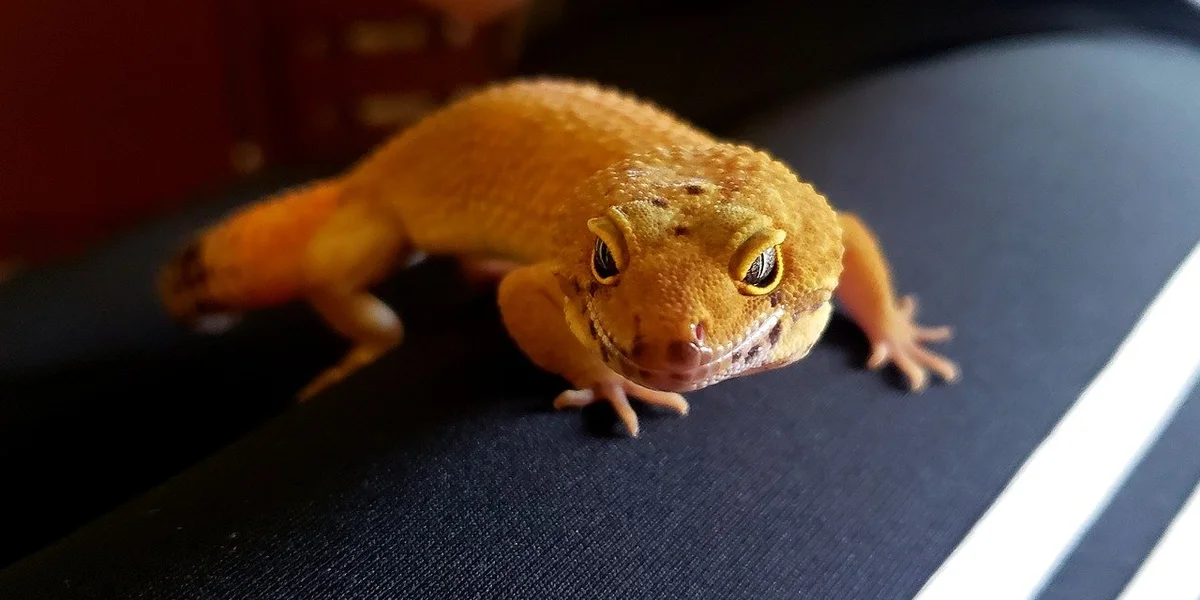
Your gecko’s home needs to be a fortress. The material it’s made from directly impacts their physical safety and mental well-being. I’ve learned this through both careful planning and a couple of heart-stopping moments. To make your gecko enclosure safe, here are practical household hazard tips to keep common dangers at bay.
Breakage Risks and Gecko Safety
Glass can shatter. It’s a hard fact. A falling decor item or a sharp impact can cause a catastrophic failure. I once had a scare when a heavy climbing branch slipped from my hand and hit the side of my old glass tank for my crestie; the loud *thwack* sent him scrambling for cover, stressing him out for hours.
PVC does not shatter. At worst, it might crack or dent under extreme force, but it won’t explode into dangerous shards. This single difference makes PVC cages inherently safer for clumsy handlers and busy households with kids or other pets. For species like crested geckos who are prolific jumpers, a solid-sided PVC cage can also reduce stress by making them feel more secure, unlike the exposed feeling of a fully transparent glass box.
Longevity and Wear Over Time
Glass is highly scratch-resistant. You can scrub it clean for years without clouding the view. My first glass tank still looks new, despite a decade of use and deep cleanings.
PVC, however, can scratch more easily if you use abrasive pads or cleaners. You need to be gentler. The real longevity win for PVC is its resistance to water damage and its structural integrity. The silicone seals on glass tanks can degrade over many years, potentially leading to leaks or failure. My A-Rod’s PVC enclosure shows no signs of wear after three years, while an older glass tank has a slightly cloudy silicone seam that I monitor closely.
Watch for these signs of wear:
- Glass Tanks: Cloudy or peeling silicone seals, chips on the glass edges.
- PVC Cages: Fine surface scratches from cleaning, warping from extreme heat (like placing it directly next to a radiator).
Heat Insulation and Humidity Control
Getting the internal environment just right is a huge part of gecko care. The material of your enclosure directly influences how much work you’ll need to do to maintain that perfect climate. I’ve spent countless hours monitoring thermometers and hygrometers in both glass and PVC setups, and the differences are significant. So, are the best hygrometers worth using for monitoring gecko enclosures? Here’s what to look for.
Temperature Regulation and UV Lighting
Think of PVC as a cozy, insulated room and glass as a sunroom. PVC excels at heat retention, creating a much more stable and consistent temperature gradient from the warm side to the cool side. My gecko, Babe, in his PVC tank, enjoys steady basking temps without wild swings, even when my room temperature dips at night.
Glass, on the other hand, loses heat quickly. You’ll often find the glass itself feels cool, which can create unexpected cold spots. For UVB lighting, standard glass panels block virtually all UVB rays, so your lighting must always be placed inside the enclosure, above any mesh screen. PVC enclosures often come with built-in screen tops, making this setup simpler.
To avoid hot or cold spots in any enclosure, follow these steps:
- Always use a thermostat with your heat source.
- Place at least two digital thermometers-one on the warm end and one on the cool end.
- Check surface temperatures with an infrared temperature gun, especially on decor pieces.
Humidity Management and Ventilation
This is where the choice between materials really defines your daily routine. PVC is practically a humidity superhero, holding moisture in the air with very little effort. This is a dream for my Crested Gecko, Jeter, who needs that tropical misty environment. A light misting in the morning keeps his levels perfect all day.
Glass requires more vigilance. Humidity escapes much faster from a glass tank, making it a better starting point for arid species like Leopard Geckos. For leopard geckos, actively controlling humidity in the tank is essential to maintain an arid, shedding-friendly environment. The downside? Condensation. You’ll see water beads forming on the cool glass walls, which can obscure your view and promote mold if not managed.
Best practices for humidity control:
- For PVC Enclosures: Focus on ventilation. Use the installed vents to create cross-ventilation and prevent stagnant, overly wet air. Misting should be light and monitored.
- For Glass Tanks: Cover part of the mesh top with a glass or acrylic panel to trap humidity. Reduce ventilation to raise moisture levels for tropical species.
- For All Enclosures: Use a digital hygrometer. Never guess. Good substrate and live plants also help regulate moisture naturally.
Visibility and Behavioral Impact
We love watching our geckos, but we must consider how they feel about being watched. The clarity of the walls impacts not just your viewing pleasure, but your pet’s fundamental sense of security. I learned this the hard way when my shy A-Rod would constantly glass-surf in his clear tank, a classic sign of stress. Unlike lighting and temperature, which also affect gecko behavior, the transparent walls seemed to particularly unsettle him.
Gecko Stress and Visibility
Glass provides a crystal-clear view, but that works both ways. Many geckos do not understand glass and can see movement and their own reflection, which they may perceive as a territorial threat. This is especially true for more nervous species like African Fat-Tails or shy juveniles. Glass can also be a stress trigger that causes them to exhibit certain behaviors.
PVC enclosures, often having opaque sides, offer a sense of privacy and security that glass cannot match. My geckos in PVC displays are noticeably more relaxed and spend more time out in the open, confident they are safe in their sheltered space. Mookie, my Gargoyle Gecko, went from a hiding recluse to an active climber after I moved him to a PVC tank with solid walls.
You can reduce stress in a glass enclosure with a few simple fixes:
- Apply a static-cling background to three sides of the tank. This instantly makes the space feel more enclosed and safe.
- Provide plenty of hides and clutter. Fake or real plants, cork rounds, and other decor break up the sightlines and create security.
- Place the enclosure in a low-traffic area of your home to minimize sudden movements that can startle your pet.
Cost, Maintenance, and Cleaning Ease
Let’s talk dollars and sense. The upfront price tag is often the first thing we see, but the real cost of an enclosure unfolds over years. You need to weigh the initial investment against long-term durability and how much elbow grease you’re willing to put in. From my own menagerie, I’ve found that cheaper isn’t always cheaper in the long run.
Cleaning and Sanitation
A clean home is a healthy home for your gecko. The material of your tank directly impacts your cleaning routine. I’ve spent many Saturday mornings with my sleeves rolled up, and I can tell you there’s a clear difference. To clean your gecko tank properly, use reptile-safe cleaners and rinse well to remove residues. Regular spot-cleaning and periodic substrate changes keep the tank sanitary and your gecko thriving.
Cleaning a Glass Enclosure:
- Remove your gecko to a secure temporary holding bin.
- Take out all decorations, bowls, and hides.
- Spray the interior glass surfaces with a reptile-safe disinfectant or a 50/50 vinegar-water solution.
- Wipe down all surfaces with a clean cloth or paper towel. Glass’s non-porous surface makes wiping off messes and water spots straightforward.
- Rinse thoroughly with clean water to remove any chemical residue.
- Dry completely before replacing décor and your gecko.
Glass is a dream to wipe down, but its heavy weight makes moving it to a sink or tub for a deep clean a real chore. I always enlist a helper when it’s time to move my big glass tank for Babe, my Giant Day Gecko.
Cleaning a PVC Enclosure:
- Secure your gecko in a temporary bin.
- Remove all interior items.
- Spray down the PVC panels with your chosen reptile-safe cleaner. I prefer F10 SC veterinary disinfectant.
- Wipe clean. PVC is also non-porous, so stains and odors don’t soak in.
- Rinse and dry completely.
The lighter weight of a PVC cage is a huge advantage here, allowing one person to easily manage the entire cleaning process. My PVC enclosure for Jeter is a breeze to handle alone, which simplifies my weekly maintenance.
| Material | Initial Cost | Longevity | Maintenance Notes |
|---|---|---|---|
| Glass | Lower to Medium | Long (but prone to cracking) | Easy to wipe clean, but heavy and difficult to move. |
| PVC | Medium to High | Very Long (impact-resistant) | Easy to clean and light to move; superior heat and humidity retention. |
Choosing the Right Enclosure for Your Gecko Species
Not all geckos have the same lifestyle needs. Picking the right enclosure material is like choosing the right house for your climate; it has to suit the inhabitant perfectly. In gecko habitat husbandry, enclosure choice affects humidity, temperature, and enrichment. This approach is a core part of providing species-appropriate care. My crew of five all live in different setups tailored to their specific behaviors.
- Leopard Geckos (like Griffey): These ground-dwellers need belly heat and low humidity. Both glass and PVC work well, but PVC does a better job of maintaining the warm floor temperatures they crave without drafts.
- Crested & Gargoyle Geckos (like Jeter and Mookie): These climbers need vertical space and higher humidity. PVC is the superior choice hands-down because it holds that crucial moisture in far better than a screen-topped glass tank.
- African Fat-Tailed Geckos (like A-Rod): Similar to leopard geckos but often need a slightly more humid hide. PVC’s insulation helps create that stable, humid microclimate they appreciate.
- Giant Day Geckos (like Babe): They require high heat and very high humidity. While a glass aquarium can work, you’ll fight constantly with a humidifier. A PVC enclosure makes maintaining their tropical paradise dramatically easier.
Factors Like Budget and Home Environment
Beyond your gecko’s needs, you have to consider your own life. Be honest with yourself about your constraints and skills. A perfect enclosure is one that works for both your pet and your living situation. For beginners, a leopard gecko enclosure setup that is simple to maintain and fits your space is ideal. Start with the basics: a secure terrarium, proper heat, and places to hide.
Ask yourself these questions before buying:
- What is my total startup budget? (Don’t forget to budget for lights, heaters, and décor!)
- Is the room where the tank will live drafty or prone to temperature swings? (PVC helps stabilize conditions.)
- How often do I plan to handle my gecko? (Front-opening PVC tanks cause less stress during interaction.)
- Am I handy enough to assemble a flat-pack PVC cage, or do I need a pre-built one?
- Will I need to move the enclosure frequently? (The weight of glass becomes a major factor.)
Your own comfort and ability to consistently maintain the habitat is just as important as the specs on the box. I started with glass, but as my collection and knowledge grew, I saw the benefits of PVC for the wellbeing of my humidity-loving geckos.
## Common Questions
Is one material easier to assemble than the other?
PVC enclosures typically require some assembly upon arrival, while glass tanks usually come pre-assembled.
Does condensation form differently on glass versus PVC?
Condensation is more common and visible on the cool glass walls of an aquarium, whereas PVC panels tend to show less beading.
Which enclosure type is better for a household with young children or other pets?
PVC enclosures are generally safer for busy households as they are shatterproof and less likely to be damaged by accidental impacts.
Can I easily add custom modifications like background foam or mounted shelves to both materials?
PVC panels are generally easier to drill into and modify with mounted fixtures compared to glass, which requires special tools and care to avoid cracking.
How does the transparency of each material affect the viewing experience for me as an owner?
Glass offers unobstructed, 360-degree viewing, while PVC enclosures typically provide a clear view only through the front panel.
The Final Verdict
Your final choice ultimately depends on your specific gecko species and your home environment. For arid-loving geckos like Leopard Geckos in a stable room, a glass tank can be a perfectly suitable and budget-friendly home. For geckos that thrive in high humidity, like Cresteds or Gargoyles, or if your house is drafty, a PVC enclosure is the superior investment for stable heat and moisture. Remember to align tank size and enclosure setup with each species’ housing requirements. This helps ensure proper heat, humidity, and enrichment for a healthy gecko.
Ultimately, the best enclosure is the one you can maintain perfectly for your pet’s entire life. I’ve learned through my own geckos, like Griffey and Jeter, that their long-term health relies on my commitment to providing the right habitat. Choosing the right substrate for your gecko’s enclosure is part of that. It affects humidity, shedding, and comfort in your gecko’s home. Keep researching, ask questions in our community, and always put your gecko’s welfare first.
Further Reading & Sources
- r/leopardgeckos on Reddit: Advice: glass vs PVC enclosures
- Best Tank for Bearded Dragons: Glass vs PVC vs Wood
- Unboxing the Ultimate Gecko Enclosure? | Viperia PVC Tanks – YouTube
The Gecko Guide is your ultimate resource for gecko enthusiasts, providing expert advice and practical tips to ensure the health and happiness of your scaly companions. Alexander is a passionate gecko owner with over a decade of experience in reptile care. We are dedicated to offering accurate, up-to-date information to support your gecko journey.Our mission is to foster a community of responsible gecko owners who are passionate about the well-being of these fascinating creatures.
Enclosure Types & Sizing