
How Geckos Drink Water: Your Complete Hydration Guide
Published on: August 22, 2026 | Last Updated: August 22, 2026
Written By: Alexander 'Gecko Geek' Johnson
Have you ever actually seen your gecko drink water, or do you just hope they’re doing it when you’re not looking? I’ve spent many late nights watching my crew-Griffey, Jeter, and the others-and their drinking habits fascinated me enough to become a minor expert.
I’ll help you understand exactly how geckos hydrate and give you practical steps to keep them healthy. Here are the key takeaways:
- Geckos don’t drink like mammals-they use a fascinating tongue-lapping method
- Dehydration happens quietly but shows clear warning signs
- Simple adjustments to your setup make hydration effortless for your pet
You’ll get clear, experience-tested advice that works for all common pet gecko species. We cover: drinking mechanics, hydration signs, water bowl setup, misting techniques, humidity control, and emergency hydration methods.
Do Geckos Actually Drink Water?
Absolutely, geckos do drink water! I’ve spent countless evenings watching my leopard gecko, Griffey, meticulously lap water from his shallow dish. He’ll often take a break from posing on his favorite rock to have a long, deliberate drink. Witnessing this firsthand is the simplest proof that they actively seek out and consume water. Do leopard geckos swim or like water? Generally, they are not swimmers and will avoid deep water.
My crested gecko, Jeter, has a different style. He prefers to lick droplets of water from leaves and the sides of his enclosure after I mist it. Seeing his tiny tongue flick out to catch the water is a clear sign of oral intake.
- Do wild geckos drink water? Yes, they drink from dew on leaves, rainwater collected in plants, and other temporary water sources.
- Do house geckos drink water? Definitely. They will drink from condensation on windows and pipes, or from small puddles.
- Do all geckos drink the same way? No, their methods can vary. Some lap from standing water, while others are specialized droplet-drinkers.
Let’s debunk a big myth right now: geckos do not absorb a meaningful amount of water through their skin. Their primary and essential method of hydration is by drinking it orally. Providing water isn’t just a nice-to-have; it’s a non-negotiable part of their care. In gecko physiology, the skin can participate in a small amount of cutaneous respiration, but it is not a practical avenue for water absorption.
How Geckos Drink: The Science and Behavior
Licking Water Droplets and Dew
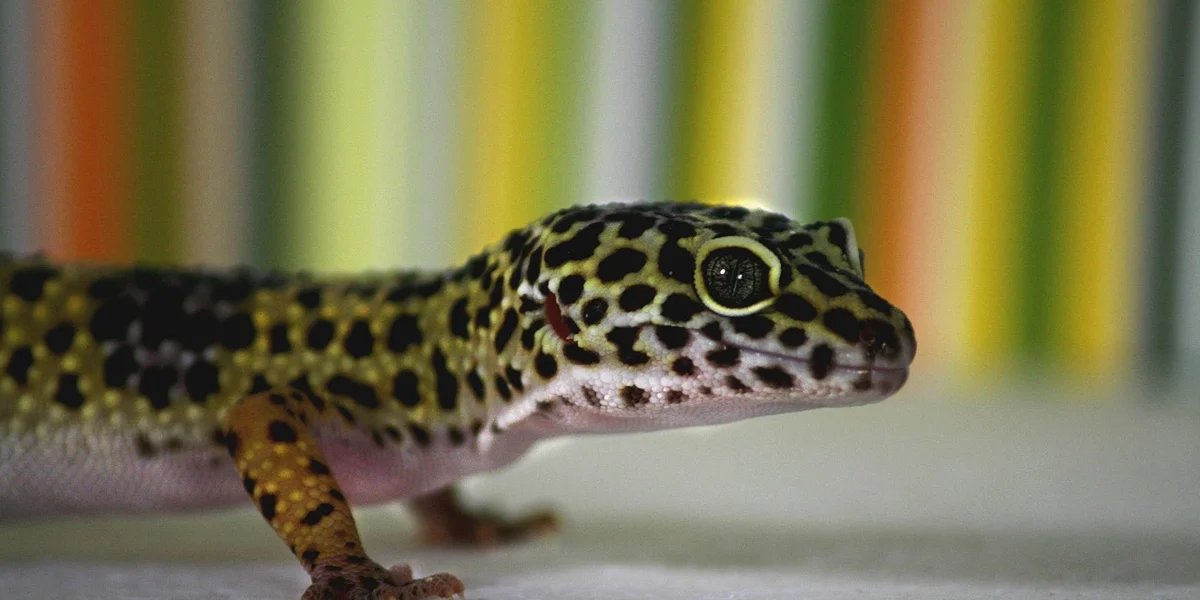
This is the preferred method for many arboreal species, like my gargoyle gecko, Mookie. He becomes a blur of activity after misting, leaping between branches to lick every glistening droplet. The process relies on a fascinating principle called capillary action. Their tongue acts like a tiny, efficient sponge, pulling liquid upward into their mouth.
Here is the step-by-step process for how nocturnal geckos like Mookie or Babe drink:
- They locate a water droplet on a leaf, branch, or the enclosure wall.
- They approach and position their head directly in front of the droplet.
- They rapidly extend their tongue to make contact with the water.
- Using capillary action, the water adheres to their tongue’s surface.
- They retract their tongue, pulling the water into their mouth to swallow.
Watching my giant day gecko, Babe, do this in the morning sun is a true spectacle. You can see his little throat move as he swallows. This behavior is hardwired into them and mimics how they would hydrate in the wild from morning dew and rain.
Using Water Dishes and Other Sources
Many terrestrial geckos, like Griffey, are perfectly happy drinking from a simple, shallow water dish. I’ve seen my African fat-tailed gecko, A-Rod, take slow, deliberate sips from his. The key is providing a dish with a low rim so they can access it easily.
You have a few options for enclosure setups:
- A shallow, sturdy water dish that cannot be tipped over.
- Misting the enclosure heavily to simulate rain.
- Dripper systems that create moving water droplets.
Different species have evolved different drinking techniques based on their environment. Here’s a quick comparison:
| Drinking Method | Common Gecko Species | Behavior Description |
|---|---|---|
| Lapping from Surfaces | Leopard Gecko, African Fat-Tailed Gecko | Uses the tongue to lap water from a shallow dish or flat, wet surface. |
| Sipping Droplets | Crested Gecko, Gargoyle Gecko | Prefers to lick individual water droplets from leaves and glass after misting. |
| Combination of Both | Giant Day Gecko | Will readily drink from a dish but also actively licks condensation and sprayed water. |
Observing your own gecko will tell you which method they favor, allowing you to tailor their hydration setup perfectly. This ties into the topic of the 8 biggest gecko hydration mistakes, showing how common missteps can impact their health. By watching for signs of dehydration or improper humidity levels, you can adjust before problems arise.
Species-Specific Hydration: Tailoring to Your Gecko
Leopard and African Fat-Tailed Geckos
My leopard gecko Griffey taught me that these ground-dwellers adore a simple, shallow water dish placed in a cool corner. They rarely lap from misted surfaces, so a clean dish is their main hydration source. I always use a heavy, tip-proof bowl to avoid spills during his energetic explorations.
A-Rod, my African fat-tailed gecko, is more territorial and prefers his water station away from high-traffic areas. Both species thrive in low humidity environments, typically between 30-40%, to prevent respiratory issues. I check levels daily with a digital hygrometer.
- Hydration Schedule: Offer fresh water daily; change it if soiled with substrate or feces.
- Enclosure Humidity: Leopard geckos need 30-40%, while African fat-tailed can handle slightly higher at 40-50%.
- Dish Placement: Keep it on the cooler side of the tank to reduce evaporation and mimic their natural habits.
Crested and Gargoyle Geckos
Jeter, my crested gecko, will lick droplets off leaves after misting like he’s tasting morning dew. These arboreal species rely on misting for drinking, so skip the water dish-they might ignore it completely. Mookie, my gargoyle gecko, performs acrobatic leaps to catch water drips during spraying sessions.
Maintaining humidity between 50-80% is non-negotiable for their health. I use a simple spray bottle for misting, but an automatic mister saves time for busy owners. Here’s how I keep their moisture consistent:
- Mist the enclosure heavily in the early morning and again at dusk to simulate natural dew cycles.
- Focus spray on leaves and decor to create drinkable droplets they can easily access.
- Use a drip system or live plants to provide continuous moisture between mistings.
Giant Day Geckos and Others
Babe, my giant day gecko, devours water droplets from plant leaves with the enthusiasm of a home run hitter. High humidity around 60-80% encourages dew formation, which they eagerly drink throughout the day. His bright green skin glistens after a good misting, showing he’s properly hydrated.
For species like this, water dishes are often useless-they prefer licking surfaces. Live plants not only boost humidity but also create condensation for drinking. Follow these tips to keep them quenched:
- Incorporate broad-leaf plants like pothos to maximize droplet retention after misting.
- Monitor substrate moisture; it should feel damp but not soggy to support humidity levels.
- Avoid stagnant water pools, as they can breed bacteria and harm your gecko’s skin.
Setting Up the Perfect Hydration System
Misting and Humidity Control
After years with crested geckos, I’ve nailed a misting routine that keeps them happy without overdoing it. Mist twice daily-once in the morning and once at night-to mimic tropical rainfall patterns. This schedule prevents mold growth while ensuring droplets are available when they’re most active. This is especially important when learning proper misting techniques for crested geckos.
Humidity gauges are your best friend here; I place one near the top and bottom of the enclosure for accurate readings. Budget-friendly options include manual spray bottles, while automated systems offer hands-free convenience for larger collections. Here’s my step-by-step approach:
- Spray until leaves and walls are beaded with water but not dripping excessively.
- Allow the enclosure to dry out slightly between mistings to prevent respiratory infections.
- Adjust frequency based on season-more in dry winters, less in humid summers.
Water Dishes and Cleanliness
Choosing the right water dish is like picking a favorite hide—it needs to be safe and accessible. I always select shallow, ceramic bowls that are easy to clean and too heavy for curious geckos to tip over. Place dishes away from heat lamps to keep water cool and reduce bacterial growth. Similarly, feeding dish setups can differ by gecko species. Some species do best with flat, wide rims for easy access, while others prefer deeper bowls to reduce spills. For more information, check out the best anchor text: Gecko feeding dish differences or explore alternatives such as differences in gecko feeding dishes and gecko-specific feeding dishes.
Clean water is non-negotiable for preventing illnesses. Change water daily, and scrub bowls weekly with a reptile-safe disinfectant to eliminate slime or residue. Use this checklist to stay on top of maintenance:
- Daily: Check water level and clarity; refill or replace if cloudy.
- Weekly: Wash dishes with vinegar solution, rinse thoroughly, and dry before refilling.
- Monthly: Inspect for cracks or scratches that could harbor bacteria.
Supplemental Hydration Methods
Drippers and live plants can transform a dry enclosure into a hydration haven. I set up a simple dripper over broad leaves to simulate natural dew, which entices geckos like Mookie to drink more frequently. For smaller tanks, a hand-misted plant works just as well without extra equipment.
Live plants like bromeliads hold water in their centers, creating mini drinking pools. This method is especially effective for species that shy away from open dishes. Follow these steps to build a dew-mimicking routine:
- Install a drip system or manually drip water onto leaves during peak activity times.
- Choose non-toxic plants that thrive in high humidity and provide ample surface area.
- Observe your gecko’s behavior-if they’re licking leaves often, your system is working!
Recognizing and Addressing Dehydration
Signs of Healthy Hydration
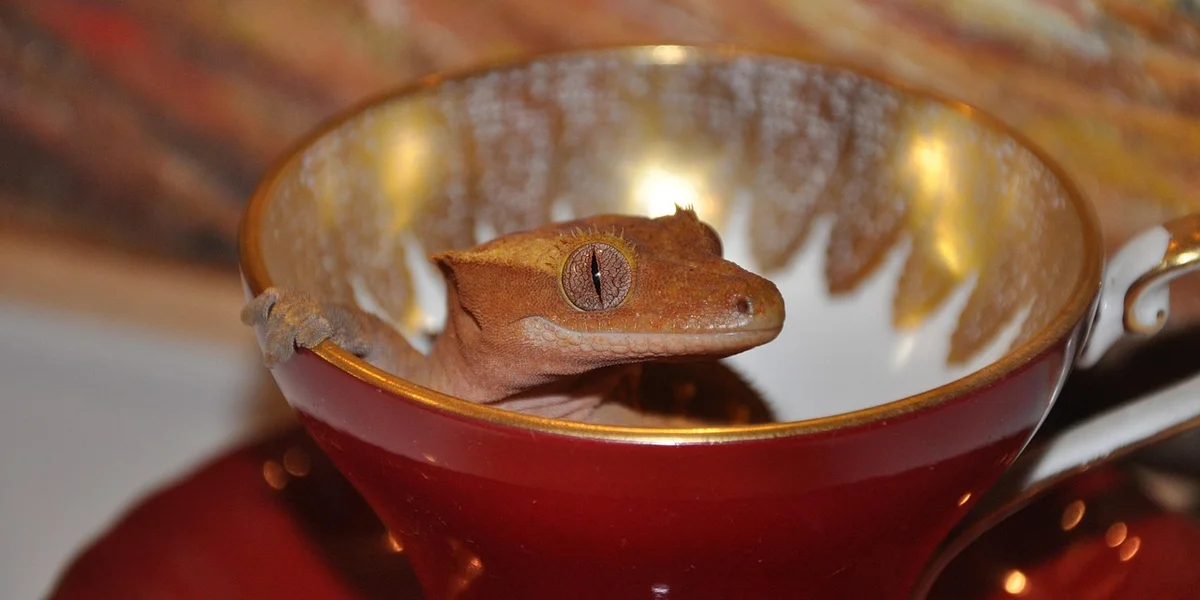
Spotting a well-hydrated gecko is like noticing a happy dancer – they move with energy and their skin looks supple. My leopard gecko Griffey, for instance, shows perfect hydration when his skin bounces back quickly if I gently pinch it, and he eagerly explores his hides without any sluggishness. For crested geckos like Jeter, a calm demeanor and perching high with bright, clear eyes are solid indicators they’re getting enough water. These cues are central to the crested gecko behavior and body language ultimate guide, which teaches how to read mood and health from posture and eye signals. Mastering these signals helps keep crested geckos healthy and confident.
- Skin Elasticity: Gently pinch the skin on their back; it should snap back instantly. My gecko A-Rod’s skin retracts fast when he’s hydrated.
- Active Behavior: Look for curiosity and movement. Mookie, my gargoyle gecko, leaps between branches playfully when well-hydrated.
- Clear Eyes and Moist Mouth: Eyes shouldn’t be sunken, and the mouth should appear damp, not dry.
| Hydration Signs | Dehydration Symptoms |
|---|---|
| Skin returns quickly when pinched | Wrinkled or loose skin that stays tented |
| Bright, alert eyes and active movement | Sunken eyes and lethargy, like Babe refusing to bask |
| Regular shedding in one piece | Stuck shed or difficulty shedding |
Dehydration Symptoms and Emergency Care
If your gecko starts acting like a limp noodle instead of a sprightly climber, dehydration might be the culprit. Watch for sunken eyes, loss of appetite, or skin that stays pinched-my gecko A-Rod once got a bit wrinkled after a hot spell, and I sprang into action with a simple rehydration plan. Don’t fret; many cases are reversible with quick care, but always consult a vet if symptoms persist or worsen.
- Identify Symptoms: Check for lethargy, wrinkled skin, or reduced eating. If your gecko is as inactive as a rock, it’s a red flag.
- Offer Water Immediately: Provide a shallow dish of fresh water. Sometimes, a gentle mist on their snout encourages drinking-I’ve seen Mookie lick droplets right off leaves.
- Increase Humidity: Mist the enclosure lightly to raise humidity, helping them absorb moisture through their skin.
- Monitor Closely: If no improvement in a few hours, or if they seem severely weak, contact a reptile vet pronto. Dehydration can escalate fast, so better safe than sorry.
Hydration Boosters: Beyond the Water Bowl
Water bowls are great, but geckos often get hydration from their food, much like we enjoy a juicy snack. Feeding gut-loaded insects-crickets stuffed with water-rich veggies like cucumber or carrots-packs a hydrating punch that my geckos adore. I always gut-load feeders for 24 hours before offering them; it turns a simple meal into a moisture-rich feast that keeps my pets thriving.
For species like leopard geckos, who might not drink often from a bowl, food-based hydration is a game-changer. You can offer small amounts of mashed fruits like papaya or pureed baby food (without additives) as occasional treats, but do it sparingly to avoid digestive issues. I’ve found that mixing a bit of water into their insect meals helps, especially for older geckos like Babe, who needs extra hydration to support his chubby tail.
- Gut-Load Insects: Feed crickets or mealworms water-rich foods like leafy greens before serving-this boosts prey moisture content.
- Incorporate Hydrating Foods: For crested or day geckos, offer fruits like melon or mango in tiny pieces; leopard geckos can benefit from moistened insect purees.
- Environmental Tweaks: Mist the enclosure daily to maintain humidity, and use live plants to naturally increase moisture levels.
- Regular Monitoring: Weigh your gecko weekly to track hydration; a sudden drop might signal a need for dietary adjustments.
FAQs
Is it normal if I never see my gecko drink water?
Yes, it’s common not to observe drinking, as many geckos are nocturnal and hydrate when you’re not around, but always provide accessible water sources.
Can geckos drink tap water safely?
Most geckos can drink tap water, but using dechlorinated or filtered water is recommended to avoid potential irritants from chemicals. Water quality matters for geckos, so many keepers opt for distilled, spring, or properly dechlorinated tap water. This helps minimize irritants and supports your gecko’s health.
How much water should a gecko drink each day?
Geckos self-regulate their intake based on factors like humidity and diet, so there’s no set amount, but ensure fresh water is always available.
Do baby geckos require more water than adults?
Baby geckos may need more frequent hydration due to faster growth and higher activity levels, so monitor their access to water closely. Knowing dehydration signs in pet geckos helps you act quickly. Look for sunken eyes, dry or wrinkled skin, lethargy, and loss of appetite, and contact a reptile veterinarian if you notice any of these signs.
What should I do if my gecko refuses to drink water?
To tell if your gecko is dehydrated, look for signs like sunken eyes, dry mouth, or wrinkled skin. For more information on these symptoms, visit our guide on Gecko dehydration signs. If your gecko refuses to drink, check for dehydration symptoms, adjust humidity or misting, and consult a veterinarian if issues persist.
Final Words on Gecko Hydration
To keep your gecko happily hydrated, always provide a shallow water dish with fresh water and regularly mist their enclosure to create those vital droplets they love to lick. Observing your gecko’s drinking behavior is the single best way to know your hydration strategy is working.
Your gecko’s health is a direct reflection of your care, so stay curious and keep learning. Committing to understanding their unique needs is the most rewarding part of being a great gecko owner. You’ll also learn to spot common crested gecko health issues and practical solutions. This knowledge helps you act quickly to keep your pet thriving.
Further Reading & Sources
- Complete Humidity and Hydration Guide For Crested Geckos – Zen Habitats
- Do Geckos Need Water? A Detailed Look At Gecko Hydration – Berry Patch Farms
- Fluid Treatment Options for Dehydrated Leopard Geckos – Leopard Gecko
The Gecko Guide is your ultimate resource for gecko enthusiasts, providing expert advice and practical tips to ensure the health and happiness of your scaly companions. Alexander is a passionate gecko owner with over a decade of experience in reptile care. We are dedicated to offering accurate, up-to-date information to support your gecko journey.Our mission is to foster a community of responsible gecko owners who are passionate about the well-being of these fascinating creatures.
Hydration & Water Needs