
Proper Misting Techniques for Leopard & Crested Geckos
Published on: August 28, 2026 | Last Updated: August 28, 2026
Written By: Alexander 'Gecko Geek' Johnson
Getting the misting routine wrong for your gecko can feel stressful, leading to worries about dehydration, poor sheds, or even respiratory infections. I’ve been there, watching my own geckos and fine-tuning my approach over many years.
I’m going to help you get it right. We will cover the core principles that make misting effective and safe for your pet.
- Why humidity levels are non-negotiable for health, especially for Crested Geckos.
- How to mist correctly to encourage drinking and perfect sheds without making the enclosure soggy.
- The best tools and schedules to prevent mold and keep your gecko thriving.
You will get clear, step-by-step advice you can start using today. The article covers: misting schedules, water types, equipment choices, humidity monitoring, and signs of incorrect misting.
Why Misting is Essential for Leopard and Crested Geckos
Proper humidity isn’t just about a number on a gauge-it’s about keeping your gecko hydrated and healthy. From my time caring for Griffey and Jeter, I’ve seen how the right moisture levels prevent common issues like dehydration or painful stuck shed. Leopard geckos require a controlled environment, and understanding how to manage their tank’s moisture is essential. Knowing how to control humidity in a leopard gecko tank makes a significant difference. While leopard geckos might lick water droplets for hydration, crested geckos often drink from leaves, making misting a direct source of water.
Humidity plays a big role in shedding, helping the old skin slide off smoothly. If the air is too dry, skin can cling to their toes or eyes, leading to infections or stress. I remember Griffey once had a tiny bit of stuck shed on his tail, but adjusting the misting fixed it quickly without a vet visit.
| Species | Ideal Humidity Range | Notes from My Experience |
|---|---|---|
| Leopard Gecko | 30-40% | With Griffey, I aim for 35% to avoid dampness that can cause respiratory problems. |
| Crested Gecko | 50-80% | Jeter’s enclosure stays around 60-70%, which keeps him active and shedding well. |
- Prevents skin lesions and irritation from dry environments.
- Reduces stress by creating a cozy, natural habitat feel.
- Supports respiratory health and overall vitality.
Leopard Gecko Misting Requirements: Schedule and Techniques
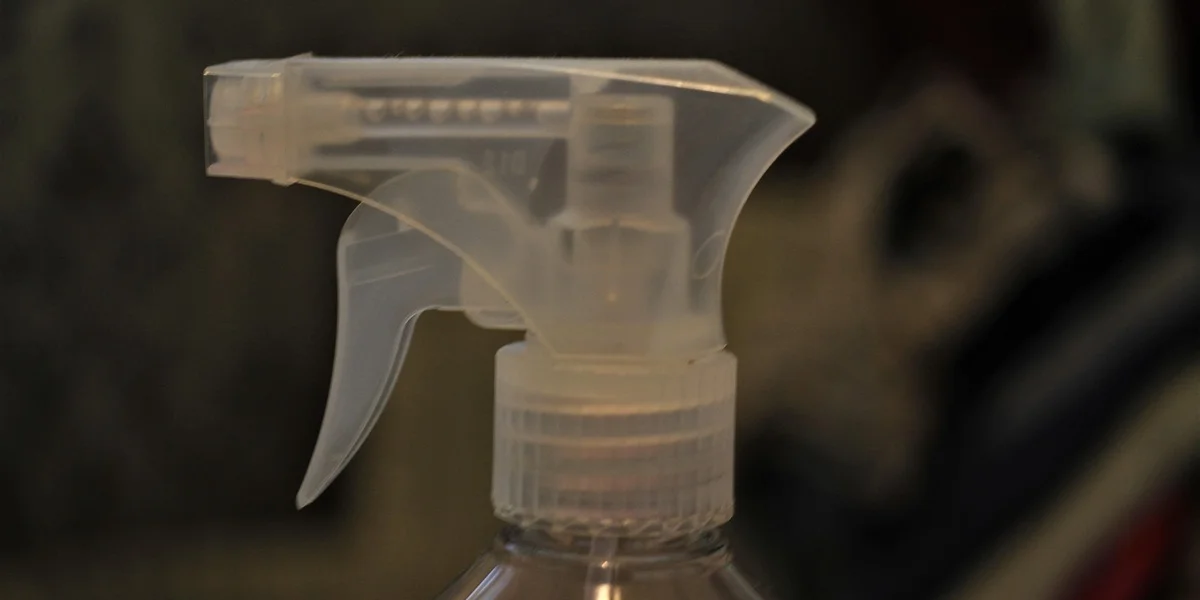
Leopard geckos like Griffey don’t need daily misting-it’s all about balance. I mist his moist hide 2-3 times a week, focusing more during shedding periods to keep the skin soft. For younger geckos or larger enclosures, you might adjust slightly, but over-misting can lead to mold or health issues.
Use a gentle, indirect spray to avoid startling your gecko. Always aim for the walls or hides, not directly at your pet, to mimic natural dew and reduce stress. Here’s how I do it for Griffey, based on what keeps him calm and curious.
- Choose a fine mist sprayer to create a light, even coverage.
- Spray the moist hide and enclosure walls when your gecko is resting or exploring.
- Avoid spraying near the heat source to prevent sudden temperature drops.
Watch for signs that your misting routine needs tweaking. From caring for Griffey, I’ve learned that too much moisture can cause mold, while too little leads to shedding troubles. Here are common issues and how to fix them.
- Over-misting signs: Mold on substrate, gecko hiding more than usual, or a constantly wet tank. Troubleshoot by reducing frequency and improving ventilation.
- Under-misting signs: Stuck shed, dry or flaky skin, or lethargy. Increase misting slightly and add a humid hide for relief.
Crested Gecko Misting Requirements: Schedule and Techniques
With my crested gecko Jeter, I quickly learned his species thrives in higher humidity levels—aim for 60% to 80% daily. I mimic his natural rainforest habitat by misting his enclosure thoroughly every morning and evening, just like clockwork. This routine keeps his skin hydrated and supports healthy shedding. That humidity balance helps maintain the perfect habitat humidity for easy gecko shedding.
Creating a humidity gradient is key to letting your gecko self-regulate. I set up Jeter’s tank with damp moss hides on the cooler side and drier areas near his heat lamp, so he can move to his comfort zone. Using plants and cork bark helps trap moisture where he likes to perch, encouraging those natural hiding and climbing instincts. Live plants play a key role in maintaining that humidity balance through evapotranspiration, helping create a stable microclimate in the tank. They also act as a humidity buffer, releasing moisture as needed without soaking the enclosure.
Here’s my simple step-by-step guide to misting that gets geckos like Jeter licking water droplets happily:
- Use a fine-mist spray bottle filled with dechlorinated water to avoid irritating their delicate skin.
- Lightly spray the enclosure walls, leaves, and decor in the early morning and late evening, focusing on areas your gecko frequents.
- Aim for a gentle shower that forms beads on surfaces, not puddles, to prompt licking behavior.
- Observe your gecko for a few minutes; if they start drinking, you’ve nailed it!
- Allow the enclosure to dry slightly between mists to prevent mold and maintain that ideal humidity swing.
Choosing the Right Misting Equipment
From my years caring for geckos like Jeter and Griffey, I’ve tested all sorts of misting tools. Hand spray bottles are budget-friendly and give you control, but they can tire your wrist out with frequent use. Electronic misters offer automation for busy owners, though they cost more and need regular cleaning to prevent bacteria buildup.
I always recommend a model with an adjustable fine-mist nozzle to avoid startling your pet. Stick with dechlorinated or reverse osmosis water to keep your gecko’s skin and respiratory system safe from chemicals. For crested geckos, a timer feature is a lifesaver to maintain those humidity spikes without constant attention.
Use this checklist to pick equipment that fits your setup:
- Match misting frequency to your gecko’s species-crested geckos need more humidity than leopard geckos.
- Check enclosure ventilation; well-vented tanks might require more frequent misting or a humidifier.
- Opt for easy-to-clean reservoirs to prevent mold and ensure water quality.
- Consider noise levels; quieter devices reduce stress for shy geckos like Jeter.
- Test spray patterns on a paper towel first-fine mist is best for encouraging natural drinking behaviors.
Step-by-Step Guide to Misting Your Gecko Safely
Getting the misting process right is like learning a gentle dance with your pet. Rushing this routine can stress your gecko, so patience and a calm demeanor are your best tools. Follow these steps to create a safe and effective misting session.
Step 1: Prepare Your Water
Never use water straight from the tap. I keep a dedicated spray bottle filled with room-temperature, dechlorinated water. Chlorine and chloramines can irritate your gecko’s sensitive skin and eyes, and you don’t want them drinking it. Water quality matters for geckos. Let the water sit out for 24 hours or use a reptile-safe water conditioner.
Step 2: The Art of Aiming the Spray
Do not spray your gecko directly. I learned this the hard way when I startled my crested gecko, Jeter, and he leaped off his branch. Always aim the mist upwards and let it fall like a gentle rain onto the leaves, walls, and décor. This method wets the surfaces they will drink from and helps maintain humidity without frightening them.
Step 3: Ensure Even Coverage
You want to create a fine, rain-like mist, not a heavy downpour. I make slow, sweeping motions across the entire enclosure, paying special attention to the favorite plant leaves and the cool side. Even coverage prevents dry spots and discourages your gecko from only licking one area, which can limit their water intake.
Step 4: Observe and Monitor
After misting, check your digital hygrometer. For crested geckos, you’re aiming for a spike to 80% humidity that then gently falls. For leopard geckos, a light mist in the evening is often enough. Your gecko’s behavior is the ultimate guide; if they are actively licking leaves or seem relaxed, you’ve done well. If they hide or seem agitated, your technique may be too aggressive.
Common Misting Mistakes and How to Avoid Them

We’ve all made husbandry mistakes, and misting is a common area for error. Recognizing these pitfalls early can save you from bigger problems like respiratory infections or mold outbreaks. Here are the mistakes I see most often, and how you can sidestep them completely.
Overwatering the Substrate
Soaking the substrate is a fast track to scale rot and a foul-smelling tank. I once rescued a leopard gecko whose paper towel substrate was constantly drenched. Mist the air and the décor, not the floor. If you use a loose substrate, ensure the top layer dries out completely between mistings.
Using Untreated Tap Water
This is a silent killer. The chemicals in tap water are not safe for reptile consumption or absorption. I always use a simple water conditioner, the same one I use for their drinking water. It’s a non-negotiable part of responsible gecko care.
Misting at the Wrong Time
Misting in the middle of the day for a nocturnal species is pointless and disruptive. Time your misting sessions with their active periods-early morning and evening for crested geckos, and evening for leopard geckos. This mimics the natural dew they would encounter in the wild.
Creating Stagnant Air
High humidity without ventilation is a recipe for disaster. After misting, I always ensure my screen top is clear and sometimes run a small, quiet computer fan nearby to circulate air. Stagnant, wet air promotes the growth of harmful bacteria and mold, which can lead to serious health issues.
Troubleshooting Common Misting Issues
| Problem | Likely Cause | Quick Fix |
|---|---|---|
| Persistent Mold Growth | Substrate is too wet and lacks ventilation. | Replace the substrate, increase air flow, and mist less frequently or for a shorter duration. |
| Consistently Low Humidity | Enclosure is too ventilated or misting is insufficient. | Partially cover a section of the mesh lid with acrylic or foil. Use a larger mister or mist more frequently. |
| Gecko Hides During/After Misting | Spray is too direct or forceful, causing stress. | Switch to a finer mist setting and always spray above the gecko, never at it. |
| Water Pooling on Leaves/Decor | Over-misting or holding the sprayer too close. | Wipe up excess water to prevent bacteria. Use a quicker, lighter pass with the spray bottle. |
Water Quality and Hygiene Best Practices
Your gecko drinks and absorbs water through its skin, so the quality you provide is just as critical as the quantity. Using dechlorinated water is non-negotiable for their long-term health and safety. To prevent common missteps, consider the 8 biggest mistakes in gecko hydration humidity control, which can undermine hydration and overall health.
Tap water contains chlorine and chloramines, chemicals designed to kill bacteria that can also irritate your gecko’s sensitive skin and eyes. I learned this the hard way when one of my cresteds developed persistent eye irritation that cleared up within a week of switching to treated water. Not all tap water is safe for geckos.
How to Ensure Proper Water Quality
- Use a Water Conditioner: A few drops of a reptile-safe water conditioner in a gallon of tap water instantly neutralizes harmful chemicals.
- Filtered or Bottled Water: As an alternative, you can use bottled spring water or water filtered by a reverse osmosis (RO) system.
- Never Use Distilled Water: It lacks essential minerals and can actually draw minerals out of your gecko’s body over time.
Keeping Your Misting Equipment Clean
A dirty spray bottle is a breeding ground for bacteria and mold, which you then aerosolize directly into your pet’s environment. I make it a habit to clean my misting bottles thoroughly once a week to prevent biofilm buildup.
Here is my simple cleaning routine:
- Empty any remaining water from the bottle.
- Create a cleaning solution of one part white vinegar to three parts water.
- Shake the solution inside the bottle and let it sit for 10-15 minutes.
- Scrub the nozzle with a small brush (an old toothbrush works perfectly).
- Rinse everything thoroughly with dechlorinated water until the vinegar smell is gone.
- Let it air dry completely before the next use.
After I adopted this rigorous cleaning schedule, I noticed my geckos were more active and had brighter, cleaner-looking skin. A clean bottle and pure water are small efforts that yield massive rewards in your pet’s vitality.
FAQs
How can I tell if my gecko is dehydrated?
Look for signs like sunken eyes, wrinkled skin, or reduced activity, which indicate a need for increased humidity or more frequent misting.
Is it safe to use a fogger for humidity instead of misting?
Foggers can supplement humidity but may not encourage natural drinking behaviors, so they should be used with caution and regular cleaning to avoid bacterial growth.
What should I do if my gecko avoids the misted areas?
Adjust your misting technique to use a finer spray and aim indirectly to reduce stress, ensuring the gecko has dry areas to retreat to. This is especially important when trying to calm a stressed gecko.
Final Words
Getting the misting right boils down to understanding your gecko’s natural habitat. For leopard geckos, a light spritz in a moist hide is usually all they need for shedding, while crested geckos thrive with a solid morning and evening misting to maintain that crucial 50-80% humidity. Always use a clean spray bottle with plain water and let the enclosure dry out a bit between sessions.
Your gecko’s behavior and physical appearance are the best guides you have. Watching how your pet responds is the most rewarding part of being a keeper, turning routine care into a dynamic process of learning and adaptation. A complete guide to understanding gecko behavior and temperament helps you interpret these signals and tailor care for your individual reptile. Understanding temperament lets you anticipate needs and minimize stress. Stay curious, keep researching, and always prioritize creating a home where your scaly friend can truly flourish.
Further Reading & Sources
- Crested Gecko Automatic Mister (Fogger) Or Spray Bottle?
- r/CrestedGecko on Reddit: Best automatic misting system for my crested gecko?
- Misters for a crested gecko enclosure – Crested Geckos – MorphMarket Reptile Community
The Gecko Guide is your ultimate resource for gecko enthusiasts, providing expert advice and practical tips to ensure the health and happiness of your scaly companions. Alexander is a passionate gecko owner with over a decade of experience in reptile care. We are dedicated to offering accurate, up-to-date information to support your gecko journey.Our mission is to foster a community of responsible gecko owners who are passionate about the well-being of these fascinating creatures.
Humidity Control