
How Often Should You Deworm Your Pet Reptile? A Vet’s Guide
Published on: January 1, 2026 | Last Updated: January 1, 2026
Written By: Alexander 'Gecko Geek' Johnson
Figuring out how often to deworm your reptile can feel confusing, and you might be worried about doing it too much or not enough.
I have five geckos myself, and I will help you break this down into simple, actionable steps based on veterinary science and my own experience.
Here are the key takeaways we will cover:
- The specific deworming schedule for different types of pet reptiles.
- How to spot the subtle signs that your reptile has a parasite problem.
- Safe methods and products to use for effective treatment.
You will get clear, direct advice you can use right away. This guide covers parasite types, risk factors, symptoms, treatment schedules, and prevention tips.
Understanding Parasitic Worms in Geckos
Parasitic worms are uninvited guests that can sneak into your gecko’s system, often from contaminated food, substrate, or new tank mates. I’ve seen how quickly a healthy gecko can become compromised if these critters go unchecked. My own leopard gecko, Griffey, once picked up something nasty from a batch of crickets, teaching me to always quarantine new insects before introducing them to your gecko.
Common Intestinal Parasites in Pet Geckos
Your gecko’s gut can host several types of worms. Knowing the common culprits helps you spot trouble early and act fast. I always recommend a vet check for any new gecko, as many parasites are invisible to the naked eye. Early warning signs of illness in geckos include lethargy, loss of appetite, or abnormal stools. Noting these promptly can help you seek care quickly.
Roundworms (Nematodes)
Roundworms are spaghetti-like worms that can cause blockages and steal nutrients. They often lead to a swollen belly despite weight loss, a classic red flag I noticed in a rescue gecko. These pests are usually contracted from infected prey or feces.
- Look for visible worms in feces or vomit
- Cause diarrhea or unusual stool consistency
- Can be treated with vet-prescribed dewormers
Pinworms and Other Common Invaders
Pinworms are tiny and often species-specific, meaning they might not always cause severe illness. However, an overload can still make your gecko feel miserable and lose its appetite. My crested gecko, Jeter, had a mild pinworm case that made him less active until treatment.
- Pinworms are common but monitor for overpopulation
- Other invaders include protozoa like Coccidia
- Regular fecal exams are your best defense
Recognizing the Signs: When Your Gecko Needs Deworming
Deworming should never be a routine guess; it’s a response to specific symptoms or test results. Over-deworming can harm your pet, so always consult a reptile vet before treatment. I learned this the hard way when I panicked and over-medicated a gecko, causing more stress.
Physical and Behavioral Red Flags
Watch for changes that scream “I’m not feeling well.” Your gecko can’t tell you it’s sick, but its body and actions speak volumes. When my gargoyle gecko, Mookie, started hiding more and eating less, I knew it was vet time. If you spot red flags like weight loss, lethargy, or refusing to eat for several days, it’s time to see a vet immediately. Early vet visits can catch issues before they escalate.
- Weight loss or a sunken belly
- Lethargy and reduced climbing or exploration
- Abnormal feces: bloody, mucus-covered, or undigested food
- Loss of appetite or refusing favorite treats
- Visible worms in the enclosure or on your gecko
If you see any of these, don’t wait. Acting quickly can prevent a minor issue from becoming a life-threatening one. I always keep a close eye on my geckos’ daily habits to catch problems early.
Deworming Frequency: How Often to Treat Your Gecko
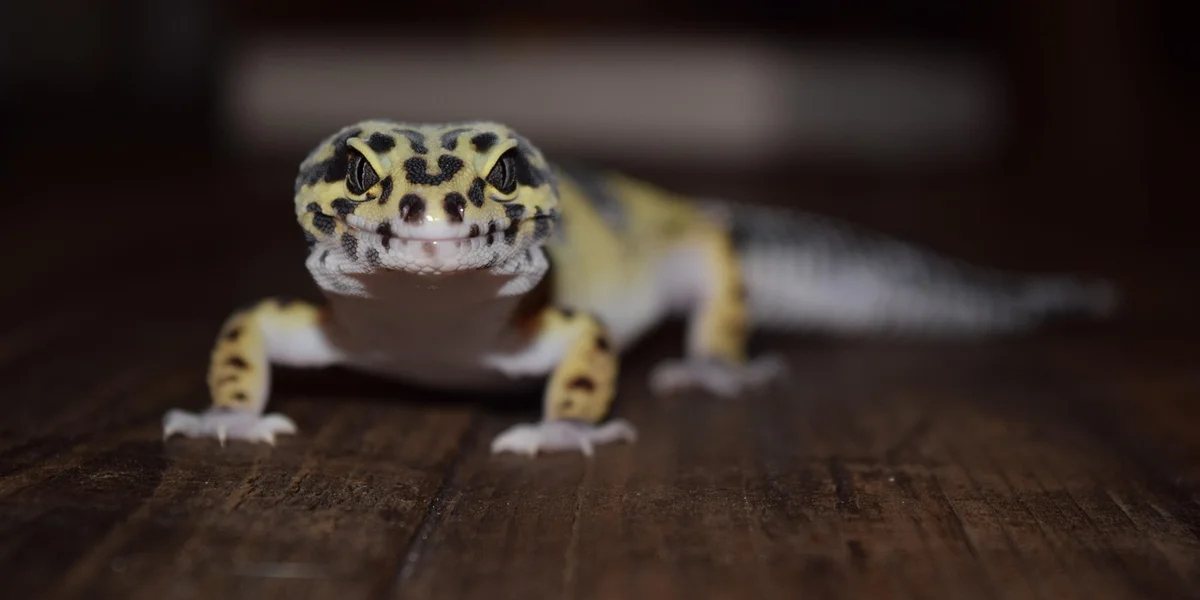
Routine vs. Symptom-Driven Deworming Schedules
Think of deworming like a car’s oil change. You have a routine maintenance schedule, but you also check the dipstick for warning signs. Routine deworming is a preventative measure for apparently healthy geckos, while symptom-driven treatment is a necessary response to a confirmed problem. I base my own geckos’ care on this principle.
Here is the core schedule I follow and recommend:
- Routine Deworming: For a healthy gecko with no symptoms and a clean bill of health from a vet, a proactive treatment once a year is a safe baseline.
- Symptom-Driven Deworming: This is non-negotiable. If your gecko shows signs of parasites or a fecal test comes back positive, you must treat them immediately. This schedule is dictated entirely by the parasite’s life cycle and your vet’s instructions, which often involves a second dose 2-3 weeks later.
Factors That Change Deworming Frequency
A one-size-fits-all approach can be risky. The right deworming schedule for your gecko is a personal calculation based on their unique lifestyle and health. My gecko A-Rod, for instance, is a solitary adult, so his risk is lower than a gecko in a busy breeding colony.
- New Geckos: Always quarantine and deworm new arrivals. They are the most common source of parasite introduction.
- Multi-Gecko Homes: Parasites spread easily. If one gecko tests positive, you must treat all geckos in that enclosure or room.
- Breeding Animals: The stress of breeding can suppress the immune system. Many breeders deworm their geckos before the breeding season begins.
- Geckos That Eat Live Insects: Feeder insects, especially wild-caught ones, can be parasite carriers. This constant exposure may necessitate more frequent fecal checks.
Age and Life Stage Considerations
A gecko’s age dramatically impacts their parasite vulnerability. Juvenile geckos are far more susceptible to severe complications from parasites than healthy adults. Their tiny bodies cannot handle the nutrient loss. My young Mookie gets more frequent wellness checks for this exact reason. As geckos grow, their size and metabolism change with age, which can shift parasite risk. Tracking growth and expected size milestones helps anticipate when vulnerabilities may rise.
- Hatchlings & Juveniles: I recommend a vet visit and initial fecal exam with their first check-up. Their rapid growth makes them vulnerable, so catching issues early is critical.
- Healthy Adults: This is the group that fits the standard “annual check-up and fecal exam” guideline. Their mature immune systems are better equipped to handle low-level parasite loads, but vigilance is still key.
- Senior Geckos: Like older humans, elderly geckos may have weaker immune systems. While you shouldn’t over-medicate, maintaining annual vet visits becomes even more important for early detection.
Diagnostic Methods: How Vets Test for Parasites
The Importance of a Fecal Flotation Exam
You cannot reliably diagnose parasites just by looking at your gecko or their waste. A fecal flotation test is the gold standard for identifying most common intestinal parasites in reptiles. It’s a simple, non-invasive procedure that gives you a definitive answer.
Here is how the process works and why it’s so valuable:
- You bring a fresh fecal sample to your veterinarian.
- The vet mixes the sample with a special solution that causes parasite eggs to float to the surface.
- They examine the surface film under a microscope to identify and count the eggs.
This test is crucial because it tells your vet exactly what type of parasite you’re dealing with. Knowing the specific parasite allows your vet to prescribe the correct medication and the proper dosage for your gecko’s species and weight. Guessing with over-the-counter medications can be ineffective or even harmful. I get a fecal test done for each of my geckos during their annual check-up-it’s the cornerstone of proactive health care.
Deworming Medications: Types and Safe Administration
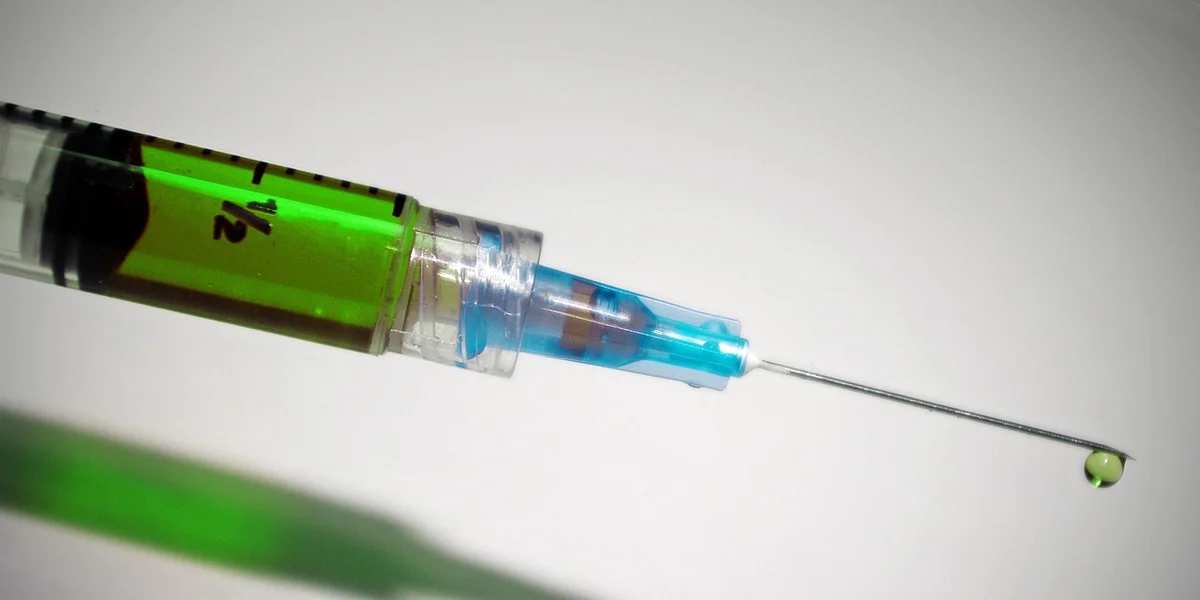
Common Anthelmintics and Their Uses
When my gecko Griffey needed treatment, my vet explained that not all dewormers are the same. The right one depends entirely on the parasite identified in the fecal test. Using the wrong medication is ineffective and can be stressful for your pet.
Here are the most common types prescribed for geckos:
- Fenbendazole (Panacur): This is a common first-line treatment for nematodes like roundworms and pinworms. It’s generally well-tolerated by most geckos, which is a huge relief for any owner.
- Praziquantel: This is the go-to medication for treating tapeworms and flukes. It’s often combined with other medications for a broader spectrum of action.
- Ivermectin: This is potent against mites and some nematodes. Extreme caution is needed with ivermectin, as it can be toxic at incorrect dosages, especially to certain gecko species.
- Metronidazole (Flagyl): This treats protozoan parasites like Giardia. It also has antibiotic properties for certain bacterial gut infections.
I can’t stress this enough: you must get a precise diagnosis and dosage from a reptile-savvy veterinarian. Never use a dewormer made for cats or dogs on your gecko; the dosages are wildly different and can be fatal.
Step-by-Step Guide to Administering Medication
Giving medication to a small, squirmy gecko can feel daunting. I’ve had to do this with my feisty Mookie, and a calm, prepared approach is everything. For safety, always consult a reptile veterinarian to confirm the correct dose and method. When done calmly and gently, you can safely administer medication to your gecko.
- Confirm the Dosage: Double-check the vet’s instructions. Is it one drop or 0.01 ml? Measure carefully using the provided syringe.
- Prepare Your Gecko: Gently hold your gecko in a comfortable, secure grip. For cresteds or gargoyles, I sometimes use a small, clean cloth to help hold them without stressing their delicate skin.
- Administer Orally: For liquid medication, gently slide the syringe tip into the side of the mouth, behind the teeth. Aim for the side pouch of the mouth and administer the liquid slowly to prevent aspiration.
- Offer a Treat: If your gecko will eat, offering a favorite insect like a waxworm right after can create a positive association.
- Observe and Record: Watch your gecko for a few minutes to ensure they don’t spit the medication out. Keep a simple log of each dose given.
If you’re struggling, don’t force it and risk injuring your pet. Contact your vet for a demonstration; they can show you the safest technique for your specific gecko. A step-by-step guide to safely assist with stuck shed can be a helpful reference when you need to prepare at home. Look for vet-approved resources that walk you through gentle, non-stressful methods.
Prevention: Keeping Your Gecko Parasite-Free
Quarantine and Sanitation Protocols
The single best thing I ever did for my gecko collection was implementing a strict quarantine protocol for every new arrival. This simple step prevents a world of problems. To keep that discipline, I follow a complete gecko quarantine protocol day-by-day safety checklist to ensure I never miss a step. It helps me track arrivals, observation windows, and routine health checks so the whole collection stays healthy.
Your quarantine setup should be a completely separate enclosure in a different room, if possible.
- Duration: Quarantine all new geckos for a minimum of 60-90 days. This covers the life cycle of most common parasites.
- Equipment: Use dedicated feeding tongs, water bowls, and cleaning supplies for the quarantine tank. Never share them with your established habitats.
- Husbandry: Perform all cleaning for the quarantine enclosure last. Always wash your hands thoroughly with soap and water after handling a quarantined animal or its supplies.
- Testing Get at least one, preferably two, fecal exams done during the quarantine period to confirm the gecko is healthy.
This isn’t about being paranoid; it’s about being a responsible keeper. My gecko A-Rod came to me from a reputable source, but he still spent a full 90 days in quarantine for everyone’s safety.
Managing Feeder Insect Parasite Risk
Many owners don’t realize that the feeder insects themselves can be a source of parasites. I learned this the hard way years ago with a batch of crickets.
The gut contents of your feeder insects are what your gecko ultimately ingests, so you must manage that risk. Choose safe, non-toxic feeder insects and avoid those that have fed on toxic plants. Never feed your gecko insects known to be toxic.
Follow these steps to ensure your feeders are safe:
- Source Reputable Suppliers: Buy from companies known for healthy, clean insect colonies.
- Quarantine and Gut-Load: Keep new feeders for 24-48 hours before offering them. During this time, feed them a high-quality gut-load diet. This ensures they are nutritious and flushes out any questionable prior gut contents.
- Avoid Wild-Caught Insects: It can be tempting to collect grasshoppers or other insects from your yard, but this is a major roll of the dice with pesticides and unknown parasites.
- Maintain Clean Insect Enclosures: Keep your feeder insect bins clean and free of dead insects, mold, and frass (insect waste), which can harbor pathogens.
By controlling what goes into your feeders, you have much greater control over what goes into your beloved gecko.
FAQs
Can I deworm my gecko at home without a vet?
No, you should always consult a reptile veterinarian for a proper diagnosis and prescription to avoid potential harm from incorrect medication or dosage.
How do I know if the deworming medication is working?
You should observe improvements in your gecko’s appetite, energy levels, and stool consistency within a few weeks, but a follow-up fecal exam is the most reliable way to confirm eradication. Monitoring normal vs problematic stool is crucial for assessing their health.
Are there any side effects to deworming medications?
While generally safe when prescribed by a vet, some geckos may experience temporary lethargy or reduced appetite, but serious side effects are uncommon with proper administration. Proper care can prevent many common gecko health problems. Keeping the enclosure at proper humidity and temperature and providing a balanced diet helps support their wellbeing.
Final Overview
The most important takeaway is that routine, preventative deworming is not recommended for your gecko. Instead, you should only treat for parasites after a fecal exam from your exotic vet confirms their presence and identifies the specific type. Always follow your veterinarian’s prescribed dosage and treatment schedule precisely to ensure your gecko’s safety and full recovery.
Being a great gecko owner means being their dedicated advocate for lifelong health. Continue to educate yourself, observe your pet’s behavior and droppings closely, and always partner with a qualified reptile vet. This proactive and informed approach is the very best way to ensure your scaly friend thrives for years to come.
Further Reading & Sources
- How often should I worm my reptiles? – RSPCA Knowledgebase
- Reptile Worms & Parasites | Pet Health Advice | Vets4Pets
- Dewormer [safe guard] – All Reptiles – MorphMarket Reptile Community
The Gecko Guide is your ultimate resource for gecko enthusiasts, providing expert advice and practical tips to ensure the health and happiness of your scaly companions. Alexander is a passionate gecko owner with over a decade of experience in reptile care. We are dedicated to offering accurate, up-to-date information to support your gecko journey.Our mission is to foster a community of responsible gecko owners who are passionate about the well-being of these fascinating creatures.
Preventative Care & Vet Visits