
Why Do Crested Geckos Bury Themselves?
Published on: January 22, 2026 | Last Updated: January 22, 2026
Written By: Alexander 'Gecko Geek' Johnson
If you’ve peered into your crested gecko’s tank to find an empty enclosure and a lump under the substrate, your first reaction is probably a spike of worry. I’ve been there with my own gecko, Jeter, and that initial “Where’d he go?!” feeling is completely normal.
Let me put your mind at ease. In this article, I’ll help you understand this quirky behavior by breaking down the main reasons, so you can stop stressing and start appreciating your gecko’s instincts. We’ll cover the three key takeaways:
- Burying is a natural, often harmless behavior linked to their environment.
- It can be a sign your terrarium conditions need a small tweak.
- Knowing the difference between normal and concerning behavior is crucial for their welfare.
You will get clear, actionable advice based on my own experience and established gecko care knowledge. The topics we’ll cover are: key reasons for burying, when to be concerned, ideal substrate choices, and immediate action steps.

Is Burying Normal Behavior for Crested Geckos?
- Crested geckos often bury themselves as a natural, instinctive behavior rooted in their wild ancestry. This occasional digging is typically harmless and shows they are engaging with their environment.
- From my time caring for Jeter, my crested gecko, I’ve seen him briefly dig into the substrate before curling up for a short rest. His calm, confident nature means this digging is just a quick check of his surroundings, not a sign of distress.
- Common scenarios where burying is nothing to worry about include exploring new textures, taking brief naps, or simply following a random urge to dig. In these cases, it’s a normal part of their daily activities and not a red flag.
Top Reasons Crested Geckos Dig and Bury Themselves
Thermoregulation: Finding the Perfect Temperature
- Substrate acts like a natural insulator, allowing geckos to burrow to cool off if temperatures rise or to find warmth if it’s too chilly. This self-regulation helps them maintain a comfortable body temperature without relying solely on external heat sources.
- Aim for an ideal range of 72-80°F (22-27°C) in the enclosure, and use a digital thermometer to spot-check different areas. Consistent monitoring ensures your gecko isn’t burying due to extreme temperature swings.
Humidity Control: Managing Moisture Levels
- Burying lets geckos access microclimates with higher humidity, which is crucial for their skin and respiratory health. This behavior mimics how they’d seek out damp spots in their natural habitat to stay hydrated.
- Target humidity levels between 60% and 80%, and use a hygrometer to track changes daily. Proper humidity reduces the need for excessive digging and supports overall wellness.
Hiding and Camouflage: Instincts for Safety
- Burrowing provides a sense of security, reducing stress by mimicking the protective cover of leaf litter or crevices in the wild. This instinct helps them feel hidden from potential threats, even in a safe home environment.
- Offer multiple hiding spots like cork bark tubes, plant cover, or commercial hides to satisfy this need. Giving them options can minimize stress-related digging and promote natural behaviors.
Shedding Assistance: Using Substrate for Skin Removal
- Moist substrate helps loosen old skin, making it easier for geckos to rub against and shed completely. This is especially helpful during shedding cycles to prevent stuck skin on toes or tail.
- Use substrates like coco coir or sphagnum moss that retain moisture without becoming soggy. These materials create a gentle, humid environment that aids in clean, healthy sheds.
Egg-Laying and Nesting: Preparing for Reproduction
- Gravid females may bury themselves to create nests, showing signs like increased digging, weight gain, or restlessness. Providing a suitable laying area is essential to prevent egg-binding and support natural instincts.
- Set up a lay box with 3-4 inches of moist substrate, such as a mix of soil and vermiculite, in a quiet part of the enclosure. This setup encourages safe egg deposition and reduces stress during breeding seasons.
When Burying Signals a Health or Stress Problem
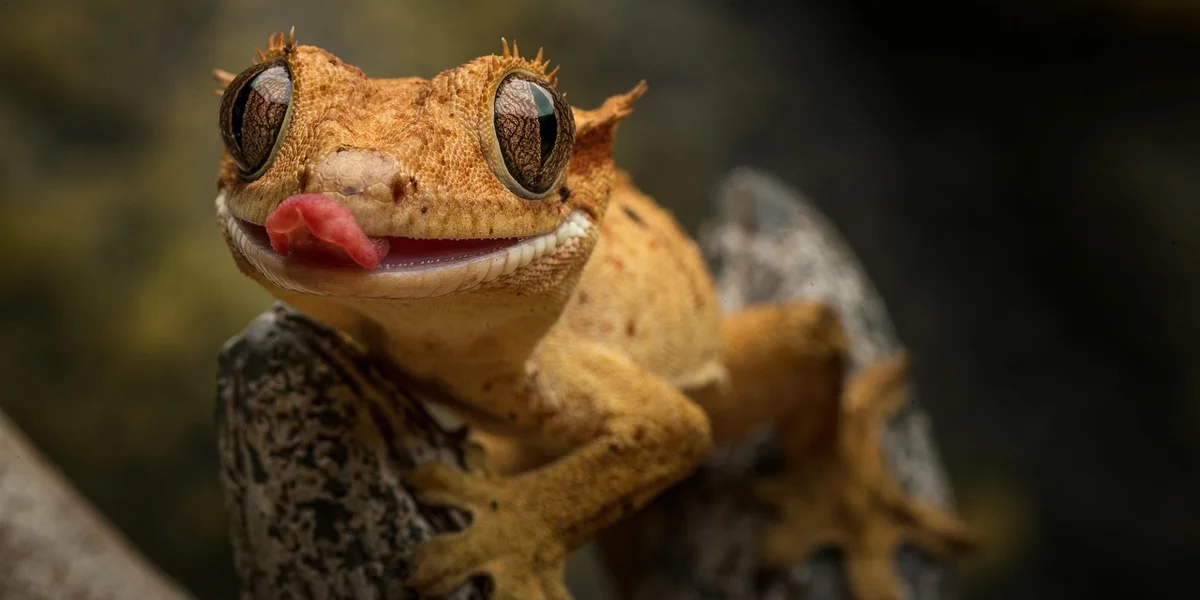
While digging is natural, you need to watch for signs that it’s a symptom of a bigger issue. Your gecko is trying to tell you something when its behavior changes drastically. Sometimes those changes are signs of boredom in geckos, not illness. If you suspect boredom, fix it with enrichment—more hiding spots, branches, and puzzle feeders. I learned this the hard way with one of my first cresties, who taught me to be more observant.
- Prolonged Hiding: If your gecko is buried for days on end and only emerges briefly, it’s a major red flag.
- Weight Loss: A buried gecko isn’t eating. Check for a thinning tail or visible hip bones.
- Lethargy: A healthy crested gecko should be alert and active at night. A consistently listless one needs help.
- Refusing Food: Missing a meal or two is fine, but consistently ignoring food is a problem.
This behavior is often a direct cry for help related to its environment. If you’re wondering why your leopard gecko keeps trying to escape, it’s often because the enclosure isn’t meeting its temperature, humidity, or security needs. Constant stress from incorrect temperature, humidity, or excessive handling will send a gecko underground to escape. My gecko Jeter once buried himself for nearly two days straight because his tank was getting too much direct afternoon sun, making it uncomfortably warm.
You should seek veterinary care if you see multiple warning signs together. From my experience, a combination of weight loss, lethargy, and prolonged hiding means it’s time for a professional opinion. In geckos, early warning signs of illness can be subtle, such as a dip in appetite or increased hiding. Don’t wait and hope it gets better; exotic vets can diagnose issues like parasites or respiratory infections that are not visible to us.
How to Create the Ideal Substrate Setup
Getting the substrate right is one of the most satisfying parts of crested gecko care. A proper substrate setup supports their natural behaviors while keeping them safe and healthy. It’s like building them a miniature, bioactive playground. Consider creating a naturalistic bioactive substrate for geckos. This setup promotes foraging and shelter while supporting a healthy microfauna and humidity regulation.

Choosing the Right Substrate Type
Not all substrates are created equal. You need something that holds moisture but isn’t dusty or dangerous if accidentally ingested.
- Coconut Husk/Coco Fiber: This is my top choice. It’s excellent at retaining humidity for those necessary misting sessions and is soft and diggable.
- Sphagnum Moss: I often mix this into my coconut husk. It boosts moisture retention and provides different textures for enrichment.
- Premium Potting Soil (no fertilizers): A good option for bioactive setups, but you must be 100% certain it’s free of chemicals and perlite.
I avoid any substrates with large bark chunks or sand, as these can cause impaction or skin irritation. Safety always comes first.
Setting Proper Substrate Depth
Depth is a balancing act. You want to encourage natural digging without creating a risky environment.
I recommend a substrate depth between 2 to 4 inches for an adult crested gecko. When choosing the right substrate for your gecko’s enclosure, opt for a safe, moisture-holding option that supports burrowing. This gives them plenty of room to burrow and explore comfortably. For younger, smaller geckos, you can keep it a bit shallower, around 1.5 to 2 inches, to minimize any risk until they grow larger. Also, choose a substrate that is easy to spot-clean and unlikely to be ingested.
For easy cleaning and sanitation, a bioactive setup is a game-changer. Introducing a clean-up crew of springtails and isopods will break down waste naturally, making your maintenance much easier (especially when used in a bioactive tank). If you’re not going bioactive, spot-cleaning the surface daily and doing a full substrate change every 3-4 months is a solid routine to prevent mold and bacteria buildup.
Steps to Address Excessive Burying Behavior
If your crested gecko is burying itself more than usual, it’s time to play detective with their home. Start by systematically checking each part of their environment to pinpoint the issue. I’ve had to do this with Jeter, my crested gecko, when he began hiding underground frequently—turns out, a small tweak made all the difference. That’s exactly the kind of question a gecko hiding all the time troubleshooting checklist is meant to answer. Keep a quick log of hide times, temperatures, and humidity to spot patterns and find the fix.
- Measure humidity and temperature with reliable gauges. Crested geckos thrive at 70-80% humidity and 72-78°F. If levels are off, adjust misting schedules or heat sources. I found that boosting nighttime humidity stopped Jeter from digging for moisture.
- Add multiple hides and climbing surfaces. Use cork bark, foliage, and vertical hides to mimic their natural habitat. When I added a high perch, Jeter spent less time buried and more time exploring up high.
- Reduce stressors by placing the enclosure in a quiet area and limiting handling. Loud noises or too much interaction can trigger hiding. Moving Jeter’s tank away from the TV reduced his stress-driven burying within days.
Always observe their behavior after each change. Patience is key—geckos need time to adapt to a safer, cozier space. Understanding gecko behavior and temperament is essential for a complete guide to their care. This knowledge helps you interpret signals and respond appropriately.
Supporting Your Gecko During Shedding and Egg-Laying
Burying can be a natural part of shedding or egg-laying, so your support is crucial for their well-being. Increase humidity to 80-90% during shedding by misting more often or adding a humid hide with damp sphagnum moss. I do this for Jeter, and it helps him shed smoothly without irritation.
Choose safe substrates like coconut fiber or paper towels to prevent impaction. Avoid loose substrates that can stick to wet skin or be accidentally ingested. For egg-laying females, provide a lay box filled with moist substrate to encourage natural behavior.
Monitor for health changes like loss of appetite, lethargy, or incomplete sheds. Gentle handling is vital-avoid disturbing them during these sensitive times to reduce stress. With Jeter, I limit interactions and watch from a distance to ensure he feels secure.
Always prioritize their comfort over curiosity. Your calm approach makes a world of difference in their recovery and health.
FAQs
Is it normal for crested geckos to bury themselves frequently?
While occasional burying is normal, frequent or prolonged burying may indicate issues with temperature, humidity, or stress that need addressing.
What should I do if my crested gecko is buried for more than a day?
Check the enclosure’s temperature and humidity levels, ensure there are adequate hides, and monitor for signs of illness like weight loss or lethargy.
Can the type of substrate affect how often my gecko buries itself?
Yes, using safe, moisture-retaining substrates like coconut fiber can encourage natural burrowing behavior without health risks.
Final Thoughts
Ultimately, your crested gecko burying itself is usually a normal behavior tied to humidity, temperature, or security. Your job is to become a gecko detective, checking that their habitat parameters are spot-on and observing their overall health. A quick burial is often nothing to worry about, but a pattern of it means something in their environment needs your attention.
Being a great gecko owner means staying curious and committed to learning. The more you understand their subtle language, the better you can provide a thriving home where they feel safe and content. Your dedication to their well-being is what makes all the difference. By learning the real patterns of gecko behavior, you can separate fact from fiction. Common myths about gecko care are debunked through careful observation and experience.
Further Reading & Sources
- Why Do Crested Geckos Bury Themselves? – My Reptile Blog
- Crested Gecko burying himself | Reptile Forums
- crested gecko burrowing alot.. | Arachnoboards
The Gecko Guide is your ultimate resource for gecko enthusiasts, providing expert advice and practical tips to ensure the health and happiness of your scaly companions. Alexander is a passionate gecko owner with over a decade of experience in reptile care. We are dedicated to offering accurate, up-to-date information to support your gecko journey.Our mission is to foster a community of responsible gecko owners who are passionate about the well-being of these fascinating creatures.
Behavior and Socialization