
Why Is My Leopard Gecko Always Hiding? A Friendly Guide
Published on: August 1, 2026 | Last Updated: August 1, 2026
Written By: Alexander 'Gecko Geek' Johnson
If you’re worried because your leopard gecko seems to live in its hide 24/7, you’re not alone-this is one of the most common concerns for new reptile owners. It can feel disheartening when your new pet spends more time under a rock than out where you can see it.
I’ve raised leopard geckos for years, and I can help you understand what’s normal, what’s a red flag, and how to encourage more confident behavior. We’ll cover:
- The natural instincts that make hiding a healthy behavior.
- How to spot the difference between a happy hider and a stressed gecko.
- Simple fixes to your setup that can make your gecko feel safer.
You’ll get clear, step-by-step advice to ensure your scaly friend is both healthy and happy. The article covers: normal behavior, temperature issues, incorrect lighting, stress factors, and handling tips.
Is Hiding Normal for Leopard Geckos?
Leopard geckos are prey animals by nature, and their instinct to hide is hardwired into their DNA. In the wild, staying out in the open means becoming lunch for a bird or snake, so your gecko’s desire to tuck itself away is a sign of a healthy, intelligent reptile. As nocturnal creatures, they are most active from dusk to dawn, so finding them hidden away during the bright daylight hours is completely expected and normal.
Typical hiding behavior involves your gecko retreating to a favorite hide for most of the day, then emerging in the evening to explore, hunt, and bask under the heat lamp. Excessive hiding is when this pattern changes drastically. If your gecko is hiding all night long, refusing food that’s offered, or hasn’t been seen for multiple days, that’s a signal that something is off. My leopard gecko, Griffey, is a perfect example of normal behavior. He’s a proud poser in the evening, but you can bet he’s snoozing the day away tucked inside his warm hide.
Environmental Factors That Cause Hiding
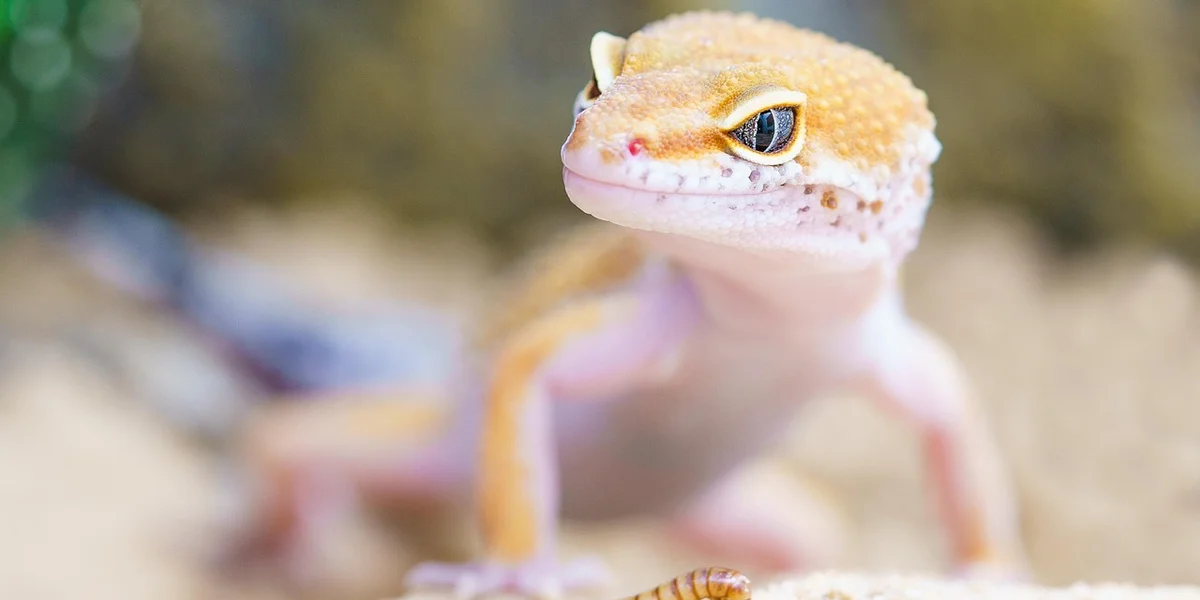
When a gecko hides more than usual, the enclosure environment is the first place to look. Incorrect temperatures are a huge stressor. If the warm side is too cold, your gecko will hide to conserve energy. If it’s too hot, they’ll hide in the coolest corner to escape the heat. An improper environment doesn’t just make them hide; it forces them into survival mode.
Here are the ideal enclosure conditions you should aim for:
- Warm Side Temperature: 88-92°F (31-33°C)
- Cool Side Temperature: 70-75°F (21-24°C)
- Nighttime Temperature: No lower than 65°F (18°C)
- Humidity Level: 30-40%
- Humid Hide Humidity: 70-80%
Poor lighting can also be a factor. While they don’t need blazing bright lights, a consistent day/night cycle is important. I’ve found that providing low-level UVB can encourage more natural basking behavior. Sudden hiding often happens after you add new decor; your gecko is just taking time to get used to the changed landscape of its home. Hiding in corners frequently points to a lack of proper, secure hides elsewhere in the tank.
Temperature and Humidity Checks
Guessing the temperature by feeling the glass is a recipe for a hiding gecko. You need the right tools. Digital thermometers with probes and a laser temperature gun are non-negotiable for accurate readings. Here’s how to verify your setup:
- Use a digital thermometer with a probe placed on the substrate inside the warm hide.
- Use a second digital thermometer for the cool side.
- Check surface temperatures across the tank with a temperature gun.
- Use a digital hygrometer to measure the overall humidity in the middle of the enclosure.
If your warm side is too cool, adjust your under-tank heater or ceramic heat emitter. If humidity is too low, a light misting in the moist hide or a larger water bowl can help. Small, precise adjustments are better than big, stressful changes for your pet.
Enclosure Setup and Hides
The number and quality of hides in your tank are critical. In my experience, three is the magic number. You absolutely need a warm hide, a cool hide, and a humid hide to give your gecko choices and control over its comfort. This setup prevents them from being forced to choose between being safe, being warm, or having a good shed. Understanding the different types of hides and when to use them is crucial for providing the best environment for your gecko.
A hide is only good if your gecko feels secure inside. It should be snug, with only one entrance, and dark. I’ve had great success with simple, cheap options. A small plastic food container with a hole cut in the side and filled with damp sphagnum moss makes a perfect, budget-friendly DIY humid hide. This is a quick DIY humid hide you can assemble at home. With a few inexpensive materials, you can tailor humidity to your gecko’s preference. Place the warm hide directly over the heat source, the cool hide on the opposite end, and the humid hide in the middle. This layout encourages natural movement and reduces stress-related hiding.
Stress and Behavioral Reasons for Hiding
Your leopard gecko might hide because of stress from recent changes in their environment. Even small shifts like adding a new hide or moving their tank can make them feel insecure. I remember when I introduced a new decoration to A-Rod’s terrarium; he spent days rearranging it and hiding more than usual, showing his territorial nature.
Common stressors include new items, excessive handling, shedding cycles, or brumation in cooler months. Brumation is a natural slowdown in winter where geckos eat less and hide more, similar to hibernation. To minimize stress, introduce changes gradually and provide enrichment like varied hides and climbing spots.
- Gradually acclimate new items over a week.
- Maintain a consistent daily routine for feeding and lighting.
- Add safe enrichment like cork bark or fake plants to encourage exploration.
Handling and Social Stress
Improper handling can scare your gecko and make them hide. Start with short, gentle sessions to build trust, letting them walk onto your hand instead of grabbing them. I’ve found that my geckos, like Griffey, become more curious and less fearful when I handle them calmly for just five minutes a day. It’s also important to understand your gecko’s mood for safer handling sessions.
Avoid handling during shedding or if they seem ill. Handling a shedding gecko can cause discomfort and interrupt the process, leading to more hiding. Learn how to assist your gecko during shedding. Watch for signs like dull skin or reduced appetite to know when to give them space.
Shedding and Seasonal Changes
Geckos hide more when shedding because they feel vulnerable. During shedding, their skin becomes tight and itchy, so they seek dark, humid spots to help it peel off easily. Support them by providing a moist hide – I use a small container with damp sphagnum moss for my geckos. You can learn how to create and use humid hides for your geckos.
In colder months, hiding increases due to brumation. Signs of healthy shedding include the skin coming off in one piece and no leftover patches on toes or tail. Intervene only if you see stuck shed, which can cut off circulation.
- Ensure humidity levels are 50-70% during shedding.
- Monitor temperature drops in winter but avoid drastic changes.
- Offer warm soaks if shed is stuck, but be gentle to avoid stress.
Health Issues Leading to Excessive Hiding
Excessive hiding can signal underlying health problems like illness, parasites, or dehydration. When my gecko Babe started hiding constantly, a vet visit revealed a minor parasite issue that was easily treated. Hiding is their way of conserving energy when they feel unwell.
If hiding persists with other symptoms, seek veterinary care. Common health issues include respiratory infections, impaction, or metabolic bone disease, often showing signs like weight loss or lethargy. Many of these problems are preventable with proper husbandry and preventive veterinary care. Regular check-ups help catch issues before they escalate. I always advocate for regular check-ups to catch issues early and ensure your gecko’s welfare.
- Respiratory infections: Look for wheezing or mucus around the nose.
- Parasites: Watch for diarrhea or a bloated belly.
- Dehydration: Check for sunken eyes or loose skin that doesn’t snap back.
When to Seek Veterinary Care
Monitor your gecko daily for changes in behavior or appearance. Schedule a vet visit if hiding continues for more than a week with any red flags like refusal to eat or unusual posture. Normal gecko behavior includes regular eating, active movement, and curiosity. Abnormal signs include sudden lethargy, persistent hiding, or a drop in activity. Early intervention can prevent minor issues from becoming serious.
Here’s a table of symptoms that need immediate attention:
| Symptom | What It Might Mean |
|---|---|
| Lethargy and weight loss | Possible parasites or infection |
| Difficulty breathing | Respiratory issue requiring urgent care |
| Swollen joints or limp tail | Sign of metabolic bone disease |
| Prolonged hiding with no eating | Indicates severe stress or illness |
- Keep a log of hiding patterns and eating habits to share with your vet.
- Contact a reptile-savvy vet if you notice multiple symptoms from the table.
- Always quarantine new geckos to prevent spreading illnesses.
How to Reduce Hiding and Encourage Activity
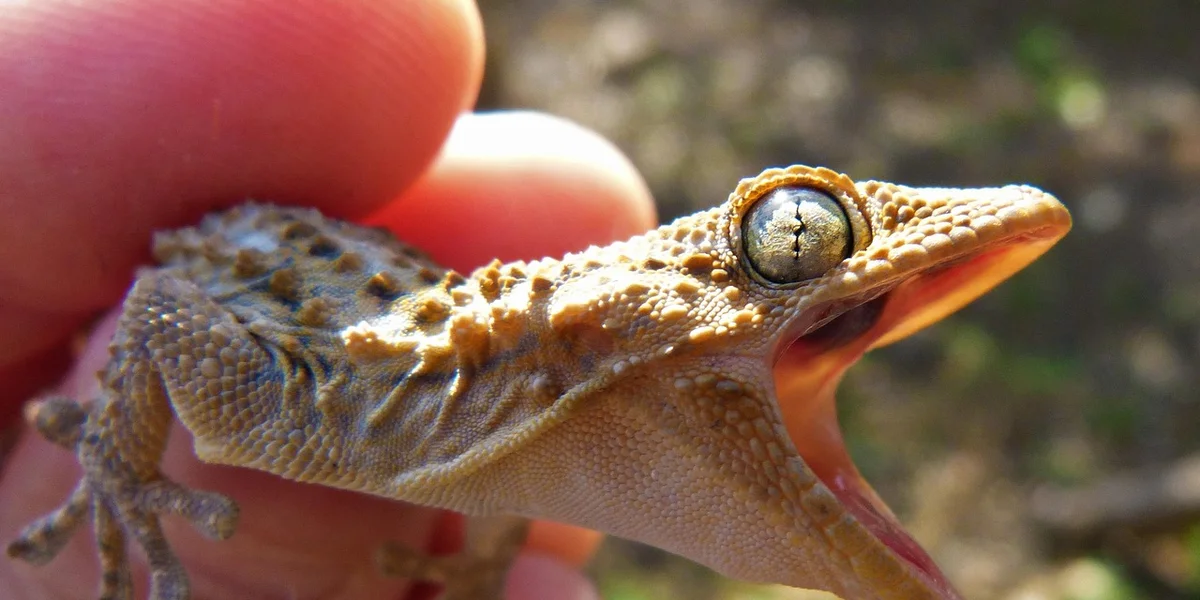
Seeing an empty terrarium can be worrying, but you can gently encourage your gecko to be more visible. Small, consistent changes to their environment and routine can make a world of difference in their confidence. To start off right, follow an essential equipment checklist for your new gecko terrarium. This ensures you have a safe, stimulating setup from day one.
Enrichment and Interaction Tips
A bored gecko is a hiding gecko. Think of their home like a playground that needs interesting features. Enrichment is not just about decoration; it’s about creating a landscape that mimics their natural instincts to explore and hunt. To bring this to life, start building the ultimate environmental enrichment setup for your gecko—think layered climbing structures, varied textures, and strategic hideouts. Design it to mimic their natural hunting behaviors so every day feels like a new adventure.
- Climbing Structures: Add cork rounds, sturdy branches, and reptile-safe vines. Even leopard geckos enjoy a little climb, which uses different muscles and keeps them engaged.
- Varied Textures: Offer a mix of surfaces like flat slate tiles, a small dig box with eco-earth, and smooth river rocks. This sensory variety is fascinating for them.
- Dietary Variety: Rotate between gut-loaded crickets, dubia roaches, and the occasional treat like waxworms. A varied diet is more stimulating and nutritious.
- Safe “Toys”: I’ve had success with empty, clean paper towel rolls. My gecko Mookie loves to pounce on them and push them around his enclosure.
Increasing interaction needs to be a slow dance, not a race. Rushing handling is the fastest way to destroy the trust you’re trying to build.
- Start by simply sitting near the enclosure during the evening when they are naturally active. Let them get used to your presence.
- Place your hand, palm down, calmly inside the tank for a few minutes at a time without trying to touch them. Do this for a week.
- Once they seem curious rather than scared, gently try to coax them onto your hand with a slow, scooping motion from the side, never from above.
- Keep initial handling sessions to just five minutes, and always end on a positive note with a small treat.
Practical Adjustments for a More Confident Gecko
Sometimes the solution is in the setup. I learned this the hard way with a particularly shy gecko. Creating multiple, well-placed hides is more effective than having just one or two.
- Strategic Clutter: Fill the open floor space with fake plants, half-logs, and other decor. This makes your gecko feel secure while moving from one spot to another.
- Temperature Tuning: Double-check your warm hide is at the perfect 88-92°F. If it’s too cold, they won’t digest properly and will stay hidden to conserve energy.
- Food as a Lure: Try hand-feeding with long feeding tongs. The association of your presence with food is a powerful trust-builder.
- The “New Gecko” Quarantine: Any new gecko needs a strict two-week quarantine with minimal interaction. This gives them time to de-stress and learn their new environment is safe before you start any handling.
Patience is your most important tool. My gargoyle gecko Mookie took nearly three months to consistently come out when I was in the room, but now he greets me at the glass. Consistency builds predictability, and for a prey animal, predictability equals safety. Stick with a routine, and you will see progress.
Common Questions
Why is my leopard gecko hiding all day?
Hiding all day is completely normal behavior for these nocturnal animals, who are naturally most active from dusk until dawn.
Why is my leopard gecko hiding after adding a new vine or other decor?
Your gecko is simply taking time to adjust and feel secure in its newly rearranged environment, which is a common and temporary reaction. If your leopard gecko keeps trying to escape, it can signal stress from the change. Make the enclosure safer and more comforting with hiding spots, proper heat, and a calmer routine.
Why is my leopard gecko hiding in the corner of the tank?
Hiding in a corner often indicates a lack of proper, secure hides elsewhere in the enclosure, forcing them to seek shelter in the only available spot.
Why is my leopard gecko hiding after shedding?
It is normal for them to rest and recover in a secure hide after the energy-intensive process of shedding their skin.
Why is my leopard gecko hiding all the time in the winter?
Increased hiding and reduced activity in winter is often a sign of brumation, a natural, hibernation-like state triggered by cooler temperatures and shorter daylight hours.
Your Gecko’s World, Your Responsibility
Ultimately, your leopard gecko’s hiding is a natural behavior, but you are the detective ensuring it’s not a sign of stress or illness. Prioritize providing plenty of proper hides, a correct temperature gradient, and a consistent, quiet environment. If your gecko is eating, drinking, and appears healthy, trust that a hidden gecko is often a content gecko.
Caring for these fascinating creatures is a continuous journey of observation and education. I’ve learned more from watching my own geckos, like Griffey, than from any single guide. Commit to being a proactive and informed owner; your dedication is what transforms a simple enclosure into a thriving, secure home.
Further Reading & Sources
- Leopard Gecko Hides All Day: Causes and Solutions
- 8 Reasons Why Your Leopard Gecko Is Always Hiding – Reptile Craze
- Leopard gecko not coming out anymore: Is this cause for concern? – VetBilim
The Gecko Guide is your ultimate resource for gecko enthusiasts, providing expert advice and practical tips to ensure the health and happiness of your scaly companions. Alexander is a passionate gecko owner with over a decade of experience in reptile care. We are dedicated to offering accurate, up-to-date information to support your gecko journey.Our mission is to foster a community of responsible gecko owners who are passionate about the well-being of these fascinating creatures.
Handling & Behavior Signs