
Signs of Calcium Deficiency in Leopard Geckos
Published on: April 19, 2026 | Last Updated: April 19, 2026
Written By: Alexander 'Gecko Geek' Johnson
Is your leopard gecko acting strangely, or does its jaw look a little soft? You might be worrying about a calcium deficiency. I’ve seen this concern pop up time and again with new owners, and it’s a problem you need to tackle quickly.
I will help you spot the early and late warning signs so you can take action. Here are the key takeaways we will cover:
- How to identify the subtle, early symptoms before they become severe.
- The critical signs of Metabolic Bone Disease (MBD) that demand immediate vet care.
- Simple, effective steps you can take at home to prevent and address the issue.
You will get clear, actionable advice based on my own experience caring for my geckos. This article covers: early symptoms, late-stage MBD signs, prevention tips, treatment options, proper supplementation.
What Is Calcium Deficiency and Why It’s a Big Deal
Calcium deficiency, often called nutritional secondary hyperparathyroidism, is a serious metabolic disease. It happens when your gecko’s body doesn’t get enough calcium to function properly. Think of calcium as the primary building block for their entire skeletal system and a key player in nerve function and muscle movement.
Without sufficient calcium, their body starts to steal it from the only available source: their own bones. I’ve seen the X-rays, and it’s a heartbreaking sight. This process literally weakens their skeleton from the inside out, leading to a painful and debilitating condition known as Metabolic Bone Disease (MBD).
This isn’t just about weak bones. Calcium is crucial for their heart to beat and their muscles to contract. A severe deficiency can lead to paralysis, seizures, and is ultimately fatal. Catching it early is the single most important thing you can do for your gecko’s long-term health and mobility.
Early Warning Signs: Don’t Miss These Clues
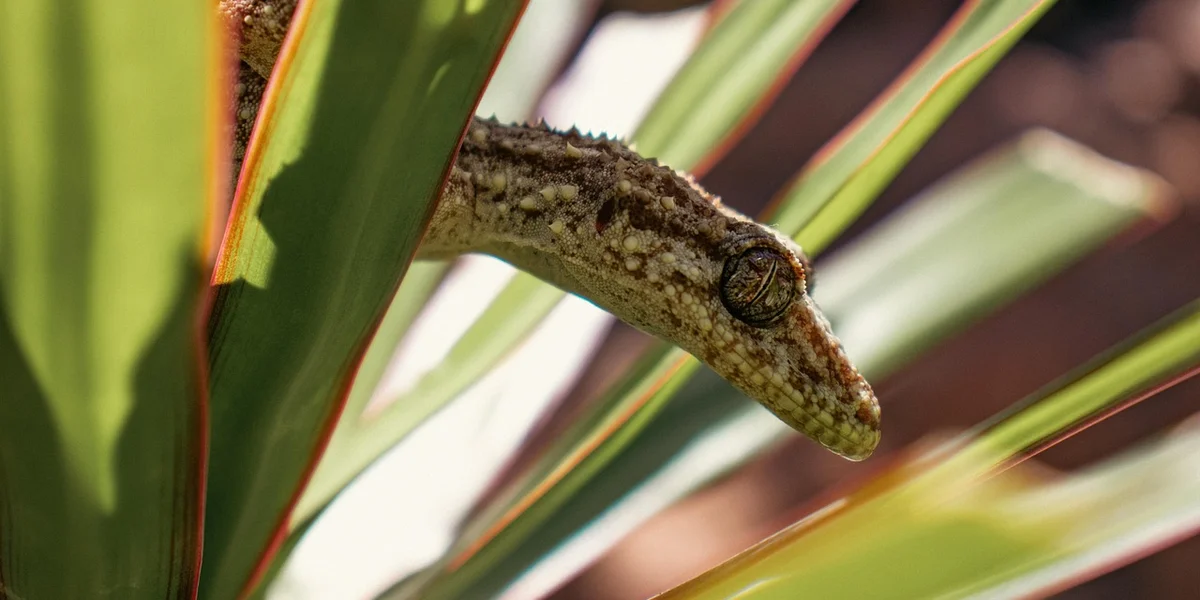
Your gecko can’t tell you it feels unwell, so you must become a master observer. The early signs are often subtle but become glaringly obvious once you know what to look for. Vigilance during handling and feeding times is your best defense; it’s crucial to recognize when your gecko needs to see a vet immediately.
Behavioral Red Flags
You know your gecko’s normal personality. Any shift from their baseline routine is a clue. My gecko, Griffey, is usually a voracious hunter, so when he once showed zero interest in a wiggling mealworm, I knew something was wrong. When you’re concerned, it’s helpful to distinguish normal vs abnormal gecko behaviors and respond quickly. A sudden drop in appetite or activity can signal stress, illness, or environmental issues.
- Lethargy and Weakness: They stop exploring and may struggle to hold their body off the ground, appearing to “swim” or drag their belly.
- Loss of Appetite: This is one of the very first and most common signs. A gecko that suddenly ignores food needs a closer look.
- Tremors or Twitching: You might see slight shakiness in their legs or toes, especially when they are trying to move. This is due to impaired nerve function.
- Difficulty Climbing: They may slip off their usual hides or struggle to navigate terrain they used to handle with ease.
A gecko that is suddenly acting lazy or clumsy is almost always a gecko that is trying to signal a health problem.
Physical Early Indicators
While you’re watching their behavior, give them a gentle visual inspection. You are looking for changes in their structure and posture.
- Rubbery or Soft Jaw (the “Rubber Jaw” sign): Gently feel the lower jaw. It should be firm and bony. If it feels soft or flexible, this is a major red flag for advancing MBD.
- Bumps or Bowing of the Long Bones: Look at their legs and tail. Early on, you might see subtle bumps or a slight curvature in the leg bones.
- Kinks in the Tail or Spine: A tail or spine that isn’t perfectly straight can indicate that bones have weakened and deformed.
- Trouble Shedding: Inadequate calcium can disrupt the shedding cycle, leaving behind stuck shed, particularly on the toes and face.
Any one of these physical signs means the deficiency is already progressing and requires immediate dietary and environmental changes. Don’t wait for all the symptoms to appear.
Advanced Symptoms: When Things Get Serious
Neurological and Mobility Issues
When calcium levels plummet, the problems move from the bones to the brain and nerves. You might notice your gecko developing a slight tremor in its hands or a wobbly, uncoordinated walk, almost like it’s had one too many. This is a classic sign of metabolic bone disease (MBD) taking hold.
I once cared for a rescue gecko that would periodically twitch and struggle to climb the smooth sides of its enclosure. More severe cases can lead to full-body tremors or seizures, where the gecko appears to spasm uncontrollably. Their limbs can also become weak and splay out to the sides, making it difficult for them to lift their belly off the ground.
Bone and Structural Changes
This is where the damage becomes visibly permanent. The most heartbreaking sign is a softening and bending of the jaw, often called “rubber jaw,” which makes it look slack and misshapen. This prevents them from hunting or eating properly.
You may also see clear deformities in their legs, spine, and tail. Their limbs can bow under the weight of their own body, and their spine may develop visible kinks or curves. The tail, usually plump and straight, might appear crooked or have unusual bumps. Their bones become so fragile that a simple jump can result in a fracture.
What Causes Calcium Deficiency in Leopard Geckos?
Dietary and Environmental Factors
The root cause almost always traces back to their home and dinner plate. Feeding insects that haven’t been gut-loaded is like serving empty calories; they fill the belly but provide no real nutritional value. You must dust those bugs with a quality calcium powder.
- Poor Gut-Loading: The insects you feed are only as nutritious as what they’ve eaten.
- No Calcium Supplementation: Forgetting to dust feeder insects is a direct path to deficiency.
- Incorrect Calcium-to-Phosphorus Ratio: Too much phosphorus blocks calcium absorption. Aim for a 2:1 ratio.
- Lack of UVB Lighting: While they can survive without it, appropriate, low-level UVB light helps them produce Vitamin D3 and utilize calcium much more efficiently.
- No Calcium in the Enclosure: I always keep a small, lidless jar of pure calcium powder (without D3) in the terrarium so my geckos, like Griffey, can self-regulate if they feel a need.
Health and Life Stage Risks
Some geckos are simply more vulnerable than others. Gravid (egg-carrying) females are calcium factories, depleting their own reserves to form eggshells, and they can become critically deficient in a matter of days. It’s a huge demand on their bodies.
- Females Producing Eggs: This is the biggest life-stage risk. They need a massive calcium boost.
- Rapidly Growing Juveniles: Young geckos building their skeletons need a steady, plentiful supply.
- Underlying Illness: Kidney disease or intestinal parasites can interfere with how their body absorbs and uses calcium.
- Impaction: A blockage in their digestive tract prevents them from absorbing any nutrients at all, leading to a rapid decline.
How Vets Diagnose Calcium Deficiency
When you bring your gecko to the vet with concerns, they don’t just guess. They perform a series of specific checks to get a clear picture. I’ve been through this process with one of my own geckos, and it’s very methodical. That’s why the ultimate gecko health troubleshooting checklist—a step-by-step diagnostic guide—can be so helpful. It helps you document symptoms and prepare the right questions in advance, making vet visits smoother and more thorough.
The vet will start with a thorough physical examination, gently feeling your gecko’s limbs and jaw for softness or deformities. They are checking for MBD signs like a rubbery jaw or bowed legs, which are clear physical indicators of a long-term problem and one of the early warning signs of illness in geckos.
Beyond the hands-on check, diagnostics often include:
- Blood Tests: This is the most definitive way to check blood calcium levels. It confirms the deficiency.
- X-Rays: Radiographs reveal the density of your gecko’s bones. Healthy bones are bright white on an x-ray, while calcium-deficient bones appear faded and less opaque.
- Dietary History Review: Your vet will ask detailed questions about your feeding schedule, what insects you use, and your supplement routine. Be ready to answer honestly!
Treating Calcium Deficiency: Steps to Recovery
Catching this issue early is a huge advantage for your gecko’s recovery. If you need to move a sick or injured gecko, do so gently and with support for the body to minimize stress. The treatment plan is a two-part process: fixing the immediate emergency and then building a healthy future. When handling sick or injured geckos, wash your hands or wear gloves to protect both you and the gecko, and seek veterinary care promptly.
Immediate Care and Supplementation
If your gecko is showing severe symptoms like tremors or difficulty moving, this is a critical situation. Your veterinarian may administer an injectable calcium solution to rapidly stabilize your gecko’s system, which is something you cannot and should not try at home.
For less critical cases, or after initial vet care, you’ll begin a strict at-home regimen. My vet had me do this with a gecko who was starting to look a bit weak. To safely administer medication to a gecko at home, follow your veterinarian’s exact instructions and dosing. If anything seems off, contact your vet promptly.
- Liquid Calcium: You’ll likely be given a liquid calcium supplement to administer orally with a syringe once or twice a day. It’s a delicate process, but it gets calcium into their system fast.
- Dusting Every Meal: For a period, you will dust every single insect feeder with a pure calcium powder (no D3). This floods their diet with available calcium.
- UVB Lighting: While leopard geckos are crepuscular, providing a low-level UVB light can significantly help them regulate their own calcium levels. It was a game-changer for my geckos’ overall vitality.
Long-Term Management
Recovery doesn’t stop when the symptoms fade. The goal is to prevent it from ever happening again. This is about building foolproof habits.
Creating a consistent supplement schedule is the single most important thing you can do for your gecko’s long-term health. I keep a small whiteboard near my gecko enclosures to track my dusting schedule so I never miss a beat.
Your long-term strategy should include:
- A Balanced Dusting Schedule: Use a calcium-with-D3 powder 2-3 times a week and a pure calcium powder (without D3) in a separate, always-available dish inside the enclosure.
- Gut-Loading Feeders: Don’t feed your gecko “empty” insects. Feed your crickets and dubia roaches nutritious veggies like carrots and leafy greens 24 hours before offering them to your gecko. This makes the insects more nutritious.
- Regular Weigh-Ins: Weigh your gecko monthly with a small digital scale. A stable or growing weight is a good sign of health.
- Annual Vet Check-ups: Even a healthy gecko benefits from a professional once-over each year to catch any subtle issues early.
Preventing Calcium Deficiency: Keep Your Gecko Healthy
Seeing a gecko struggle with the effects of low calcium is heartbreaking. I learned this the hard way early on, and now my prevention strategy is non-negotiable. A proactive approach is far easier and kinder than a reactive one.
Diet and Supplementation Best Practices
Your gecko’s health is built on what goes into its feeder insects. Think of their food as a delivery system for nutrients. There are 9 common gecko diet nutrition myths that can cause health issues if left uncorrected. Understanding them helps you feed more safely and support your pet’s well-being.
- Dust Everything: Lightly coat every insect meal with a pure calcium powder. I keep a small shaker jar in my feeding bin.
- Offer a Calcium Dish: Leave a small bottle cap filled with pure calcium (without D3) in the enclosure at all times. My gecko, Griffey, will sometimes lick from it after a meal, which tells me he knows what he needs.
- Gut-Load Your Feeders: This is the secret weapon. Feed your crickets and dubia roaches nutritious greens like collard greens and carrots 24-48 hours before they become gecko food. A well-fed bug is a vitamin-packed bug.
- Stick to a Supplement Schedule: I use a calcium powder with D3 for two feedings a week, and a multivitamin for one feeding. The rest get pure calcium. This simple rotation prevents imbalances.
Habitat and Lighting Tips
The environment you create is just as critical as the food you provide. It directly influences how your gecko uses the calcium it eats. To maximize wellbeing, design an enrichment-rich enclosure that invites exploration. This is how you create the ultimate environmental enrichment setup for your gecko.
- Provide a Temperature Gradient: Your gecko needs a warm side around 88-90°F for proper digestion. If their belly is too cold, they cannot metabolize calcium effectively, no matter how much they eat. I use an under-tank heater regulated by a thermostat.
- Consider Low-Level UVB Lighting: While leopard geckos are crepuscular, studies and my own experience show they will bask for short periods. A low-output UVB light, like a 5.0 or 2.5% bulb, can help them produce their own vitamin D3, which acts as the key that unlocks calcium in their body. Just ensure you also provide plenty of shaded hides.
- Mimic Natural Light Cycles: Even without UVB, a simple day/night light cycle helps regulate their metabolism and feeding behavior. I use a simple LED light on a 12-hour timer.
FAQs
Can all gecko species develop calcium deficiency?
Yes, any gecko species can suffer from calcium deficiency if their diet lacks proper supplementation and environmental needs are not met. Signs of nutritional deficiencies in geckos can vary by species, but common indicators include lethargy, irregular shedding, and a poor appetite. Recognizing these signs early helps determine if dietary supplementation or medical evaluation is needed.
What are the most critical symptoms of calcium deficiency in leopard geckos?
Severe symptoms like full-body tremors, seizures, or a visibly deformed jaw indicate advanced metabolic bone disease and require urgent veterinary attention.
How does untreated calcium deficiency progress in leopard geckos?
Without intervention, it leads to permanent bone deformities, paralysis, and can be fatal due to impaired nerve and muscle function.
Do crested geckos show similar calcium deficiency signs as leopard geckos?
Crested geckos can exhibit shared symptoms like lethargy and bone softening, but they may also experience more frequent tail loss or severe shedding issues.
What is the key step in treating advanced calcium deficiency in leopard geckos?
Seek immediate veterinary care for injectable calcium and a tailored supplementation plan to stabilize your gecko’s health. You may be wondering whether leopard geckos need calcium with vitamin D3. The need for D3-containing supplements depends on UV exposure and diet, and should be guided by a veterinarian.
Your Gecko’s Health Is in Your Hands
Keeping a close eye on your leopard gecko’s behavior and body is your best defense against calcium deficiency. Be alert for warning signs like shaky legs, difficulty climbing, a soft or rubbery jaw, and constant lethargy. The solution almost always involves providing a balanced diet dusted with the right calcium and vitamin supplements and ensuring they have proper lighting to help them process it all.
Being a great gecko guardian means committing to lifelong learning about their specific needs. From my own experience with Griffey, I know that their well-being is a direct reflection of our care. Stay curious, keep observing, and don’t hesitate to consult a reptile-savvy vet. Your proactive efforts are what will ensure your scaly friend thrives for years to come.
Further Reading & Sources
- Helping a Leopard Gecko with Calcium Deficiency | Q&A
- Leopard Gecko Calcium: Expert Answers to Your Top Questions
- r/LeopardGecko on Reddit: Leopard gecko calcium !!!help please!!!
The Gecko Guide is your ultimate resource for gecko enthusiasts, providing expert advice and practical tips to ensure the health and happiness of your scaly companions. Alexander is a passionate gecko owner with over a decade of experience in reptile care. We are dedicated to offering accurate, up-to-date information to support your gecko journey.Our mission is to foster a community of responsible gecko owners who are passionate about the well-being of these fascinating creatures.
Common Health Issues