
Do Geckos Like to be Petted? A Realistic Guide
Published on: April 26, 2026 | Last Updated: April 26, 2026
Written By: Alexander 'Gecko Geek' Johnson
You look at your gecko’s calm, scaly face and wonder if a gentle stroke would be a welcome sign of affection or a terrifying invasion of their personal space. It’s a question that tugs at the heart of every reptile owner wanting to bond with their pet.
I’ve asked this myself while caring for my own crew, from my energetic leopard gecko Griffey to my calm crested gecko Jeter. I will help you understand your gecko’s true feelings by covering three key takeaways:
- The fundamental difference between reptile and mammalian bonding.
- How to read your gecko’s specific body language for clear “yes” or “no” signals.
- Safe handling techniques that respect your pet’s boundaries and reduce stress.
You will get clear, actionable advice that prioritizes your gecko’s well-being. This article covers: gecko perception of touch, species-specific tolerance levels, reading stress signals, safe handling steps, and bonding alternatives to petting.
The Simple Truth About Geckos and Touch
Let’s get straight to the point. Geckos do not seek out or enjoy petting in the way a dog or cat does. They are not social animals that receive comfort from our touch. For them, a giant hand descending from the sky is a potential threat, not an invitation for cuddles.
I learned this the hard way with my first leopard gecko. I thought my gentle strokes were a sign of affection, but his constant attempts to scurry away were his way of saying, “Please stop.” Their brains are simply not wired to interpret physical touch as a positive social interaction.
What they *can* learn is tolerance. A well-socialized gecko will accept handling as a non-threatening part of its routine. They come to associate your hand with safety, or perhaps with the food that often follows. This is the best-case scenario-a calm, trusting lizard that doesn’t panic when you need to move it for tank cleaning.
Their skin is another major factor. It’s incredibly sensitive. Think of it less like skin and more like a complex sensory organ covered in tiny hair-like structures. Rough petting can actually damage this delicate surface and wipe away their protective lipids. A light, supportive touch is all they can process without stress.
How Different Gecko Species Tolerate Handling
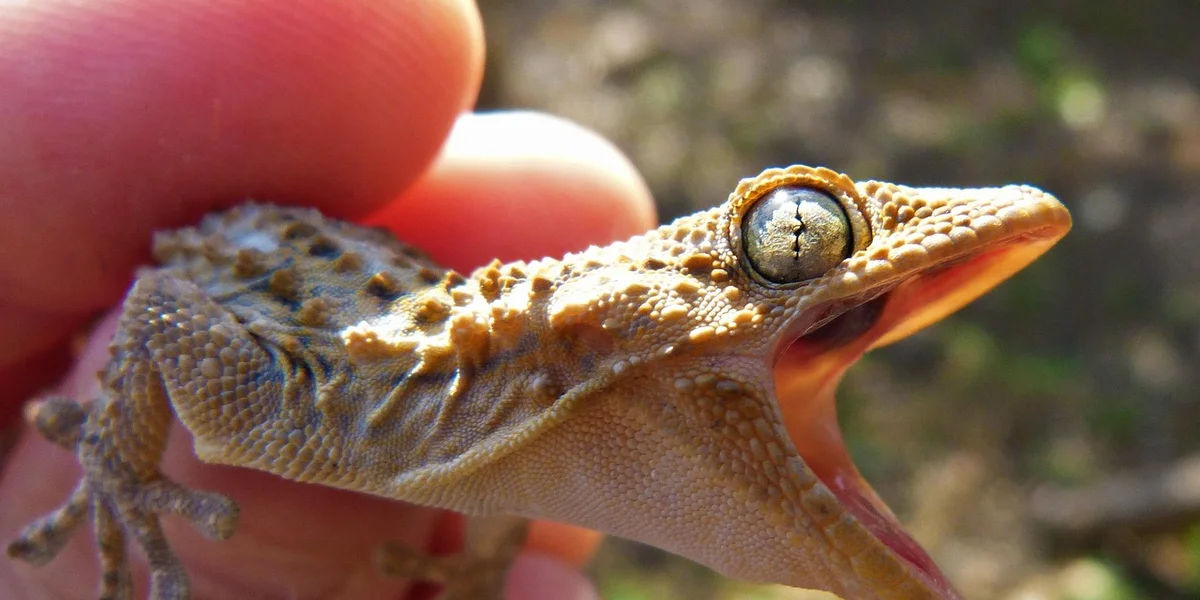
Not all geckos are created equal when it comes to human interaction. Some species are famously laid-back, while others are best admired from behind the glass. Your experience will depend heavily on which scaly friend you bring home and understanding common gecko behaviors.
Here’s a quick breakdown from my own experience and widely accepted herpetocultural knowledge:
- Leopard Geckos: Often considered the best “beginner” gecko for handling. They are terrestrial and typically move at a slower, more predictable pace. My guy, Griffey, will calmly walk from hand to hand once he’s out. They rarely jump, which makes them less likely to take a surprise leap.
- Crested Geckos: These are jumpers. They are more flighty and can be skittish. My crested gecko, Jeter, is calm when perched on my shoulder but will launch himself without warning if he spots a distant target. Handling sessions should be seated and close to a soft surface.
- African Fat-Tailed Geckos: Similar to leopard geckos in temperament but often even more shy and docile. They can be more prone to hiding and may take longer to acclimate to regular handling. They prefer a firm, confident hold.
- Gargoyle Geckos: A mix of curiosity and skittishness. My Gargoyle, Mookie, is incredibly fast and loves to leap between branches. Handling requires vigilance. They can be tolerant for short periods but are not known for their patience.
- Giant Day Geckos: These are look-don’t-touch pets. They are stunningly beautiful but notoriously fast, fragile, and easily stressed. Their skin is so delicate it can tear if handled improperly. I would never recommend trying to pet my Day Gecko, Babe.
The key takeaway is to adjust your expectations to the natural personality of the species. Pushing a fragile or nervous gecko for interaction does more harm than good. The trust you build by respecting their boundaries is the real reward—especially when you’re learning how to handle and socialize your new gecko hatchling safely.
Step-by-Step Guide to Safe Gecko Petting
Getting it right means being slow, gentle, and respectful. Rushing this process is the fastest way to scare your gecko and break their trust. I learned this the hard way with my first gecko, who would immediately scuttle away if I moved my hand too quickly.
How to Approach and Pet Your Gecko
- Make Your Presence Known: Never approach from above like a predator. Place your hand slowly into the terrarium from the side, letting them see you first.
- The Initial Touch: Start by gently stroking their back with one finger. Use the softest part of your fingertip and move from their neck towards their tail in one slow, smooth motion.
- Find Their “Sweet Spot”: Some geckos, like my High Yellow Leopard Gecko Griffey, seem to enjoy gentle strokes right behind their head. Others prefer a light touch on the back. Pay attention to their reaction.
- Keep it Short: A few gentle strokes are plenty. Think of it as a brief, friendly hello rather than a long cuddle session. End the interaction while they are still calm.
- Retreat Slowly: Remove your hand from the terrarium as slowly as you put it in, avoiding any sudden movements that could startle them.
Reading Your Gecko’s Body Language Cues
Your gecko is talking to you all the time, just not with words. Learning to read their subtle signals is the real key to a positive relationship. It’s what separates a stressful experience for them from a mildly pleasant one. These cues come through both vocalizations and body language. Paying attention to both helps you tune into what your gecko is saying.
Signs Your Gecko is Relaxed and Content
- Soft, Even Breathing: Their sides will move in a calm, regular rhythm.
- Relaxed Posture: They aren’t tensed up or trying to flatten their body. My Crested Gecko, Jeter, will often just sit there, perfectly still, with a calm expression.
- Slow Blinks: If they close their eyes slowly while you’re petting them, that’s a huge sign of trust.
- Voluntarily Approaches: If they walk towards your hand or seem curious, that’s a green light.
Clear “Stop Now” Signals to Respect Immediately
- Twitching or Wiggling Tail: This is a major warning sign, especially in Leopard Geckos. It often means they are agitated or feel threatened.
- Quick, Jerky Movements: If they try to rapidly turn their head or body away from your hand, they are telling you they’ve had enough.
- Hissing or Making a Squeaking Sound: This is a definite “back off” signal. Heed it instantly.
- Freezing in Place: This isn’t them being calm; it’s a fear response. They are hoping the “predator” will lose interest and go away.
- Opening Their Mouth: This is a defensive posture. They might be preparing to bite if you don’t retreat.
I’ve seen my African Fat-Tailed Gecko, A-Rod, do that tail twitch, and I always pull my hand back immediately. Respecting these “no” signals is non-negotiable for their welfare and your continued trust-building. Pushing past their comfort zone will only lead to a fearful pet.
Essential Safety Tips to Prevent Stress and Injury
Before you even think about touching your gecko, you need to understand their body language. A stressed gecko is not a happy gecko, and pushing interaction when they’re scared can permanently damage your bond. I learned this the hard way with my African Fat-Tailed, A-Rod, who would immediately try to scurry away if I approached from above. That experience showed me how to bond and communicate with my gecko without stressing them. By reading their signals, I can approach with calm and build trust.
Recognizing the “Do Not Disturb” Signs
Watch for these clear signals that your gecko wants to be left alone:
- Tail Wiggling or Twitching: This is a major red flag, especially in Crested and Leopard geckos. It often means they feel threatened and might even drop their tail.
- Hissing or Squeaking: This is their way of saying “Back off!” My Giant Day Gecko, Babe, lets out a little squeak if I interrupt his basking.
- Trying to Flee: If they are actively running or climbing away from your hand, the session is over. Respect their space.
- Puffing Up or Gaping: They are trying to look bigger and more intimidating to scare you away.
Proper Handling Technique is Everything
How you pick them up makes all the difference. Never grab them from above like a predator would.
- Approach Slowly and from the Front: Let them see your hand coming. Move at their eye level or from below.
- Scoop, Don’t Grab: Gently slide your hand under their belly and front legs, letting them walk onto your palm.
- Support Their Entire Body: Let them rest comfortably in your cupped hand. Never dangle them or hold them by the tail.
- Keep Sessions Short: Start with just 5-10 minutes a day. Longer is not better; it’s just more stressful for a creature that doesn’t inherently crave this contact.
Building a Bond Through Gentle Interaction
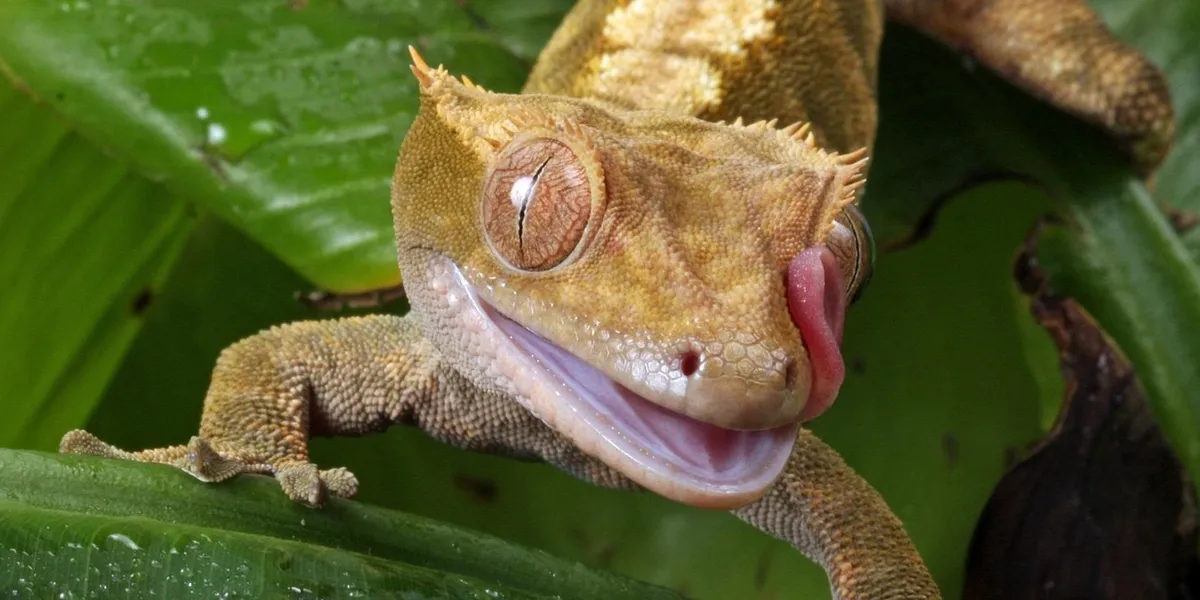
Think of bonding with a gecko not like cuddling a dog, but more like earning the trust of a wild bird. The goal is calm coexistence, not passionate affection. The bond is built on you being a source of safety and food, not forced pets.
Start with Presence, Not Touch
The first step doesn’t involve any physical contact at all.
- Spend time near their enclosure just reading or talking softly.
- Place your hand flat and still inside the tank for a few minutes so they can investigate you on their terms.
- My Crested Gecko, Jeter, started by licking my hand-his way of figuring out what I was. That was a huge win!
The “Safe Zones” for Touch
If your gecko is calm and curious, you can try very gentle strokes in areas they are most likely to tolerate.
- Under the Chin: A slow, gentle stroke under the jawline is often accepted if the gecko is relaxed.
- Along the Back: Use one finger to lightly stroke down the spine, avoiding the tail. My Leopard Gecko, Griffey, will sometimes arch into this, much like a cat.
- Top of the Head: Some geckos will allow a single, gentle rub on the head. Watch their reaction closely and stop at the first sign of tension.
I’ve found that my playful Gargoyle Gecko, Mookie, tolerates brief strokes after a successful feeding, when he’s most content. The key is to associate your hand with positive experiences, not just random intrusion. Over many months, this builds a quiet trust where they no longer see you as a threat.
Alternative Enrichment Beyond Petting
Since most geckos don’t crave physical affection like a dog or cat, you might wonder how to build a bond. The good news is that a rich, engaging environment is the best way to show your gecko you care. I’ve found this creates a much happier pet than forced handling ever could. For leopard geckos, gentle, gradual handling and a regular routine can help build trust. With patience, you can tame and bond with your leopard gecko.
Become a Silent Observer
One of my favorite activities is simply watching my geckos. Quiet observation from outside the terrarium is a low-stress way to learn their unique personalities and habits. My crested gecko, Jeter, always perches on the highest branch, surveying his domain like a tiny, scaly king. Watching him helps me understand his comfort zones.
Create a “Gecko Amusement Park”
Enrichment is all about stimulating their natural behaviors. Think of their home as a playground you can constantly refresh.
- Climbing Structures: Add new cork bark rounds, magnetic ledges, or safe branches. My gargoyle gecko, Mookie, will spend hours leaping between them.
- New Hides: Rotate different hides or add a novel one, like a coconut hut or a reptile hammock. It encourages exploration.
- Digging Boxes: For species like African Fat-Tails, a small container filled with moist substrate satisfies their burrowing instinct. My A-Rod loves to meticulously rearrange his.
Engage Their Hunting Instincts
Feeding time is prime bonding opportunity. Instead of just dropping worms in a bowl, make them work for it.
- Use feeding tweezers to wiggle a worm, encouraging them to “hunt.”
- Scatter feeder insects (like dubia roaches) to promote natural foraging behavior.
- Offer a variety of safe, gut-loaded insects to keep their diet-and their interest-varied.
Seeing your gecko actively hunt is incredibly rewarding and fulfills a deep-seated natural need. To encourage natural foraging behavior in your gecko, offer varied, appropriately sized prey and hunting challenges. It keeps Griffey mentally sharp and physically active. My leopard gecko, Griffey, gets so focused during these sessions, it’s like watching a tiny predator in action.
FAQs
How often can I pet my gecko?
Limit petting to a few short, gentle strokes just a couple of times a week, always watching for signs of stress.
Can a gecko ever learn to enjoy being petted?
While they won’t seek it out for affection, a well-socialized gecko can learn to tolerate gentle touch as a non-threatening part of its routine. In a health safety guide, handling should be gentle, supported, and limited to reduce stress. Always wash hands before and after handling, and avoid grabbing or squeezing the tail to prevent injury.
What are the signs that my gecko is starting to trust me?
Signs of trust include your gecko voluntarily approaching your hand, calm and relaxed posture in your presence, and slow blinking. These cues are foundational for understanding gecko behavior and temperament, a core part of this complete guide. By recognizing them, you can interact more confidently and build a stronger bond with your gecko.
The Final Scoop on Gecko Affection
Ultimately, whether your gecko enjoys being petted comes down to its unique personality and your gentle approach. Always prioritize your gecko’s comfort by keeping sessions short, focusing on safe areas like the chin or back, and stopping immediately at any sign of stress. Signs of stress can also be linked to the gecko’s environment, such as temperature, lighting, and shelter. If you notice stress cues, review enclosure conditions along with handling practices. For more information, check out the signs of stress linked to the gecko’s environment.
Being a fantastic gecko owner means constantly observing and learning from your pet. Their well-being is the true reward, so keep researching, stay curious about their behaviors, and you’ll build a wonderful, trusting bond.
Further Reading & Sources
- r/reptiles on Reddit: Do leopard geckos like being petted?
- Do Geckos Like To Be Petted? (Not As Simple As You Think) – Reptile Hero
- Where Do Leopard Geckos Like to Be Petted? Infographic & How to Bond | PangoVet
The Gecko Guide is your ultimate resource for gecko enthusiasts, providing expert advice and practical tips to ensure the health and happiness of your scaly companions. Alexander is a passionate gecko owner with over a decade of experience in reptile care. We are dedicated to offering accurate, up-to-date information to support your gecko journey.Our mission is to foster a community of responsible gecko owners who are passionate about the well-being of these fascinating creatures.
Handling & Behavior Signs