
Mediterranean House Gecko Care: Your Ultimate Guide
Published on: April 27, 2026 | Last Updated: April 27, 2026
Written By: Alexander 'Gecko Geek' Johnson
You’ve spotted a tiny, almost translucent gecko scurrying up your wall and wondered, “Could I care for one of these?” These little climbers are captivating, but their care is quite different from more common pet geckos, which can be confusing for a new owner.
I’ve kept Mediterranean House Geckos for years, and I’m here to help you get it right. We will cover the three most important parts of their care:
- Creating the perfect warm and humid habitat that mimics their native environment.
- Mastering their diet and feeding tiny, live insects.
- Understanding their unique, hands-off personality for proper handling.
By the end of this guide, you’ll have clear, step-by-step advice to help your gecko thrive. We will cover: housing setup, temperature and humidity, diet and feeding, health and behavior, and handling guidelines.
Setting Up the Perfect Terrarium
Creating the right home for your Mediterranean House Gecko is the single most important thing you can do for its long-term health. A proper setup doesn’t just keep them alive; it allows their quirky, nocturnal personality to truly shine. I’ve set up dozens of enclosures over the years, and getting this part right makes everything else-like feeding and handling-so much easier.
Choosing the Right Enclosure Size and Type
A common mistake is thinking these small geckos need a small tank. They are active climbers! For a single adult, a 10-gallon tank is the absolute minimum, but a taller 20-gallon enclosure is far better and allows for more natural climbing behavior.
You have two main options for the enclosure type:
- Glass Terrariums: These are the classic choice. They hold heat well and are easy to find. Just make sure the screen top is very secure; these little guys are escape artists.
- Front-Opening PVC Cages: These are my personal favorite. They retain heat and humidity perfectly, and the front doors cause less stress than reaching in from above.
Whatever you choose, the lid must lock or clip shut. I learned this the hard way when my gecko, Gizmo, used his sticky toe pads to lift a slightly weighted screen and go on a household adventure.
Selecting a Safe Substrate
What you put on the bottom of the tank is critical for safety. Mediterranean House Geckos are insectivores and can accidentally ingest loose substrate, leading to a deadly impaction.
Here are your safest bets, from easiest to most advanced:
- Paper Towels: This is the best choice for quarantine, sick geckos, or beginners. It’s cheap, sterile, and super easy to spot-clean. You can’t beat it for monitoring your gecko’s health.
- Reptile Carpet: A decent reusable option, but you must have two pieces. You need to wash and swap them weekly to prevent bacterial growth.
- Organic Topsoil/Sand Mix: For experienced keepers wanting a natural look, a 70% topsoil to 30% play sand mix can work. It must be packed down firmly. Never use calcium sand or pure sand-it’s a recipe for impaction.
Adding Hides and Climbing Decor
In the wild, these geckos spend their lives on vertical surfaces. Your job is to recreate that 3D environment. A bare tank is a stressed gecko.
Start with these essentials:
- A Warm Hide: Place a small, enclosed cave (like a cork round or commercial reptile hide) on the warm end of the tank. This is where they’ll go to digest meals.
- A Cool/Moist Hide: Place another hide on the cool end. I like to add a handful of damp sphagnum moss inside this one. It provides a humid microclimate, which is crucial for clean, easy shedding.
- Climbing Structures: This is where the fun begins. Use branches, vines, and cork bark flats to create a network of climbable surfaces. Attach these decorations securely to the sides of the enclosure to maximize usable space. My geckos spend 90% of their time off the ground.
- Foliage: Don’t forget fake or live plants! They provide cover, making your gecko feel secure enough to explore even during the day. The more clutter, the better.
Managing Temperature and Humidity
Creating the Ideal Temperature Gradient
Your Mediterranean House Gecko is a creature of warmth, thriving in the same climates we find comfortable. I keep my gecko’s terrarium between 75°F and 85°F during the day. The single most important thing you can do is create a temperature gradient, giving your gecko a choice between warm and cool areas.
Place a low-wattage heat lamp or an under-tank heater on one side of the enclosure. This creates a warm basking spot. The other side should remain at room temperature. I often find my gecko, Babe, moving between the warm hide and a cool leaf throughout the day, thermoregulating perfectly.
At night, temperatures can safely drop to the low 70s. Do geckos need heat at night? It depends on the species and your room temperature. Avoid using heat rocks, as they can cause serious thermal burns on your gecko’s delicate belly. I use a simple thermostat with my heater to prevent any dangerous temperature spikes.
Maintaining Proper Humidity and Hydration
Humidity is non-negotiable for healthy shedding and hydration. Aim for a moderate humidity level of 60-75%. I achieve this with a simple daily misting of the terrarium walls and decor with dechlorinated water. A light spray in the evening mimics their natural dew-drinking behavior.
You must provide a shallow water dish with fresh water at all times. I use a bottle cap for my smaller geckos to prevent any risk of drowning. Watch for your gecko licking water droplets off leaves after misting-it’s a sure sign you’re doing it right.
If your home is very dry, a small humid hide filled with moist sphagnum moss is a fantastic addition. This gives them a private, humid retreat whenever they need it, especially when they are about to shed their skin.
Feeding and Nutrition Basics
Choosing the Best Insects
Mediterranean House Geckos are insectivores, and variety is the key to a balanced diet. I rotate through several staple feeders to keep my geckos interested and healthy.
- Crickets: A classic staple. They’re readily available and encourage natural hunting behavior.
- Dubia Roaches: My personal favorite. They are meatier, less noisy, and don’t climb smooth surfaces, making them easier to contain.
- Black Soldier Fly Larvae (Calci-Worms®): An excellent source of calcium, often needing no additional dusting.
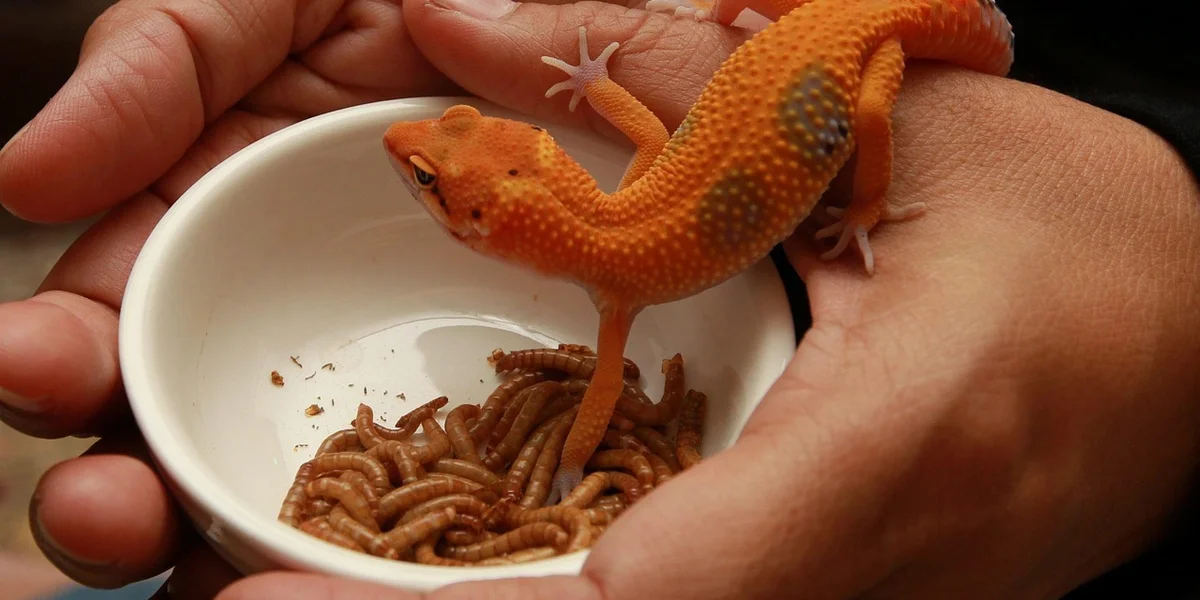
- Small Mealworms: Use these as an occasional treat, not a staple, as they are higher in fat.
Never feed your gecko insects caught from your yard, as they can carry pesticides or parasites. Some insect species are safe vs toxic insects, so know which are appropriate for your gecko. Never feed wild-caught prey; always purchase from a reputable feeder insect supplier.
Establishing a Feeding Schedule
These geckos are primarily nocturnal hunters, so I feed mine in the evening. Younger, growing geckos need to eat more frequently than adults.
- Juveniles (Under 1 year): Offer a small number of appropriately-sized insects every day.
- Adults (Over 1 year): Feed them every other day. A good rule is 3-5 suitably sized insects per feeding.
Gut-load your feeder insects with nutritious veggies 24 hours before feeding, and always dust them with a calcium supplement. I use a calcium powder with D3 at most feedings and a multivitamin powder once a week. Remove any uneaten crickets after an hour to prevent them from bothering your gecko.
Handling and Social Interaction
How to Handle Your Gecko Safely
Start by washing your hands thoroughly to remove any scents or residues that might stress your gecko. Always approach your Mediterranean house gecko from the side, not from above, to avoid triggering their predator response. I learned this the hard way with Griffey, my leopard gecko, who would dart away if I came in too fast from above. Remember, handling techniques vary by gecko species, so check species-specific guidelines before touching. This helps reduce stress for your geckos and keeps interactions safe.
Use a gentle cupping motion to scoop them up, supporting their entire body. Never grab or squeeze their tail, as it can detach easily as a defense mechanism. Keep handling sessions short-just 5-10 minutes at first-to build trust without overwhelming them.
- Wash hands with unscented soap before and after.
- Sit on the floor or over a soft surface in case they jump.
- Handle during evening hours when they are naturally more active.
- Watch for signs of stress like rapid breathing or trying to escape.
If your gecko seems skittish, try placing your hand in the enclosure without touching them for a few days. Patience pays off; my crested gecko Jeter now climbs onto my hand willingly after weeks of slow introductions.
Understanding Gecko Behavior
Mediterranean house geckos are nocturnal, so you will see most activity at night. Healthy geckos are alert, with bright eyes and a curious demeanor when exploring their space. They might lick surfaces or the air to “taste” their surroundings, which is completely normal.
Watch for changes like hiding constantly or refusing food, which can signal stress or illness. From my experience, A-Rod, my African fat-tailed gecko, rearranges his hides when he is content, while Mookie’s playful leaps show he is in a good mood.
- Normal behaviors: climbing walls, chirping softly, hunting insects.
- Stress signs: tail vibrating, hiding for days, color fading.
- Social cues: they are solitary but can recognize your presence over time.
Geckos communicate through body language more than sound. A puffed-up body or hissing means back off immediately-respect their space to build a positive relationship.
Health and Enclosure Maintenance
Spotting Health Issues Early
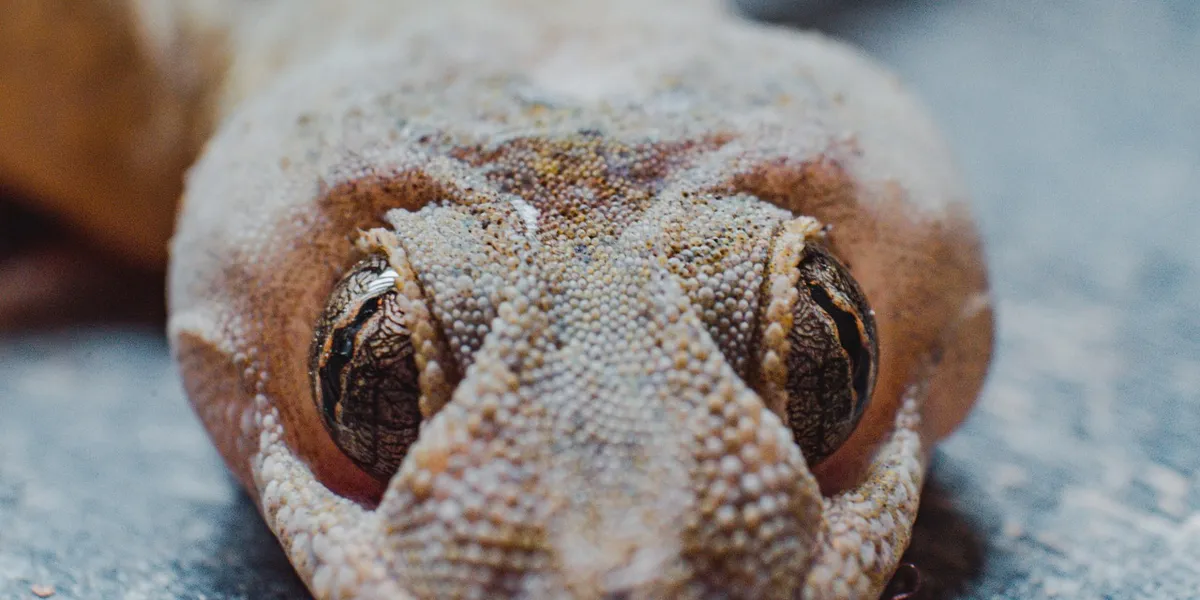
Check your gecko daily for any physical or behavioral changes. Weight loss is a red flag; I use a small kitchen scale weekly to monitor my geckos, like Babe, whose plump tail is a sign of good health. Look for sunken eyes, stuck shed on toes, or lethargy, which often point to dehydration or infection. To tell if your gecko is dehydrated, do a quick skin-turgor test by pinching the neck skin and watching how fast it returns to place. If the skin stays tented or the gecko remains lethargic, seek veterinary care.
Common health problems include metabolic bone disease from lack of calcium, respiratory infections, and parasites. If your gecko is not basking or eating for more than two days, consult a reptile vet right away. Early action saved one of my geckos from severe mites caught from unclean decor. You can learn more about common health issues in pet geckos and how to prevent them.
- Observe appetite and droppings-runny or absent feces need attention.
- Check skin for mites, which look like tiny moving dots.
- Ensure proper UVB lighting and supplementation to prevent weakness.
Trust your instincts; you know your pet best. Regular handling helps you notice subtle changes faster than any schedule.
Cleaning and Parasite Prevention
Clean the enclosure at least once a week to prevent bacteria and parasites. Remove waste daily and replace substrate monthly, or more often if you use loose bedding. I use a vinegar-water solution for disinfecting surfaces, as harsh chemicals can harm your gecko. Knowing when to change the substrate is crucial for maintaining a healthy environment.
Parasites like mites thrive in dirty environments. Quarantine any new plants or decor for a week before adding them to the tank to avoid introducing pests. After dealing with an outbreak from a pet store branch, I now bake wood items at 250°F for 30 minutes to kill hidden bugs.
- Weekly tasks: wipe glass, clean water dish, spot-clean soiled areas.
- Monthly deep clean: remove everything, scrub with reptile-safe disinfectant.
- Prevention tips: avoid cross-contamination with other pets, wash hands between enclosures.
Good hygiene reduces stress and illness. Your gecko’s home should smell fresh, not musty-a clean habitat means a happier, healthier pet.
FAQs
What is the typical lifespan of a Mediterranean House Gecko?
Mediterranean House Geckos typically live for 5 to 10 years in captivity with proper care.
What are the essential elements of a Mediterranean gecko care sheet?
A comprehensive care sheet should summarize enclosure setup, temperature and humidity ranges, diet details, and handling precautions.
Is the Mediterranean House Gecko a good choice for beginner reptile keepers?
They can be suitable for beginners due to their hardy nature, but success depends on closely managing humidity and feeding live insects.
Where can I find a reliable PDF care guide for Mediterranean House Geckos?
Reputable reptile care websites and veterinary sources often offer downloadable PDF guides for accurate information.
How often should I update my Mediterranean gecko’s care sheet?
Review and update the care sheet annually or whenever there are changes in your gecko’s health, behavior, or enclosure setup. As part of this guide to performing a home gecko health audit, note any new observations and adjust the care sheet accordingly. Regular audits help keep all health and care details accurate and up to date.
Your Mediterranean House Gecko Care Checklist
To keep your gecko healthy, focus on three simple but strict rules: a tall, well-ventilated terrarium with plenty of climbing branches, a consistent temperature gradient with a warm basking spot, and a diet of appropriately-sized, gut-loaded insects. When choosing between vertical vs horizontal terrariums, consider your gecko’s natural behavior and species needs. For many arboreal geckos, a tall vertical setup offers more climbing space and can help maintain humidity. Proper humidity and a secure, clutter-free environment round out the essentials for a thriving pet.
Remember, your gecko is a living being that relies entirely on your care and knowledge. Their well-being is your responsibility, so commit to being a curious and observant owner, always seeking to learn more and improve their habitat as your experience grows. This is part of gecko habitat husbandry—ensuring proper temperature, humidity, lighting, and enrichment in the enclosure. With that groundwork in place, you’ll support your gecko’s health and daily behaviors.
Further Reading & Sources
- Mediterranean House Gecko: Nocturnal Reptile, Behavior & Habitat
- r/geckos on Reddit: Mediterranean house gecko care guide
- House Gecko Care Sheet Because we care !!!
The Gecko Guide is your ultimate resource for gecko enthusiasts, providing expert advice and practical tips to ensure the health and happiness of your scaly companions. Alexander is a passionate gecko owner with over a decade of experience in reptile care. We are dedicated to offering accurate, up-to-date information to support your gecko journey.Our mission is to foster a community of responsible gecko owners who are passionate about the well-being of these fascinating creatures.
Gecko Care Guides